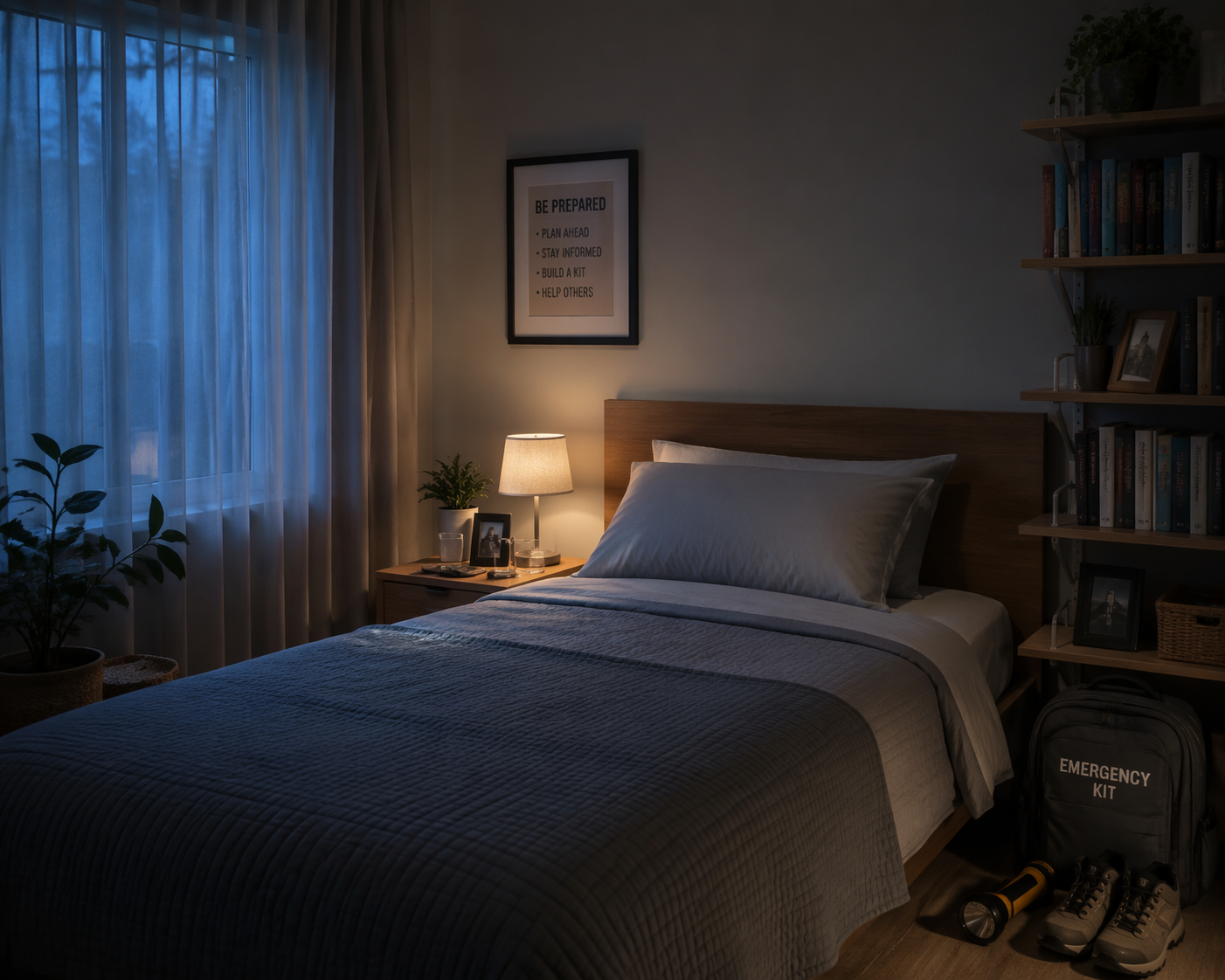
Earthquake Anxiety Keeping You Awake? How to Finally Sleep
This guide explains why earthquake anxiety disrupts sleep and offers proven steps—from bedroom safety preparation to breathing techniques—that help you feel secure and fall asleep again.
Life Stages / Perimenopause & Menopause
Hormonal sleep disruption guidance, mechanism to safety — why estrogen and progesterone shifts disrupt sleep, and what's safe to try or discuss with a clinician.
This guide explains why earthquake anxiety disrupts sleep and offers proven steps—from bedroom safety preparation to breathing techniques—that help you feel secure and fall asleep again.
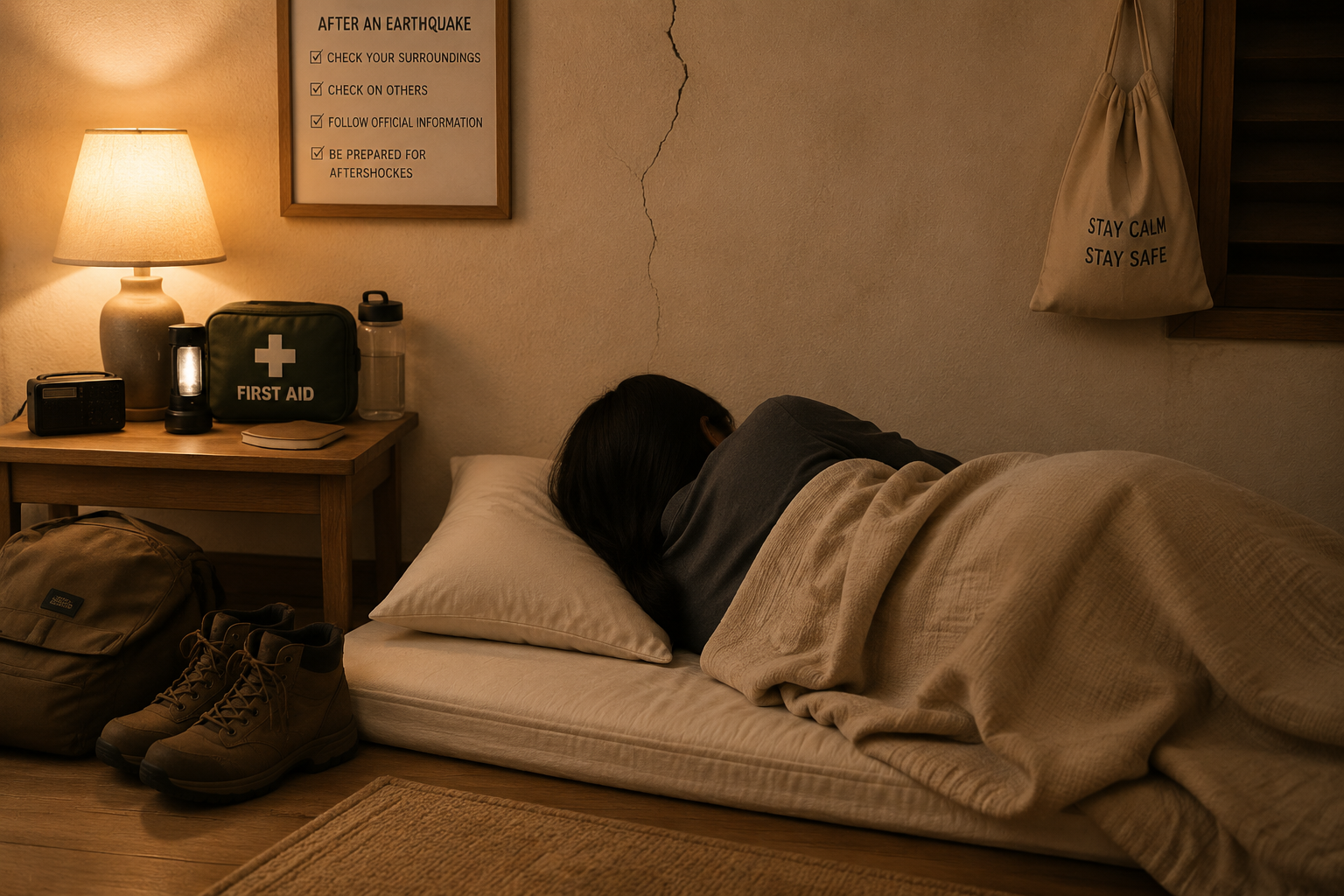
Earthquakes can devastate sleep quality, but recovery is possible with targeted strategies for each phase. This guide covers what to do the first night, the first week, and beyond to restore rest despite aftershock anxiety and disrupted living conditions.
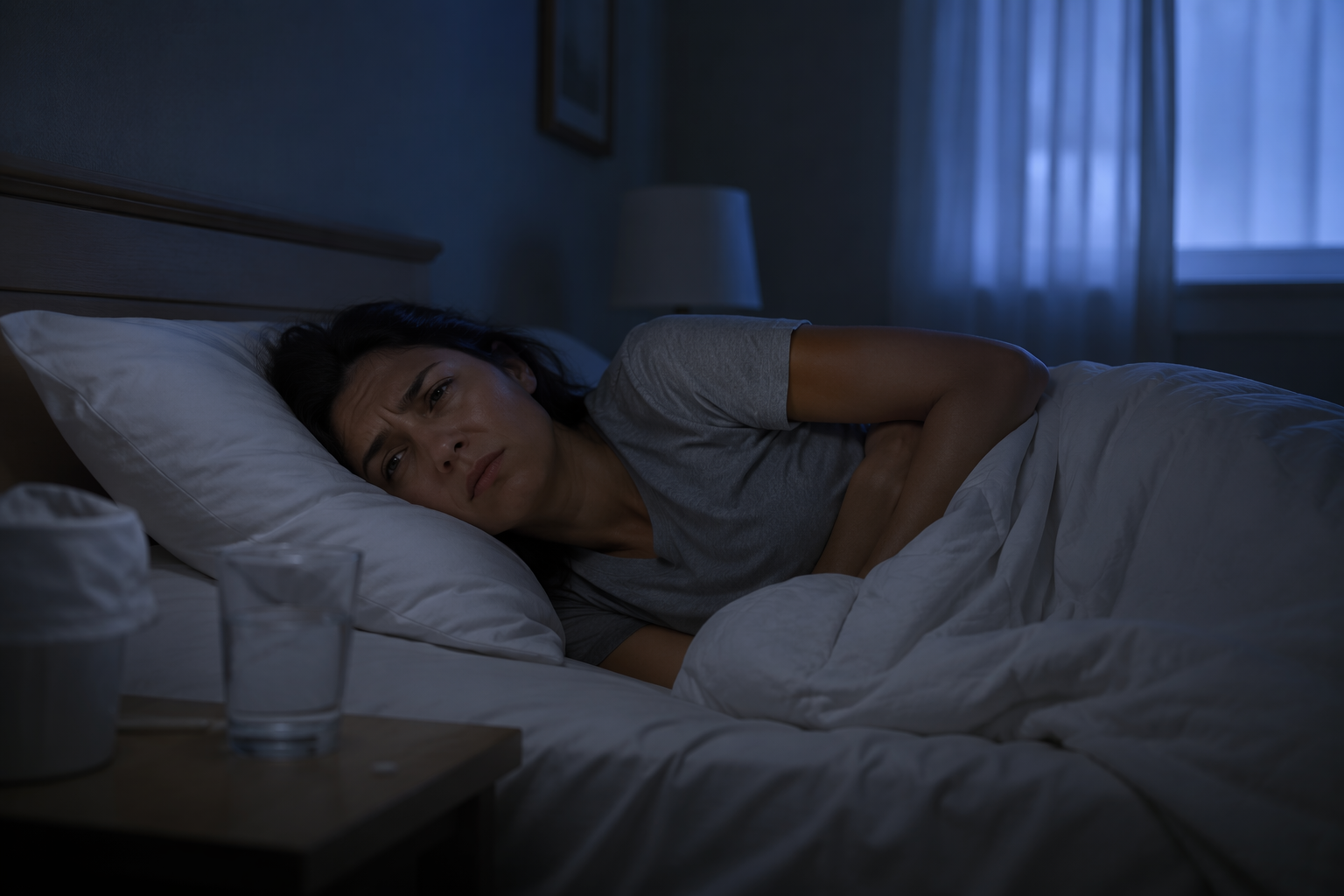
Learn evidence-backed strategies for sleeping during a stomach bug, including optimal sleep position, pre-bed ginger intake, breathing techniques, and hydration protocols that directly target nighttime nausea.
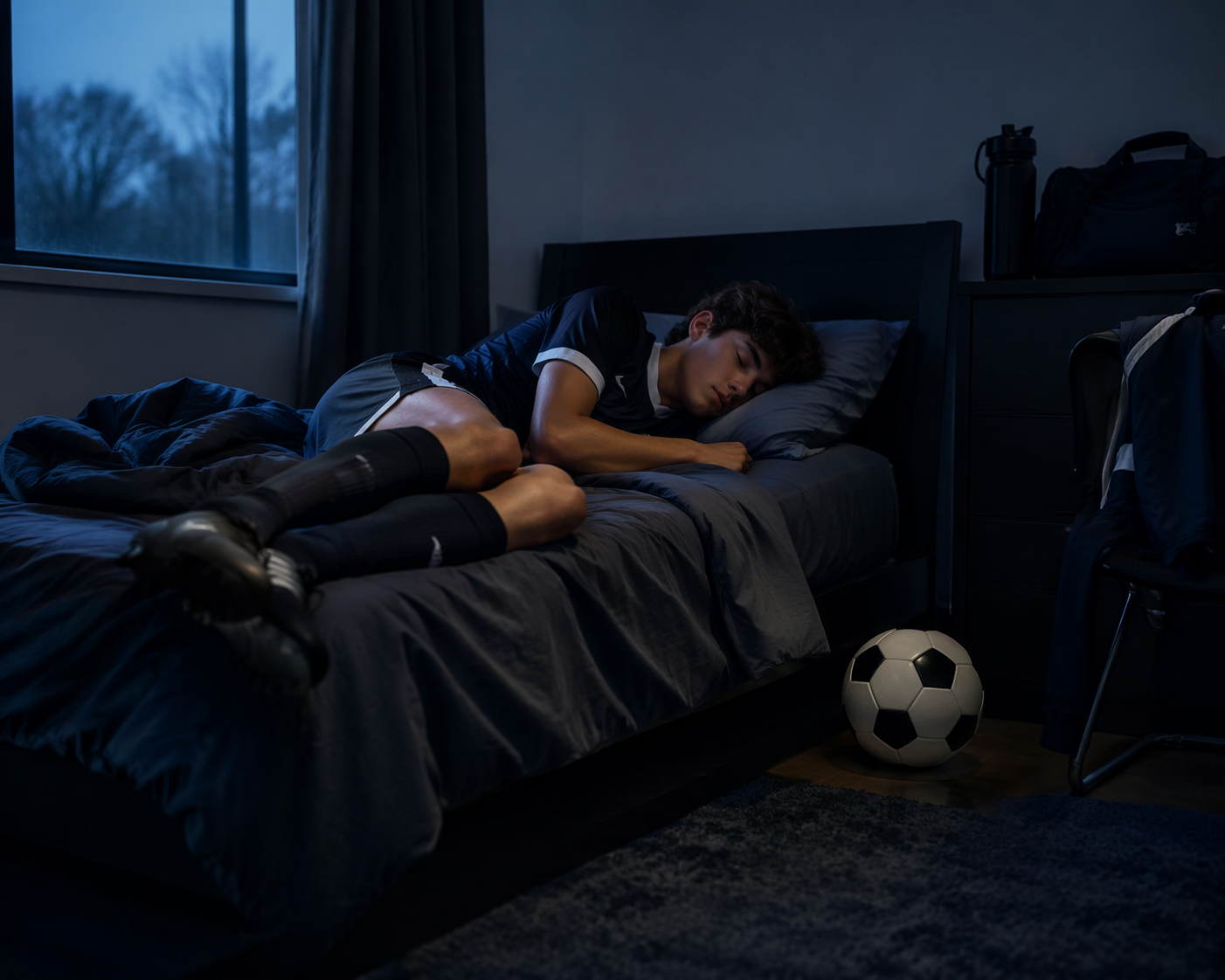
Chronic sleep deprivation is a overlooked risk factor for youth sports injuries. Here’s the evidence linking insufficient sleep to higher injury rates and practical tips to improve sleep in young athletes.
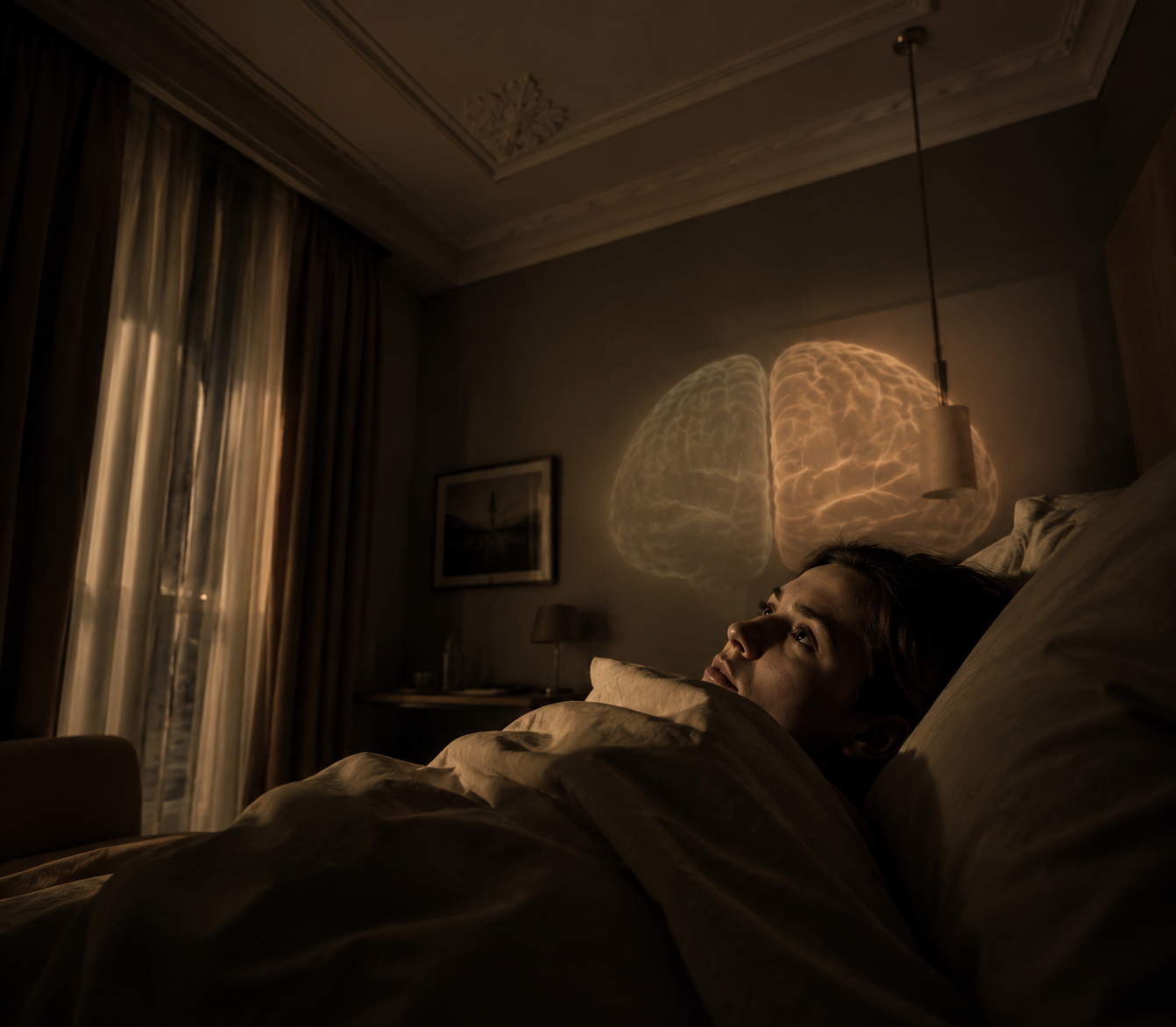
Learn why the first-night effect makes it hard to sleep in a boutique hotel and discover science-backed tips—from pre-arrival room requests to sensory familiarity tools—that can help you sleep as well as you do at home.
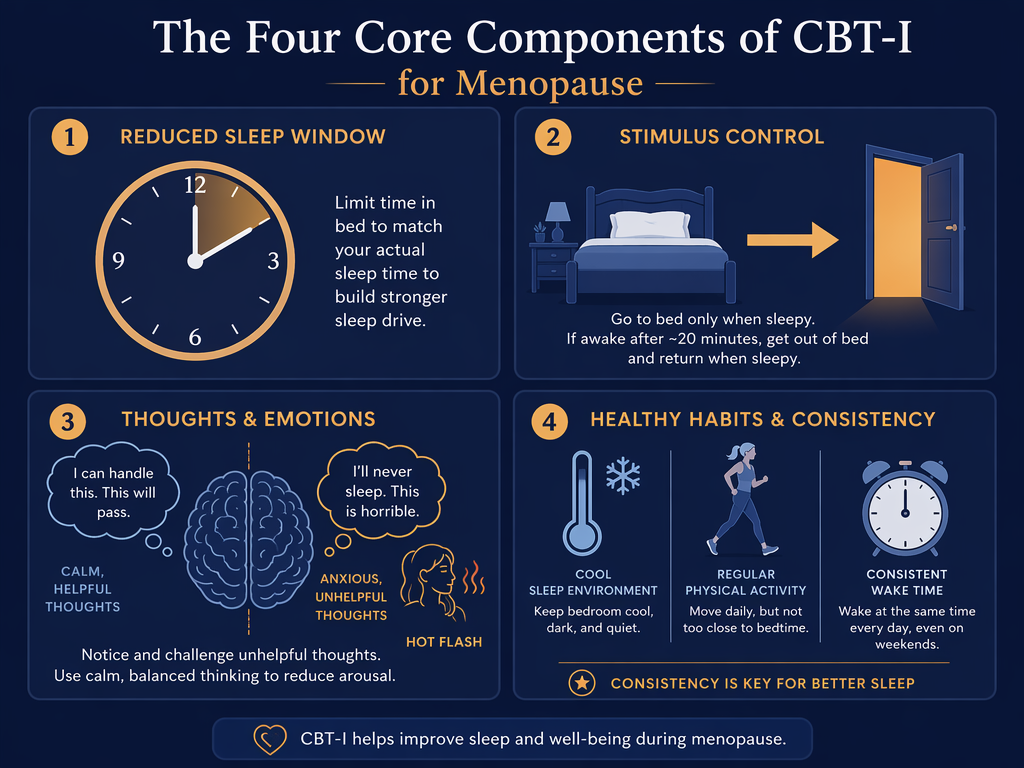
Cognitive Behavioral Therapy for Insomnia (CBT-I) is the AASM-recommended first-line treatment for chronic insomnia, yet fewer than 2% of women with menopausal insomnia are ever referred for it. This article explains why CBT-I outperforms medication and other approaches for menopause-related sleep disruption, what the treatment involves, and how to access it.
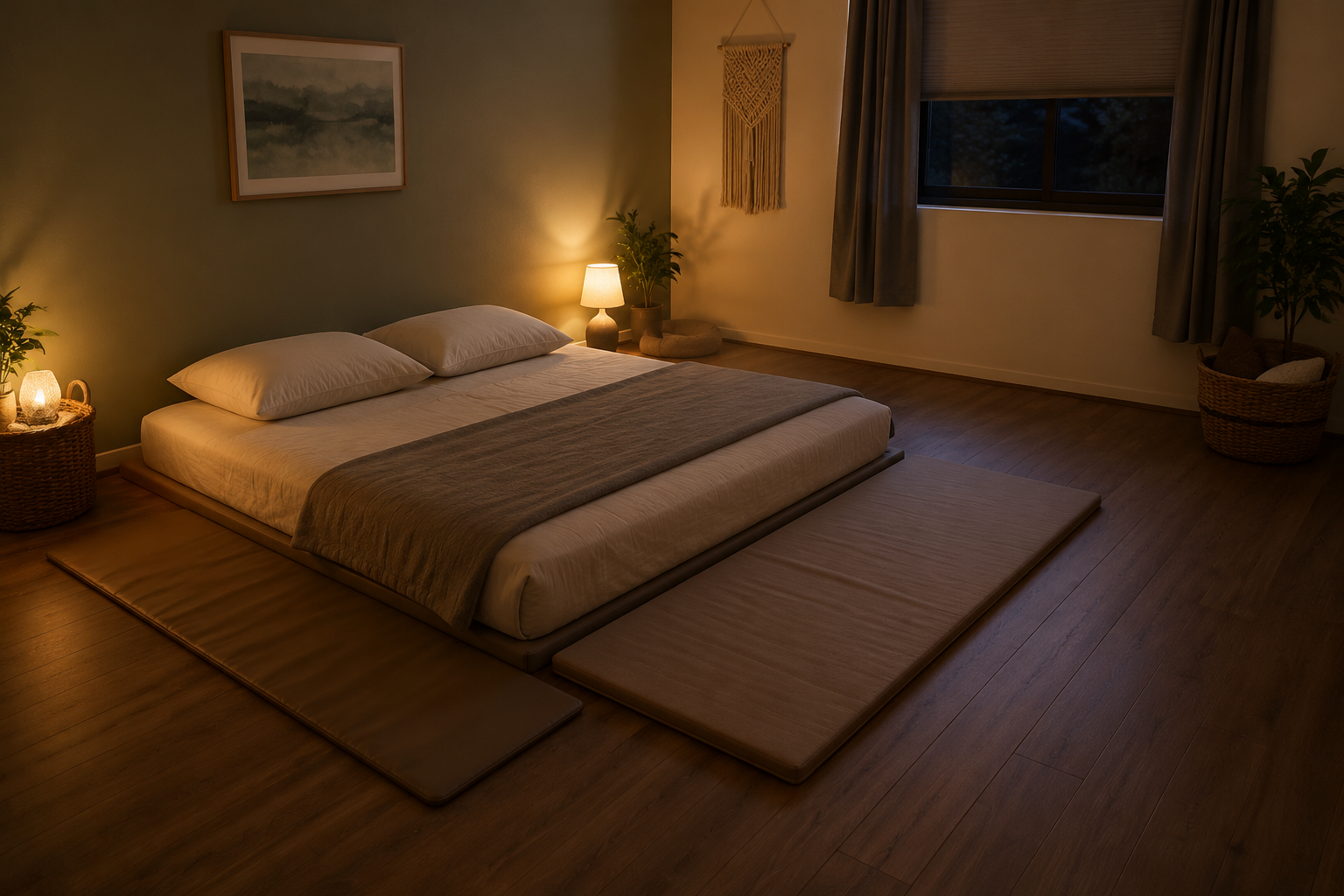
Learn which specific bedroom modifications — from bed height and pillow type to room temperature and monitoring devices — can reduce injury risk during nocturnal seizures. This guide explains how to layer evidence-based environmental changes for a safer sleep environment without requiring medical training.
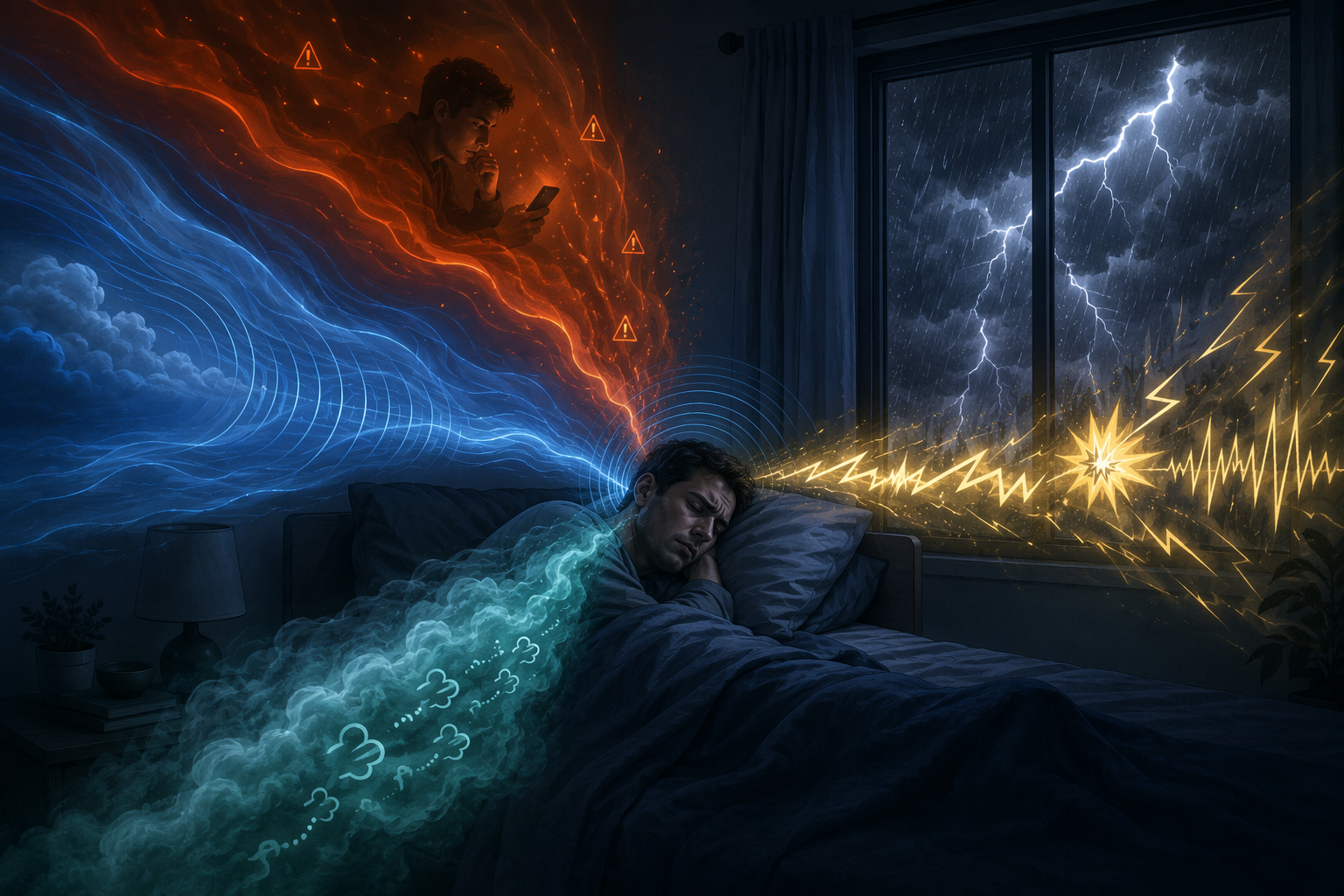
Tropical storms disrupt sleep through four distinct but interacting pathways: barometric pressure changes, pre-storm anxiety, environmental noise and light, and humidity-increased breathing effort. Understanding which mechanism affects you most can help you choose targeted solutions beyond generic sleep hygiene.
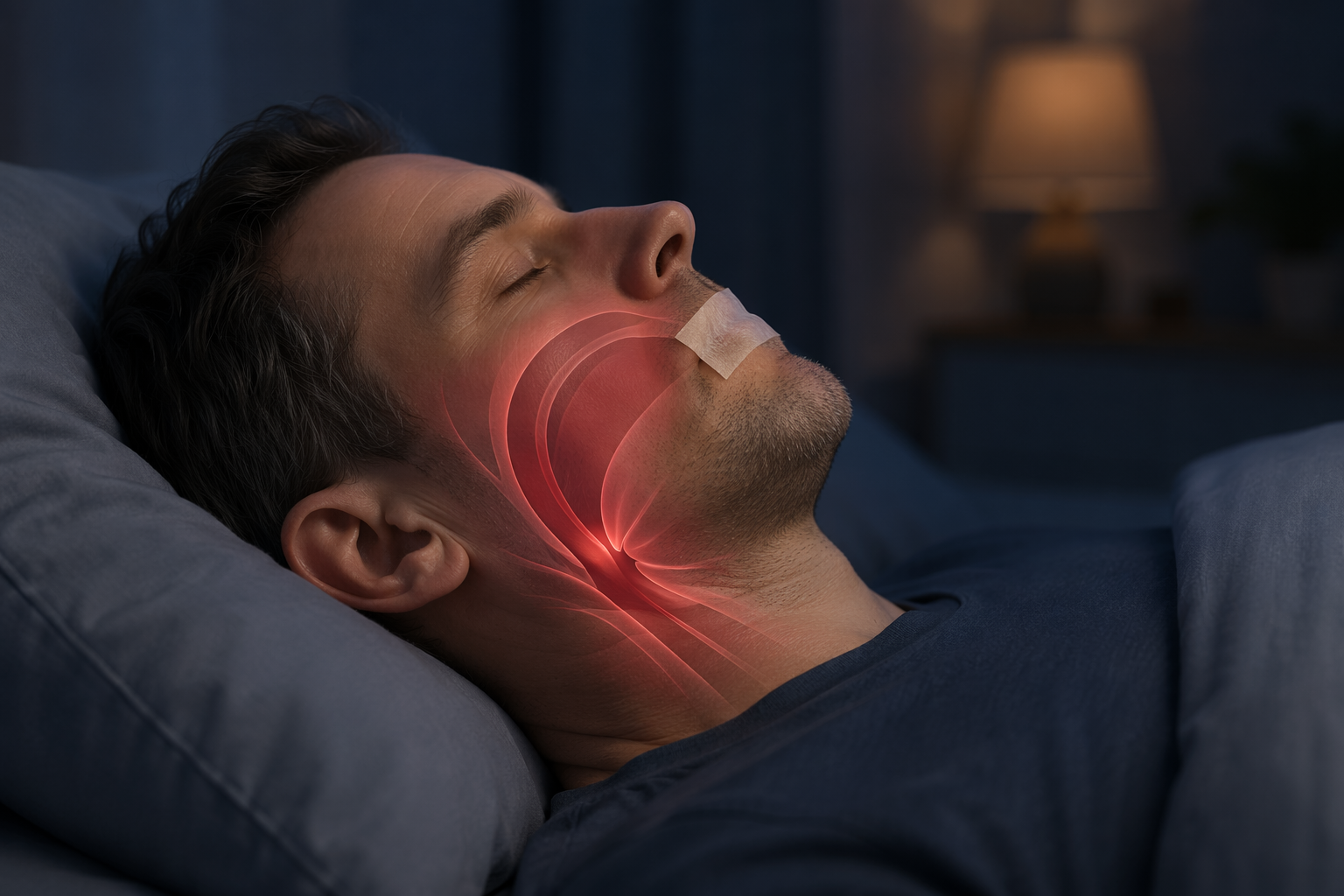
Mouth taping poses serious risks for anyone with sleep apnea, including potential asphyxiation and worsening of apnea events. This article explains the specific dangers and why medical evaluation should come before trying the trend.
Many natural sleep aids marketed for deep sleep actually help with falling asleep, not with increasing slow-wave sleep. This article separates the behavioral approaches—consistent timing, morning light, exercise, body cooling, and alcohol elimination—that reliably raise deep sleep from the supplements that don't.
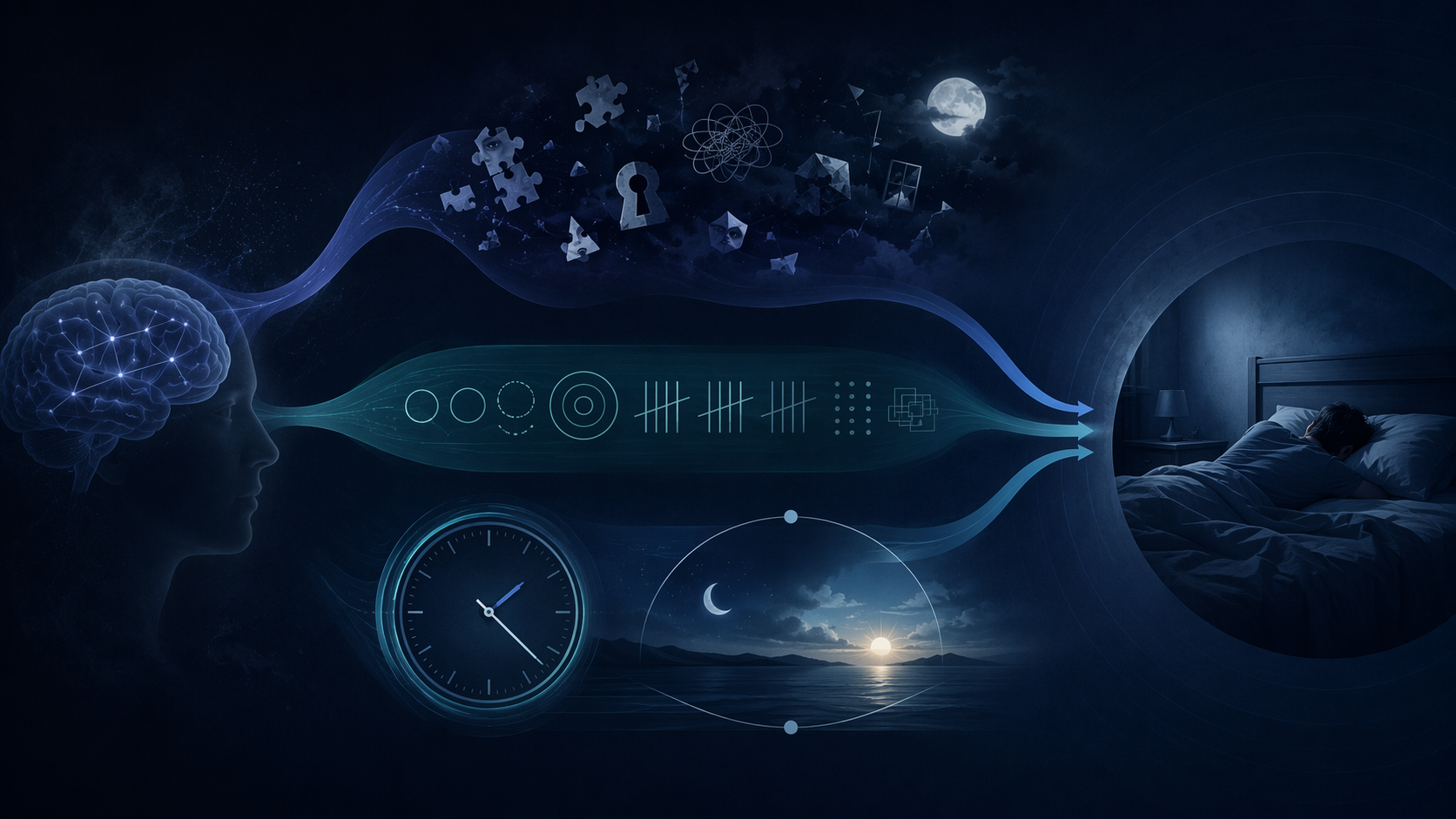
OCD disrupts sleep through three distinct pathways—nighttime obsessions, compulsive rituals, and a high rate of delayed sleep phase. This article helps readers identify which mechanism is at play and match it to the right intervention.
This article explains why the hypervigilance from restraining order proceedings disrupts sleep quality and offers practical, safety-conscious strategies to break the cycle.