The flagship group. Covers three life-stage populations whose sleep physiology mainstream sleep content treats as an afterthought: perimenopause/menopause, pregnancy, and older adulthood. Every guide is mechanism-first (why this life stage disrupts sleep the way it does) and calibrated to that population's real decisions: what's safe to take or try, what's normal aging versus a red flag, and when to seek a clinician. Each article carries a named, credentialed medical reviewer, an evidence tier (RCT / observational / consensus), a last-reviewed date, and a safety flag where a specific intervention is discussed. Boundary: excludes ADHD/neurodivergent-specific content (see Neurodivergent Sleep) and general population insomnia mechanics (see Explainers) unless directly intersecting, in which case it cross-links rather than duplicates.
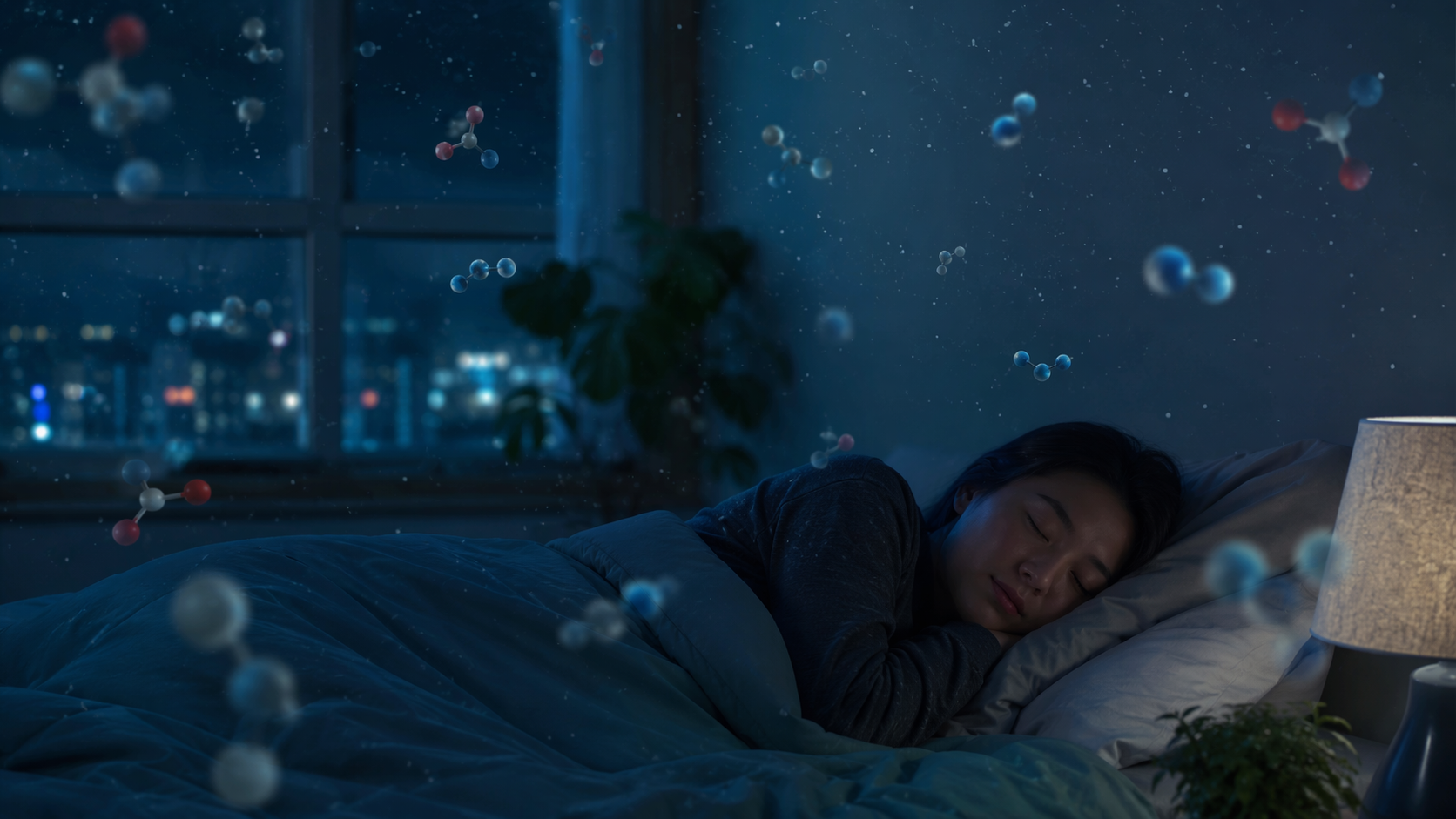
Standard sleep hygiene not working? This article explains how four environmental variables — PM2.5, CO2, NO2, and temperature — independently degrade sleep efficiency through respiratory and neurological pathways, with target ranges that can improve rest within days.
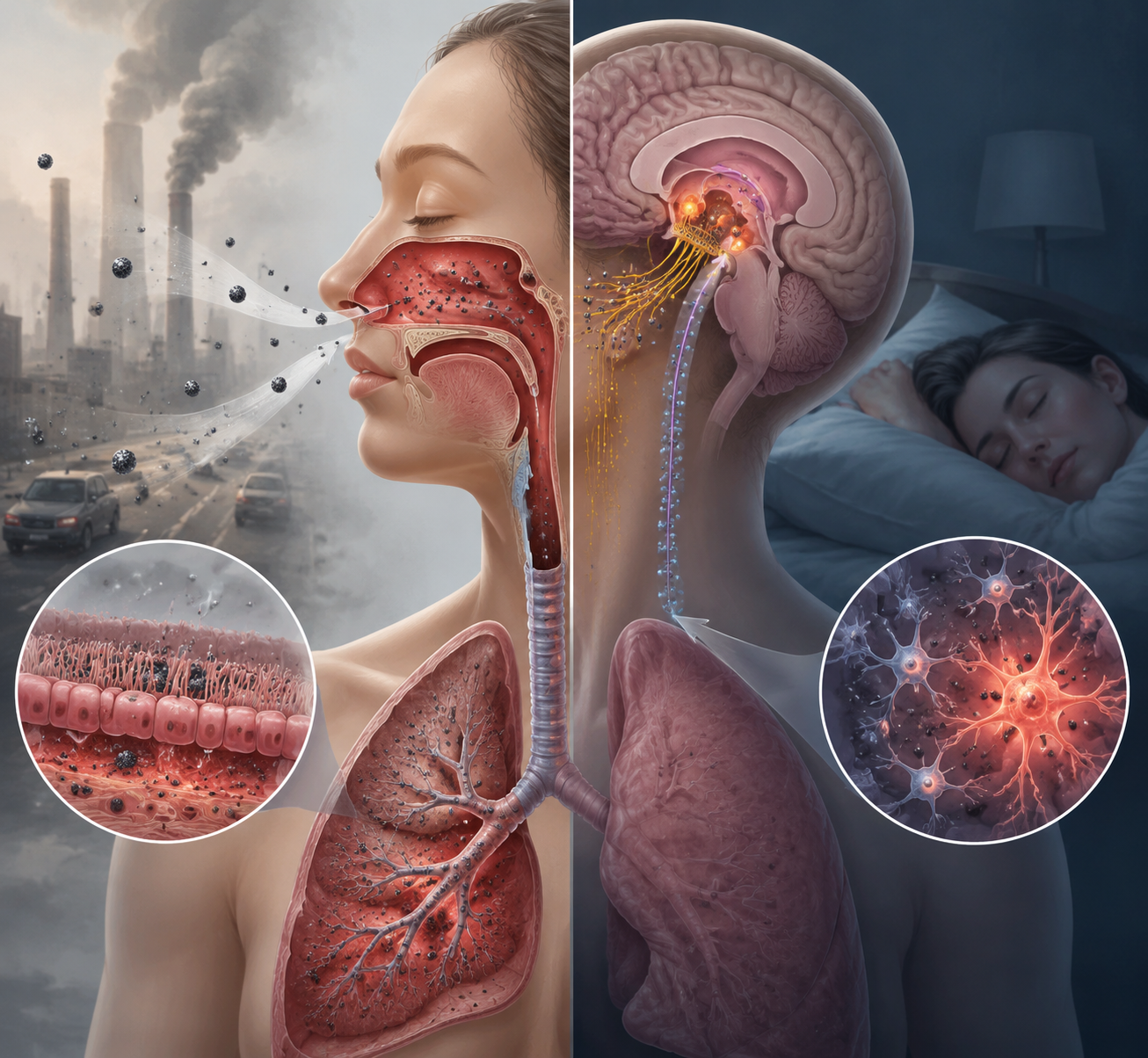
Learn the two distinct biological pathways through which common air pollutants like PM2.5 and NO₂ disrupt sleep, supported by evidence from human studies and animal models, and why this matters for indoor and outdoor air quality.
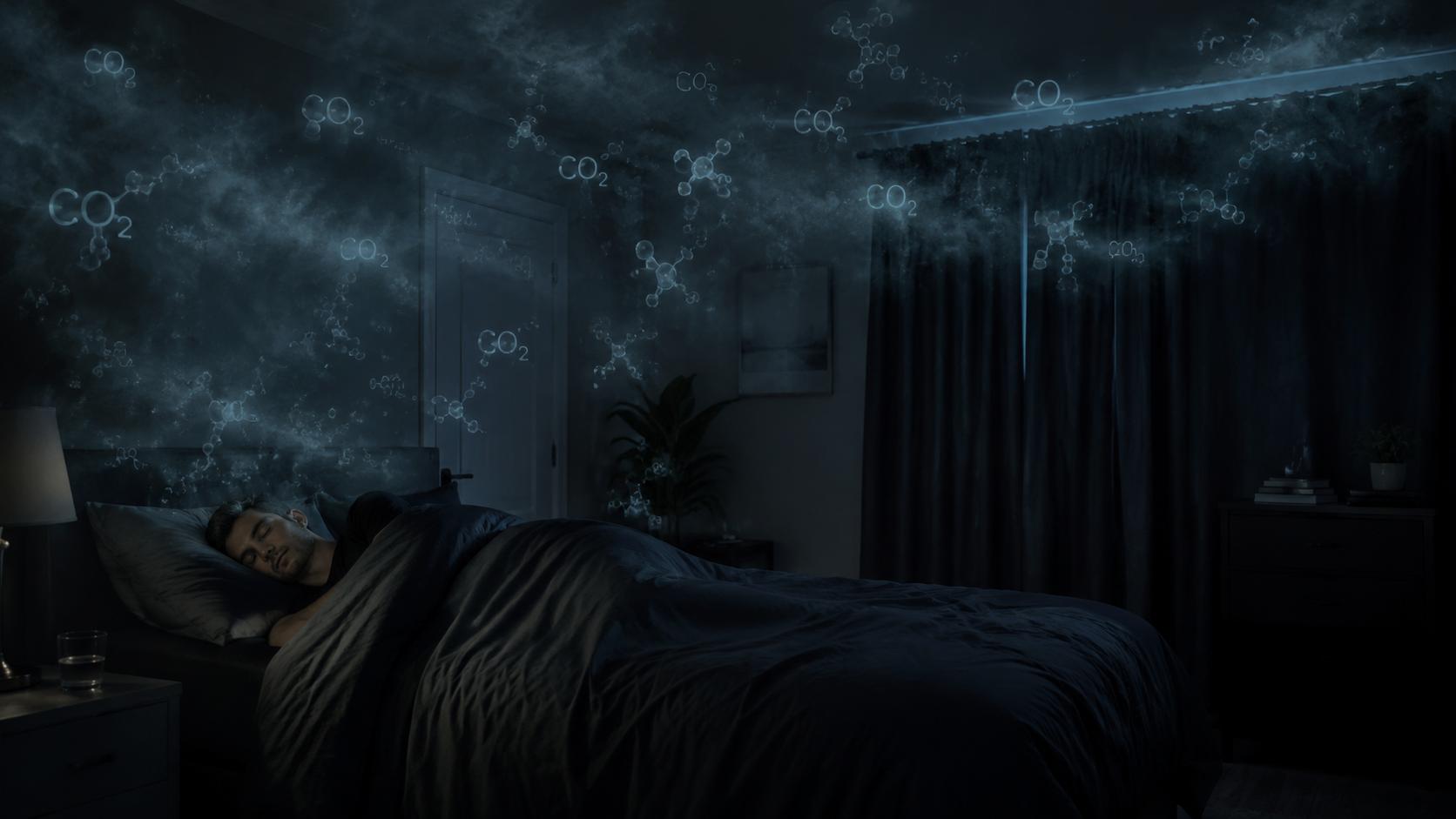
If you sleep with doors and windows closed, CO₂ can build up to 3,000+ ppm by morning, measurably reducing slow-wave sleep and next-day cognition. This article explains the physiological mechanism, the experimental evidence, and simple ventilation solutions to keep bedroom CO₂ below 800 ppm.
Standard sleep hygiene not working? This article explains how four environmental variables — PM2.5, CO2, NO2, and temperature — independently degrade sleep efficiency through respiratory and neurological pathways, with target ranges that can improve rest within days.
Learn the two distinct biological pathways through which common air pollutants like PM2.5 and NO₂ disrupt sleep, supported by evidence from human studies and animal models, and why this matters for indoor and outdoor air quality.
If you sleep with doors and windows closed, CO₂ can build up to 3,000+ ppm by morning, measurably reducing slow-wave sleep and next-day cognition. This article explains the physiological mechanism, the experimental evidence, and simple ventilation solutions to keep bedroom CO₂ below 800 ppm.
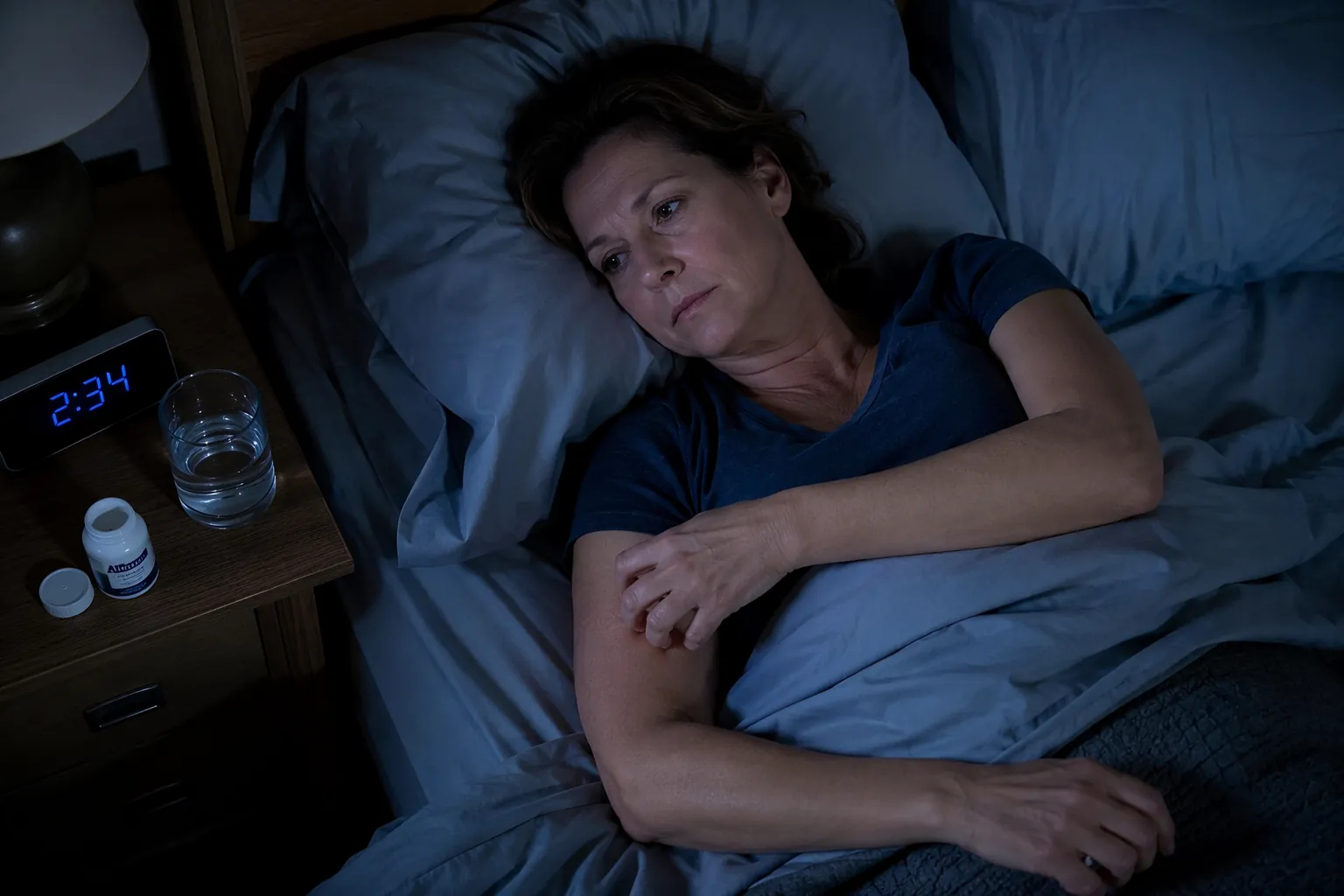
Stopping cetirizine or levocetirizine abruptly can trigger severe itching that destroys sleep. This article explains why it happens and how a simple taper can protect your sleep through the transition.
A July 2026 recall of common antihistamines used as sleep aids has left many people without their go-to option. This guide helps pregnant, perimenopausal, ADHD, and older adult readers find a safe, evidence-backed alternative that fits their specific physiology — starting tonight.
After the July 2026 cetirizine recall, learn which allergy medication is safest to switch to at your life stage — pregnancy, perimenopause, older adulthood, or ADHD — without triggering withdrawal itching or disrupting your sleep.
ADHD, anxiety, and circadian-misalignment guidance lives in Neurodivergent Sleep, organized by neurotype rather than age or reproductive stage. Mechanism-level biology that supports these guides lives in Explainers. Where a topic intersects both axes — such as ADHD during perimenopause — the article lives in the more specific cluster and is cross-linked from the other.