
Why Lennox-Gastaut syndrome disrupts the whole family's sleep
In a home shaped by Lennox-Gastaut syndrome, night is rarely just night. One person may be trying to sleep through seizures, medication effects, abnormal breathing, movement, or waking spells. Someone else is listening for the small sound that means they need to get up. The bed, the monitor, the open door, and the half-slept caregiver become part of the same safety system.
That is why sleep issues in Lennox-Gastaut syndrome cannot be measured only by asking whether the person with LGS slept well. In a self-selected 2025 LGS Foundation sleep survey, 87% of people with LGS were reported to have poor-to-average sleep quality, 67% of caregivers identified nocturnal seizures as the main factor worsening sleep, and 43% said they co-sleep specifically to monitor seizures.[1] Those numbers are not population-level estimates, but they are not just a burden score. They describe a household arrangement.
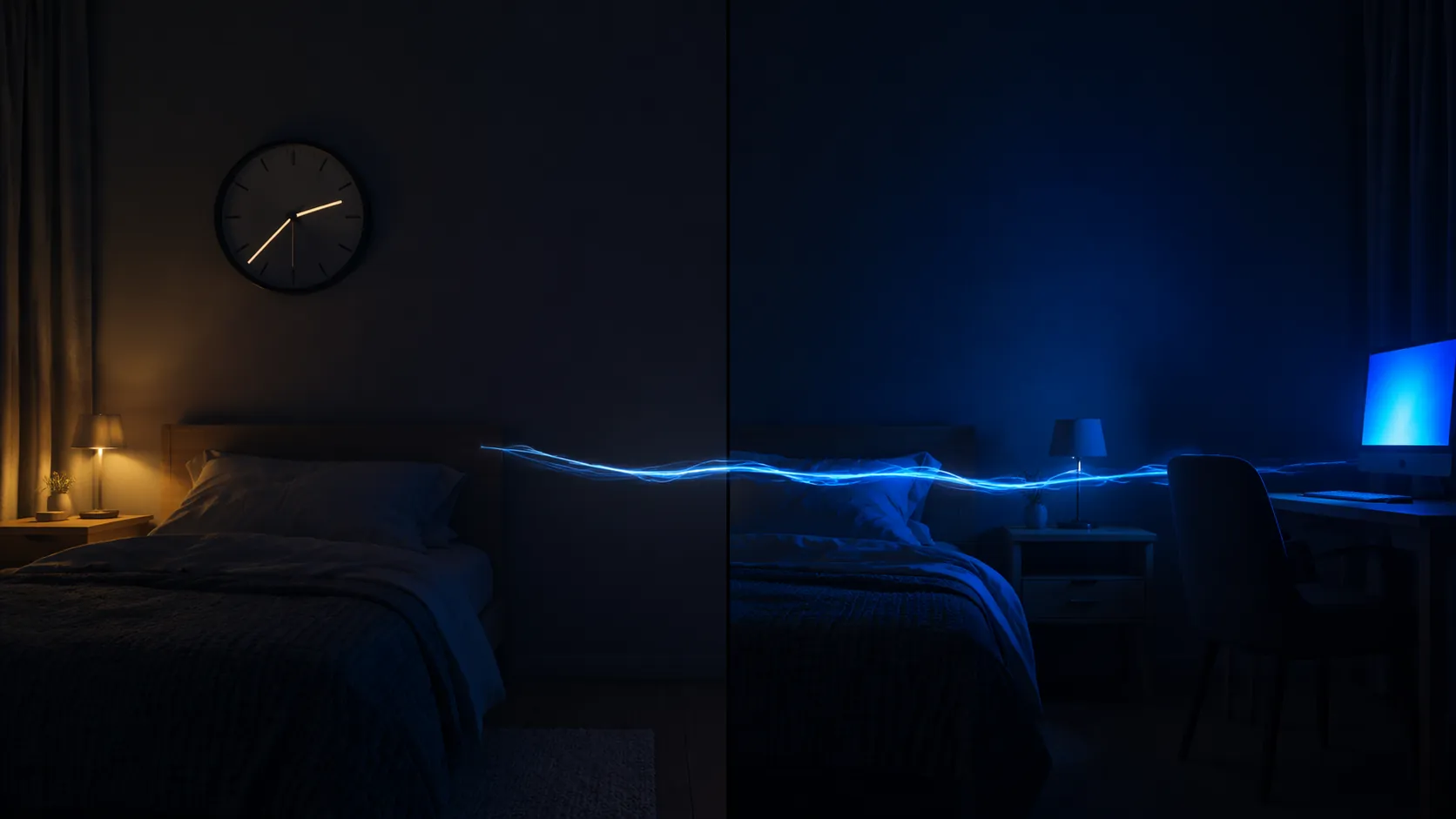
Why does LGS affect the whole family’s sleep?
LGS is associated with seizures that can happen during sleep, and that changes what “going to bed” means for everyone nearby. In the Rare Epilepsy Network caregiver sleep study by Hesdorffer and colleagues, 69.3% of children had nocturnal seizures, 48.8% had frequent night awakenings, and 83% of caregivers used at least one nighttime monitoring method.[2] The study included 742 caregivers of children with rare epilepsy syndromes, including 103 with LGS, so its monitoring odds ratios should be read as rare-epilepsy caregiver data rather than LGS-only data.
That distinction matters, but it does not make the findings abstract. A caregiver who sleeps beside a child or adult to detect seizures is not simply “anxious.” A parent who wakes repeatedly to check breathing is not practicing bad sleep hygiene. These are reasonable responses to a disorder in which the night can include real medical events.
The person with LGS also carries a sleep burden that can feed back into daytime functioning. A 2025 scoping review reported that reduced REM sleep in LGS is associated with cognitive decline, impaired learning and memory, and poor emotional regulation.[3] For families already managing intellectual disability, behavior changes, seizures, medications, school needs, appointments, and overnight supervision, poor sleep is not a side topic. It can make the next day harder before it begins.
Why can monitoring make caregiver sleep worse?
The hard part is that the same behaviors that help caregivers feel safer at night are associated with worse caregiver sleep. In the Hesdorffer study, co-sleeping was associated with higher odds of caregiver sleep disturbance, with an adjusted odds ratio of 2.8. Audio monitor use was also associated with higher odds of sleep disturbance, with an adjusted odds ratio of 3.1. Frequent checking was associated with fatigue, with an adjusted odds ratio of 5.3.[2]
| Nighttime response | Why families use it | What the caregiver data show |
|---|---|---|
| Co-sleeping | Keeps the caregiver close enough to notice movement, breathing changes, or a seizure quickly | Associated with higher odds of caregiver sleep disturbance in the pooled rare epilepsy caregiver cohort |
| Audio monitoring | Lets the caregiver hear sounds from another room without staying physically beside the person all night | Associated with higher odds of caregiver sleep disturbance in the pooled rare epilepsy caregiver cohort |
| Frequent night checks | Creates reassurance when seizures, breathing, or positioning feel uncertain | Associated with fatigue in the pooled rare epilepsy caregiver cohort |
This is the monitoring dilemma. Co-sleeping can shorten the distance between seizure and response, but it can also keep the caregiver’s brain in a lighter, scanning state. An audio monitor can reduce the need to sit in the room, but it can turn every rustle into a possible alarm. Frequent checks may calm the caregiver for a few minutes, then restart the clock until the next check.
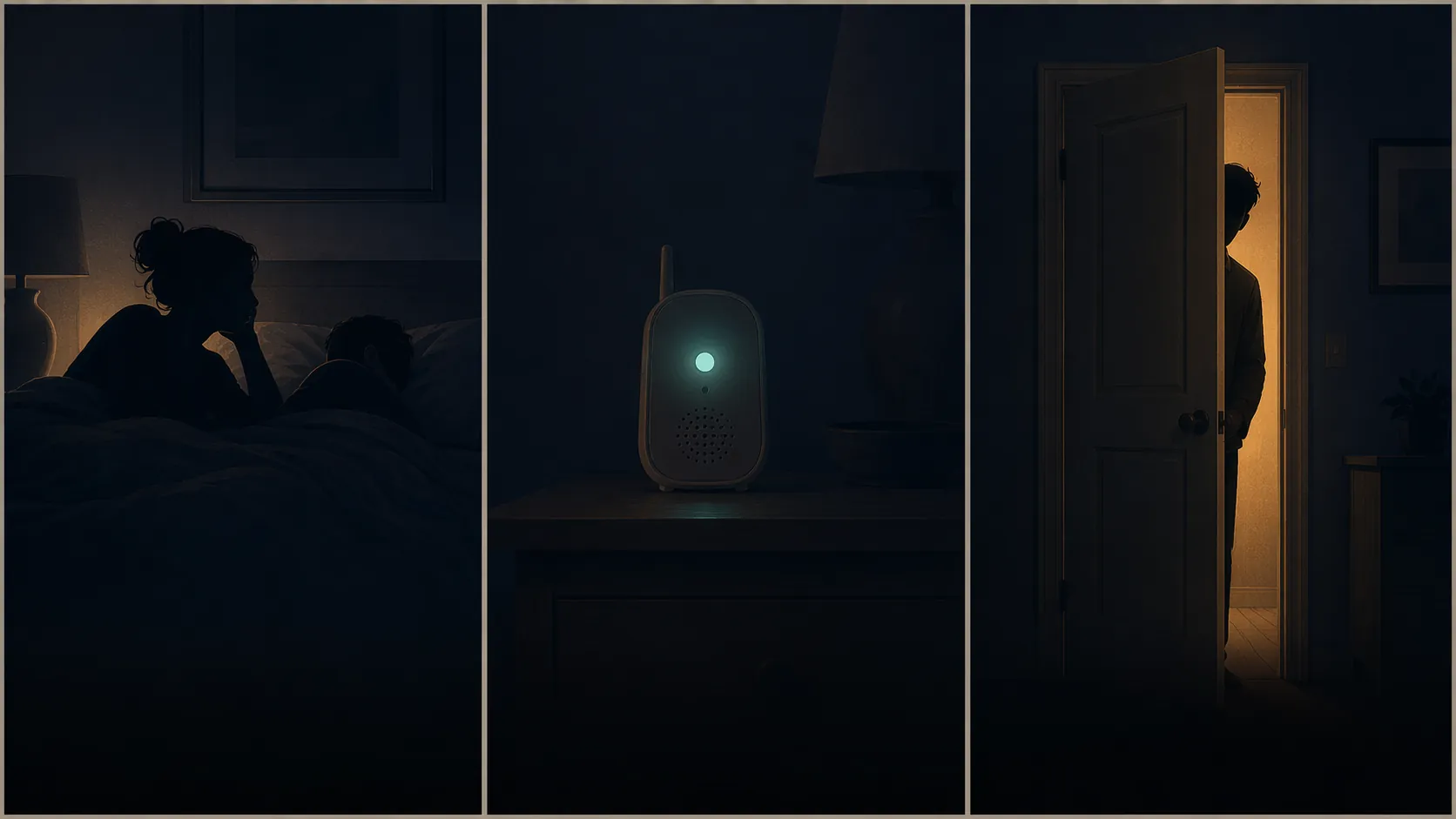
None of this means caregivers should simply stop monitoring. For many families, co-sleeping is the only available system that feels remotely safe. For others, separate rooms are possible only after environmental changes, equipment decisions, medication adjustments, or another adult sharing the night. Advice that starts with “sleep in another room” often skips the reason the caregiver is awake in the first place.
The more useful clinical question is narrower and more practical: which parts of the night truly require a human body awake and listening, and which parts can be shifted into predictable layers?
Do seizure fears make sleep advice different in LGS?
Yes. Families affected by LGS may carry fear of injury, prolonged seizures, breathing changes, and sudden unexpected death in epilepsy, or SUDEP. A Rare Disease Advisor report discussing adults with LGS noted concern about links between sleep disturbances and premature death, including SUDEP framing.[4] That does not mean every bad night predicts catastrophe. It does mean nighttime fear is not imaginary.
This is where generic sleep guidance can land badly. A caregiver may know that a dark room, a regular bedtime, and fewer awakenings would help. The problem is not ignorance. The problem is that the caregiver may be the alarm system, the first responder, and the person expected to function the next morning.
Can devices solve the monitoring problem?
Devices can be part of a nighttime system, but they should not be sold to LGS families as if they remove the problem. In a 2025 pilot study reported by Neurology Advisor, caregivers ranked the Apple Watch as the most preferred sleep assessment tool, with a mean rank of 1.6, ahead of WatchPAT at 3.3 and polysomnogram at 4.1.[5] That finding says something important about acceptability: families may prefer a familiar, less disruptive wearable over equipment that feels more medical or cumbersome.
It does not prove that an Apple Watch, or any consumer wearable, detects LGS seizures accurately. Preference is not validation. A device that a child tolerates may still miss events, over-alert, or measure sleep in ways that do not match clinical sleep testing. Families comparing options may find it useful to read more about how to choose a sleep monitoring device and the limits of smart sleep device accuracy and efficacy before treating a wearable as a safety plan.
A more honest role for devices is modest but still valuable: they may help some caregivers move from constant listening to targeted alerts, from memory-based reporting to better sleep and seizure logs, or from all-night co-sleeping to a trial of layered monitoring. Whether that is safe depends on the person’s seizure type, mobility, breathing concerns, injury risk, medication plan, and what the device actually measures.
What can be changed tonight?
The first changes should reduce preventable danger without pretending that all risk can be eliminated. In practical terms, that usually means looking at the sleep environment before asking the caregiver to be more disciplined about sleep.
- Clear the area around the bed or sleep space so a nighttime seizure is less likely to lead to a hard impact.
- Review whether the mattress height, bed rails, floor padding, pillows, cords, furniture edges, and nearby objects increase injury risk.
- Place rescue medication, written seizure instructions, a charged phone, and emergency contacts where the overnight caregiver can reach them without searching.
- Decide in advance which events require intervention, which require documentation, and which can be observed without fully waking the household.
- If more than one adult is available, assign a defined monitoring shift rather than letting one person remain half-awake all night by default.
Bedroom safety is not cosmetic in this setting. It can be one of the few ways to move safety work out of the caregiver’s nervous system and into the room itself. Families who need a more detailed walkthrough can use What Bedroom Changes Improve Sleep Safety for Epilepsy? as a starting point for an individualized discussion with the care team.
What can be changed this month?
A month is long enough to test a system, not just a tip. The goal is to make the night more predictable: fewer improvised checks, fewer decisions made in panic, and fewer hours in which one exhausted person is responsible for noticing everything.
- Bring a sleep-and-seizure log to neurology, including bedtime, awakenings, nocturnal seizures, rescue medication use, naps, and caregiver awakenings.
- Ask which nighttime events are most clinically important to detect and which monitoring methods match those events.
- Trial one environmental change and one monitoring change at a time, so the family can tell what helps and what creates more alarms.
- Build scheduled respite into the calendar before the caregiver reaches crisis, even if it starts as one protected morning or one covered shift.
- Adapt sleep routines to the person’s developmental level, sensory needs, medications, and communication style rather than using generic sleep hygiene rules.
For a person with intellectual disability, a sleep routine may need more visual cues, a longer transition, fewer sensory triggers, and more consistency from caregivers. It may also need medical review if awakenings cluster around medication timing, reflux, pain, breathing symptoms, or seizure patterns. The caregiver’s sleep log belongs in that conversation, too.
Some families also need to think about the epilepsy-sleep cycle more broadly: poor sleep may worsen seizure vulnerability, while seizures and monitoring fragment sleep again. For general epilepsy guidance, How to Break the Epilepsy-Sleep Cycle can help frame the pattern, while the LGS care team can decide what applies to the individual person.
When should caregiver health become part of clinical care?
Earlier than many families are invited to mention it. In the Hesdorffer study, caregiver anxiety and depression were each associated with fatigue, both with adjusted odds ratios of 6.0 in the pooled rare epilepsy caregiver cohort. Companionship and child cognition were protective factors, with adjusted odds ratios of 0.3 and 0.1, respectively.[2] These findings do not say that anxiety or depression are personal failings. They show that caregiver fatigue is tied to emotional health and social conditions, not only to hours slept.
A caregiver who dreads the night, startles at every sound, cannot return to sleep after checking, or feels trapped between fear and exhaustion is describing clinically relevant information. That information can affect seizure documentation, medication adherence, emergency decisions, family functioning, and the caregiver’s own health.
It is reasonable to ask the neurology team, primary care clinician, or social worker direct questions: Who is responsible for overnight monitoring? How many times does that person wake? Is anxiety driving extra checks? Is depression making recovery harder? Is respite available through family, community services, nursing support, disability programs, or palliative care resources? What caregiver sleep deprivation does to your body and mind is not separate from the LGS care plan; it is part of whether the plan can continue.
Families sometimes minimize this because the person with LGS has the more visible medical diagnosis. Clinicians sometimes minimize it because they are trying to cover seizures, medications, development, equipment, school, and safety in a short visit. Still, caregiver sleep and mental health deserve to be named before the household is running on emergency reserves.
How do families move from vigilance to a layered night?
A layered night does not mean a perfect night. It means the caregiver is not the only layer. The room is safer. The monitoring method has a defined purpose. The care team has said which events matter most. Rescue steps are written down. Another person, service, or scheduled respite period covers some portion of the load when possible.
For one family, that may still include co-sleeping, but with safer bedding, clearer rescue instructions, and one protected recovery window each week. For another, it may mean moving from an audio monitor that wakes the caregiver constantly to a more specific monitoring setup after clinician review. For another, it may mean keeping the same monitoring arrangement but finally treating caregiver anxiety or depression as part of the medical picture.
The point is not to eliminate all nighttime risk, and it is not to prove that one device can solve sleep issues in Lennox-Gastaut syndrome. The point is to reduce the amount of safety work carried by one exhausted caregiver alone. In LGS, protecting caregiver sleep is not a private endurance project. It is part of making the night safer and more sustainable for the whole household.
References
- Dreaming of Better Sleep with LGS — LGS Foundation
- Factors Associated with Caregiver Sleep Quality Related to Children with Rare Epilepsy Syndromes — Hesdorffer et al., J Pediatr X, 2020
- Sleep in Lennox–Gastaut Syndrome: A Scoping Review — MDPI Children, 2025
- Sleep Disturbances May Be Linked to Premature Death in Adults With LGS — Rare Disease Advisor
- Which Sleep Tools Are Preferred for Children With Lennox-Gastaut Syndrome? — Neurology Advisor, 2025
Read the full guide: Why Heat Disrupts Your Sleep and What to Do About It