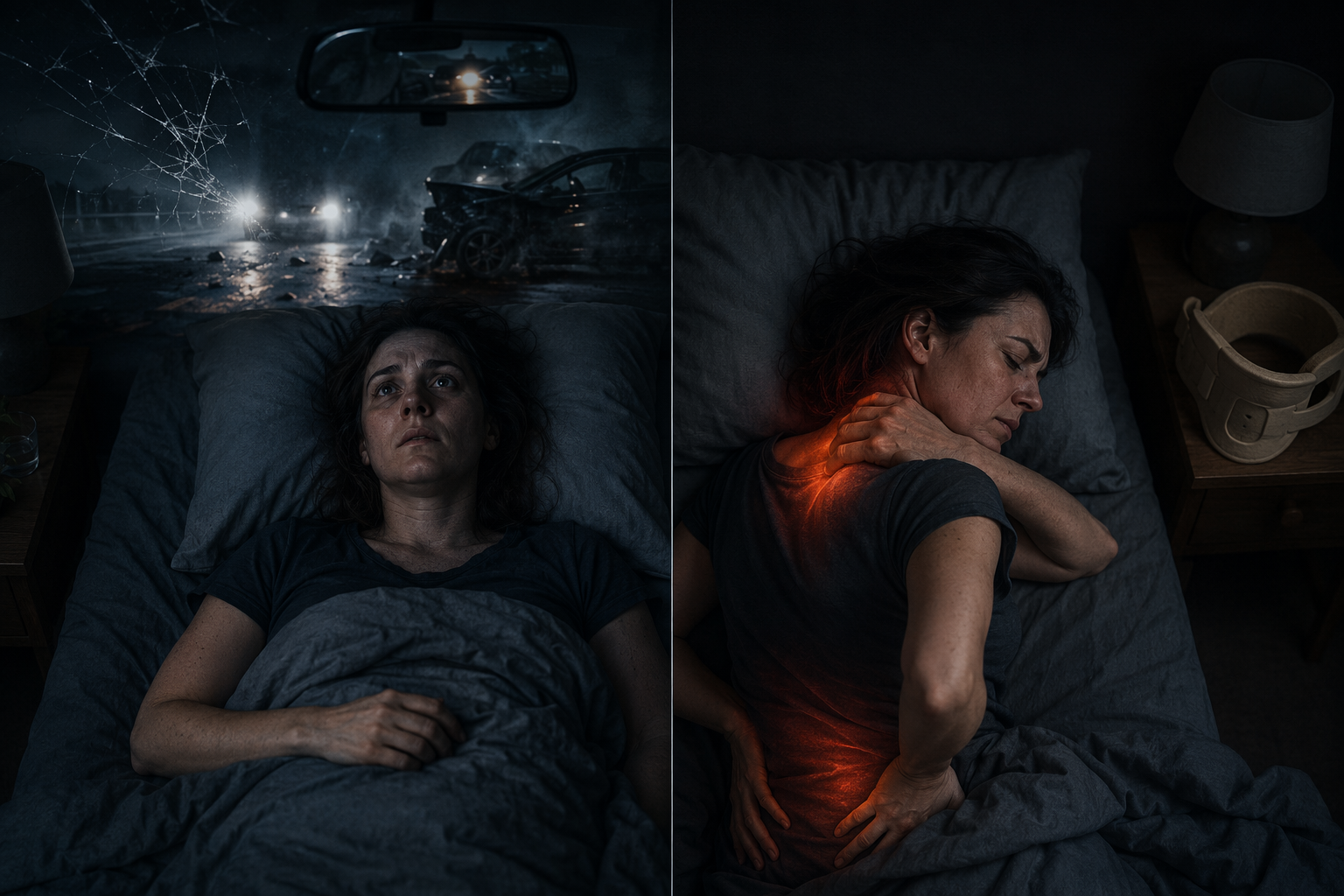
Why You Can't Sleep After a Car Accident
Learn why car accidents often cause insomnia and nightmares through both psychological trauma and physical injury, and discover clinical red flags that signal when it's time to seek help.
Life Stages / Pregnancy
Trimester-aware sleep guidance built for a reader who is trying to avoid a mistake, not browsing for interest.
Informational only — this is not a substitute for your OB. For a time-sensitive question, contact your clinician directly.
Learn why car accidents often cause insomnia and nightmares through both psychological trauma and physical injury, and discover clinical red flags that signal when it's time to seek help.
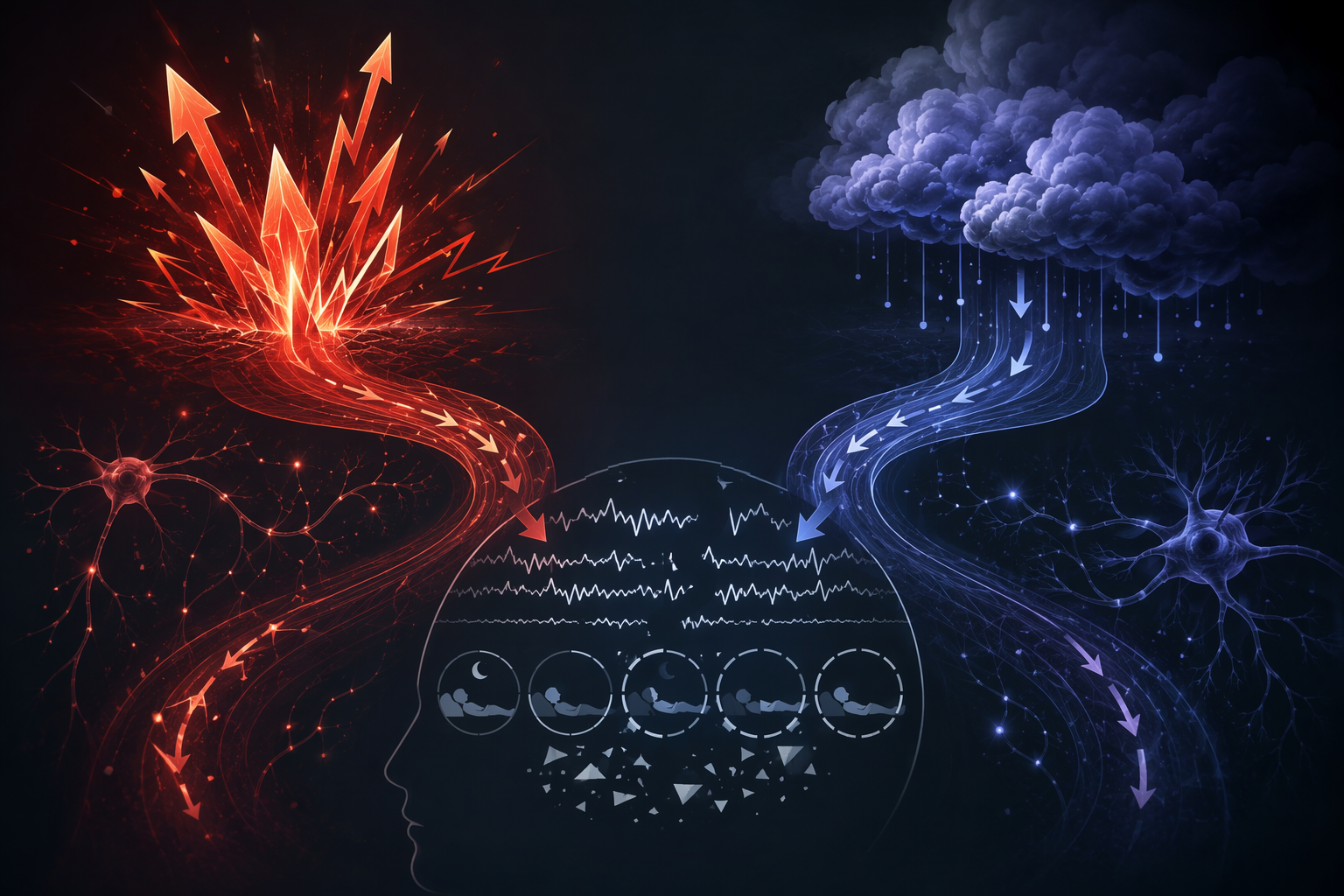
Cocaine and fentanyl work through opposite mechanisms on alertness, yet both severely reduce restorative slow-wave and REM sleep. This article explains the science behind this paradox and what recovery looks like for people working to regain healthy sleep during abstinence.
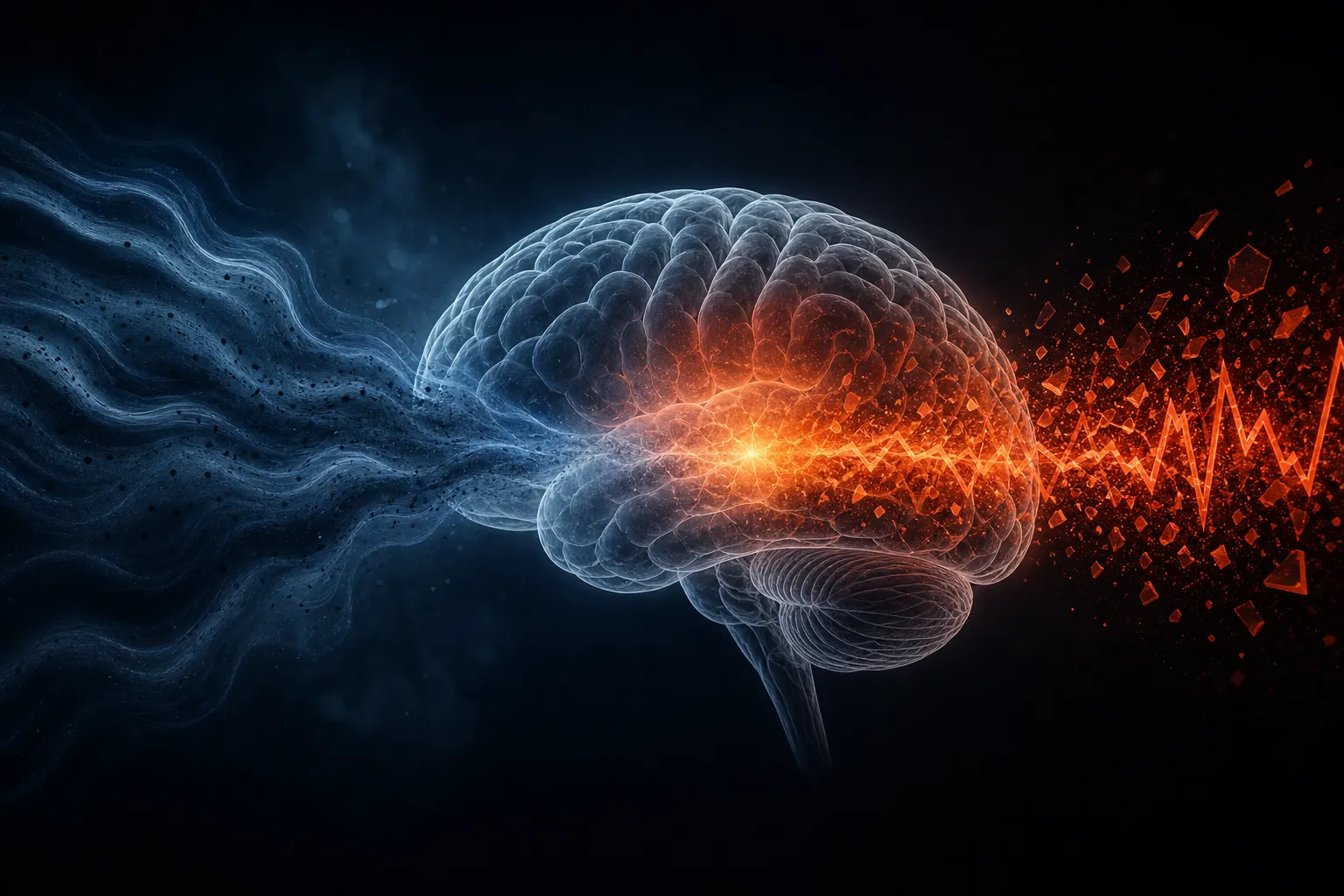
Having both depression and insomnia may substantially increase dementia risk beyond the risk of either condition alone. This article explains the combined risk from recent research and what you can do about it.
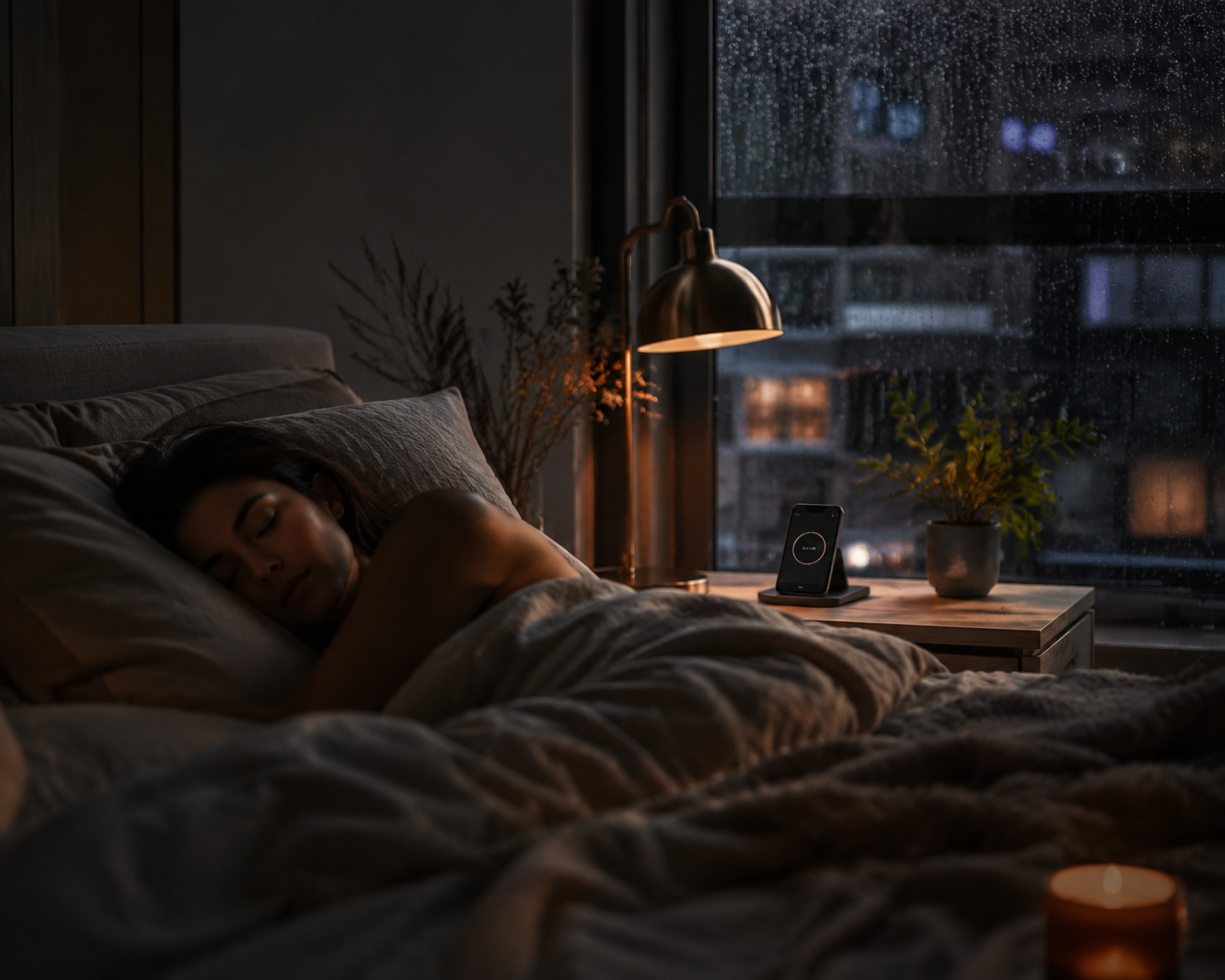
Heavy rain noise can improve sleep onset and perceived quality through auditory masking and parasympathetic activation, but a 2026 Penn Medicine study found continuous pink noise reduced REM sleep by about 19 minutes per night. This article examines the evidence and provides practical guidance for using rain sounds as a timed sleep-onset tool.
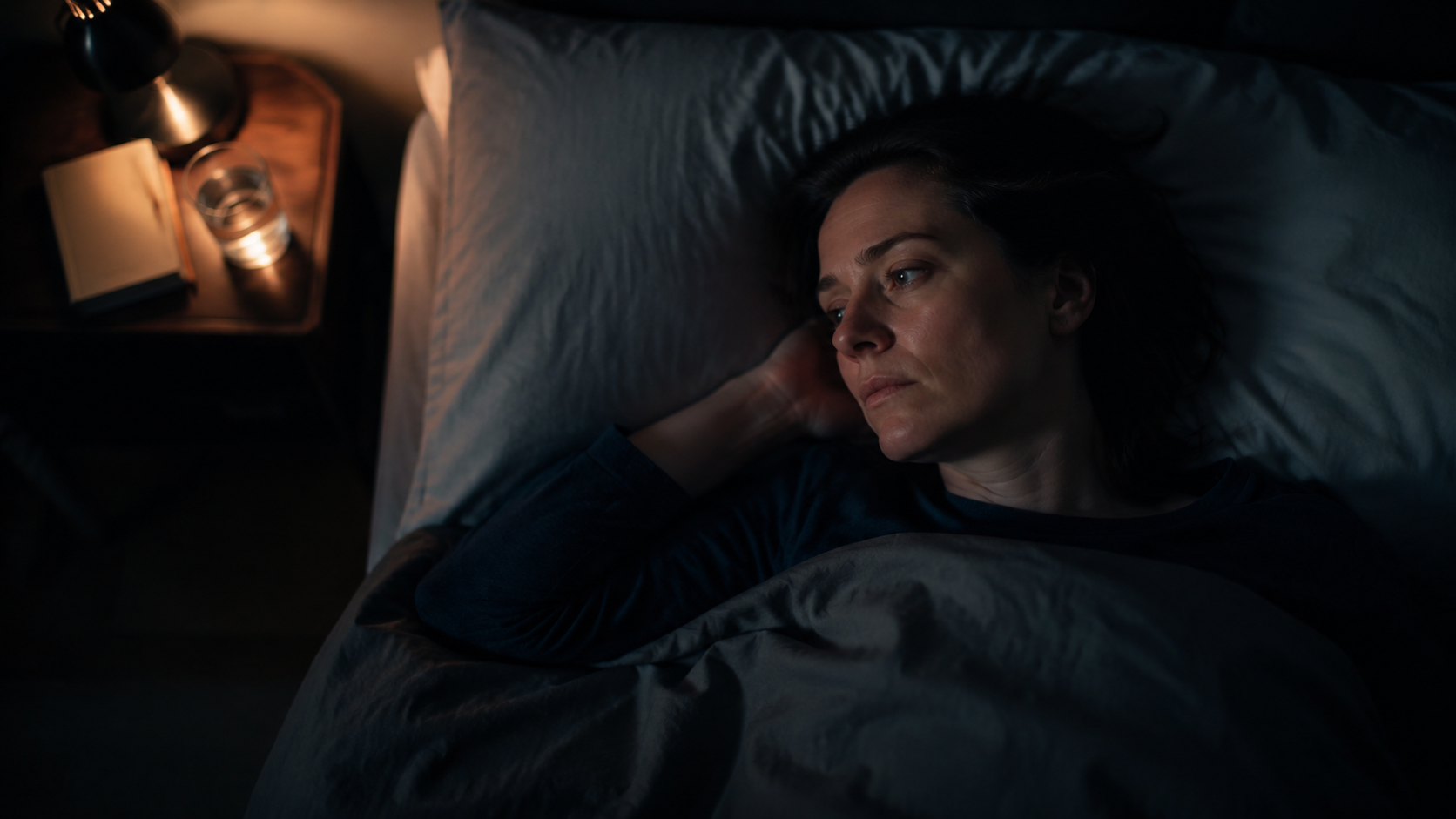
Grief and sleep share a bidirectional relationship that can create a difficult cycle. This article explains the neurobiology behind sleep disruption after loss and offers evidence-based strategies for breaking the cycle, with sleep identified as the most actionable entry point.
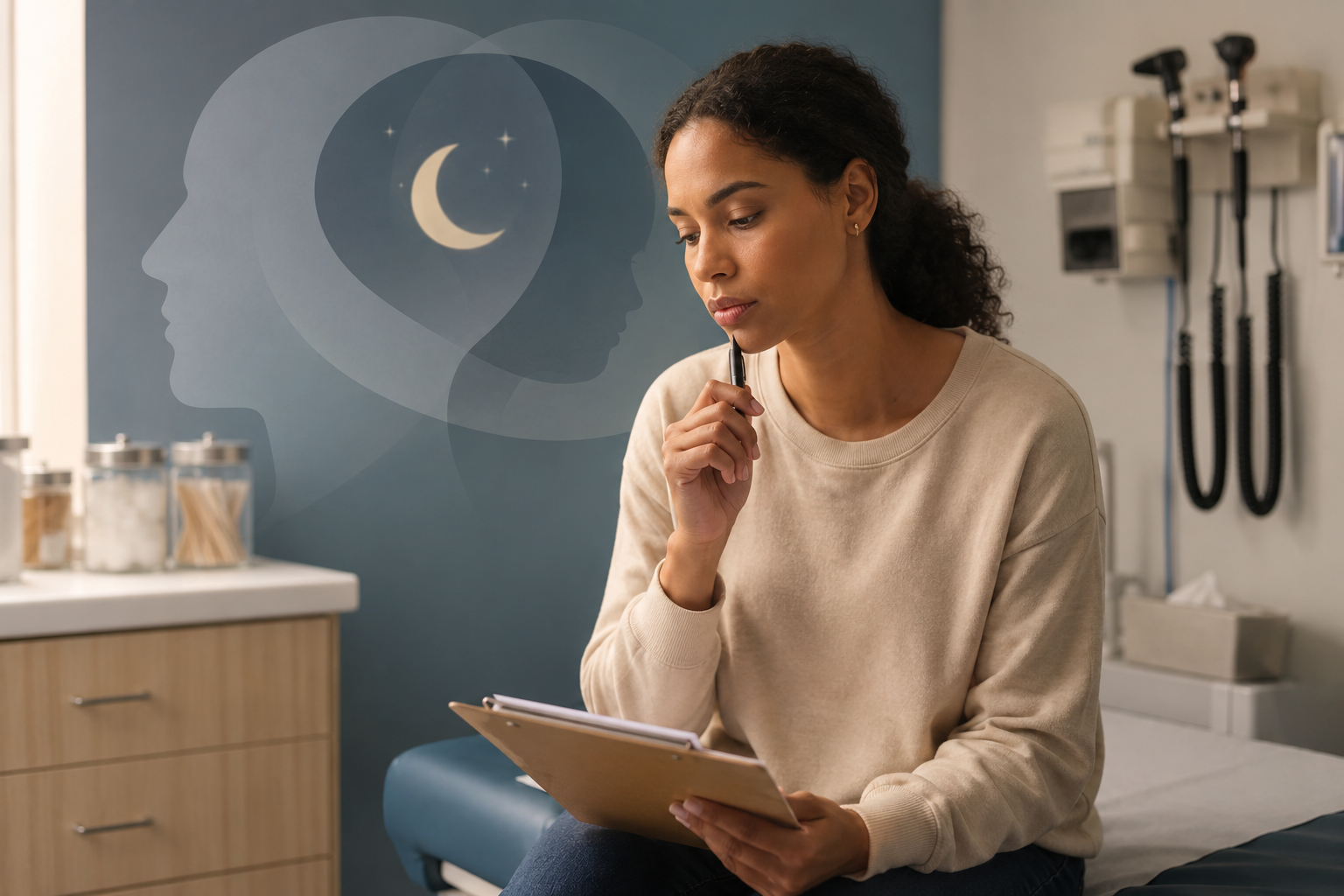
Mental health screenings like the PHQ-9 and GAD-7 can identify sleep problems and guide treatment that measurably improves sleep quality. Learn how the screening-to-treatment pathway works and what the research shows.
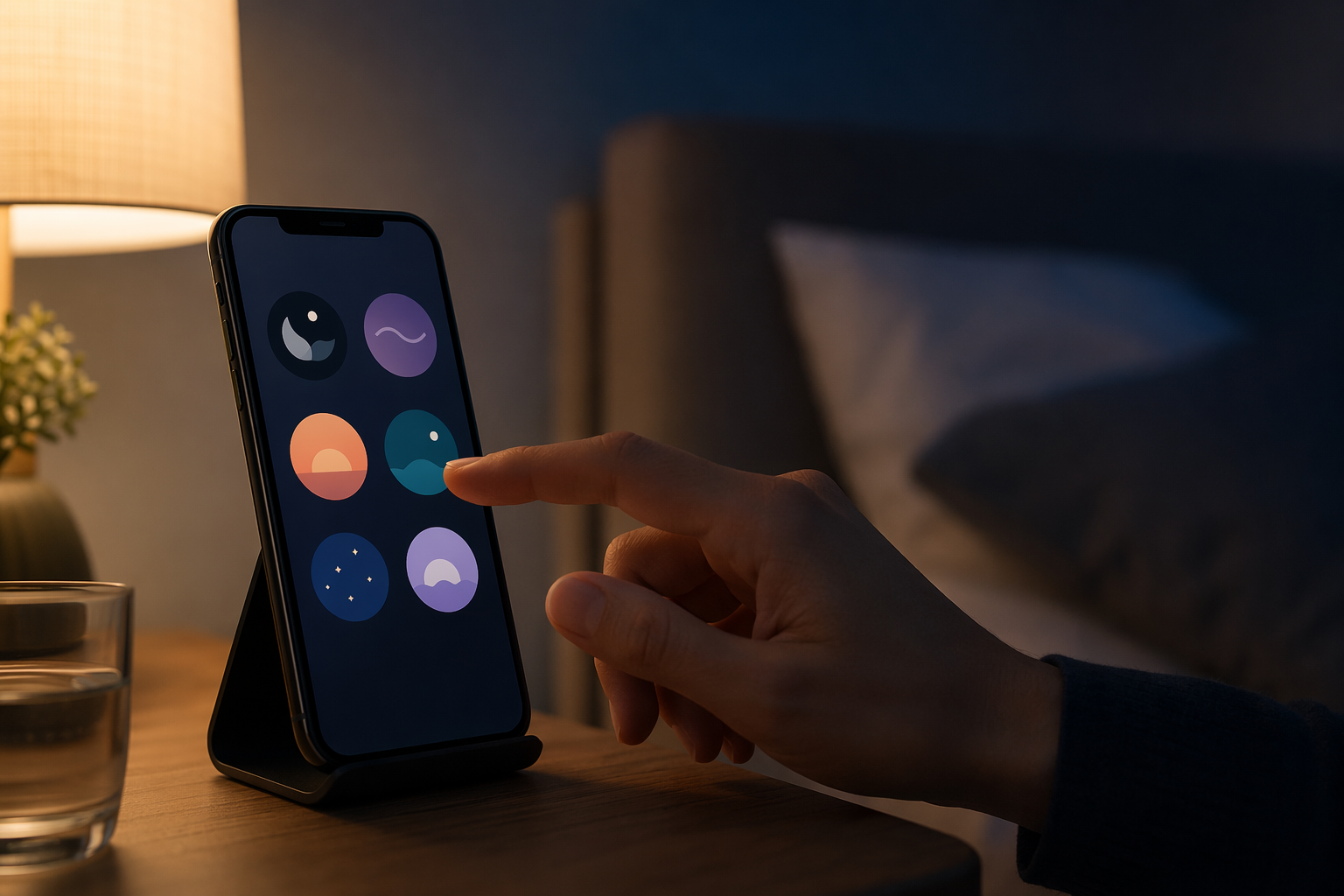
Not all digital CBT-I platforms are equivalent. This evidence-anchored comparison helps adults with chronic insomnia evaluate apps by protocol completeness, published RCT data, FDA clearance, coaching model, cost, and population exclusions.
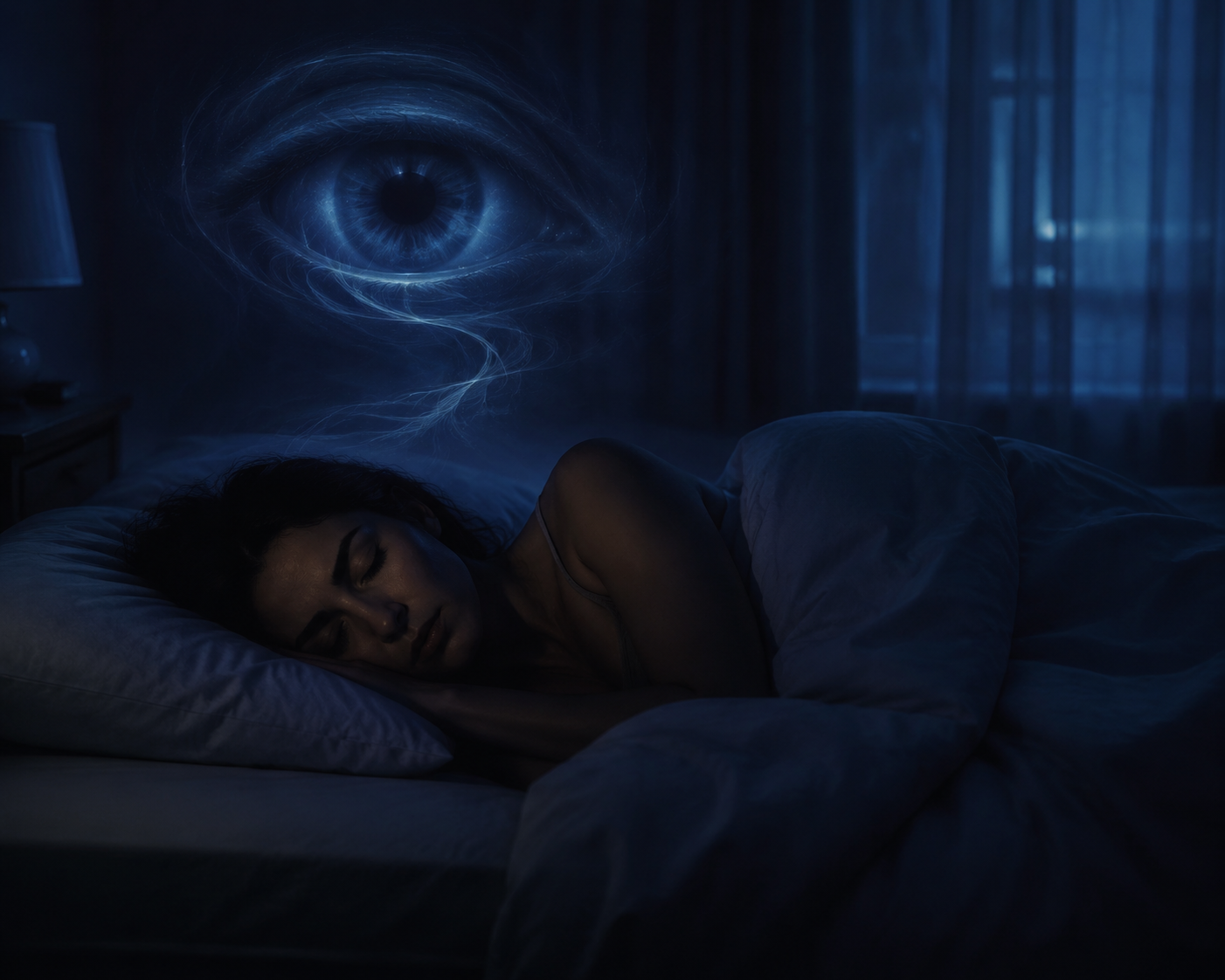
Feeling lonely doesn't always shorten your sleep—it fragments it. This article explains the hypervigilance mechanism that keeps the brain partially alert through the night, causing more micro-awakenings and less restorative rest even when total time in bed stays the same.

Explains the regulatory gap between natural sleep supplements and FDA-approved sleep aids, helping readers understand why 'natural' does not guarantee safety or accurate dosing.
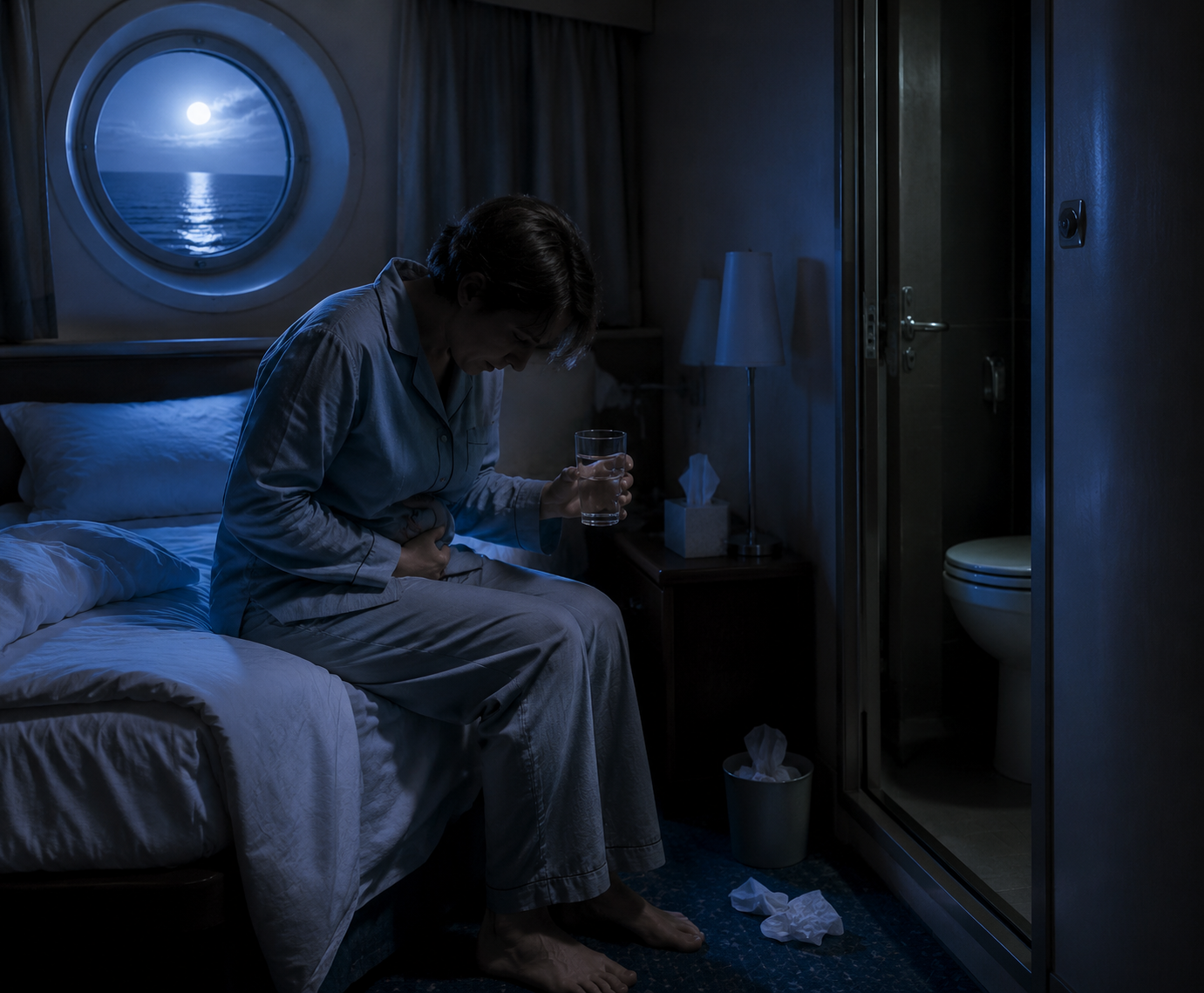
Learn why norovirus disrupts sleep on a cruise through three distinct mechanisms and discover practical strategies for resting better while confined to your cabin.
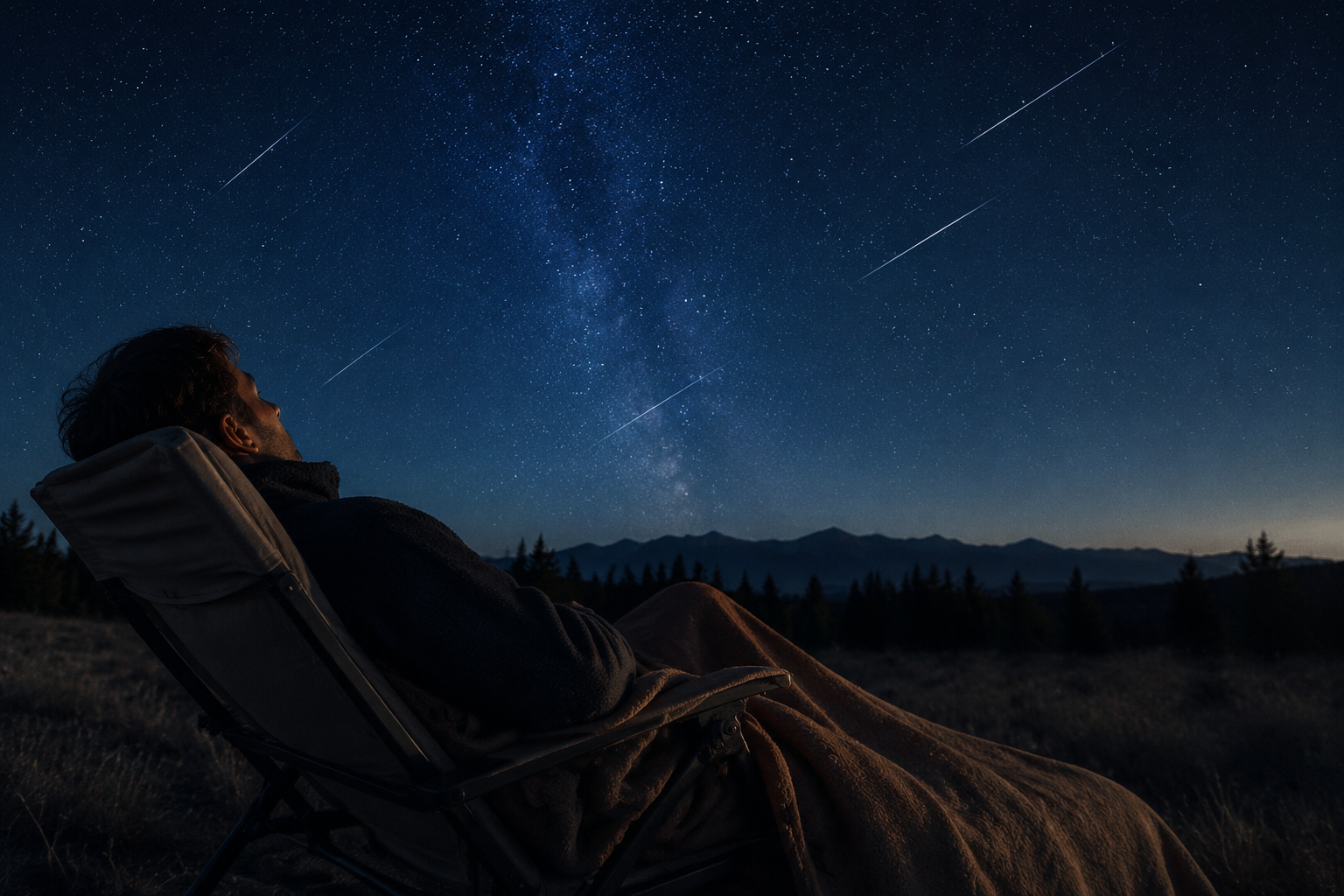
Your chronotype determines the best time to watch the Perseid meteor shower peak without wrecking your sleep. Learn how night owls, early birds, and intermediate types can plan their Aug 12–13 viewing window based on circadian science.
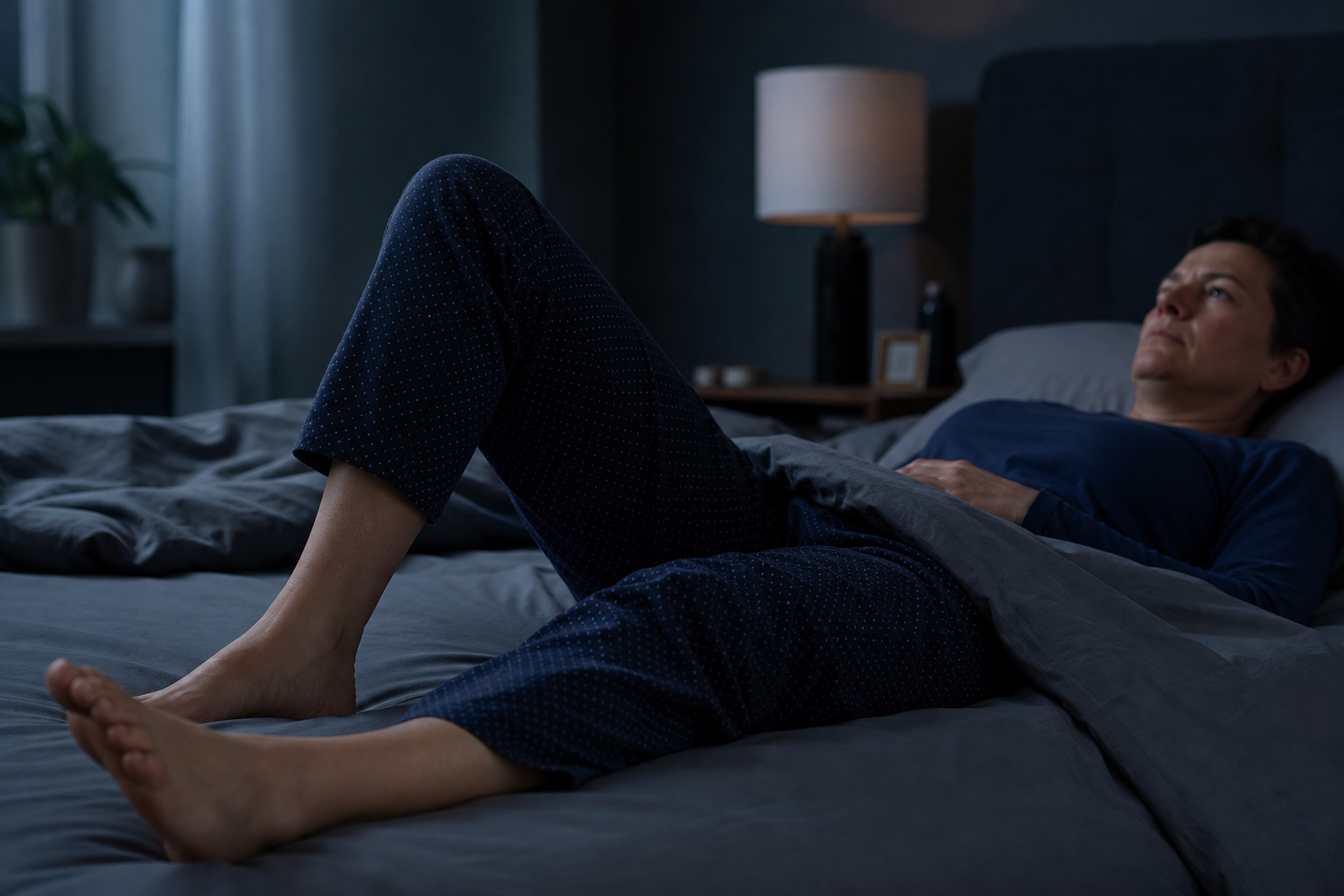
A comprehensive condition reference for adults experiencing nocturnal leg discomfort — covering the five IRLSSG diagnostic criteria, the brain iron-dopamine mechanism, and the 2025 AASM guideline reversal that moves gabapentinoids and iron supplementation to first-line while recommending against the long-standard dopamine agonists.