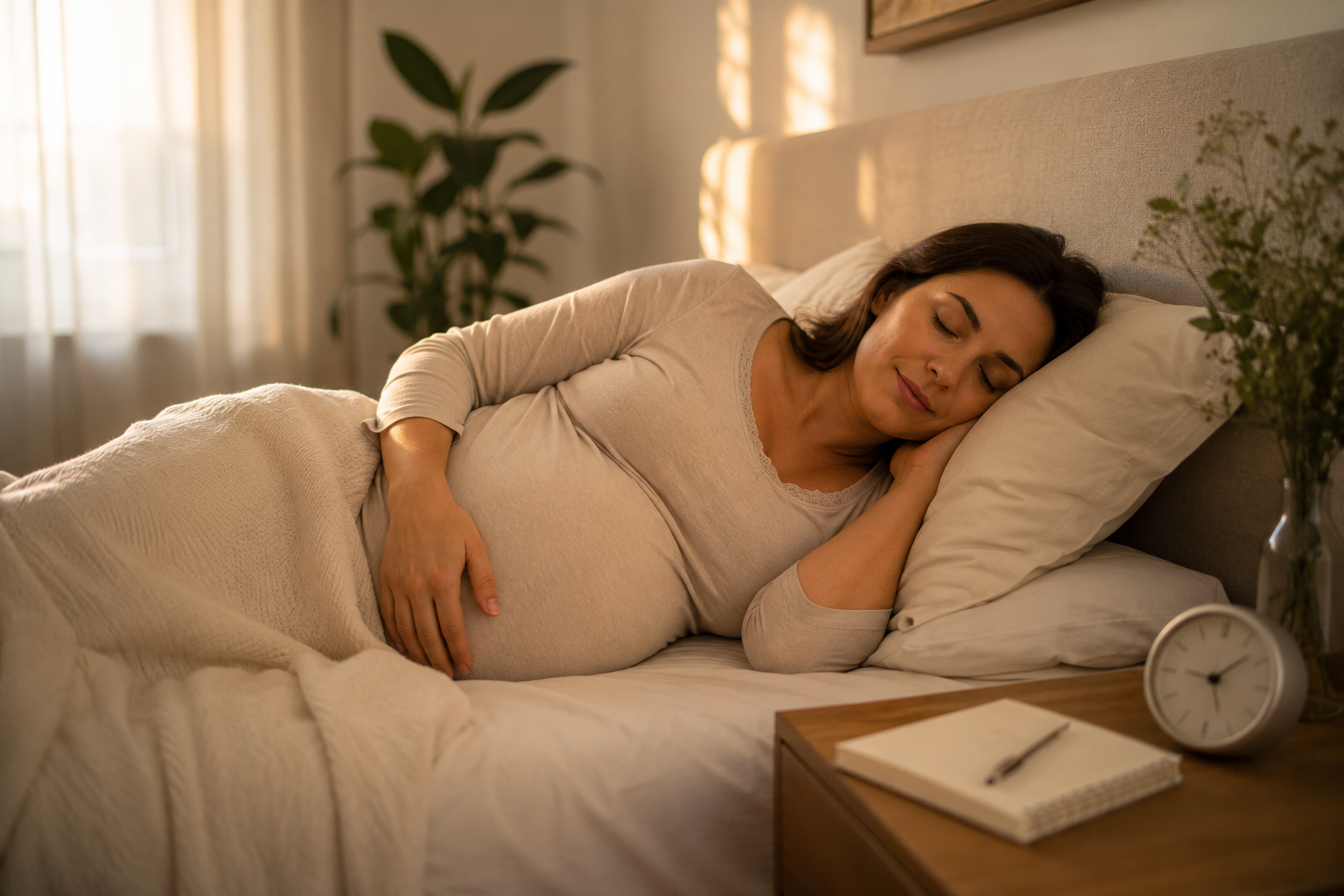
Can CBT-I Help With Insomnia During Pregnancy?
CBT-I is proven effective for pregnancy insomnia, with RCTs showing 44-64% remission rates. Learn how it works and how to access this safe, non-medication treatment during pregnancy.
Life Stages / Pregnancy
Trimester-aware sleep guidance built for a reader who is trying to avoid a mistake, not browsing for interest.
Informational only — this is not a substitute for your OB. For a time-sensitive question, contact your clinician directly.
CBT-I is proven effective for pregnancy insomnia, with RCTs showing 44-64% remission rates. Learn how it works and how to access this safe, non-medication treatment during pregnancy.
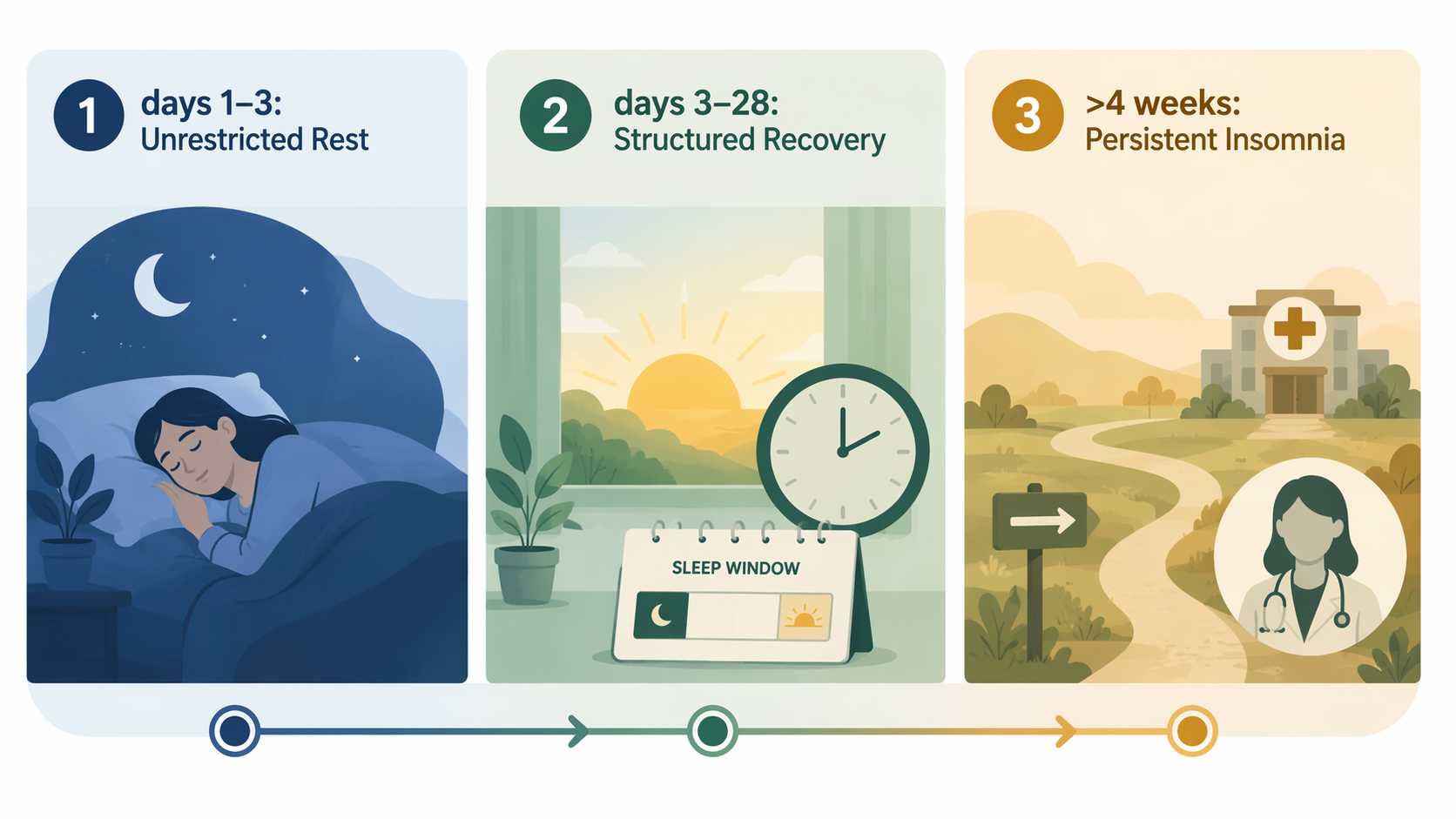
Discover a stage-based sleep protocol for concussion recovery, from the first 72 hours through full recovery. Learn when to rest freely, when to structure sleep, and when to seek specialist care for lasting insomnia.
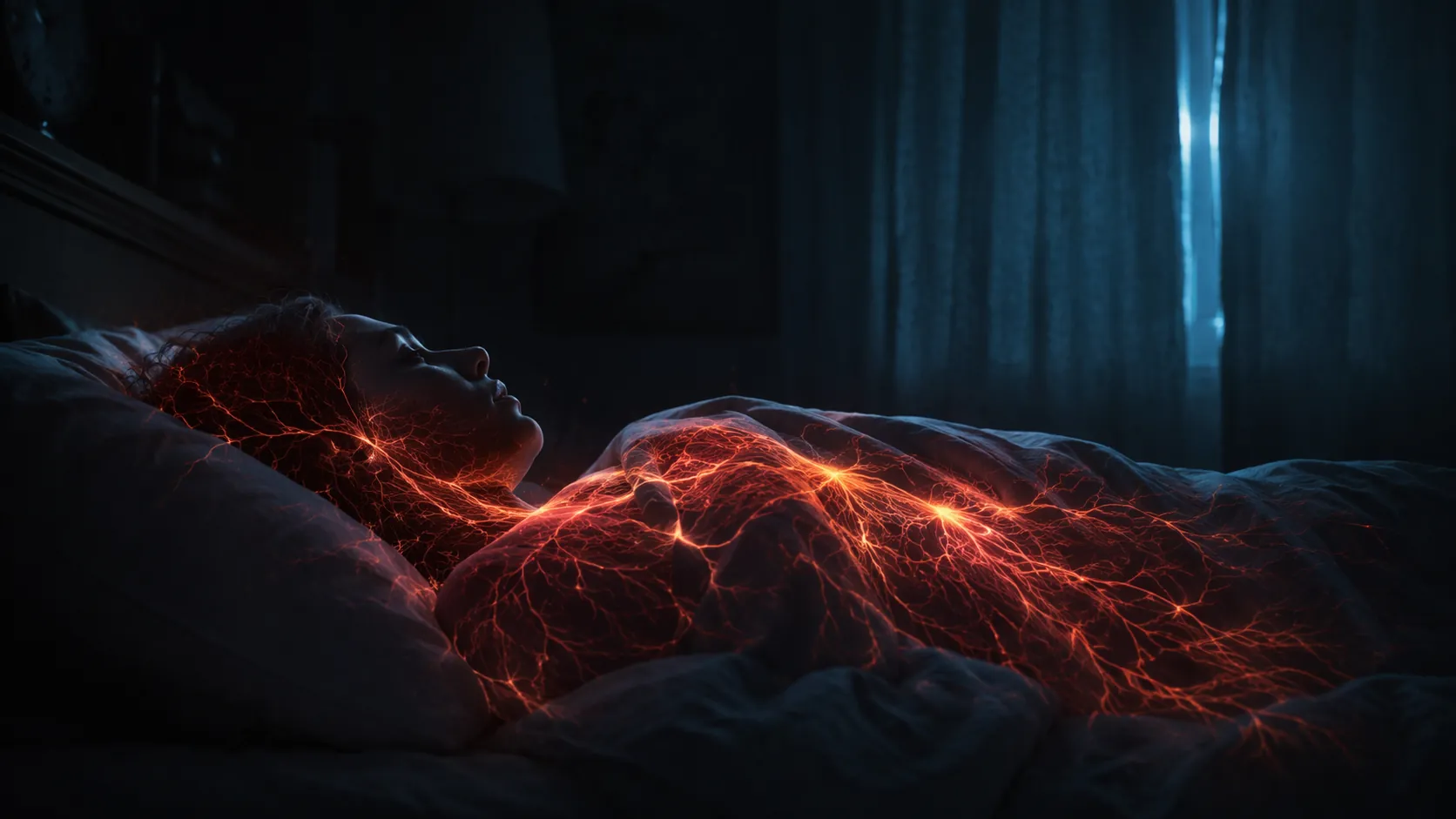
Earthquake anxiety disrupts sleep through a distinct neurobiological pathway involving hyperarousal and a specific fear of being unconscious. This article explains the brain science behind the cycle and why it persists without intervention.
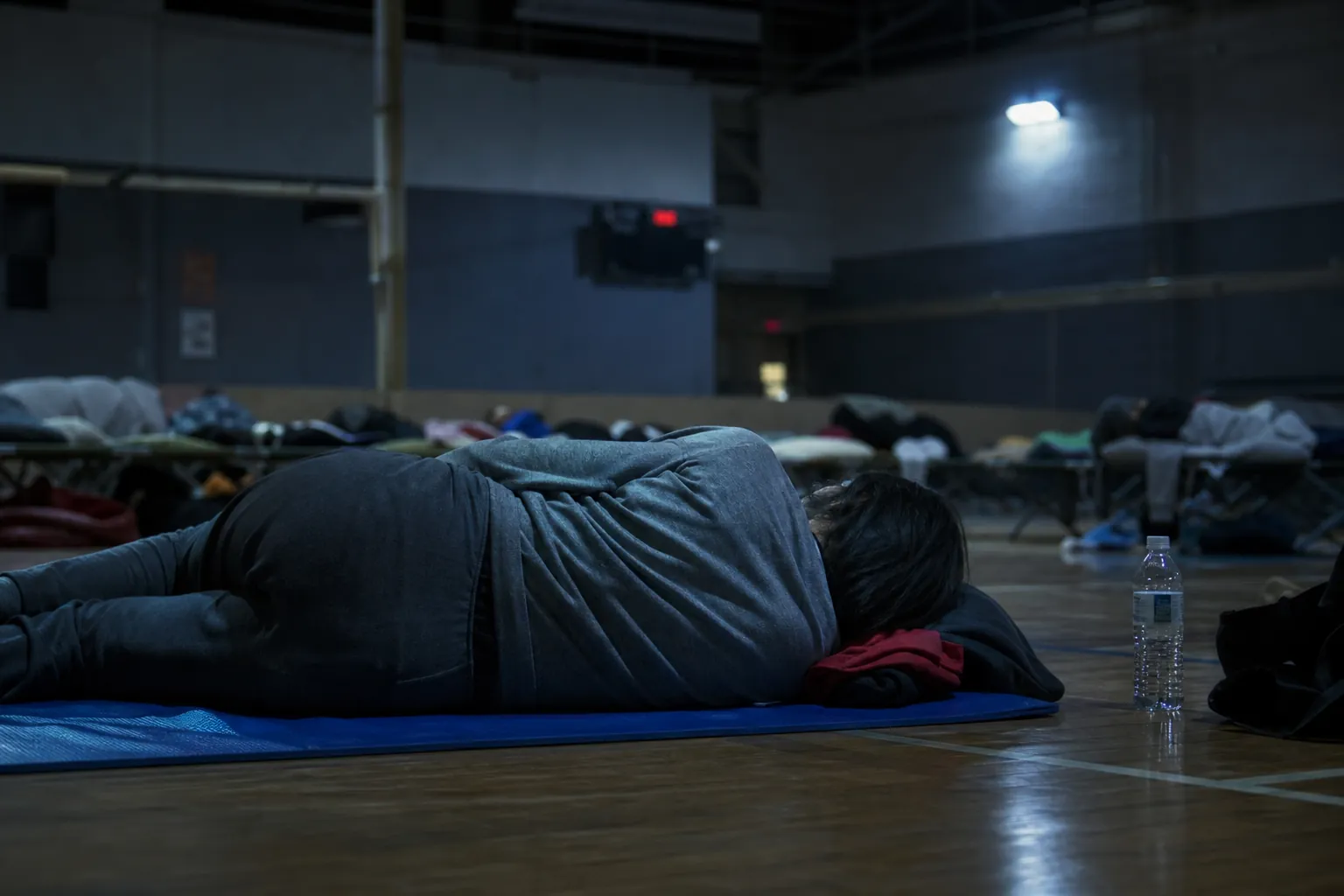
After a fire evacuation, poor sleep often continues even when you are physically safe. This article explains why environmental hardship and trauma-driven hyperarousal work together to keep you awake, and why neither resolves automatically.
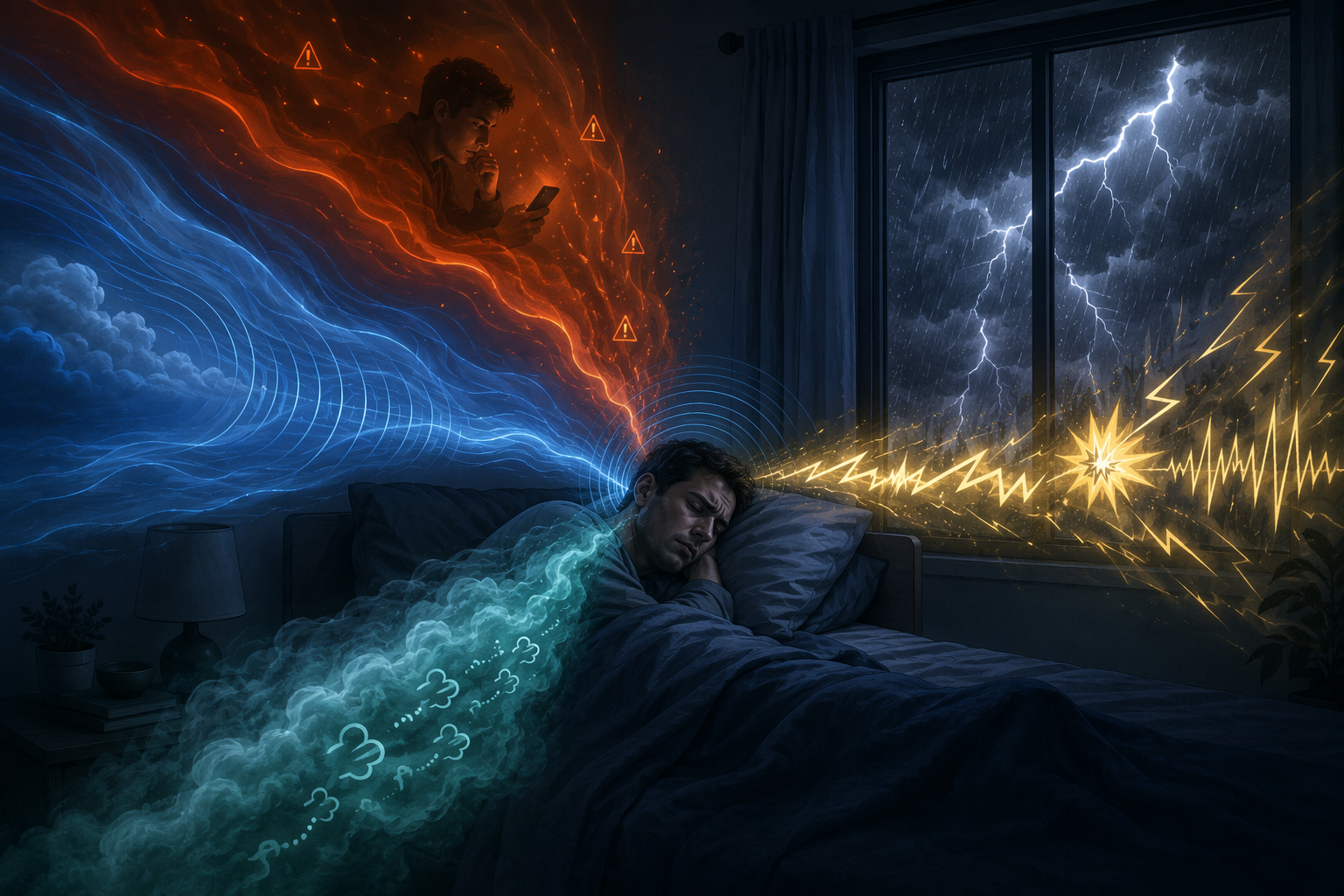
Tropical storms disrupt sleep through four distinct but interacting pathways: barometric pressure changes, pre-storm anxiety, environmental noise and light, and humidity-increased breathing effort. Understanding which mechanism affects you most can help you choose targeted solutions beyond generic sleep hygiene.
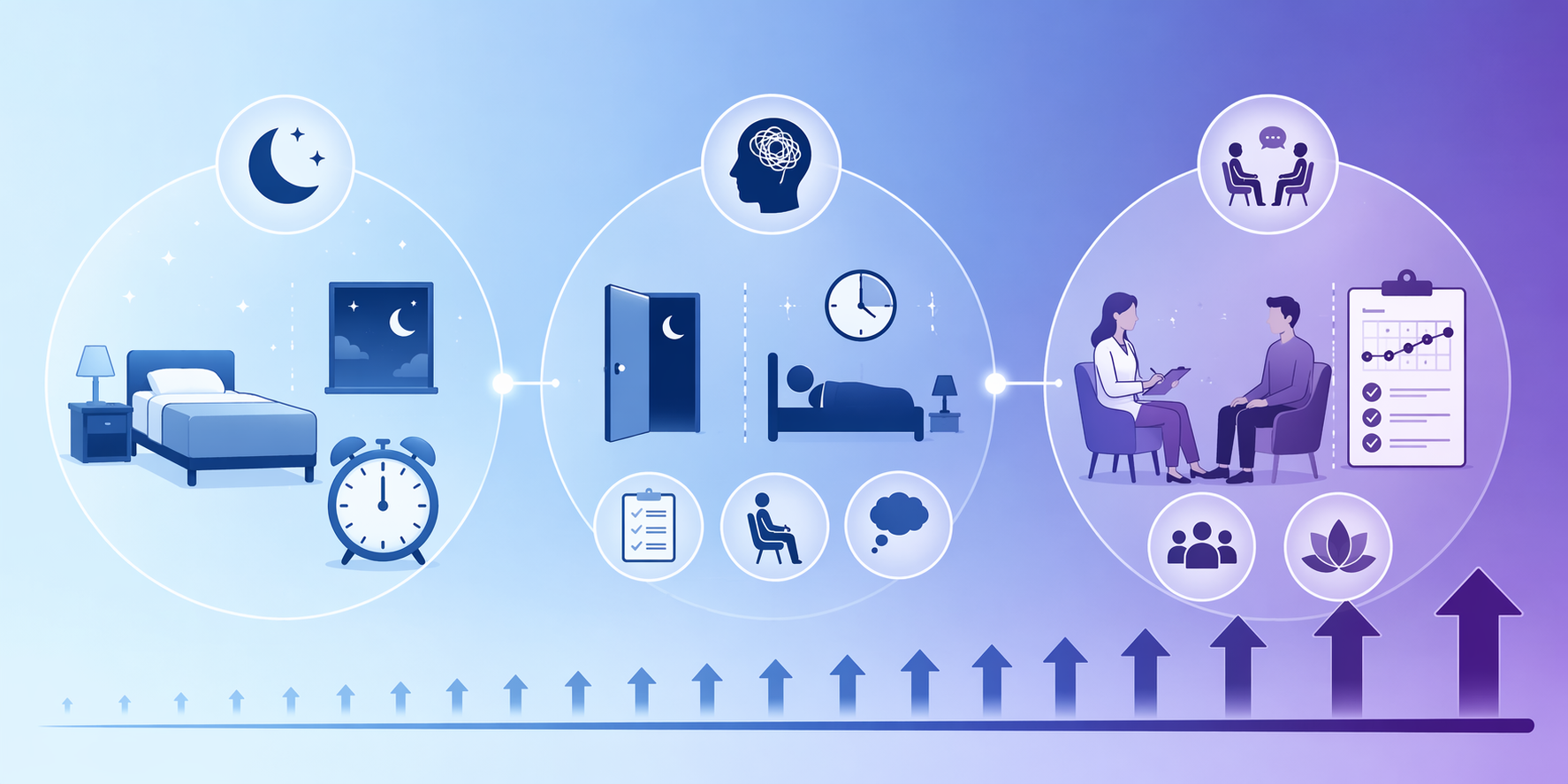
This article provides a structured triage framework to help you match your insomnia self-care approach to your symptom severity and duration, and identifies clear criteria for when self-care alone is insufficient and professional evaluation is warranted.
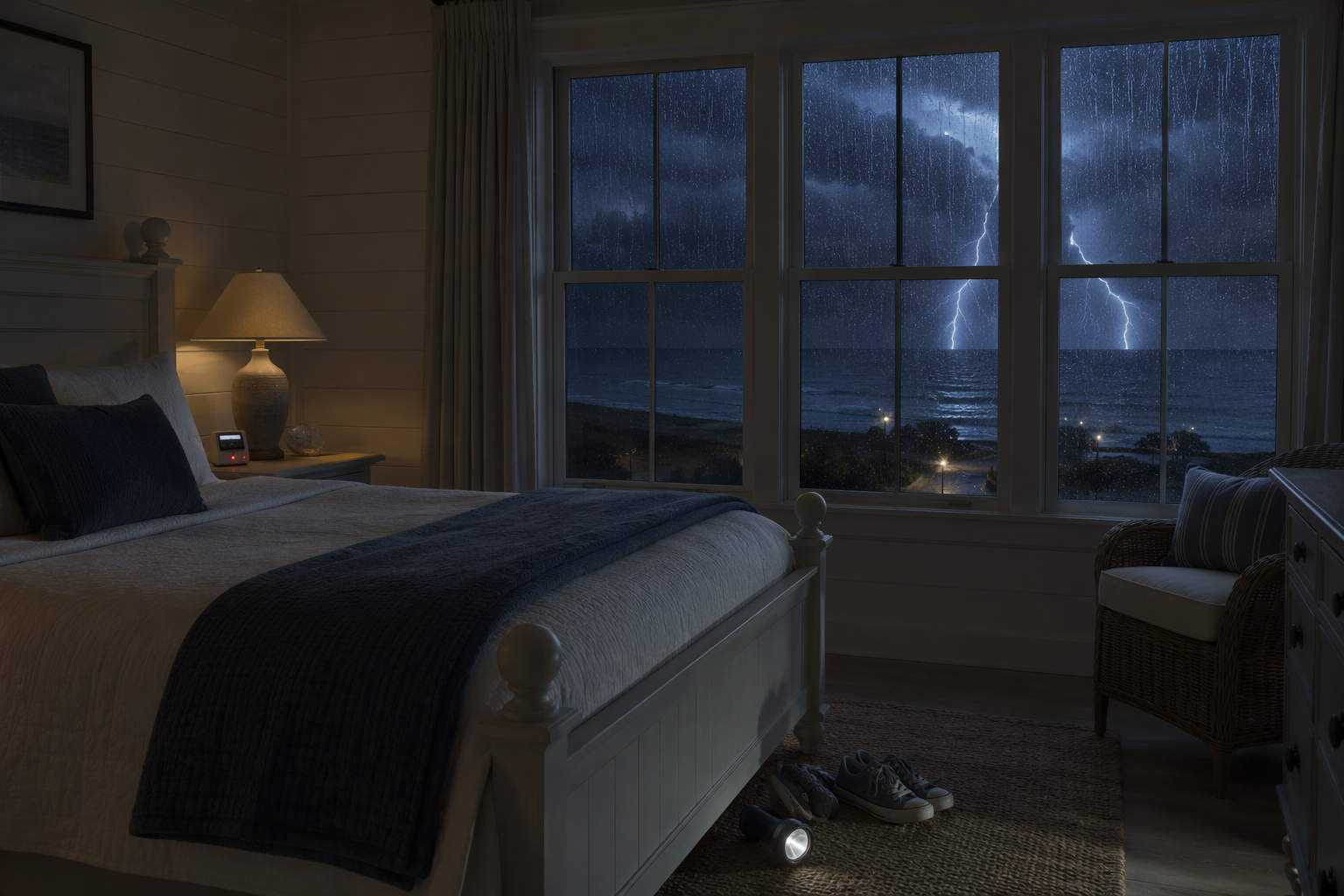
When a tornado warning overlaps with bedtime at the Jersey Shore, resting safely requires advance preparation. This guide covers how to configure alert systems, choose shelter given coastal housing constraints, and stage emergency supplies so you can sleep without compromising your safety.
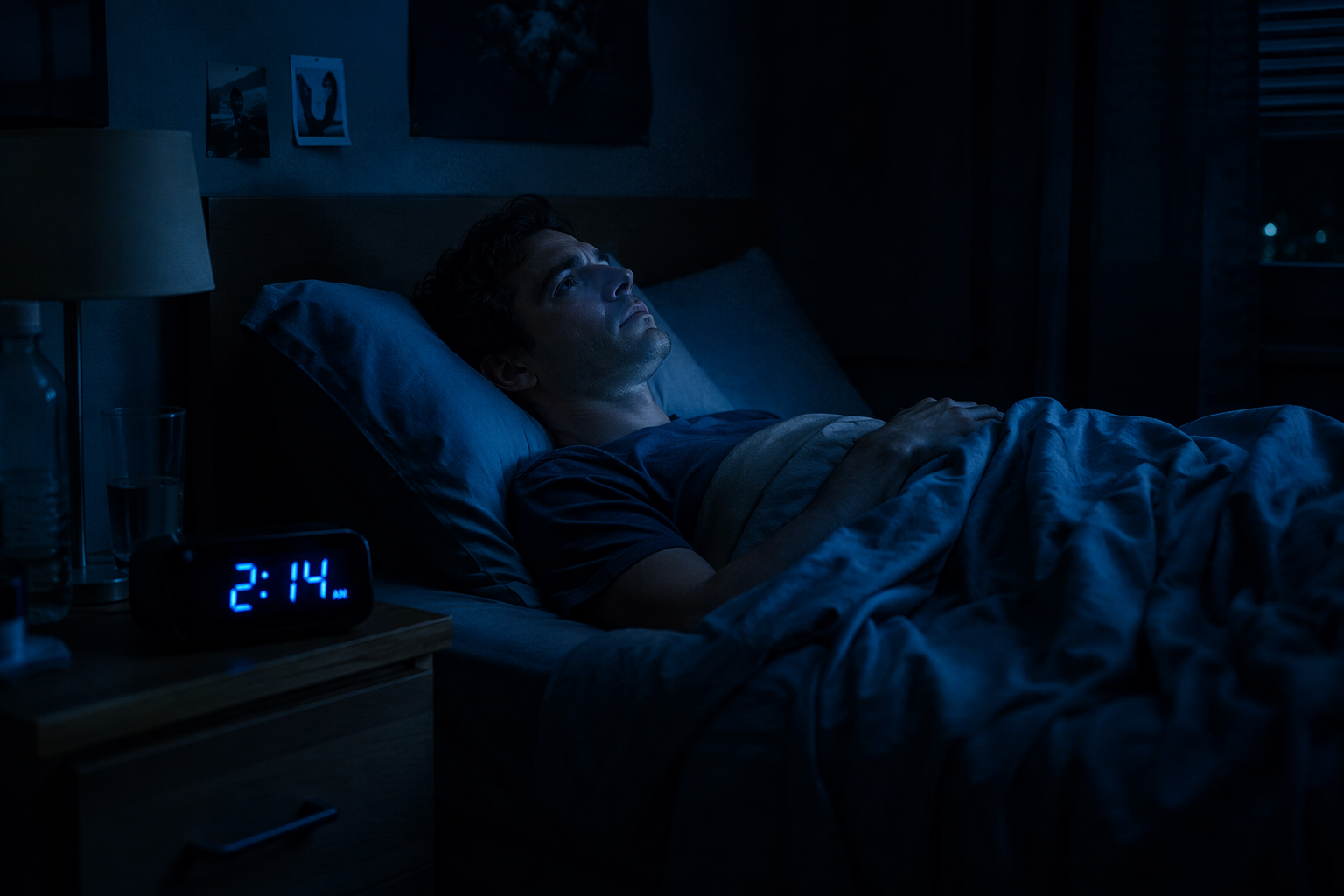
Layoff stress disrupts sleep through sleep reactivity — a heritable biological pathway where stress activates HPA-axis hyperarousal, elevates cortisol, and triggers pre-sleep rumination. This article explains the mechanism and introduces the FIRST questionnaire to help you gauge your vulnerability.
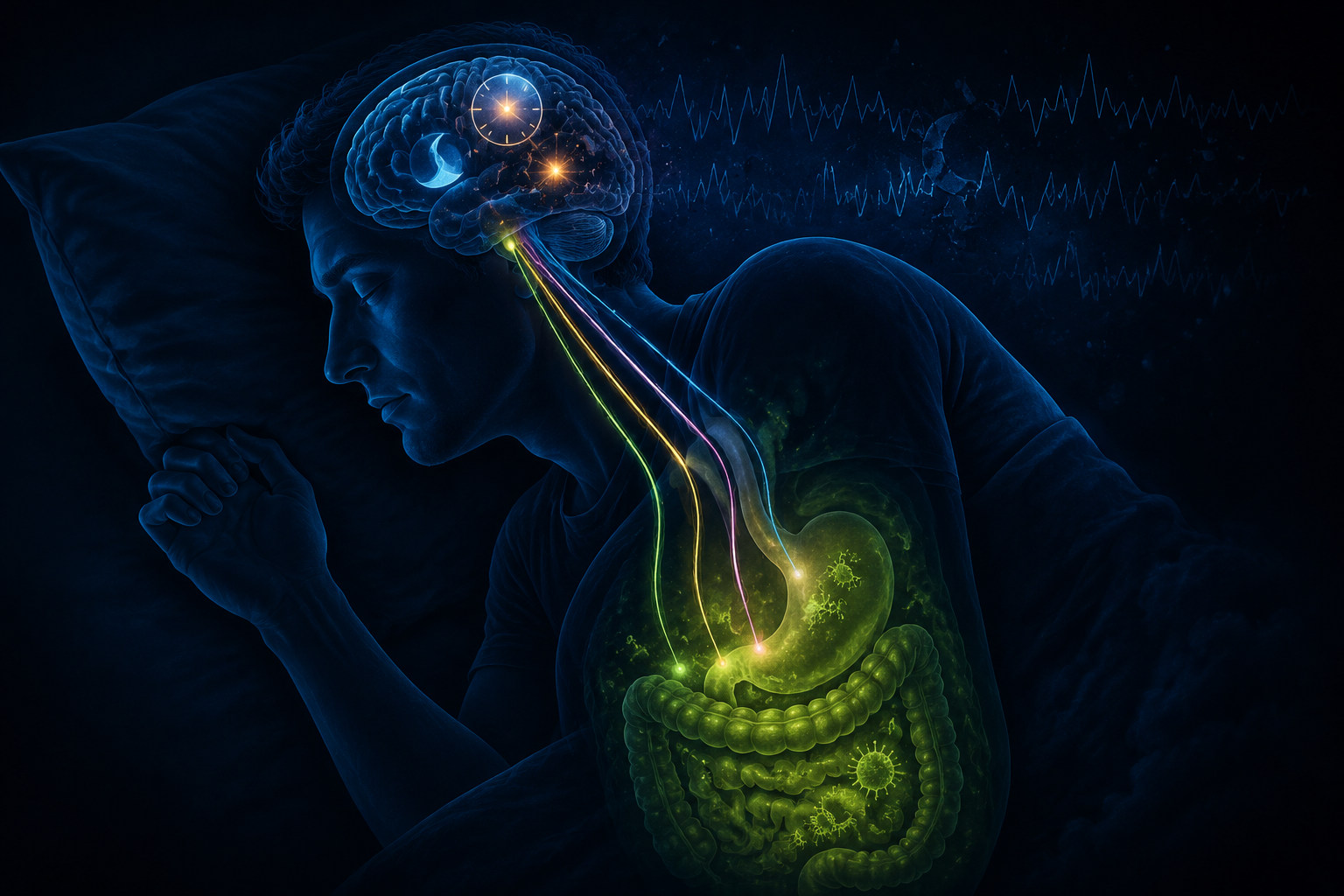
Norovirus disrupts sleep through converging biological pathways involving fever, dehydration, immune response, and gut microbiome changes — explaining why sleep often remains broken for weeks after gastrointestinal symptoms resolve.

Oral appliance therapy offers a more comfortable alternative to CPAP for mild-to-moderate sleep apnea, but its lower nightly AHI reduction raises doubts about effectiveness. This article explains how OAT's significantly higher adherence rate—around 85% regular use at one year—can compensate for that gap, leading to comparable real-world health outcomes, and provides a balanced look at side effects, costs, and candidacy.

Standard sleep hygiene advice was designed for daytime sleepers, not shift workers. This article explains why generic rules fall short and offers four evidence-based strategies—timed light exposure, strategic napping, caffeine timing, and sleep schedule anchoring—that address the circadian challenges of nontraditional work hours.
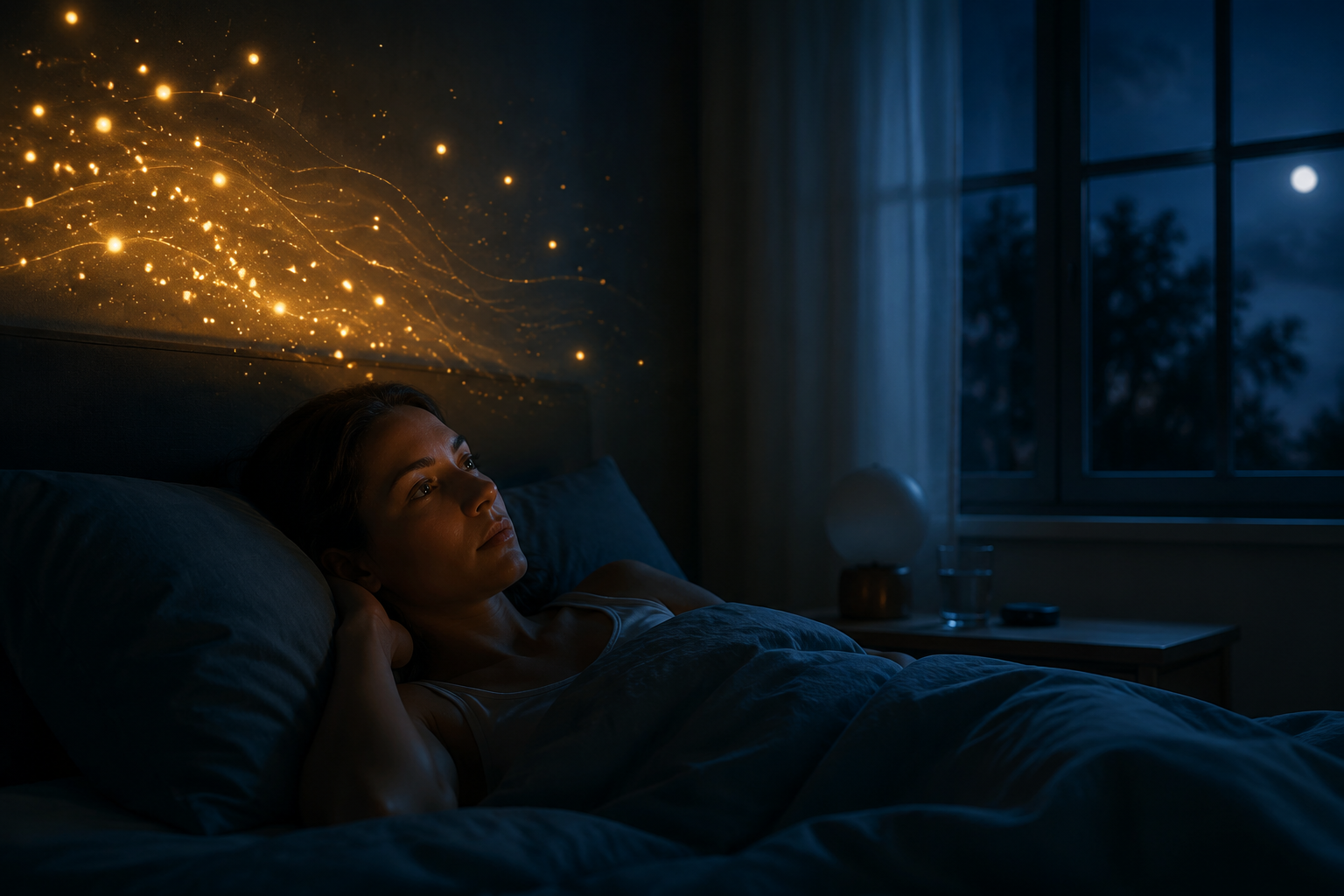
This article explains how Silenor (low-dose doxepin) works for sleep maintenance insomnia, including its effectiveness for 3 AM wake-ups, safety profile, and important limitations to consider before talking to your doctor.