
Still Exhausted After Cyclospora? How Sleep Supports Your Recovery
If the diarrhea has finally eased but you still feel wiped out, that can be part of cyclosporiasis recovery. The CDC lists fatigue among cyclospora symptoms and, more importantly for this stage, says fatigue may continue after gastrointestinal symptoms stop.[1] That sentence matters because this kind of exhaustion can feel out of proportion to what people expect after a “stomach bug.” It is not automatically anxiety, laziness, poor sleep habits, or being out of shape.
The evidence has a boundary: there is no peer-reviewed study showing that a specific sleep plan speeds recovery from cyclospora. What we do have is a solid clinical picture of cyclosporiasis, recognition that fatigue can persist after the bowel symptoms improve, and broader sleep-immunity and sleep-gut research that helps explain why protected sleep is still worth taking seriously.
The timing is not theoretical for many readers. In the 2026 U.S. outbreak, CDC reported more than 11,500 total cases, more than 4,173 confirmed cases, and affected people in 41 states, with figures current in the July 21–24, 2026 window.[2] Those numbers may change, but the recovery problem is already here: people have left the acute phase and are now trying to understand why their bodies still feel drained.
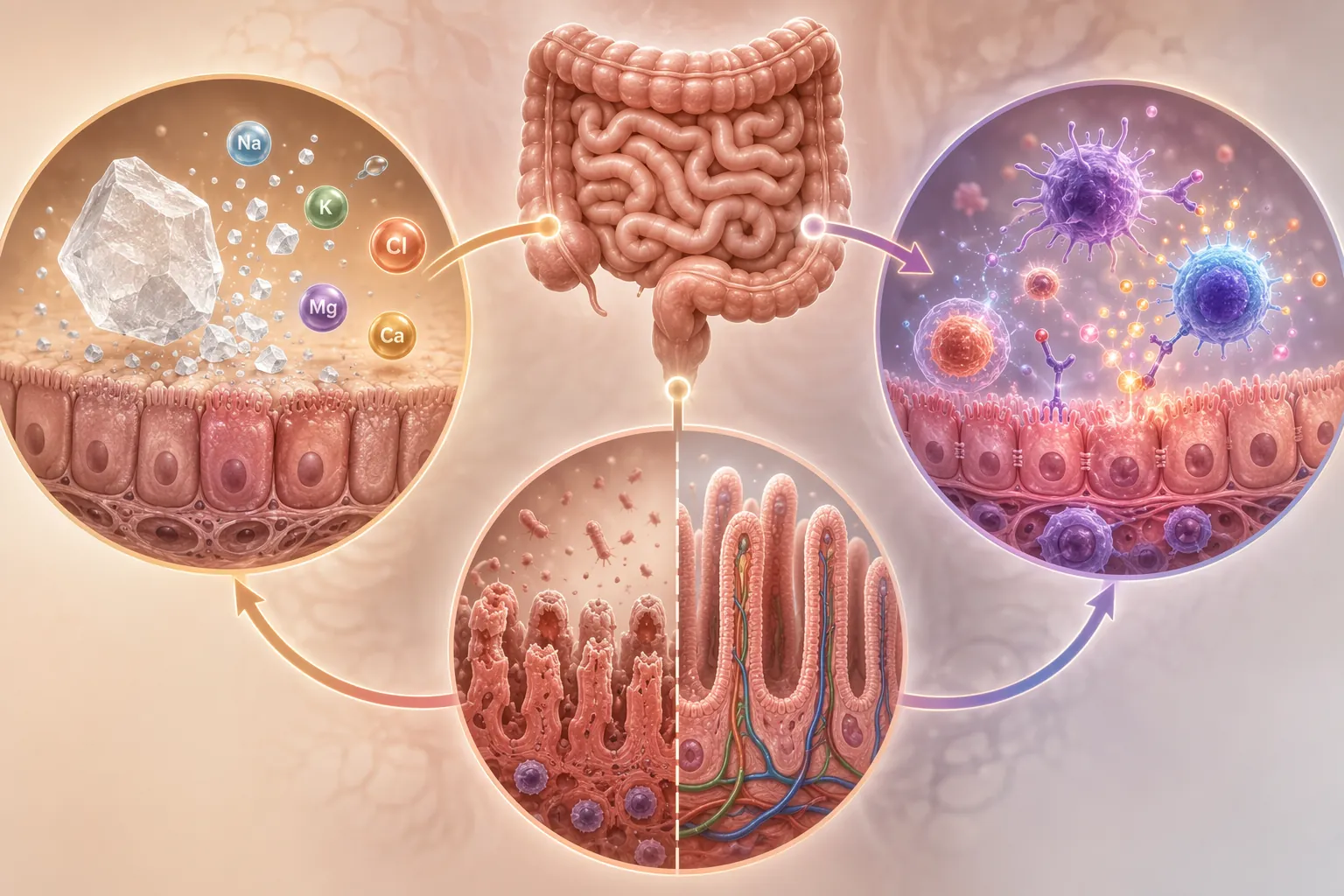
Why cyclospora fatigue can outlast the diarrhea
Cyclospora infects the small intestine. That detail explains a lot. The small intestine is not just a tube that food passes through; it is where much of fluid handling and nutrient absorption happen. When it is irritated and injured, the body can lose water and minerals, absorb less fuel, and keep immune defenses switched on after the most obvious bathroom symptoms begin to settle.
Fluid and electrolyte loss leaves the body underpowered
Watery diarrhea does not remove only water. It can also disturb electrolytes such as potassium and calcium, and those shifts can show up as weakness, lightheadedness, palpitations, muscle cramps, or a heavy, shaky kind of tiredness. Inciteful Med’s cyclospora fatigue review connects severe fatigue with fluid loss, electrolyte disruption, and the energy cost of infection, while noting that this symptom can continue after the worst diarrhea has passed.[3]
This is one reason generic advice to “drink fluids” can feel strangely inadequate. A person may be drinking water and still feel depleted if they are continuing to lose minerals, eating very little, or waking repeatedly to use the bathroom. Recovery is not just about replacing volume. It is also about restoring the balance that lets nerves, muscles, heart rhythm, and digestion work without constant strain.
Small-intestinal injury can make food less useful for a while
The lining of the small intestine has finger-like projections called villi that increase the surface area for absorption. When an intestinal infection damages or inflames that surface, eating does not always translate quickly into restored energy. You may tolerate only bland foods, feel full fast, or notice that meals trigger cramping or looser stools. The body is trying to rebuild the very surface it needs in order to absorb the nutrients needed for rebuilding.
That lag can make the recovery phase feel unfair: the infection is improving, but the repair work is still expensive. Cleveland Clinic describes trimethoprim-sulfamethoxazole, often shortened to TMP-SMX, as the usual antibiotic treatment for cyclosporiasis, with treatment commonly lasting 7 to 10 days.[4] Feeling better after treatment starts does not necessarily mean the gut lining has finished healing.
The immune system may stay activated after the obvious infection quiets
Fatigue after infection is not a moral failure; it is one of the ways an activated immune system changes the body’s priorities. Infections can alter inflammatory signaling, appetite, temperature regulation, pain sensitivity, and sleepiness. A 2023 review on post-viral pain, fatigue, and sleep disturbance syndromes discusses post-infectious fatigue as a recognized pattern tied to immune and nervous-system changes, although it is not specific to cyclospora.[5]
That distinction matters. The broader post-infectious fatigue literature does not prove that cyclospora behaves exactly like a respiratory virus or another gut infection. It does support a more careful reading of the symptom: persistent exhaustion after infection is biologically plausible, especially when fluid loss, intestinal injury, reduced intake, and broken sleep are all happening at once.
Where sleep fits into recovery, without overselling it
Sleep will not kill cyclospora. Antibiotic decisions, hydration, electrolyte replacement, and medical follow-up still matter. But sleep is not decorative either. It is one of the few daily behaviors that plausibly touches all three recovery pathways at the same time: immune regulation, gut repair, and the rebalancing of fluid and electrolyte stress.
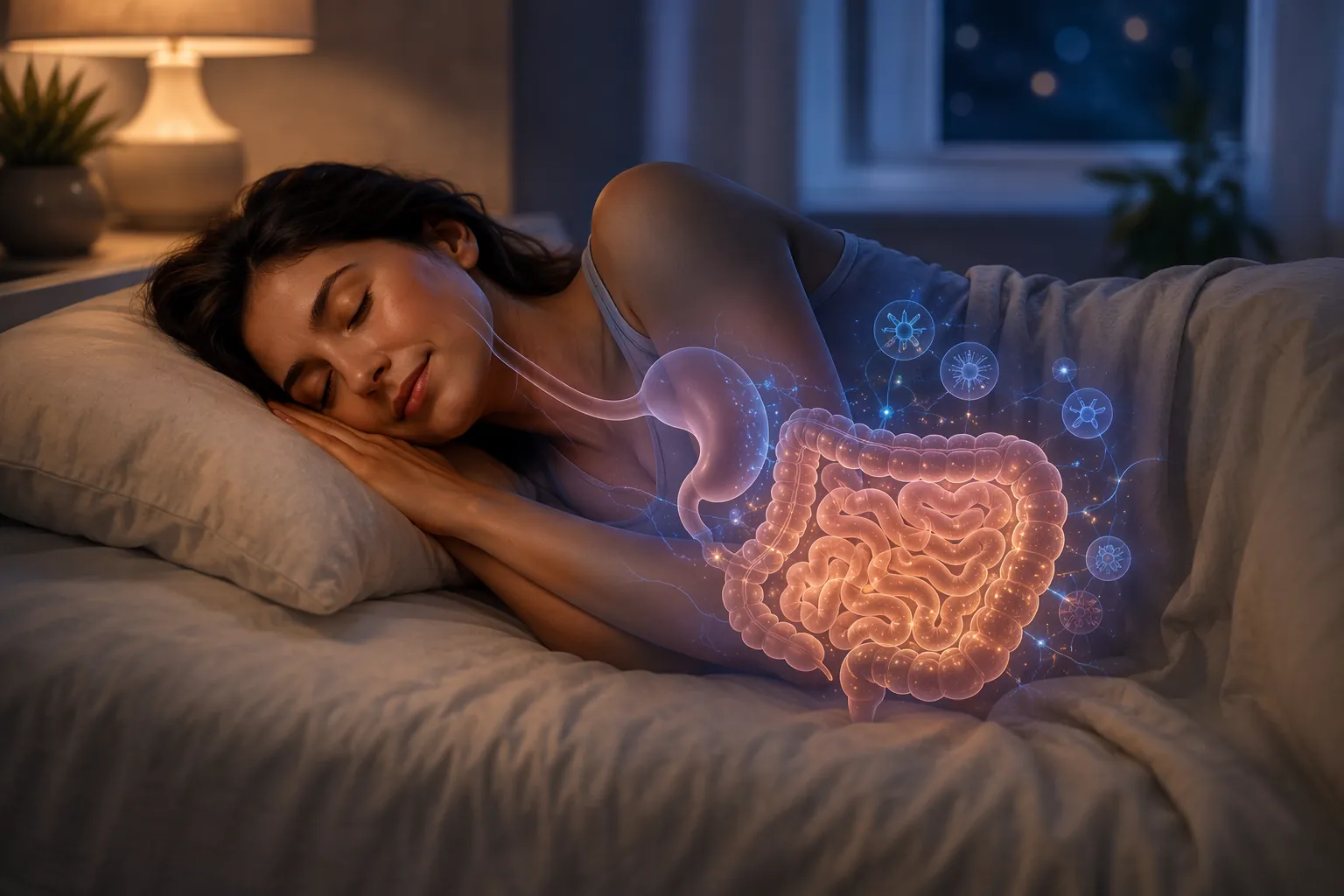
During deeper non-REM sleep, the immune system shifts into patterns that support immune memory and regulate inflammatory signaling. Sleep Foundation summarizes research showing that sleep and immunity influence each other, including the way poor sleep can impair immune function and change inflammatory responses.[6] For someone recovering from cyclospora, this is mechanistic support, not a cyclospora-specific treatment claim.
Sleep also gives the gut quieter working conditions. Digestion slows, the nervous system leans more parasympathetic, and the body can devote energy toward maintenance rather than constant movement, eating, working, and responding to stress. Inciteful Med’s recovery guide describes gut healing after cyclospora as a process that may take weeks to months, with fatigue improving as the intestine repairs and nutrient stores replenish.[7]
That is the practical point: sleep is not a cure, but it may reduce competing demands. If your body is trying to restore electrolytes, calm inflammation, and rebuild the intestinal lining, repeated nights of fragmented sleep remove one of the main windows when those systems can settle.
The hard part: cyclospora can sabotage the sleep you need
Standard sick-day sleep advice assumes the main problem is making time to rest. Cyclospora adds a different problem: you may be exhausted and still unable to stay asleep. Nocturnal diarrhea, abdominal cramping, urgency, nausea, electrolyte-related muscle cramps, and the need to hydrate can all break the night into pieces.
The goal is not a perfect bedtime routine. It is to protect the longest realistic sleep stretch while staying safely hydrated and responsive to symptoms.
| Recovery barrier | Sleep adjustment that fits cyclospora |
|---|---|
| Waking for diarrhea or urgency | Keep the path to the bathroom clear, use low light, and return to bed without checking your phone or starting a full wake-up routine. |
| Needing fluids but waking to urinate | Front-load more fluids earlier in the day, then use smaller evening sips unless a clinician has told you to drink continuously. |
| Muscle cramping or shaky weakness | Ask a clinician whether you need an oral rehydration solution or electrolyte testing, especially if cramps repeatedly wake you. |
| Eating triggers cramps at night | Move larger meals earlier and keep evening food simple while the gut is still reactive. |
| Daytime exhaustion after a broken night | Use short naps or quiet rest periods without letting long late-day naps erase the next night’s sleep drive. |
Hydrate for the night you actually have
If you are still having watery stools, hydration is not optional. But drinking a large amount right before bed may trade dehydration risk for repeated bathroom trips. A more workable pattern is steady fluids earlier in the day, oral rehydration as advised, and smaller evening amounts close enough to bed to prevent thirst but not so much that sleep becomes impossible.
Plain water is sometimes enough for mild recovery, but it may not be enough when diarrhea has been heavy, prolonged, or paired with cramps, dizziness, or weakness. Those are situations where electrolyte replacement should be specific, not guessed. If you have kidney disease, heart disease, are on diuretics, are pregnant, or are caring for an older adult, electrolyte advice should come from a clinician rather than from a generic sports-drink habit.
Plan for wakeups instead of treating them as failure
A bad cyclospora night may include several awakenings. The useful question is what happens after each one. Bright bathroom lights, scrolling, checking the clock, and mentally calculating lost sleep can stretch a necessary interruption into an hour-long wake period. Low light, clean supplies nearby, loose sleepwear, and a simple return-to-bed routine reduce the damage.
If urgency is frequent, do the unglamorous preparation: keep a clear route to the bathroom, put water or oral rehydration solution within reach, use skin-protective barrier cream if irritation is waking you, and change bedding or clothing promptly if sweating or accidents happen. These are sleep interventions because they shorten awakenings.
Use naps carefully, not punitively
Post-infectious fatigue often demands daytime rest. A short nap or a quiet lie-down can help you get through the day when the previous night was broken. The trap is sleeping so long late in the day that nighttime sleep becomes even more fragmented. If naps make you wake groggy for hours or push your bedtime much later, treat them as a dose that needs adjusting, not as a personal weakness.
What recovery can look like after treatment
With TMP-SMX treatment, Cleveland Clinic says many people start feeling better within a few days, and the typical course is 7 to 10 days.[4] That does not mean everyone wakes up fully restored when the prescription ends. Fatigue can trail behind because the body still has to normalize intake, rebuild strength, calm bowel sensitivity, and replenish what was lost.
A reasonable recovery pattern is gradual: fewer urgent stools, better appetite, less cramping, more stable hydration, then more reliable energy. If the gut was hit hard, the energy curve may lag behind the stool curve. Inciteful Med’s recovery guide notes that full gut healing after cyclospora can take weeks to months, and that post-infectious IBS can develop after severe gastrointestinal infections; the 10% to 20% figure it cites comes from broader post-infectious IBS literature, not cyclospora-specific incidence data.[7]
That distinction helps with a common worry. Lingering bowel sensitivity after treatment is not always an active relapse. It may be post-infectious irritation, temporary malabsorption, altered bowel motility, or a gut that is still reacquiring tolerance. But if watery diarrhea returns, symptoms intensify, or you never clearly improved, that needs medical review rather than self-labeling it as “just recovery.”
When fatigue after cyclospora needs medical attention
Some tiredness after cyclosporiasis can be expected. Certain patterns are different because they suggest dehydration, electrolyte imbalance, treatment failure, relapse, another diagnosis, or a complication that sleep cannot fix.
- Seek urgent care for fainting, confusion, chest pain, severe weakness, signs of severe dehydration, bloody stool, or inability to keep fluids down.
- Contact a clinician if diarrhea is persistent, returns after improving, or is waking you repeatedly night after night.
- Ask about electrolytes if you have muscle cramps, palpitations, dizziness, marked weakness, or symptoms that worsen despite drinking fluids.
- Get individualized guidance if you are pregnant, older, immunocompromised, have kidney or heart disease, or take medications that affect fluid balance.
- Talk with the prescribing clinician if you cannot tolerate TMP-SMX, have a sulfa allergy, or are unsure whether your antibiotic course is working.
This is also where pregnancy deserves plain language. TMP-SMX decisions during pregnancy are not one-size-fits-all; the risk of untreated infection and dehydration has to be weighed against medication considerations. That conversation should happen with an obstetric clinician or the clinician treating the infection, not through sleep advice.
A practical sleep plan while your gut catches up
For the next stretch of recovery, aim for a plan that protects sleep without pretending the illness is tidy.
- Set an earlier wind-down window than usual so bathroom interruptions do not erase the whole night.
- Drink steadily during the day and use evening fluids strategically instead of saving most hydration for bedtime.
- Keep nighttime interruptions boring: low light, no phone, no clock-checking, and a direct return to bed.
- Eat the most substantial foods earlier if evening meals worsen cramping or urgency.
- Use short daytime rest when needed, especially after a fragmented night, but avoid long late-day naps if they disrupt the next night.
- Treat cramps, dizziness, repeated wakings, or worsening weakness as recovery barriers worth discussing, not as nuisances to push through.
The restrained answer is the most honest one: sleep will not cure cyclospora fatigue, and the evidence for sleep in this exact infection is indirect. But strategic sleep is still one of the few practical levers that plausibly supports immune regulation, gut repair, and electrolyte recovery at the same time. The plan just has to be built around the symptoms that are breaking your sleep in the first place.
References
- Symptoms of Cyclosporiasis. CDC. https://www.cdc.gov/cyclosporiasis/signs-symptoms/index.html
- HAN Archive - 00531. CDC. https://www.cdc.gov/han/php/notices/han00531.html
- Does Cyclospora Cause Severe Fatigue?. Inciteful Med. https://incitefulmed.com/resources/questions/does-cyclospora-cause-severe-fatigue/
- Cyclosporiasis. Cleveland Clinic. https://my.clevelandclinic.org/health/diseases/17957-cyclosporiasis
- Post-Viral Pain, Fatigue, and Sleep Disturbance Syndromes. PMC. 2023. https://pmc.ncbi.nlm.nih.gov/articles/PMC10795785/
- How Sleep Affects Immunity. Sleep Foundation. https://www.sleepfoundation.org/physical-health/how-sleep-affects-immunity
- Recovery and Your Gut Health After Cyclospora. Inciteful Med. https://incitefulmed.com/resources/guides/cyclosporiasis-symptoms-biology/cyclosporiasis-recovery-gut-health/
Read the full guide: Can This Banana Bread Recipe Help You Sleep Better?