
Your Tonight-Ready Plan for Sleeping With Cyclospora
If you are trying to figure out how to sleep better after food poisoning cyclospora, the honest answer is not “just rest.” You may not be able to force a normal night while diarrhea, cramps, bloating, or nausea are still active. What you can do is make the night less chaotic: choose the position that matches the symptom most likely to wake you, keep fluids close without turning drinking into a guessing game, remove the two evening substances most likely to worsen diarrhea and sleep, and make the bathroom-to-bed loop so simple that one bad episode does not become a two-hour wake-up.
That distinction matters because the usual recovery advice leaves a gap. UPMC HealthBeat’s July 2026 recovery guidance says adults should aim for 7–8 hours of sleep during cyclospora recovery, which is a reasonable goal but not a method for getting through a night of relapsing diarrhea and nausea [1]. The plan below is a practical overnight synthesis, not a proven cyclospora-specific sleep treatment.
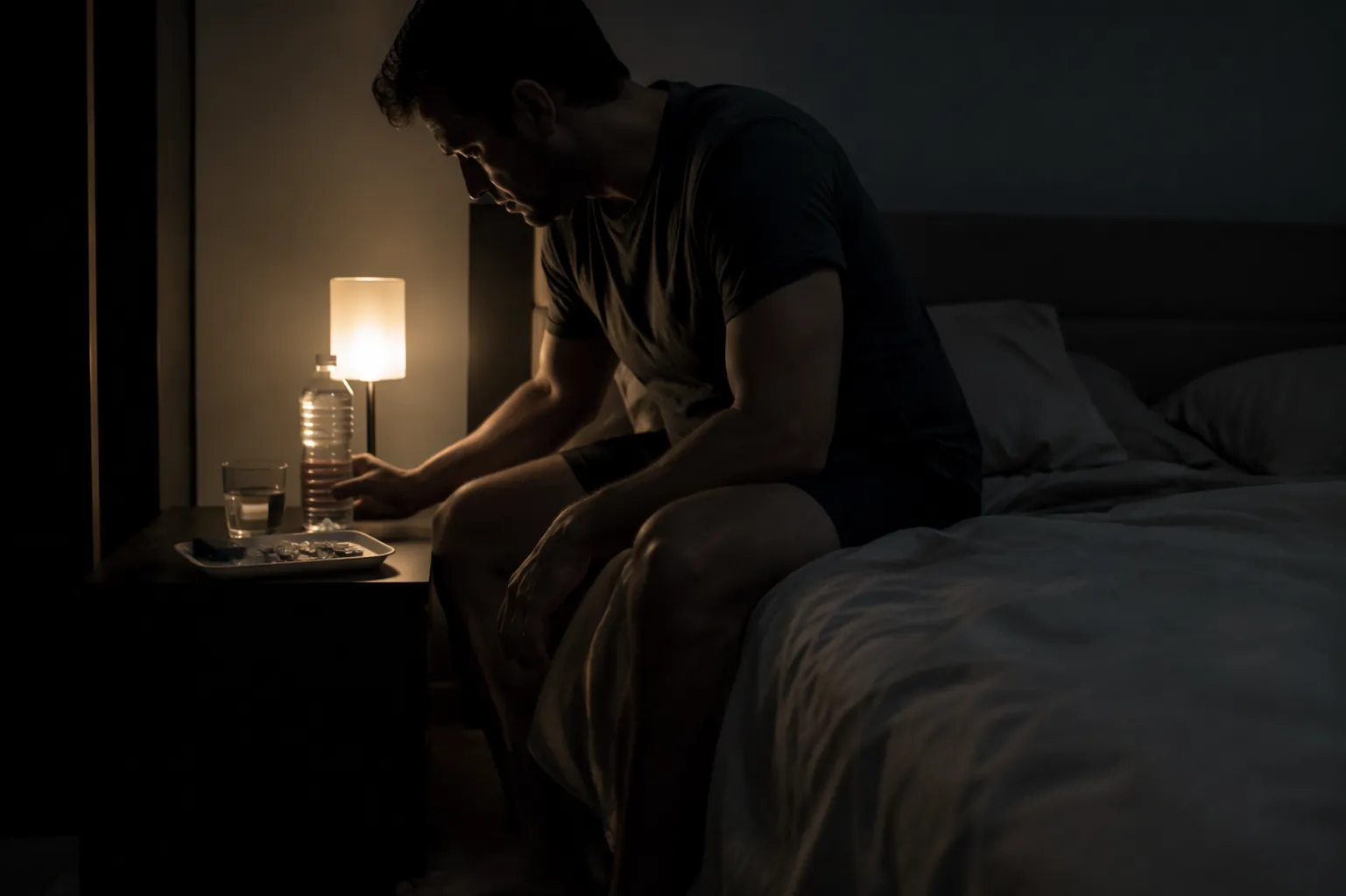
Set up the night before you try to sleep
Do this while you are still upright enough to think. Once the first urgent bathroom trip happens, you want fewer decisions, less light, and no searching.
| Before bed | Why it helps tonight |
|---|---|
| Put water or an oral rehydration drink within arm’s reach. | You can sip after bathroom trips without walking to the kitchen or drinking too much at once. |
| Keep a small trash bag or basin near the bed if nausea is active. | You do not have to bolt upright in panic if nausea spikes. |
| Place wipes, spare underwear, a towel, and a low-light option along the bathroom path. | The bathroom trip stays functional instead of becoming a full wake-up. |
| Choose your first sleep position based on the dominant symptom. | Diarrhea, gas, cramps, and nausea do not ask for the same body position. |
| Write down any prescribed medication schedule before you are half-asleep. | You avoid making medication decisions at 2 a.m. when symptoms and fatigue are distorting your judgment. |
| Stop caffeine and alcohol for the evening. | Both are poor fits for a night already threatened by diarrhea and fragmented sleep. |
Keep the bedroom boring on purpose. Use the dimmest safe light for the bathroom path. Leave your phone face down unless you need it for a medication alarm. If you read the news, open search results, or start tracking every cramp, the episode has already expanded beyond the symptom itself.
Pick the position for the symptom that is actually waking you
There are no cyclospora-specific clinical sleep-position guidelines. The best use of position tonight is modest: reduce pressure, support digestion-related comfort, and avoid making nausea or urgency worse. If a position increases pain, reflux, dizziness, or panic, abandon it.
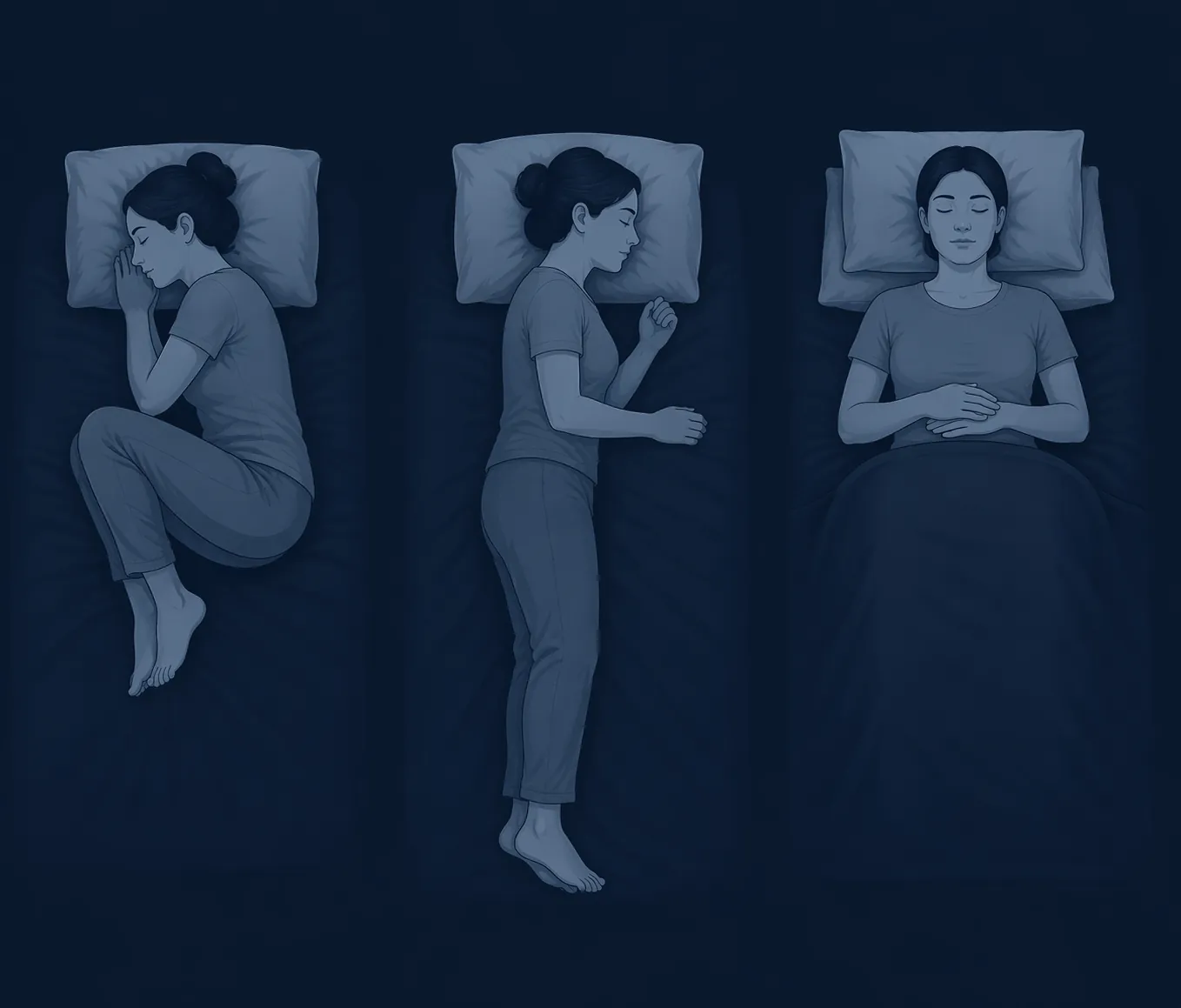
If explosive diarrhea is the main problem: try the right side first
For diarrhea-driven waking, right-side sleeping is a reasonable experiment. Gastroenterologist J. Andy Tau, quoted in a Saatva sleep-position article, suggests that sleeping on the right side may help reduce nighttime bowel movements by encouraging stool to move back toward the right colon [2]. That is not the same as proof in people with cyclosporiasis. It is one clinician’s practical observation in a commercial mattress context, so it should be treated as low-risk trial logic rather than settled evidence.
Make the trial clean. Lie on your right side with your torso fairly straight, a pillow between your knees if your hips pull, and a towel under your hips if you are worried about leakage. Give it a short window. If urgency eases, stay there. If cramping worsens or you feel more nauseated, switch based on the new dominant symptom.
If gas and bloating are keeping you awake: left side, knees drawn
When the problem feels like trapped gas, pressure, or a stretched abdomen rather than immediate diarrhea, try the left side with your knees pulled gently toward your chest. This is the position often used for gas discomfort and bloating, and it gives the abdomen room instead of holding the body flat and tense [2].
Do not curl so tightly that your belly is compressed. Think “supported bend,” not a defensive ball. Put one pillow under your head, one between your knees, and one against your chest if that keeps your shoulders from collapsing inward. If gas pain improves after a bowel movement, return to this position rather than restarting the whole night.
If cramps dominate: reduce abdominal tension first
Cramping can overlap with both diarrhea and gas, so start by asking what the cramp is trying to do. If it is followed by urgency, use the diarrhea setup and stay close to the bathroom. If it comes with pressure and bloating, use the left-side knees-drawn position. If it is sharp, escalating, or unlike the cramps you have been having, do not try to solve that with sleep posture alone.
For ordinary recurring cramps, the goal is to stop bracing. Keep your jaw unclenched, let your knees rest on a pillow instead of holding them up with abdominal muscles, and avoid lying flat with your legs rigid. The position does not cure the cramp; it removes extra strain while the episode passes.
If nausea is the reason you cannot settle: elevate your head
For nausea, prioritize head elevation. Sleep on your back or side with your upper body propped on pillows or a wedge so your head and chest are higher than your stomach. This is a comfort strategy, not a guarantee, but it is often more sensible than lying flat while trying not to vomit [2].
If you feel too nauseated to lie down, use a staged return to bed: sit upright for a few minutes, take one or two small sips if you can tolerate them, then recline partway instead of dropping straight into a flat position. Keep the room cool and avoid strong smells. The aim is to reduce the intensity enough to let sleep return in pieces.
Hydrate without turning the night into a drinking contest
Cyclospora nights create an awkward tradeoff. If you stop drinking completely, repeated diarrhea can leave you dry by morning. If you drink large amounts every time you wake, you may worsen nausea, abdominal sloshing, or urgency. The middle path is planned sipping.
- Before bed, put one bottle where you can reach it without standing.
- After a diarrhea episode, take a few small sips rather than a large chug.
- If nausea is active, pause first, sit partly upright, then sip slowly.
- If you are using an oral rehydration drink, keep it ready before symptoms wake you.
- If your clinician has given you fluid restrictions or specific instructions, follow those instead of improvising.
The dehydration warning is especially important for older adults and people with fluid-balance vulnerabilities. AARP, citing Dr. Luis Marcos of Stony Brook Medicine, notes that older adults may be more vulnerable to dehydration complications during cyclospora because underlying conditions and medications can affect fluid balance [3]. That warning should not be stretched into panic for every otherwise healthy adult, but it does justify planning fluids before the long overnight stretch.
Remove the two evening triggers that work against both your gut and your sleep
Caffeine and alcohol deserve a hard stop during the evening phase of cyclospora recovery. Cleveland Clinic advises avoiding both in cyclosporiasis, and both are bad matches for a night where diarrhea and sleep fragmentation are already likely [4]. CDC guidance also identifies diarrhea as a central feature of cyclosporiasis, which makes anything that aggravates diarrhea a poor overnight bet [5].
This is not a lifestyle lecture. It is logistics. Coffee, strong tea, energy drinks, cocktails, beer, and wine can all turn a fragile night into a more active one. If you are exhausted and tempted to use caffeine because you slept badly the night before, move that decision to morning and keep it away from the hours when you are trying to reduce bowel urgency.
Make each bathroom trip end quickly
The first wake-up is often unavoidable. The second problem is what happens afterward: bright lights, cold floors, frantic cleanup, checking symptoms online, then returning to bed with adrenaline still running. Your setup should make the loop short enough that your body has a chance to fall back asleep.
- Use low light only. Turn on enough light to be safe, not enough to make the room feel like morning.
- Clean up from the supplies you already placed. Do not start reorganizing the bathroom.
- Sip, then stop. Take small planned sips and put the bottle down.
- Return to the position that matches the symptom you still have, not the one you had at bedtime.
- If you are wide awake, keep the next 10 minutes dull: dim light, quiet breathing, no symptom research unless you need urgent medical guidance.
For medication, keep the rule simple: follow the schedule your clinician gave you. If you were prescribed treatment, do not move doses around in the middle of the night just to chase sleep unless your prescribing clinician told you to. If you use any over-the-counter symptom medicine, make sure it is something your clinician or pharmacist has already said is appropriate for you.
Expect relapses, even after one better night
Cyclospora is frustrating because improvement does not always move in a clean line. The CDC says symptoms may seem to go away and then return one or more times, a relapsing pattern that can make a good night feel misleading by the next evening [5]. Cleveland Clinic also notes that mild diarrhea can occasionally continue for up to a month even with treatment [4].

That means your overnight setup should stay in place for more than one bad night. If Tuesday is calm, do not assume Wednesday will be. Keep the water ready, keep the bathroom path simple, and keep the position strategy available until your nights are consistently quiet.
This is also where expectations protect sleep. If symptoms return, you do not need to interpret every relapse as personal failure or as proof that nothing is working. The plan is not designed to end the infection. It is designed to reduce avoidable wakefulness while the illness runs the course your clinician is treating.
If bloating, gas, and pain linger after the parasite is cleared
Some readers will move out of the explosive diarrhea phase but still have nights broken by bloating, gas, or abdominal pain. Inciteful Med’s synthesis of peer-reviewed literature reports that 10–20% of patients develop post-infectious IBS after severe gut infections, with bloating, gas, and abdominal pain that improves after bowel movements as hallmark features [6]. That figure should be read as a secondary synthesis, not as a cyclospora-specific primary study.
The overnight plan changes at that point. The bathroom may no longer be the central threat; abdominal comfort and sleep rebuilding become the work. Left-side sleeping with knees supported may matter more than the right-side diarrhea trial. Hydration still matters, but the frantic after-each-episode sipping may not. Caffeine may still deserve caution if it worsens your gut or sleep, but the acute-night setup can gradually shrink.
If the main problem becomes exhaustion after the gut symptoms settle, move to sleep support during cyclospora fatigue recovery. If the acute crisis is over but your sleep schedule is wrecked, use a phased approach to rebuilding sleep during cyclospora recovery. And if you want the mechanism behind the gut-sleep spiral, read more on why cyclosporiasis destroys your sleep or why diarrhea makes sleep worse.
There is no clinical cyclospora sleep protocol hiding behind this. What exists is a restrained, practical synthesis: match position to the symptom, keep fluids close and deliberate, avoid caffeine and alcohol, shorten the bathroom loop, and keep the setup ready because symptoms can return after they seem to settle. For tonight, that can make the night less fragmented.
References
- Cyclosporiasis Recovery, UPMC HealthBeat, July 2026.
- Best Sleeping Position for Digestion, Saatva.
- Cyclospora Can Be Worse for Older Adults, AARP.
- Cyclosporiasis, Cleveland Clinic.
- Signs and Symptoms of Cyclosporiasis, Centers for Disease Control and Prevention.
- Post-Infectious IBS, Inciteful Med.
Read the full guide: How to Watch Late-Night Baseball Without Ruining Your Sleep