Mechanism explainer
What Science Says About Microdosing for Anxiety and Sleep
A clear-eyed, evidence-based look at microdosing as a treatment for anxiety and sleep problems, covering the latest RCTs, observational data, and critical gaps that most online discussions leave out.
Microdosing is no longer a fringe sleep forum topic. RAND estimated that roughly 10 million U.S. adults microdosed psychedelics in 2025, which means the question is not whether people are trying it. They are. The harder question is whether microdosing for anxiety and sleep quality has been shown to work in the people most likely to consider it at 3 a.m.: adults with chronic insomnia, diagnosed anxiety, perimenopausal sleep disruption, SSRI use, or other real-world complications. Popularity does not answer that question; controlled evidence has to. [1]
The short version, as of Q3 2026: microdosing is not an evidence-based treatment for anxiety or insomnia. The evidence is early, mixed, and very substance-specific. One randomized controlled trial found that LSD microdosing increased sleep by a modest amount on the night after dosing in healthy men, while a placebo-controlled psilocybin microdosing trial did not show clear anxiety or mood benefits beyond expectancy effects. The populations most likely to search this question remain largely outside the trial data.
First, “microdosing” is not one thing
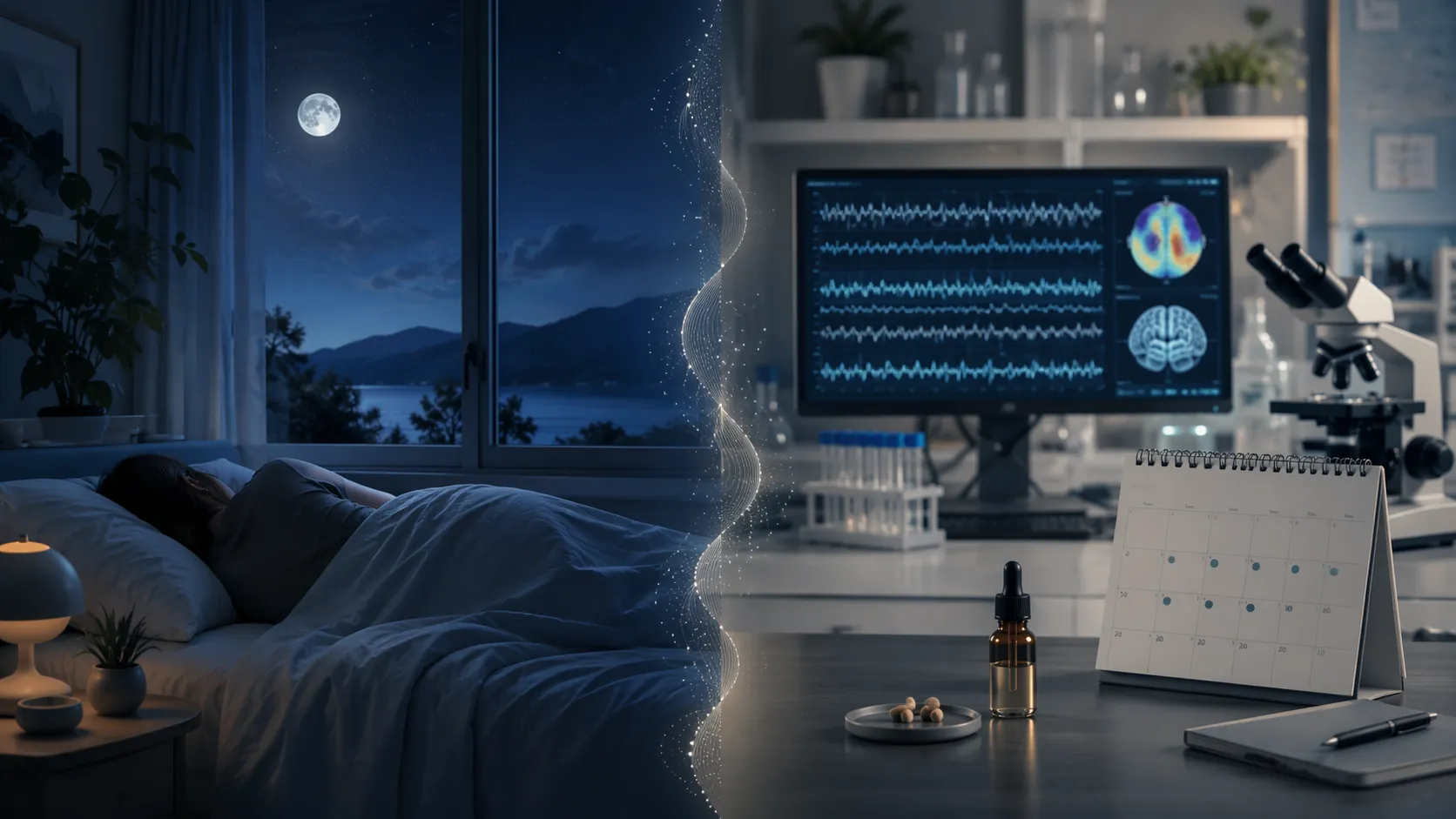
Online, “microdosing” often gets treated as a single intervention: a small amount of a psychedelic taken on a schedule, usually with the promise of better mood, sharper thinking, or calmer sleep. In research, that single word hides several important differences: the substance, the dose, the schedule, whether the dose is truly sub-perceptual, and whether outcomes are measured by sleep devices, questionnaires, or after-the-fact self-report.
That matters because the two best-discussed substances in this area—LSD and psilocybin—do not currently have the same evidence profile. The strongest sleep signal comes from an LSD study, not a psilocybin study. The better-known microdosing anecdotes often involve psilocybin mushrooms, but controlled psilocybin data are much less encouraging for anxiety and mood once expectancy is accounted for.
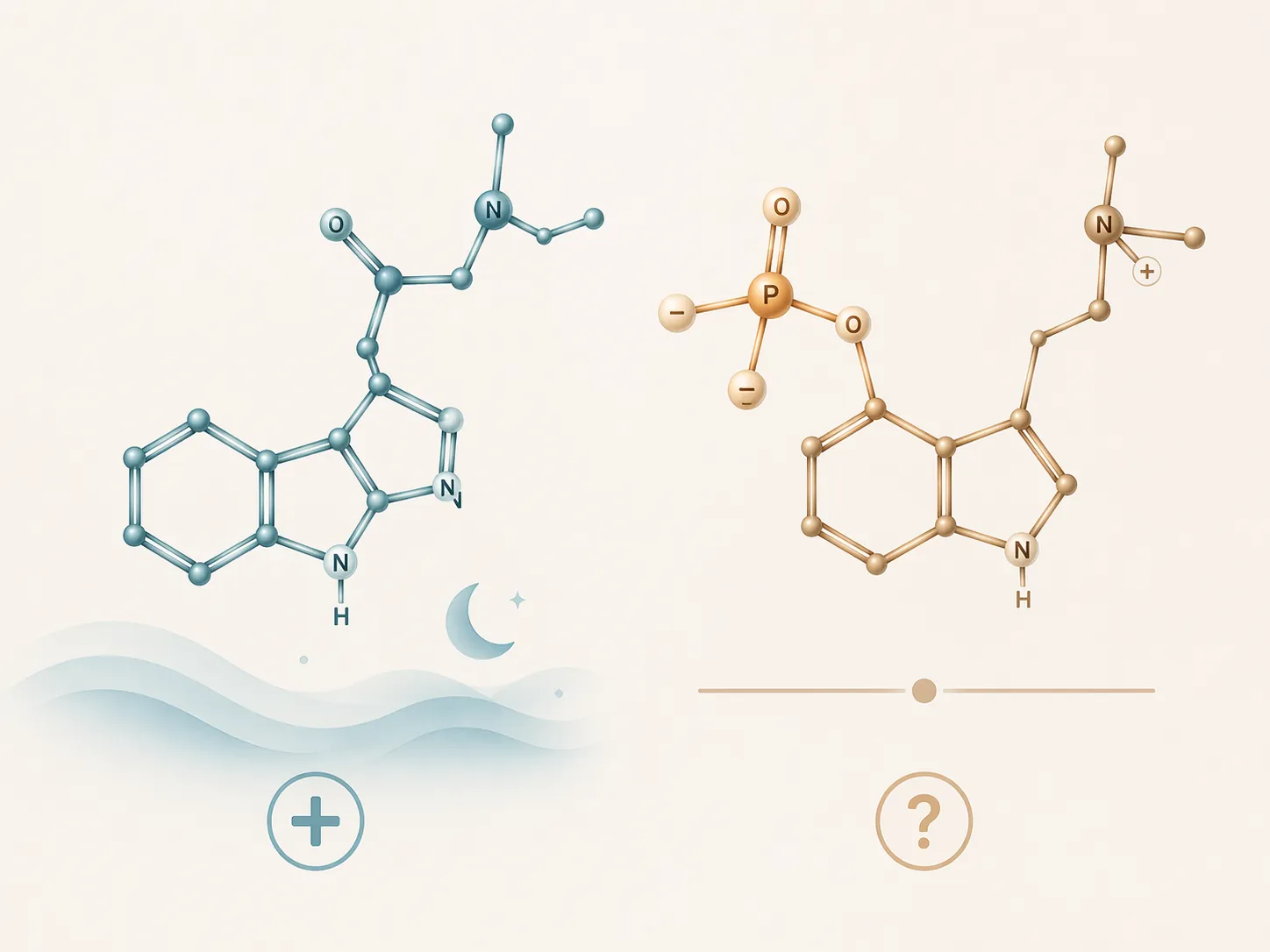
The dose definition is also slippery. In the Cavanna psilocybin trial, participants took 0.5 grams of dried psilocybin mushrooms, a dose that may be perceptible for some people and is not automatically equivalent to the tiny “sub-perceptual” doses described in wellness conversations. Once a person can feel the dose, the study has a different problem: it becomes harder to separate a pharmacologic effect from the expectation that something is happening. [3]
What the controlled trials actually show
For anxiety and sleep, the most useful evidence is not the most emotionally vivid evidence. It is the boring-looking evidence: randomized, blinded, placebo-controlled studies that specify the drug, dose, timing, outcomes, and exclusions. Even then, the details decide how far the finding can travel.
| Evidence | What was tested | What it supports | What it does not support |
|---|---|---|---|
| Allen et al. LSD sleep RCT | 80 healthy males aged 25–60 took 10 µg LSD every third day in a randomized, placebo-controlled trial. [2] | A modest sleep-duration signal on the night after dosing: 24.3 more minutes of total sleep and 8.13 more minutes of REM sleep. [2] | It does not show that LSD microdosing treats insomnia, anxiety, perimenopausal sleep disruption, or sleep problems in people taking psychotropic medications. |
| Cavanna et al. psilocybin microdosing trial | A double-blind, placebo-controlled study of psilocybin mushroom microdosing. [3] | It is useful because it directly tests placebo and expectancy effects. | It did not find significant well-being, mood, or anxiety advantages over placebo after accounting for a 75% unblinding rate. [3] |
| Observational microdosing data | Large self-selected samples comparing microdosers with non-microdosers. [6] | These studies can identify associations worth testing. | They cannot prove that microdosing caused lower anxiety or depression scores. |
The LSD sleep finding is real enough to notice—and narrow enough to respect
The Allen et al. LSD trial is the result that should make a careful reader pause. It was randomized and placebo-controlled. It measured sleep. It used a defined protocol: 10 µg of LSD every third day. In 80 healthy males aged 25–60, LSD microdosing was associated with 24.3 additional minutes of total sleep and 8.13 additional minutes of REM sleep on the night after dosing, not on the dosing day itself. [2]
Twenty-four minutes is not trivial if you are chronically underslept. It is also not the same as remission from insomnia. The timing is important: the signal appeared on Dose+1, the night after dosing. That makes it more specific than a vague “I slept better” testimonial, but also less useful as a blanket claim that LSD microdosing is sedating or immediately sleep-promoting. [2]
The exclusions matter just as much as the result. The study enrolled healthy men only. It excluded people with current anxiety or depression and anyone using psychotropic medications. That means the trial population does not resemble many readers who are searching this topic because they already have anxiety, disrupted sleep, antidepressant use, hormonal sleep disruption, or a long history of insomnia. [2]
So the fair conclusion is quite specific: in a controlled study of healthy men, low-dose LSD increased total sleep and REM sleep on the night after dosing. It is not evidence that LSD microdosing treats clinical anxiety. It is not evidence that it treats chronic insomnia. It is not evidence for women, older adults outside the studied range, perimenopausal patients, pregnant people, or people taking SSRIs or other psychotropic medications.
Psilocybin microdosing has a weaker controlled case for anxiety
Psilocybin is where anecdotes often sound most confident and the controlled evidence becomes more sobering. In Cavanna et al.’s double-blind, placebo-controlled psilocybin microdosing trial, researchers did not find significant improvements in well-being, mood, or anxiety over placebo after accounting for expectancy. The unblinding rate was 75%, meaning many participants could tell—or believed they could tell—what they had taken. [3]
That 75% figure is not a technical footnote. It is central to interpreting microdosing claims. If people know they took the active substance, or strongly suspect it, then reports of feeling better are harder to treat as drug-specific effects. They may still be sincere. They may still matter to the person reporting them. But they are not the same thing as evidence that psilocybin microdosing reduces anxiety through a reliable pharmacologic effect. [3]
The safety picture also resists the soothing version of the story. The National Center for Complementary and Integrative Health lists insomnia, increased anxiety, depression, poor mood, and low energy among potential adverse effects of psilocybin microdosing. That does not mean every person will experience those effects. It does mean “microdosing psilocybin is inherently calming” is too broad a claim for the current evidence. [4]
Sleep mechanism data do not cleanly rescue psilocybin microdosing, either. In a daytime psilocybin administration study, researchers observed prolonged REM latency and suppressed slow-wave activity after psilocybin. That study is relevant because it shows psilocybin can affect sleep architecture, but it is not proof that repeated psilocybin microdosing improves sleep quality in people with insomnia. [5]
What observational studies can and cannot tell us
The largest positive-looking data come from observational work. Rootman et al. compared 4,050 microdosers with non-microdosers and found small but significant associations between microdosing and lower anxiety and depression scores. That is worth taking seriously as a signal. It is not worth inflating into proof. [6]
The problem is design. A cross-sectional study captures people as they are; it does not randomly assign them to microdose or not. People who choose to microdose may differ from non-microdosers in health status, income, social support, openness to alternative treatments, prior psychedelic experience, expectations, sleep habits, or willingness to report symptoms. Some may have started microdosing because they were distressed; others may have been healthier or more resourced before they ever took a dose. [6]
That leaves observational research in a useful but limited role. It can tell researchers where to look next. It can identify patterns large enough to justify better trials. It cannot tell an anxious reader that microdosing caused someone else’s lower anxiety score, and it cannot tell a reader with insomnia that the same pattern will apply to her.
The missing patients are the point
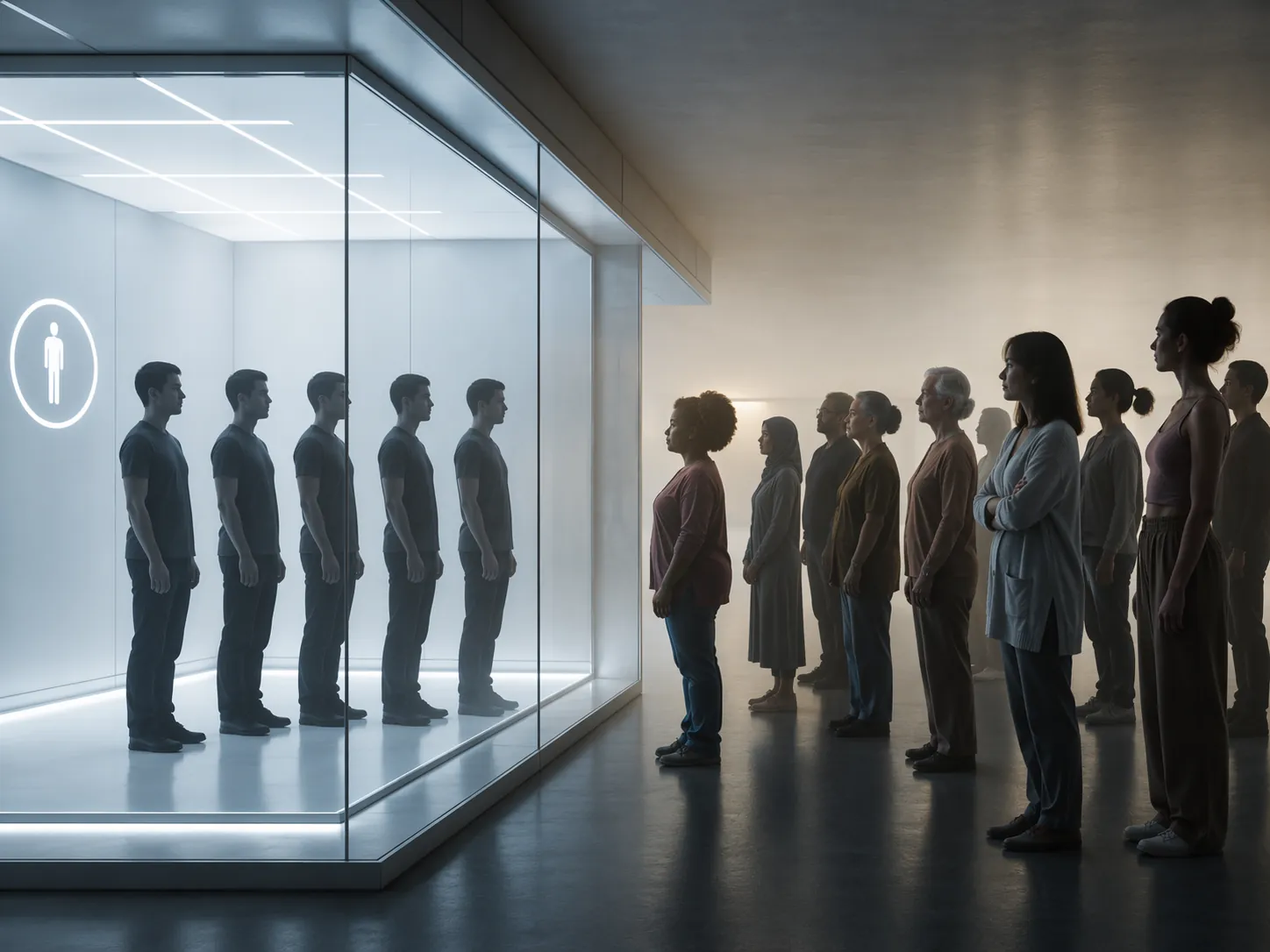
A clean trial in healthy volunteers is valuable. It is also a poor substitute for trials in the people who are most likely to try microdosing because ordinary sleep advice has not been enough. Anxiety disorders and chronic insomnia change the clinical question. So do perimenopause, older adulthood, pregnancy, psychiatric medications, and multiple prescriptions.
The LSD sleep trial excluded current anxiety and depression, excluded psychotropic medication use, and enrolled only healthy males. That does not make the trial flawed; it makes the conclusion bounded. A study designed to reduce noise in a healthy sample cannot later be used as if it tested the noisy, complicated patients who are actually searching for relief. [2]
The anxiety evidence has a similar gap. A 2023 systematic review of psychedelics for anxiety disorders confirms the lack of microdose-specific randomized controlled trials in anxiety disorders as a primary diagnosis. Macrodose psychedelic studies, even when interesting, do not answer the microdose question. A high-dose supervised therapeutic protocol is not the same intervention as repeated low-dose use at home. [7]
There is also no good basis here for applying the evidence to perimenopausal sleep disruption. Hormonal sleep fragmentation, night sweats, early-morning awakenings, and anxiety flares around midlife are not minor variations on healthy-volunteer sleep. They are different clinical contexts. The current microdosing trials do not tell us whether benefits, side effects, or medication interactions would look the same.
The SSRI question deserves the same restraint. Many people considering microdosing for anxiety are already using antidepressants or have recently used them. The main LSD sleep result cannot answer their question because psychotropic medication users were excluded. The safest answer is not to guess around that exclusion; it is to say the interaction and applicability data are missing. [2]
How to read a microdosing claim without being misled
A useful microdosing claim should survive a few plain questions. If it cannot, it may still be an interesting story, but it should not be treated as guidance for anxiety or sleep treatment.
- What substance was used—LSD, psilocybin, or something else?
- What dose and schedule were tested?
- Was the study randomized, blinded, and placebo-controlled?
- Could participants tell what they took?
- Were anxiety or sleep primary outcomes, or were they secondary observations?
- Were people with diagnosed anxiety, insomnia, depression, medication use, pregnancy, perimenopause, or older age included or excluded?
- Was sleep measured objectively, or was it based on self-report?
These questions are not academic nitpicking. They decide whether a result applies to a person with normal sleep who volunteered for a trial, or to someone with panic symptoms, hot flashes, early awakenings, and a prescription history. Those are not interchangeable patients.
So, does microdosing work for anxiety and sleep?
For sleep, LSD has one controlled positive signal: about 24 more minutes of total sleep and about 8 more minutes of REM sleep on the night after dosing in healthy men taking 10 µg every third day. That is a real finding, and it deserves follow-up. It is not yet a treatment recommendation for insomnia or sleep disruption in clinical populations. [2]
For anxiety, controlled microdosing evidence is not persuasive. Psilocybin microdosing did not show clear well-being, mood, or anxiety advantages over placebo after accounting for expectancy and high unblinding. Observational studies show lower anxiety and depression scores among microdosers, but those studies cannot establish causality. [3][6]
For the people most likely to be tempted—those with clinical anxiety, chronic insomnia, perimenopausal sleep problems, SSRI use, pregnancy, older adulthood, or complicated medication profiles—the answer is even narrower: the evidence has not caught up to the use. The most relevant populations remain either excluded or untested.
That is the practical bottom line. Microdosing is widespread, and some findings are interesting. But as of Q3 2026, microdosing should not be described as an evidence-based treatment for anxiety or insomnia. LSD microdosing has a modest, narrow sleep signal. Psilocybin microdosing has not shown clear controlled anxiety or mood benefit beyond expectancy. The reader with real sleep loss and real anxiety deserves that distinction before she is asked to trust someone else’s story.
References
- About 10 Million U.S. Adults Microdosed Psychedelics in 2025, RAND, 2026.
- LSD increases sleep duration the night after microdosing, Translational Psychiatry, 2024.
- Microdosing with psilocybin mushrooms: a double-blind placebo-controlled study, Translational Psychiatry, 2022.
- Psilocybin for Mental Health and Addiction: What You Need To Know, National Center for Complementary and Integrative Health.
- The effects of daytime psilocybin administration on sleep: implications for antidepressant action, 2020.
- Adults who microdose psychedelics report health related motivations and lower levels of anxiety and depression compared to non-microdosers, Scientific Reports, 2021.
- Psychedelics for anxiety and depression in cancer care? A systematic review, 2023.
Supports these guides
Spot an error or have clinical feedback?
Because this article covers clinical, medication, or safety information, we use a moderated correction channel instead of open public comments. Let us know if something about “What Science Says About Microdosing for Anxiety and Sleep” needs a closer look.
Send feedback on this article