Sleep Conditions

Structured reference pages for individual sleep disorders and conditions — insomnia, sleep apnea, restless legs syndrome, circadian rhythm disorders, shift work disorder, and related issues. Each page follows a consistent architecture: definition, prevalence, symptoms, causes, diagnostic criteria, treatment options (first-line vs. second-line), and when to seek clinical care. This group serves readers in symptom-triage and condition-understanding stages. It does not contain generic tip articles or product recommendations; those belong in Sleep Hygiene or Sleep Devices. Demographic variants (e.g., insomnia in pregnancy, perimenopause sleep problems) are included here as condition sub-entries rather than split into a separate section.

Each condition page follows a consistent clinical architecture: definition, prevalence, symptoms, causes, diagnostic criteria, first-line treatment (AASM/ACP-labeled), and when to seek clinical care. Medical review dates are displayed on every page.

insomniasleep apnearestless legscircadian disordersshift workperimenopausepregnancyanxiety-relatedelderlychronic vs. acutefirst-line treatmentwhen to see a doctor

Explore by Your Situation

Condition pages tagged for specific populations — pregnancy, perimenopause, older adults, anxiety — are findable below or via these shortcuts:

Condition Directory

  • Chronic Insomnia Disorder: Definition, Causes, Diagnosis, and Treatment
    Sleep Conditionsinsomnias

    Chronic Insomnia Disorder: Definition, Causes, Diagnosis, and Treatment

    A structured clinical reference for adults who suspect their persistent sleep difficulty may meet the diagnostic threshold for chronic insomnia disorder — covering ICSD-3 criteria, the behavioral and neurobiological mechanisms that sustain it, how it is properly diagnosed, and why CBT-I is the guideline-recommended first-line treatment.

    First-line: Cognitive Behavioral Therapy for Insomnia (CBT-I)
    Reviewed: Jun 6, 2026
    Populations: women, adults 55+, shift workers, adults with comorbid depression or anxiety, elderly (65+)
    Read condition page →
  • Insomnia During Pregnancy: Causes by Trimester and Evidence-Based Treatment
    Sleep Conditionsinsomnias

    Insomnia During Pregnancy: Causes by Trimester and Evidence-Based Treatment

    Pregnancy insomnia is a layered sleep disruption with distinct hormonal, physical, and psychological causes that shift across each trimester — this guide explains the mechanisms behind each stage and provides a safety-conscious, evidence-based treatment hierarchy with CBT-I as the clinically validated first-line approach.

    First-line: Cognitive Behavioral Therapy for Insomnia (CBT-I), including digital delivery formats
    Reviewed: Jun 8, 2026
    Populations: pregnant women, third-trimester pregnant people, people with gestational RLS or OSA
    Read condition page →
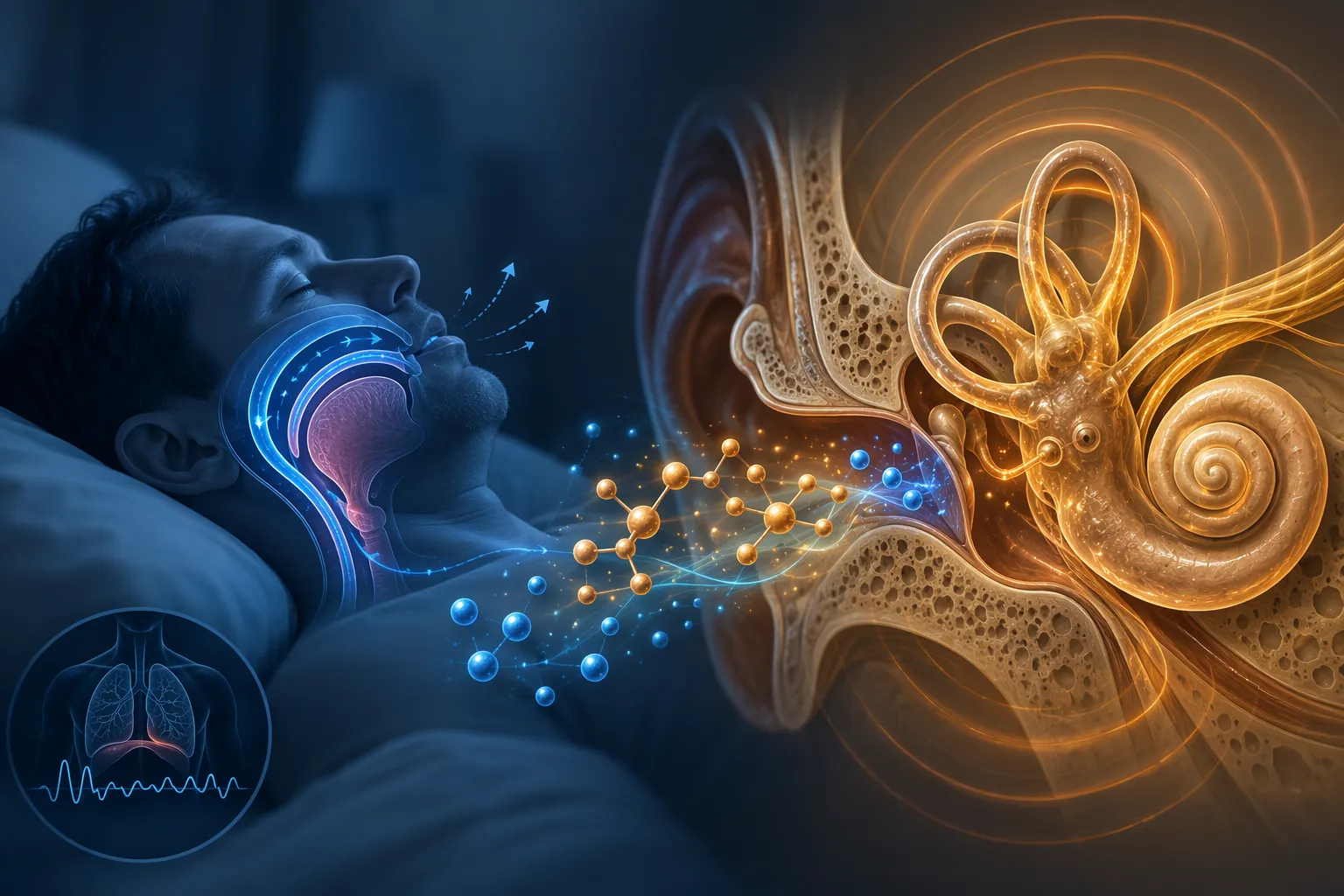
  • Obstructive Sleep Apnea: Symptoms, Causes, Diagnosis, and Treatment Options
    Sleep ConditionsSleep-related breathing disorder

    Obstructive Sleep Apnea: Symptoms, Causes, Diagnosis, and Treatment Options

    A clinically grounded guide to obstructive sleep apnea covering how airway collapse happens during sleep, why the condition is so often missed — especially in women — and what the current evidence says about diagnosis and treatment, from CPAP and oral appliances to the first FDA-approved OSA medication.

    First-line: CPAP (continuous positive airway pressure) — most efficacious for eliminating respiratory events across all OSA severity levels
    Reviewed: Jun 6, 2026
    Populations: Adults with obesity, men 30–69, women 50+ and postmenopausal, PCOS, Hispanic, Black, and Asian adults, elderly
    Read condition page →
  • Perimenopause and Sleep Disruption: Causes, Symptoms, and Evidence-Based Solutions
    Sleep ConditionsInsomnias

    Perimenopause and Sleep Disruption: Causes, Symptoms, and Evidence-Based Solutions

    Sleep problems affect up to 47% of perimenopausal women and are driven by four distinct biological pathways — not just night sweats. This guide explains the hormonal, circadian, and cognitive mechanisms behind perimenopause sleep disruption, identifies associated sleep disorders including underdiagnosed OSA, and presents an evidence-graded treatment hierarchy from CBT-I through hormone therapy and non-hormonal options.

    First-line: CBT-I (Cognitive Behavioral Therapy for Insomnia) — AASM/ACP-endorsed; supported by MsFLASH pooled RCT analysis and multiple trials in perimenopausal women; effective regardless of vasomotor symptom status
    Reviewed: Jun 7, 2026
    Populations: Perimenopausal women aged 38–55, women with vasomotor symptoms, women with mood or anxiety comorbidity
    Read condition page →
  • Restless Legs Syndrome: Symptoms, Diagnosis, and the 2025 Treatment Shift
    Sleep ConditionsSleep-related movement disorders

    Restless Legs Syndrome: Symptoms, Diagnosis, and the 2025 Treatment Shift

    A comprehensive condition reference for adults experiencing nocturnal leg discomfort — covering the five IRLSSG diagnostic criteria, the brain iron-dopamine mechanism, and the 2025 AASM guideline reversal that moves gabapentinoids and iron supplementation to first-line while recommending against the long-standard dopamine agonists.

    First-line: Iron evaluation and supplementation (oral ferrous sulfate or IV ferric carboxymaltose based on ferritin level); gabapentin enacarbil (strong recommendation); gabapentin and pregabalin (conditional recommendations); per 2025 AASM guidelines
    Reviewed: Jun 9, 2026
    Populations: Adults 30–65, women (at least 2x risk), adults 65+, pregnant women (up to 30% in third trimester), perimenopausal women, adults with iron deficiency or chronic kidney disease
    Read condition page →
  • Restless Legs Syndrome and Perimenopause Insomnia: Causes, Symptoms, and Treatment Options
    Sleep Conditionsinsomnias, movement disorders

    Restless Legs Syndrome and Perimenopause Insomnia: Causes, Symptoms, and Treatment Options

    For women in perimenopause, restless legs syndrome is a biologically distinct sleep disruptor driven by estrogen fluctuations, dopamine signaling changes, and chronically low ferritin — not just general menopausal restlessness. This article explains the three-pathway mechanism behind RLS in midlife women, how it compounds hot-flash and circadian insomnia, and what the 2025 AASM treatment guidelines now recommend.

    First-line: Aggravator removal, iron supplementation (IV ferric carboxymaltose for clinically significant RLS; oral ferrous sulfate conditional), CBT-I for insomnia component, alpha-2-delta ligands (gabapentin enacarbil, gabapentin, pregabalin)
    Reviewed: Jun 6, 2026
    Populations: perimenopausal women, menopausal women, women 40–55, adults with iron deficiency
    Read condition page →
  • Shift Work Disorder: Symptoms, Causes, and Treatment
    Sleep ConditionsCircadian rhythm sleep-wake disorder

    Shift Work Disorder: Symptoms, Causes, and Treatment

    Shift work disorder is a clinically recognized circadian rhythm sleep disorder — not simply the expected tiredness of working odd hours — that affects an estimated 10–40% of shift workers and carries real long-term health risks if left unmanaged. This guide explains the diagnostic criteria, the biology of circadian misalignment, and a tiered treatment approach that prioritizes light therapy and melatonin before pharmacology.

    First-line: Circadian realignment via timed bright light therapy and melatonin as a phase-shifter, combined with light avoidance post-shift and schedule optimization
    Reviewed: Jun 7, 2026
    Populations: Night shift workers, rotating shift workers, early-morning shift workers, morning chronotypes
    Read condition page →
  • Sleep Anxiety and Insomnia: The Bidirectional Link, Causes, and Evidence-Based Treatment
    Sleep Conditionsinsomnias

    Sleep Anxiety and Insomnia: The Bidirectional Link, Causes, and Evidence-Based Treatment

    Anxiety and insomnia are not simply co-occurring problems — they form a self-reinforcing neurobiological loop through hyperarousal, HPA axis dysregulation, and conditioned arousal. This article explains the mechanisms driving that cycle, how different anxiety disorders produce distinct sleep disruption profiles, and why CBT-I is the evidence-based first-line treatment that addresses both conditions simultaneously.

    First-line: Cognitive Behavioral Therapy for Insomnia (CBT-I), per AASM 2026 guideline; preferred over medication alone and over combination therapy
    Reviewed: Jun 8, 2026
    Populations: adults with GAD, adults with panic disorder, adults with PTSD, adults with anxiety-related conditions broadly
    Read condition page →