
Why LA nights stay hot
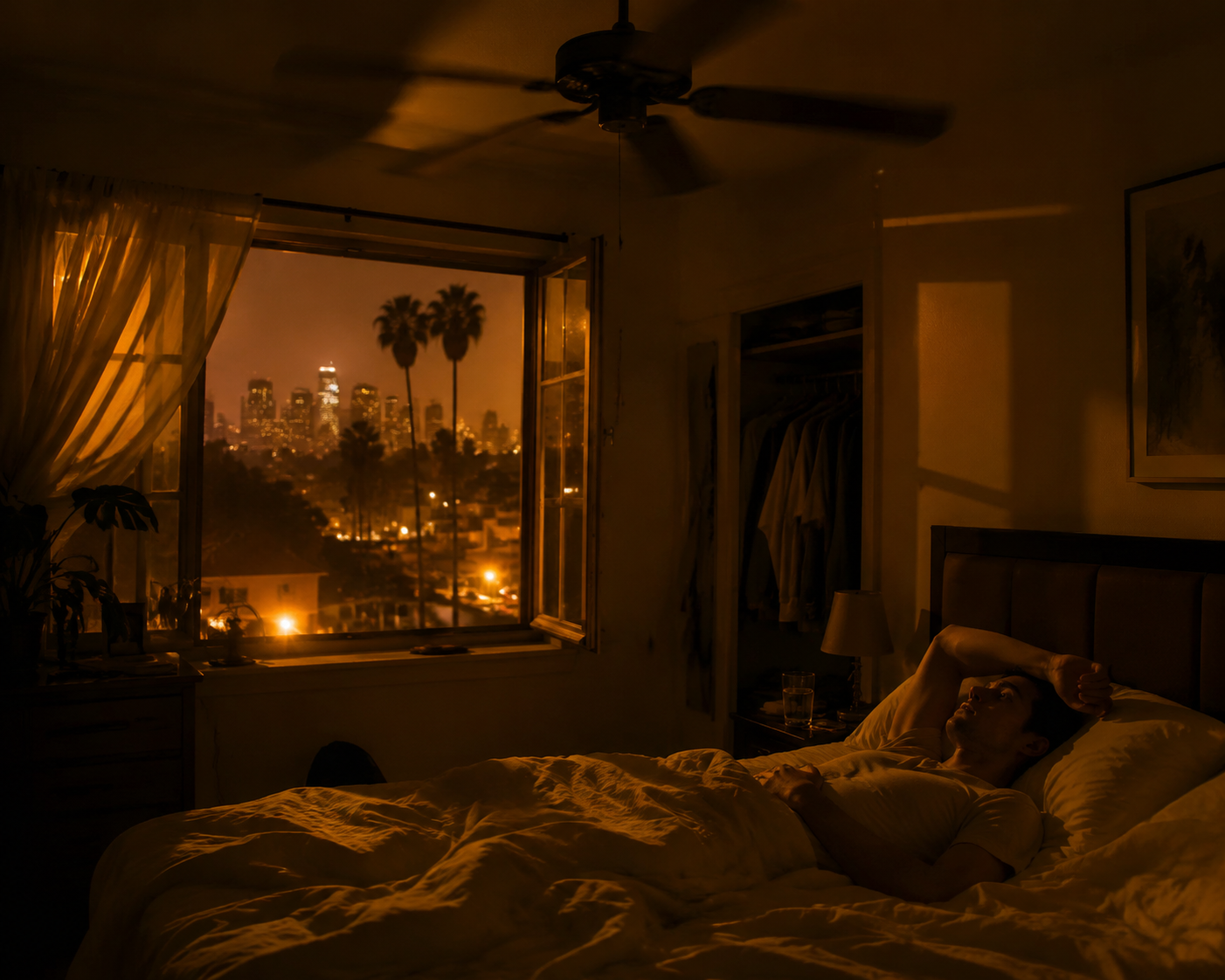
Los Angeles heat is not just uncomfortable; it is the kind that keeps a bedroom warm after midnight, which is exactly when the usual advice starts sounding useless. A small LA community cohort found indoor nighttime temperatures in marginalized neighborhoods averaging 5 C hotter than outdoor readings, and each 5 C indoor increase cost 23 minutes of sleep [1]. The sample was small, so it should not be overread as the whole city, but it is the right kind of warning sign for renters and apartment dwellers who already know the room can stay hot long after sunset.
The local result lines up with bigger studies instead of standing alone. USC researchers, using about 12 million Fitbit-recorded nights, found West Coast adults lose nearly three times as much sleep from heat as people in other U.S. regions and projected 8.5 to 24 hours of annual sleep loss per person by 2099 [2]. A separate Nature Communications study, based on 23 million sleep records, found that each 10 C increase in temperature raised the odds of insufficient sleep by 20.1 percent, cut deep sleep by 2.82 percent, and trimmed total sleep by 9.67 minutes [3]. Those wearable-based and modeled estimates have limits, but they point in the same direction: even modest nighttime warming reliably steals sleep, especially the deep sleep people feel the next morning.
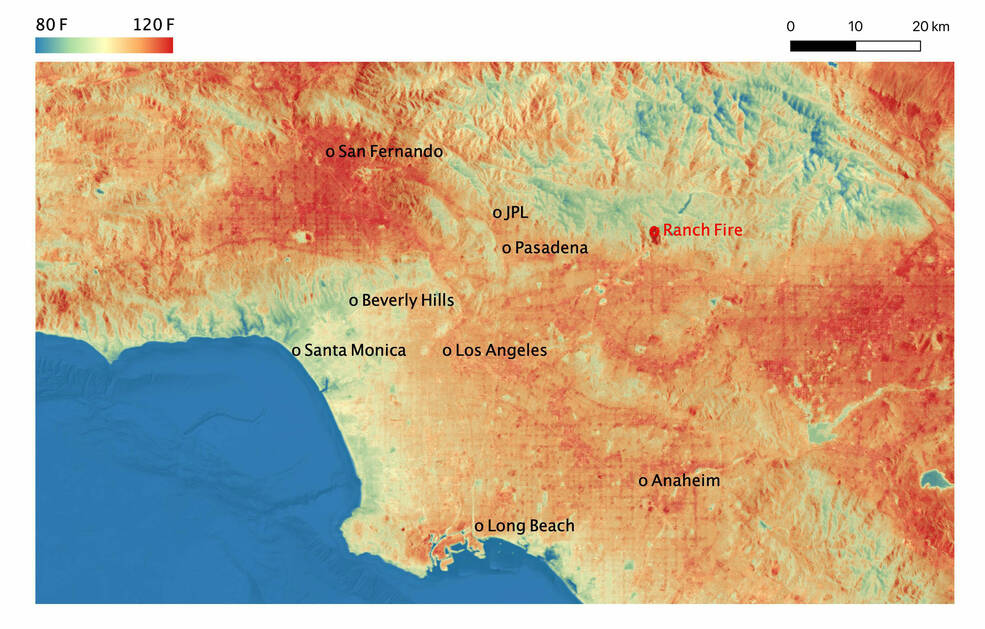
That fits the physiology. The body needs a cooler core temperature to fall asleep and stay asleep, and heat hits slow-wave sleep, the restorative stage tied to physical recovery and memory consolidation, especially hard [3]. Los Angeles makes that harder in ways that are easy to miss if you only look at the forecast: urban heat island effects, low AC penetration in some coastal neighborhoods, and nights that cool slowly after sunset. UCLA has also noted that neighborhoods with the least access to cooled spaces bear heavier heat harm, and that above 95 F a standalone fan can worsen heat stress rather than relieve it [4].
What actually helps tonight
The point is not to collect clever tricks. It is to lower the bedroom's heat burden and the body's heat burden in the right order. In LA, the best bets are the ones that cool you before bed, reduce trapped heat around you, and only then lean on airflow.
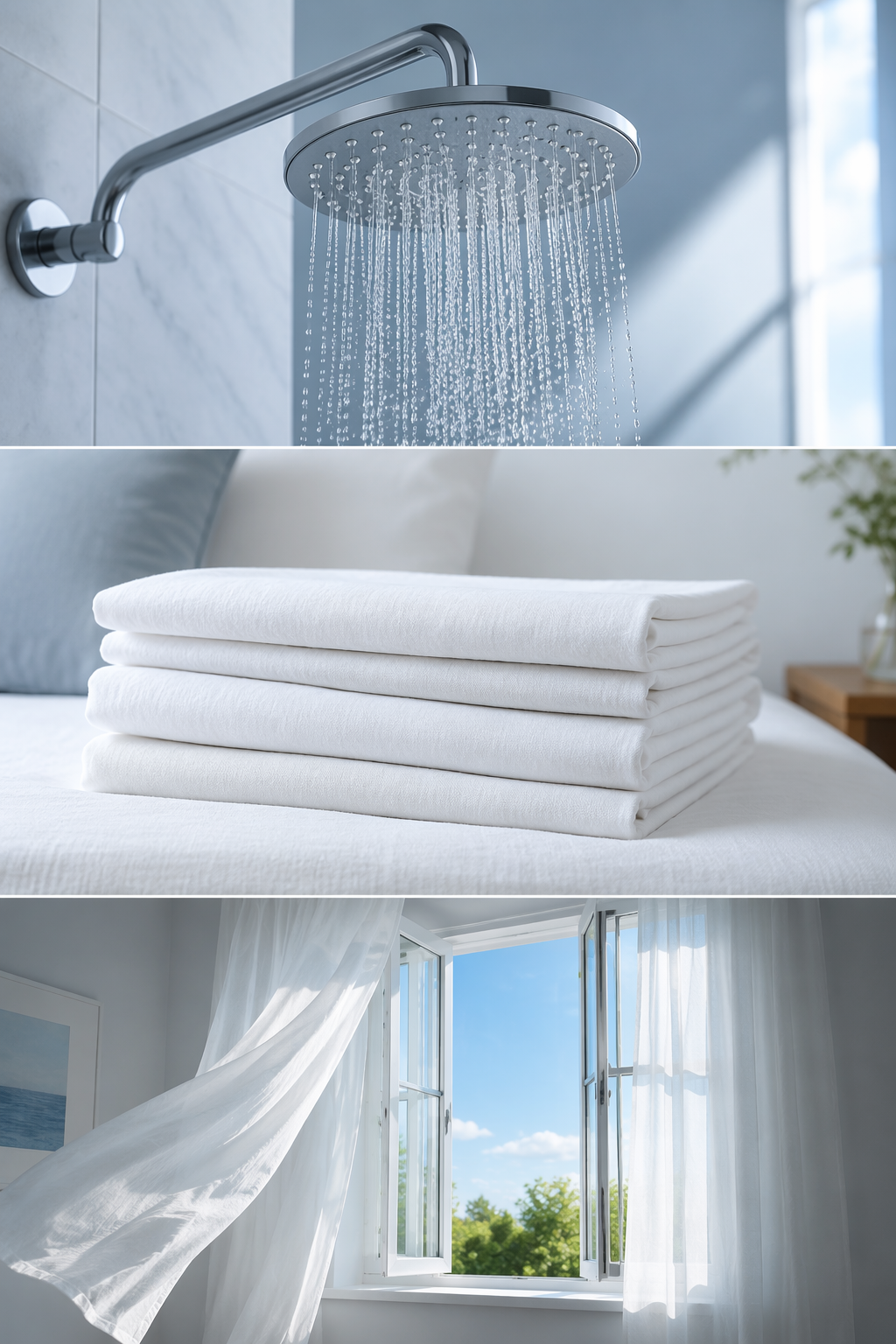
- Take a cool shower 1 to 2 hours before bed. That timing matters because it lowers core heat before sleep without the rebound warming that can happen if you wait until lights-out.
- Use breathable natural-fiber bedding. Linen usually breathes best, then cotton, then bamboo; synthetics hold heat and moisture the longest.
- Create cross-ventilation only when the outdoor air is actually cooler. Open opposite windows, use the coastal breeze if it is moving, and let air cross the room instead of leaving one window cracked and hoping for the best.
- Freeze a pillowcase for 15 to 20 minutes before use. It is a short-lived reset for the first part of the night, not an all-night solution.
- Sleep on the lowest floor available. Upstairs rooms and top-floor apartments usually keep the day's heat longest.
- Skip alcohol and heavy late meals. Both make it harder to regulate temperature and settle into sleep.
- Try the chilled-socks trick if your feet run hot. It sounds odd, but some people dump a little extra heat that way before bed.
The fan decision needs more care than people want to admit. UCLA's warning is the useful boundary: above 95 F, a standalone fan can worsen heat stress rather than relieve it [4]. If the room is already hot and the air outside is hotter, the fan mostly moves hot air around. If the outside air is cooler, use the fan to pull that cooler air through the room and over the bed.
When the room will not cool down
If the bedroom will not come down, use the local network instead of waiting for the apartment to magically cooperate. LA County cooling centers are searchable through 211 or ready.lacounty.gov/heat [5], and the City of Los Angeles keeps a practical heat-wave tips page at dpw.lacity.gov/blog/city-los-angeles-heat-wave-resources-tips [6]. In unincorporated County areas, rental habitability rules also include an indoor cooling standard, but coverage varies by city jurisdiction, so the first move is still to check which government actually covers the unit.
The useful test is not whether the night feels officially hot enough to complain about. It is whether you can get the room cool enough that sleep does not keep breaking apart. In Los Angeles, that usually means layered cooling, not one heroic hack: cool the body first, reduce trapped heat in the bedding and air, respect the fan's limits, and use county or city resources when the bedroom itself is the problem.
References
- Ambient and Bedroom Heat in Relation to Sleep Health in a Marginalized Community That Is One of the Hottest in Los Angeles — PubMed
- Study links rising temperatures to reduced sleep in U.S. adults — Keck School of Medicine of USC, Dec. 2025
- Climate warming may undermine sleep duration and quality in repeated-measure study of 23 million records — Nature Communications, Mar. 2025
- What do we know – and need to know – about extreme heat? — UCLA Newsroom
- Heat — Los Angeles County
- City of Los Angeles Heat Wave Resources & Tips — City of Los Angeles Department of Public Works
Comments
Join the discussion with an anonymous comment.