Mechanism explainer
How to adjust sleep when daylight saving time ends in 2026
Daylight saving time ends at 2 a.m. on Sunday, November 1, 2026 — and clocks still fall back this year. Because standard time is the phase your circadian clock prefers, the fall transition can be a real recovery opportunity when you use an evidence-backed adjustment plan.
Daylight saving time ends at 2 a.m. on Sunday, November 1, 2026. In the United States, clocks fall back to 1 a.m. standard time, so the civil clock gives you one repeated hour overnight. [1]
As of today, clocks still change on November 1. The U.S. House passed a bill to make daylight saving time permanent on July 14, 2026, by a 308–117 vote, but the Senate has not voted and no law has been signed. Unless that changes before November, the fall-back happens. [2]
This is the gentler clock change, but not because any clock change is automatically harmless. Fall-back returns the country to standard time, the clock setting that better matches the body’s need for morning light and earlier evening darkness. Harvard sleep-medicine specialist Charles Czeisler has put it plainly: standard time is “the time zone we should really stay on year-round.” [3]
The catch is Saturday night. If “we gain an hour” turns into one more episode, one more drink, one more late drive, or one more hour of scrolling, the recovery window is gone before the clock has even moved. The sleep adjustment is not complicated, but it does need to be treated like timing, not trivia.
Why fall-back usually feels easier than spring-forward
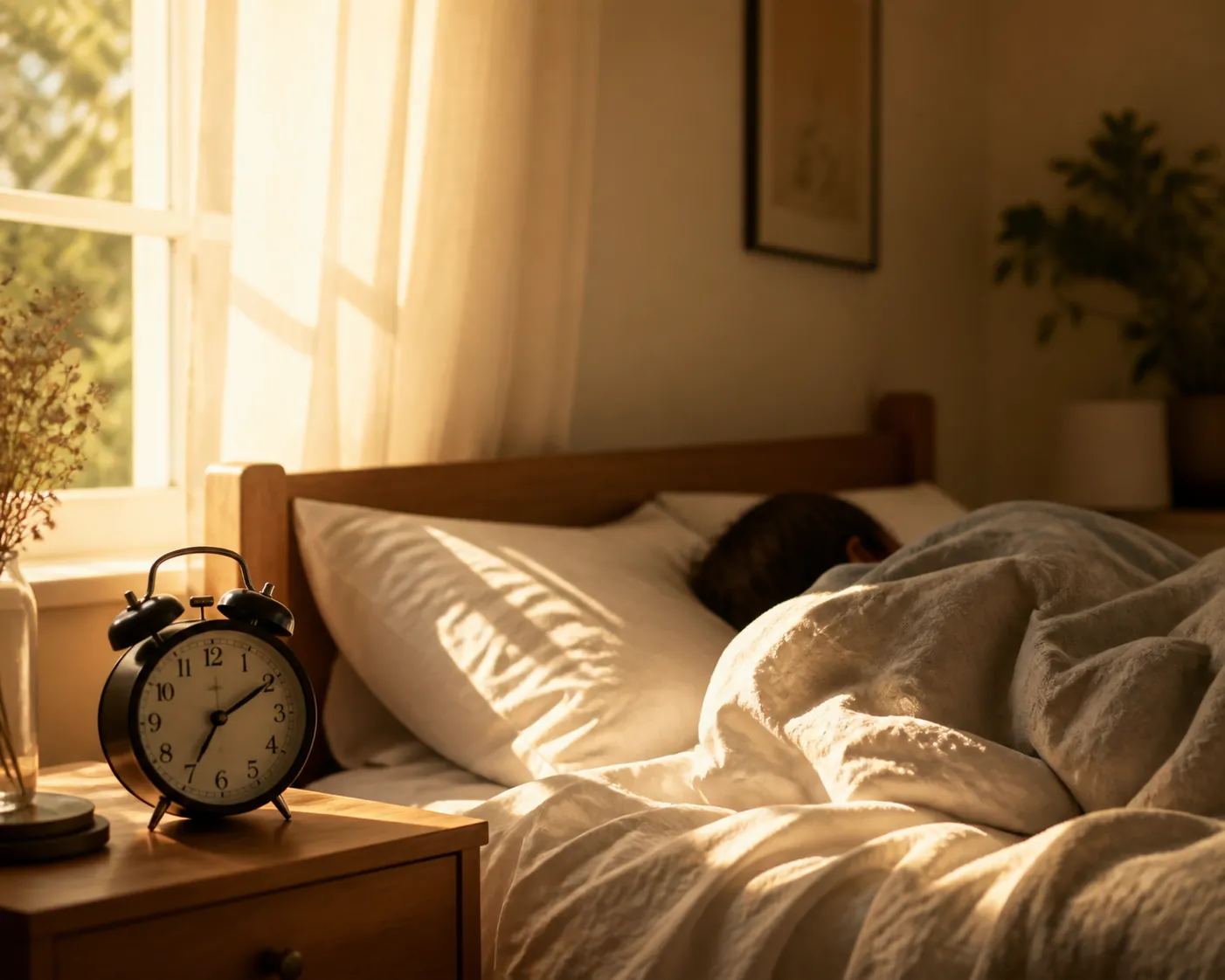
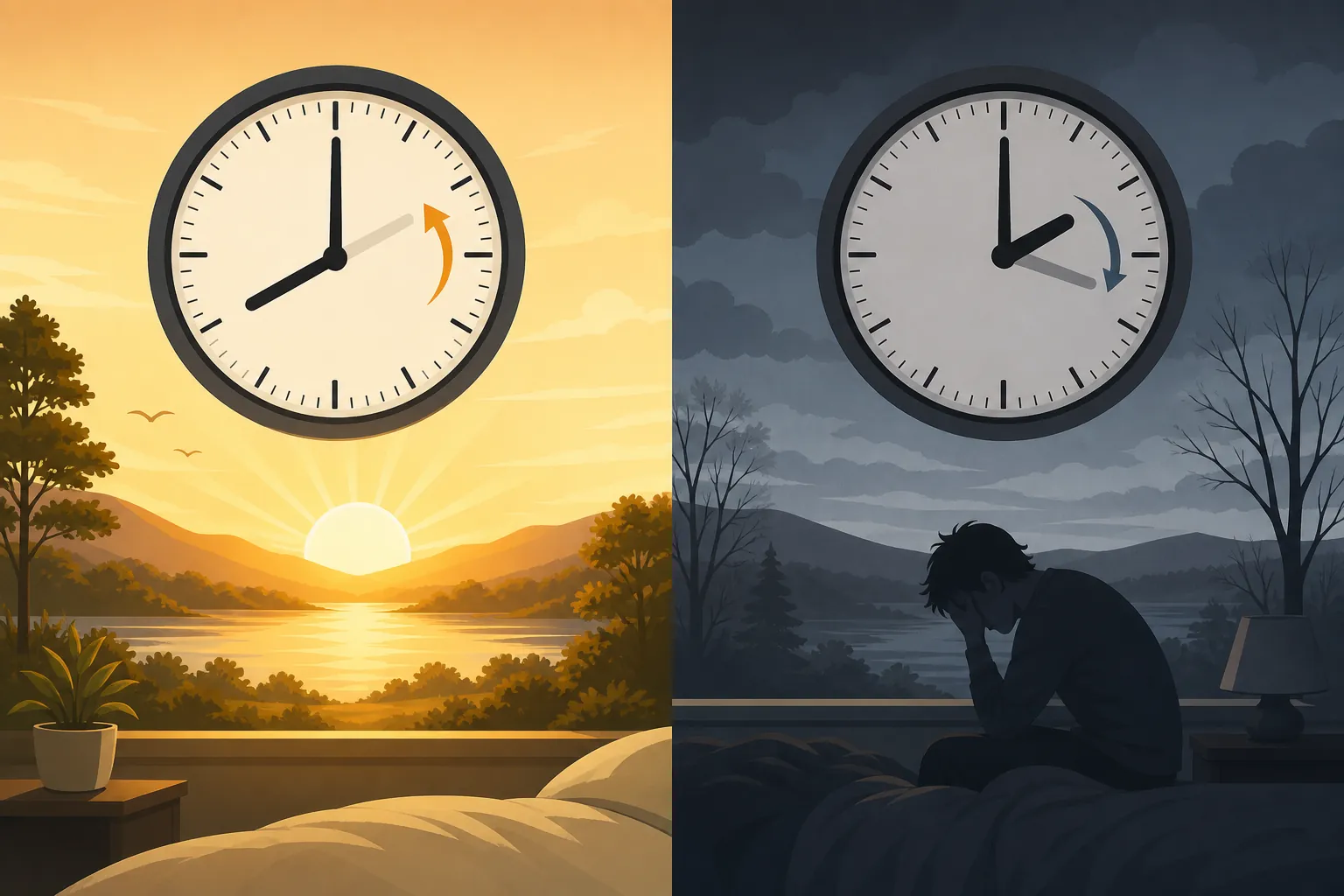
Spring forces the clock earlier. Fall moves the clock back toward standard time. That difference matters because the circadian system is strongly trained by morning light. When light arrives earlier by the clock on Sunday morning, it can help anchor wake time rather than push the body deeper into a late schedule.
The newer evidence is consistent with that distinction. In a 2026 University of Bristol PhD thesis using UK Biobank accelerometry data from 11,780 participants, sleep on the autumn clock-change Sunday was about 33 minutes longer than the previous Sunday, with a 95% confidence interval of 27 to 39 minutes. [4]
A 2026 systematic review of 157 epidemiological studies also separated the two transitions rather than treating daylight saving time as one uniform exposure. In that review, fall transitions were associated with increased sleep duration, decreased all-cause mortality, and fewer workplace accidents, while spring transitions were associated with higher myocardial infarction risk and increased U.S. fatal-traffic-accident risk. [5]
That does not promise that every person will feel better on Monday. Observational data can show patterns across large groups; it cannot tell whether your toddler wakes at 4:55 a.m., whether your insomnia flares, or whether you use the repeated hour for sleep. It does support a narrower, useful claim: fall-back gives many people a biologically favorable chance to recover some sleep, especially compared with spring-forward.
The 2026 fall-back sleep adjustment plan
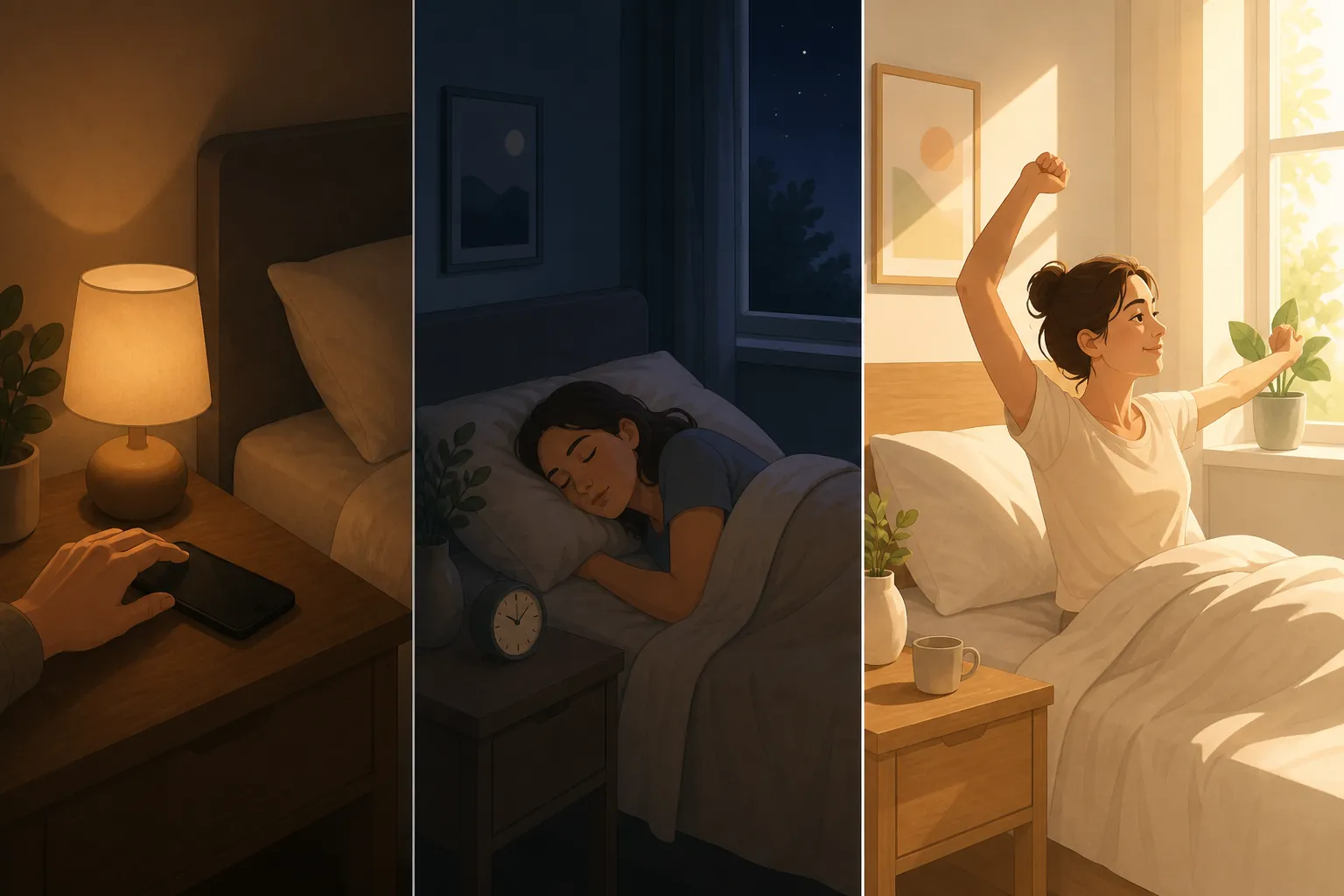
The plan below is built around one aim: arrive at Sunday night still able to sleep. Sunday morning may feel pleasant, but Sunday evening is where many people lose the benefit by napping too long, drinking caffeine too late, or letting the whole day drift.
| When | What to do | Why it matters |
|---|---|---|
| A few nights before | If you are generally well rested, move bedtime 15–20 minutes later for a few nights. If you are chronically sleep-deprived, do not spend energy pre-shifting; protect the extra sleep instead. | A gradual delay can soften the timing change, but sleep-deprived people often need recovery more than rehearsal. [1] |
| Saturday evening | Set clocks back before bed, keep the evening dim, and go to bed at your normal clock time rather than staying up to “use” the extra hour. | The repeated hour helps only if it becomes sleep, not extra wakefulness. [1] |
| Overnight | Keep lights low if you wake. Avoid checking bright screens just because the clock looks confusing. | Light in the biological night can make it harder to return to sleep and can blur the new timing cue. |
| Sunday morning | Wake close to your usual Sunday wake time. If sunrise wakes you too early, block light until your target wake time; then get bright outdoor light soon after you are up. | Morning light is the strongest practical cue for aligning the body clock with standard time. [6] |
| Sunday day and evening | Keep caffeine cut off by mid-afternoon, avoid a long late nap, eat dinner on the earlier side for a few days if meals tend to drift, and protect Sunday bedtime. | The day after the change should set up Monday alertness, not just Sunday comfort. [6] |
If you start adjusting before the weekend
For a well-rested adult with a fairly stable schedule, the American Academy of Sleep Medicine’s fall guidance allows a small delay: shift bedtime 15 to 20 minutes later for a few nights before the change. [1] This is fall-specific. It is not the same as spring, when the problem is losing an hour and trying to move sleep earlier.
But if you are already short on sleep, the better move may be to stop optimizing and simply bank the recovery. A chronically sleep-deprived caregiver, resident physician, shift worker, or parent of a young child does not need a perfect miniature phase-shift experiment on Thursday night. They need not to donate Saturday’s repeated hour to a screen.
If you want a fuller day-by-day calendar for both 2026 clock changes, use the site’s 2026 daylight saving time sleep schedule. This article is deliberately narrower: how to use the November fall-back without turning it into a Monday problem.
Saturday night: do not spend the hour early
Set clocks back on Saturday evening. That removes one small but surprisingly common source of overnight confusion: waking at 2:30, checking the time, doing clock arithmetic, and becoming fully alert. Then keep the night boring. Dim light, ordinary bedtime routine, no celebratory “extra” hour. [1]
There is room to enjoy the seasonal feeling of the fall change. A quieter evening, earlier darkness, and the relief of not losing an hour are real pleasures. The boundary is simple: enjoy the evening in ways that still let the repeated hour become sleep. A late, bright, stimulating Saturday night is how the gentler transition becomes a self-made spring-forward.
Sunday morning: use light deliberately
Sunday morning is where fall-back becomes biologically useful. Once you are at your intended wake time, get bright light early, ideally outdoors. Light through a window is better than a dark room, but outdoor morning light is the stronger cue. [6]
If the earlier sunrise wakes you before your target time, do the opposite until then: keep the room dark, use a sleep mask if needed, and avoid treating an accidental early waking as the official start of the day. The cue should be timed, not random. [6]
This is also why generic “go to bed earlier” advice misses the fall transition. The more important anchor is often the morning: wake time, light timing, and the first few hours of the day. For a deeper walk-through of light exposure around clock changes, see the site’s daylight saving sleep adjustment guide.
Sunday night: protect the landing
The most useful fall-back plan is not finished at brunch. Sunday night has to remain sleepable. Keep caffeine cut off by mid-afternoon, avoid a long or late nap, and do not let dinner slide much later than usual. Harvard’s practical guidance also suggests moving dinner about an hour earlier for a few days and using a sleep mask if the earlier sunrise becomes disruptive. [6]
If you nap, keep it brief and early enough that it does not compete with bedtime. The point is not to make Sunday austere. It is to prevent the common sequence: sleep in, nap late, drink afternoon caffeine, miss Sunday bedtime, then wonder why Monday morning feels worse than expected.
Safety matters more than whether the clock change feels easy
The fall transition can increase sleep duration on average, but average sleep is not the same as safe alertness for every driver on Monday. The AASM reported in 2025 that 41% of U.S. adults said sleepiness had affected their safe driving, and cited AAA Foundation data that about 1 in 6 fatal crashes involves a drowsy driver. [7]
That is the practical reason to be stricter than the mood of the weekend might suggest. If you are driving a child to school, covering an early shift, caring for someone overnight, or commuting before sunrise, do not judge readiness by whether you technically gained an hour. Judge it by alertness: heavy eyelids, drifting attention, head nodding, missing turns, or needing stimulation just to stay awake are warning signs.
The safest adjustment is boring: enough sleep Saturday, bright light after the intended Sunday wake time, caffeine early rather than late, and a Sunday bedtime that does not slide. None of those steps is glamorous. They are also the steps that keep the clock change from landing on the person in the driver’s seat.
Who may need extra care
The evidence is much stronger for the general fall-versus-spring pattern than it is for highly tailored DST protocols by life stage, diagnosis, or neurotype. So the safest advice here is cautious: use the same core anchors, but lower the threshold for extra planning if your sleep is already fragile.
- Chronic sleep debt: Do not treat the repeated hour as spending money. Keep Saturday bedtime ordinary and let the extra hour become actual sleep.
- Existing insomnia: Avoid clock-watching during the repeated hour. Keep the room dark overnight and protect Sunday evening from late caffeine, long naps, and schedule drift.
- Severe daytime sleepiness: Make Monday driving and early-morning responsibilities the safety priority. If sleepiness is intense, recurring, or unsafe, that deserves clinical attention rather than another round of timing hacks.
- Caregivers and parents: Children, older relatives, pets, and medication schedules may respond to the clock, the body, or both. Shift household cues gradually where possible, but protect the adult caregiver’s sleep as a safety issue.
- Older adults and pregnant readers: DST-specific evidence is limited. Use conservative anchors: stable wake time, morning light after the intended wake time, predictable meals, and avoidance of late-day caffeine.
- ADHD adults or people with delayed sleep-wake timing: The fall change may feel easier than spring, but delayed rhythms do not reset just because the clock does. Keep the Sunday morning light cue deliberate and avoid letting the whole weekend drift later.
For a broader discussion of why permanent clock policies may burden some groups more than others, see the site’s permanent daylight saving time unequal-burden FAQ. For the circadian mechanism behind clock-change disruption, the companion explainer on daylight saving time and sleep disruption goes deeper without turning this adjustment guide into a textbook.
A brief word on permanent time
The policy debate is real, but it should not hijack your November sleep plan. Sleep-medicine organizations have generally favored permanent standard time over permanent daylight saving time because standard time better aligns social clocks with morning light. The AASM position statement supporting permanent standard time was endorsed by 20 organizations. [8]
That position can coexist with the more precise 2026 evidence: spring-forward is the harsher transition, while fall-back may bring measurable short-term benefits. The question for November 2026 is not whether the national clock debate is settled. It is whether your household treats the return to standard time as a recovery window.
When to expect adjustment
Most people adjust to a daylight saving time change within about a week. [9] Fall-back may be easier than spring-forward, but lingering insomnia, severe daytime sleepiness, unsafe drowsiness while driving, or a sleep schedule that still feels derailed after roughly one to two weeks is a reason to seek clinical evaluation rather than keep blaming the clock. [1][9]
For daylight saving time ending in 2026, the best outcome is modest and worth protecting: a steadier Sunday wake time, deliberate morning light, safer alertness, and a preserved night of sleep instead of a squandered “free hour.”
References
- Daylight Saving Time, AASM Sleep Education
- US House votes to make daylight saving time permanent, Reuters, July 14, 2026
- Daylight Saving Time Is Bad for Your Health. Why Is It So Hard to Get Rid Of?, The New York Times, July 27, 2026
- The effects of daylight saving time clock changes on sleep and health, University of Bristol, 2026
- Daylight saving time clock changes and health: a systematic review, European Journal of Epidemiology, 2026
- Tips to help adjust your sleep for daylight saving time, Harvard Medical School Division of Sleep Medicine
- Falling back could leave you drowsy behind the wheel, AASM Sleep Education
- Daylight saving time: an American Academy of Sleep Medicine position statement, Journal of Clinical Sleep Medicine
- 7 Things to Know About Daylight Saving Time, Johns Hopkins Bloomberg School of Public Health
Supports these guides
Spot an error or have clinical feedback?
Because this article covers clinical, medication, or safety information, we use a moderated correction channel instead of open public comments. Let us know if something about “How to adjust sleep when daylight saving time ends in 2026” needs a closer look.
Send feedback on this article