
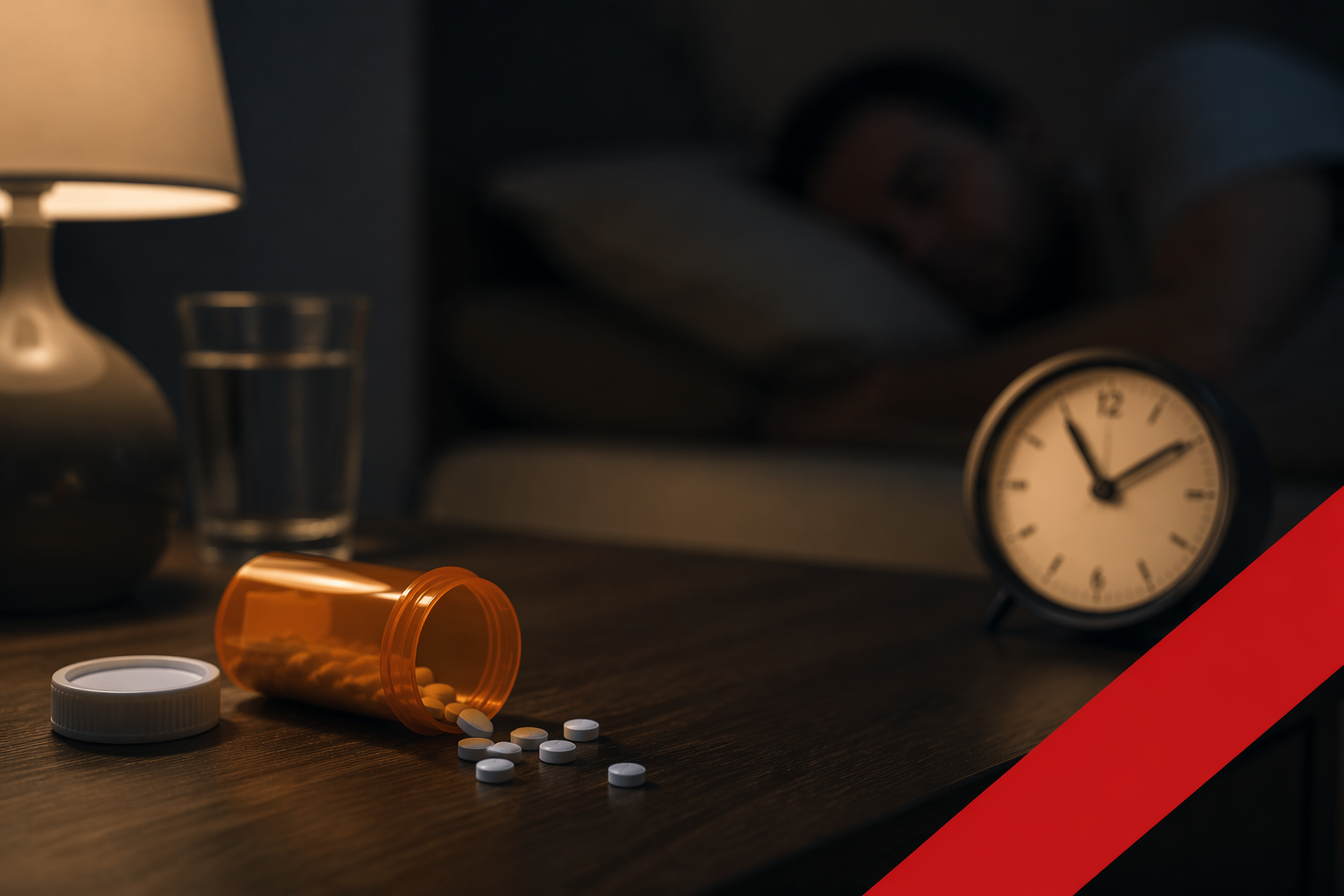
If you have been using cetirizine’s drowsiness as a sleep aid, check the bottle before tonight’s dose. In July 2026, Unique Pharmaceutical Laboratories, a J.B. Chemicals & Pharmaceuticals company, voluntarily recalled four lots of cetirizine HCl 5 mg tablets because of ranitidine cross-contamination. The affected lots are GY825029, GY825030, GY825031, and GY825032; the NDC is 16571-401-10; the listed expiration is 10/2028. The FDA alert says the ranitidine contamination could cause life-threatening hypersensitivity reactions, including anaphylaxis, in people who are sensitive to ranitidine.[1]
That is a different problem from ordinary cetirizine sleepiness. The recall is about a contamination hazard in specific lots, not about cetirizine suddenly becoming more sedating. But if a bottle has moved from the allergy shelf to the nightstand, the recall deserves more attention: a medicine being used outside its intended purpose is now carrying an additional risk for some people.
Check the Label Before You Take Another Tablet
Do not rely on the front of the package alone. Generic cetirizine bottles can look similar, and the recall applies to specific manufacturing details. Turn the bottle or box until you find the lot number, NDC, and expiration date. If the bottle has been poured into a pill organizer and the original package is gone, treat that uncertainty seriously and contact the pharmacy, prescriber, or retailer before using more.
| What to Check | Affected Recall Detail |
|---|---|
| Drug | Cetirizine HCl 5 mg tablets |
| Company | Unique Pharmaceutical Laboratories / J.B. Chemicals & Pharmaceuticals |
| Recall date | Voluntary recall initiated July 18, 2026; FDA alert dated July 20, 2026 |
| Lot numbers | GY825029, GY825030, GY825031, GY825032 |
| NDC | 16571-401-10 |
| Expiration | 10/2028 |
| Reason | Ranitidine cross-contamination, with potential life-threatening hypersensitivity reactions in ranitidine-sensitive individuals |
If your bottle matches the recalled lot information, stop using that supply. The reason is not mild next-day fogginess; it is the possibility of a serious allergic-type reaction in ranitidine-sensitive people. If you have symptoms that could suggest anaphylaxis, such as trouble breathing, swelling of the face or throat, or a severe sudden reaction after taking a tablet, seek emergency care.
Because the recall was new as of this writing on July 23, 2026, verify the current scope on the FDA recall page or with a pharmacist. Early recall notices can be updated. A bottle that does not match these four lots is not part of this specific notice based on the information available now, but that does not make cetirizine a good nightly insomnia treatment.
This Is Not the Same as the Old Ranitidine Story
Ranitidine has its own complicated history. It was withdrawn from the U.S. market in 2020 because of NDMA contamination concerns, and a reformulated version was approved in 2025.[1] The cetirizine recall is narrower: it concerns ranitidine cross-contamination in four cetirizine lots, not a general finding that cetirizine products contain ranitidine or that all generic Zyrtec is being reformulated.
That distinction matters because it changes the action. A recalled bottle should be stopped and handled through the recall process. An unaffected bottle still should not be treated in your own routine as “sleep medicine” just because it is an allergy medicine that makes you sleepy.
Why Cetirizine Can Make You Drowsy
Cetirizine is a second-generation antihistamine, which is why many people think of it as the less sedating cousin of older drugs such as diphenhydramine. Less sedating does not mean non-sedating. Cetirizine can partially cross the blood-brain barrier; it does so more than loratadine or fexofenadine, but less than first-generation antihistamines.[2]
In adults taking 10 mg, drowsiness is reported at about 11% to 14%, and clinical-study data cited in drug references report somnolence in 13.7% of cetirizine users compared with 6.3% of placebo users.[2][3] That is enough for a person to notice a pattern: take the allergy tablet, feel heavy, fall asleep more easily. It is not enough to prove the sleep is good treatment for insomnia.
The timing can also work against you. Cetirizine’s elimination half-life is about 8.3 to 10.6 hours, which means an evening dose may still be relevant the next morning.[2] The result may be less “I slept well” than “I got through the night and woke up dulled.”
Sleepiness Is Not the Same Thing as Restorative Sleep
A medicine can make wakefulness harder without repairing the sleep problem underneath. That is the trap with cetirizine. Drowsiness is a side effect. It may help someone stop staring at the ceiling for a night or two, but it does not train the sleep system back into a stable rhythm, and it is not recommended as treatment for chronic insomnia.
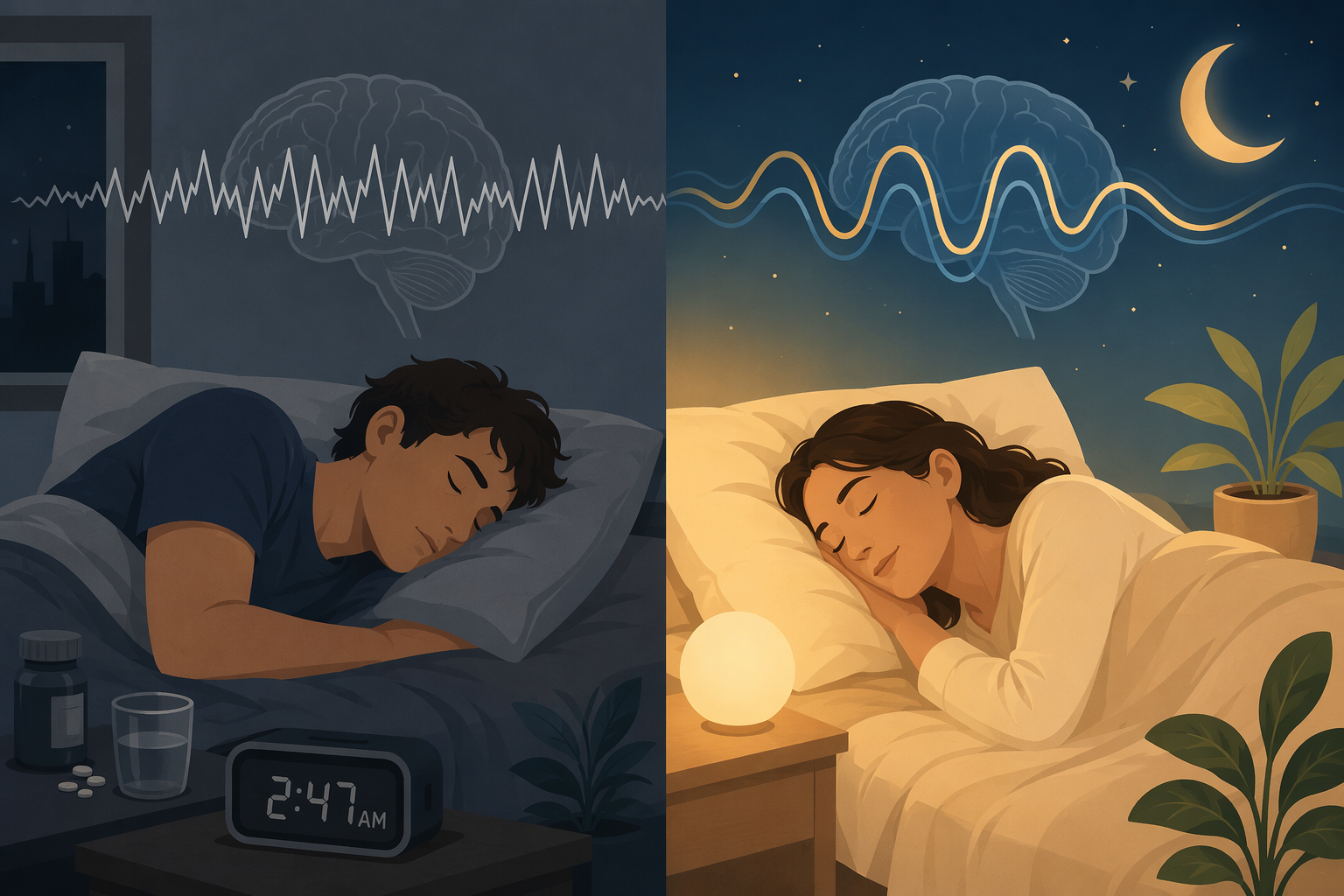
This is where the nightly workaround starts to fail people. Mayo Clinic and UCLA Health both warn that tolerance to the sedating effect of antihistamines can develop quickly, within roughly two weeks of daily use.[4][5] The person who began with half a tablet because it felt gentle may find that it no longer works, or that it only works by leaving the next day feeling less sharp.
The American Academy of Sleep Medicine guideline does not recommend antihistamines for chronic insomnia, and cognitive behavioral therapy for insomnia, or CBT-I, is considered first-line treatment.[6] That recommendation is not a moral judgment about reaching for an over-the-counter option at 1 a.m. It is a clinical judgment about what actually addresses insomnia rather than borrowing sedation from another drug category.
What If You Have Been Taking It Every Night?
Start with the recall question first. If your bottle matches the affected lot, stop using that supply and contact a pharmacist, retailer, or clinician about the safest next step. If your bottle does not match, the more ordinary question remains: why has an allergy medicine become part of your insomnia routine?
People do this for understandable reasons. Cetirizine is familiar, easy to buy, and less loaded than saying, “I cannot sleep.” It may feel safer than asking for a sleeping pill. But using it nightly can blur several problems together: allergy symptoms, insomnia, anxiety about sleep, and next-day fatigue caused or worsened by the medicine itself.
There is one more practical wrinkle for long-term daily users. The FDA has warned that severe itching, or pruritus, can occur after stopping long-term use of oral antihistamines, including cetirizine and levocetirizine.[7] That is not a reason to keep taking an affected recalled product, and it is not a reason to keep using cetirizine as a sleep aid. It is a reason to involve a clinician if you have been taking it daily and stopping suddenly creates intense symptoms.
Do Not Just Swap in Another Antihistamine
The obvious next move is to ask whether diphenhydramine or doxylamine would be better because they are FDA-labeled over-the-counter sleep aids for occasional sleeplessness. They are more overtly sedating than cetirizine, but that does not make them a clean nightly solution. They carry anticholinergic effects, and geriatric safety criteria caution especially against these medications in adults 65 and older because of risks such as confusion, falls, and cognitive concerns.[8]
For a rare bad night, labeled OTC sleep aids are a different category from using cetirizine off-label. For chronic insomnia, the more important line is between sedation and treatment. If sleeplessness is recurring, the better handoff is CBT-I, structured sleep hygiene, and a review of medical, psychiatric, medication, caffeine, alcohol, pain, or schedule factors that may be keeping the cycle alive.
The Practical Next Step
- Check your cetirizine bottle for lots GY825029 through GY825032, NDC 16571-401-10, and expiration 10/2028.
- Stop using any supply that matches the recalled lots and verify the latest FDA recall scope.
- Do not treat an unaffected cetirizine bottle as a nightly sleep aid.
- If you have used cetirizine daily for a long time, ask a clinician how to stop safely, especially if severe itching appears.
- Use this as the point to move toward evidence-based insomnia care, especially CBT-I and a structured sleep routine.
The recall is the immediate reason to check the bottle. The deeper reason to change course is simpler: cetirizine drowsiness was never a sound insomnia plan.
References
- FDA Safety Alert, U.S. Food and Drug Administration, July 20, 2026.
- Cetirizine, StatPearls.
- Cetirizine Side Effects, Drugs.com.
- Sleep aids: Could antihistamines help me sleep?, Mayo Clinic.
- UCLA Health guidance on allergy medications and sleep aids, UCLA Health.
- Clinical Practice Guideline for the Pharmacologic Treatment of Chronic Insomnia in Adults, American Academy of Sleep Medicine.
- FDA requires warning about severe itching after stopping long-term use of prescription and over-the-counter oral allergy medicines cetirizine and levocetirizine, U.S. Food and Drug Administration.
- American Geriatrics Society Beers Criteria, American Geriatrics Society.


Comments
Join the discussion with an anonymous comment.