
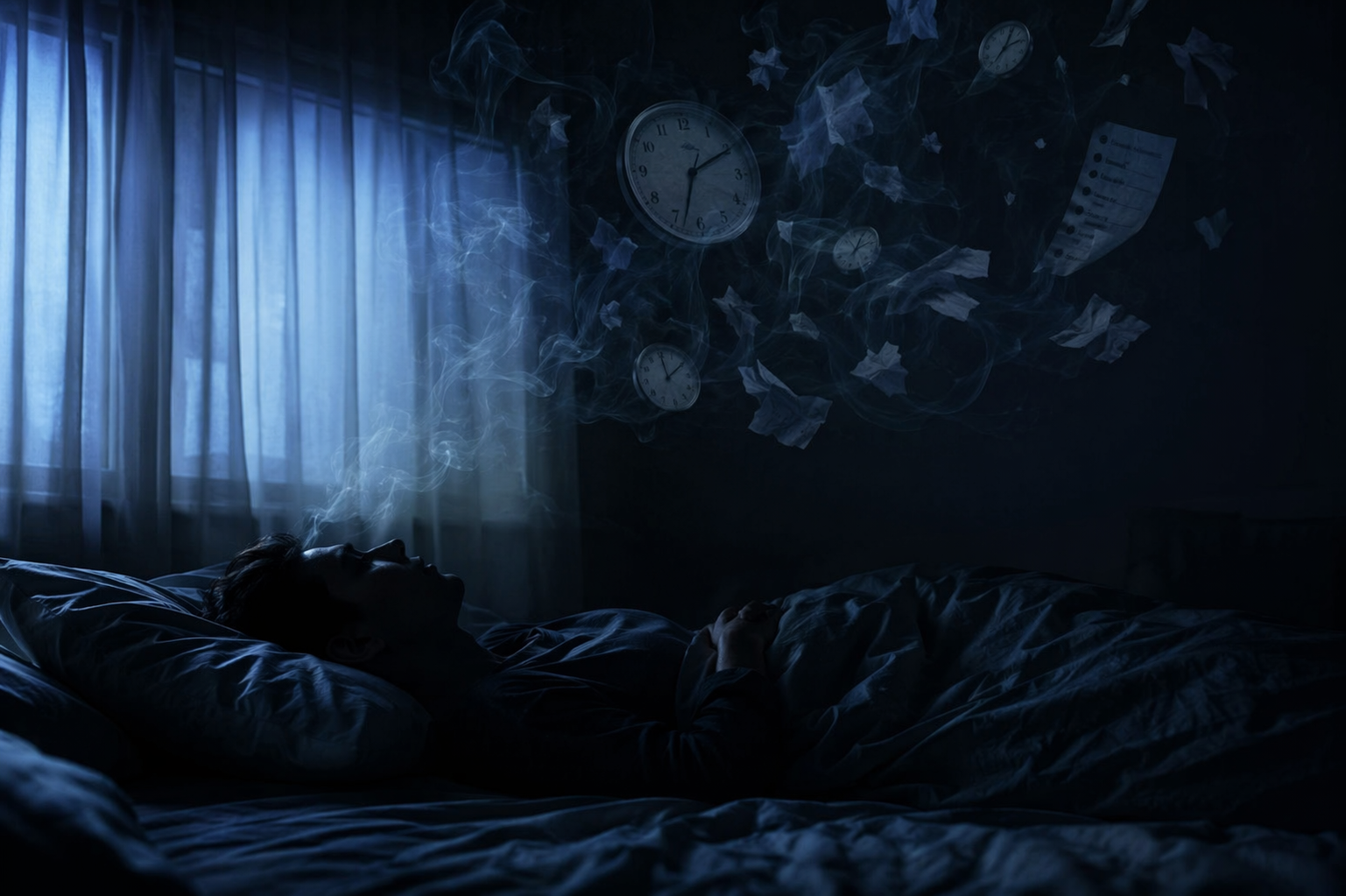
The familiar adult ADHD sleep story usually starts too late at night, after the “right” things have already been done. The room is dark. The phone is across the room, or at least face down. Caffeine stopped hours ago. The bedtime alarm went off. The body, however, did not receive the memo. At midnight, it is not winding down. It is arriving.
That is why the phrase “sleep aid for ADHD adults” can be misleading. If the problem is only arousal, a sedating medication or supplement may make someone feel drowsier. If the problem is a delayed circadian clock, sedation may simply press down on a system that still thinks the evening is not over.

That distinction matters because adult ADHD is not just associated with poor sleep habits. In the adult ADHD literature, delayed sleep-wake timing shows up as a measurable biological pattern. Reviews report delayed sleep-wake cycles in up to 78% of adults with ADHD, and dim-light melatonin onset, or DLMO, appears delayed by about 90 minutes compared with neurotypical controls.[1][2]
DLMO is not a mood, a preference, or a failure to be disciplined. It is the point in dim light when the brain begins releasing melatonin in a way that signals biological night. If that signal starts late, then an 11 p.m. bedtime can feel like asking someone to sleep before their body has opened the gate.
The ADHD Sleep Problem That Looks Like Insomnia
Insomnia language often describes the surface: trouble falling asleep, trouble staying asleep, poor sleep quality, daytime impairment. That language is useful, but it can flatten different problems into the same box. An adult with ADHD who gets sleepy at 3 a.m. and wakes naturally at 11 a.m. has a different pattern from someone who is sleepy at 10 p.m. but wakes repeatedly with panic, pain, restless legs, or breathing pauses.
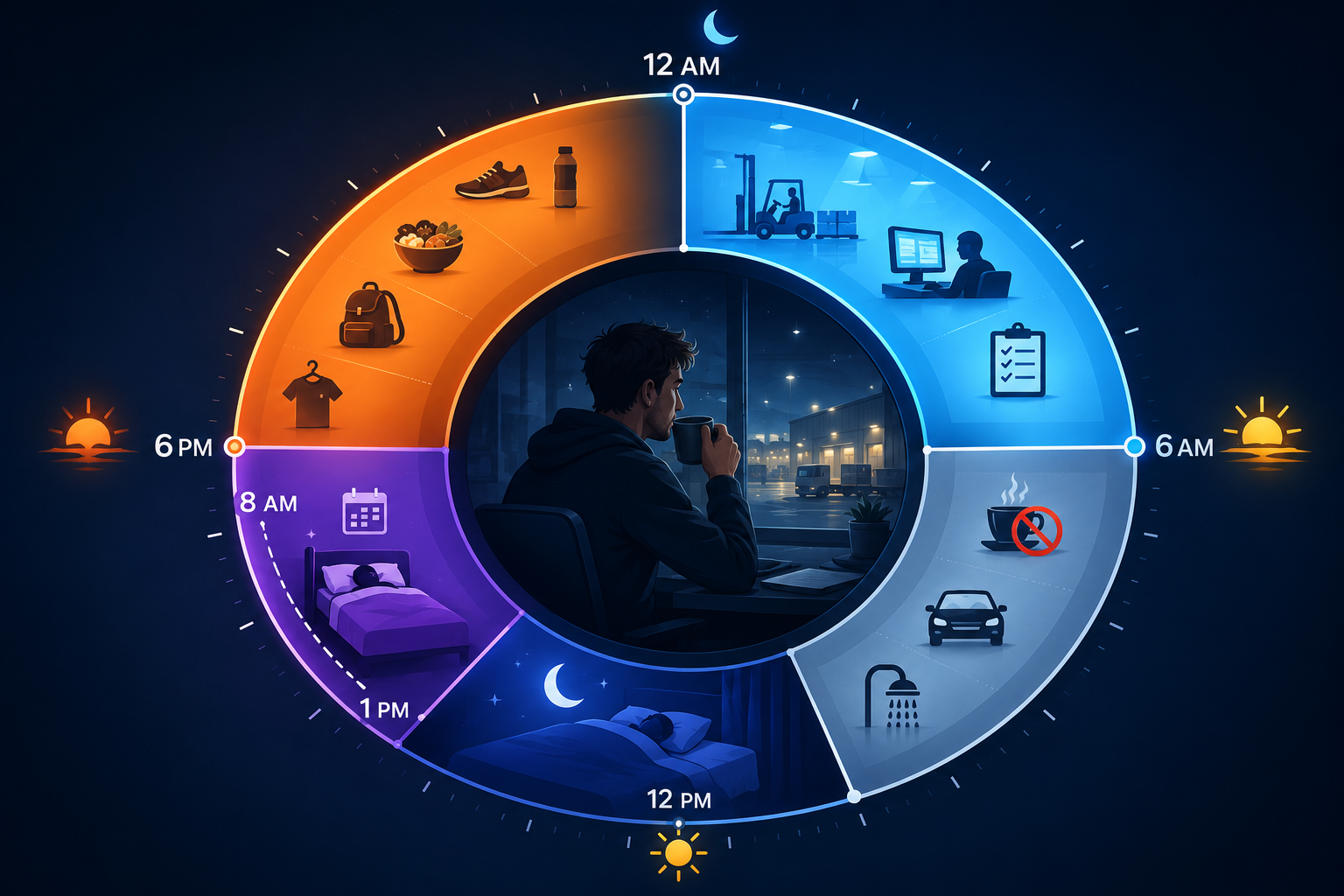
The delayed pattern is closer to delayed sleep phase than to generic “bad sleep.” For readers who want the diagnostic frame, delayed sleep phase syndrome in adults is the broader condition to understand. The ADHD version may not be identical in every person, but the timing problem is hard to miss: sleepiness comes late, wake time is socially forced early, and the person collects a reputation for inconsistency.
That reputation is often unfair. A schedule can be “noncompliant” on paper because it is biologically mismatched in real life. The alarm clock is not measuring motivation. It is measuring whether the external day won the fight against the internal night.
The circadian evidence goes beyond bedtime reports. A 2025 Frontiers in Psychiatry perspective describes findings of smaller pineal gland volume in adults with ADHD, which may matter because the pineal gland is involved in melatonin production. The same circadian discussion also notes blunted cortisol rhythm findings, another sign that daily biological timing may be less sharply organized in at least some adults with ADHD.[2]
None of that means every adult with ADHD has the same sleep disorder. It does mean that when an ADHD adult says, “I’m doing the sleep hygiene and my body still won’t sleep,” the next answer should not automatically be more lectures about willpower, lavender, or putting the phone in another room.
Sedation Is Not the Same as Moving the Clock
A standard sleep aid is usually judged by whether it makes sleep more likely tonight. That can be valuable. People need relief. But circadian phase advancement is judged by a different question: did the biological night move earlier?
That is the reason morning bright light and carefully timed low-dose melatonin sit in a different category from sedating antihistamines, bedtime megadose melatonin, alcohol, cannabis, or a general “calming” routine. A phase-shifting intervention is timed to send the clock a signal. It is less about knocking the person out and more about changing when the body starts preparing for sleep.
For a practical treatment sequence, what actually works for ADHD and insomnia lays out the ladder. The point here is narrower: if the recurring pattern is late sleep onset and late natural wake time, the intervention has to speak the language of circadian timing.
| If the main issue is... | The sleep aid question changes to... |
|---|---|
| Delayed sleepiness despite a realistic wind-down routine | What shifts the body clock earlier? |
| Anxiety, rumination, or panic at night | What treats the arousal source? |
| Snoring, gasping, or unrefreshing sleep | Has sleep apnea been evaluated? |
| Urge to move the legs or crawling sensations | Could restless legs be fragmenting sleep? |
| Insomnia after stimulant timing or dose changes | Does the medication schedule need review? |
That table is not a diagnostic tool. It is a way to keep the clock explanation honest. Circadian treatment is a strong candidate when the pattern is delayed. It is not a cure for every sleep complaint that happens to coexist with ADHD.
Morning Bright Light Has the Best Replicated ADHD-Specific Signal
Among ADHD-specific prospective studies, bright light therapy has the clearest repeated signal, though the evidence base is still small. The Surman and Walsh systematic review identified only six prospective studies on sleep interventions in adults with ADHD, and three light therapy studies together included 96 participants.[1]
In one pilot study, adults with ADHD used 10,000-lux morning bright light therapy for two weeks. DLMO advanced by 31 minutes, and midsleep time advanced by 57 minutes.[3] Those are not huge numbers if someone is trying to move sleep by four hours. They are meaningful numbers if the goal is to prove that a timed morning signal can move the ADHD circadian system in the expected direction.
The timing is the treatment. Bright light in the morning tends to advance the circadian phase; light at the wrong time can do the opposite. That is why “get more light” is too vague to be useful. The intervention studied was not decorative daylight. It was a bright, timed circadian cue.

This is also where ADHD practicality has to enter. A treatment that requires a person with ADHD to remember a device, sit still, and perform the same routine every morning is not automatically easy just because it is nonpharmaceutical. The burden is real.
- A light box works better when it already lives where the person lands in the morning: breakfast spot, desk, medication station, or coffee setup.
- Pre-programmed smart lights or a dawn-simulation setup can reduce the number of decisions before full wakefulness.
- Pairing light with an existing anchor, such as taking morning medication or feeding a pet, is usually more durable than inventing a separate wellness ritual.
- Outdoor morning light during a commute can help some people, but it is less controlled than a studied 10,000-lux light box.
The goal is not moral purity. The goal is to make the circadian cue happen often enough, early enough, and safely enough to matter.
The Melatonin Evidence Is About Timing and Dose, Not Shelf Logic
Melatonin is where many ADHD adults have already been burned. They bought a bottle, took it at bedtime, felt groggy or strange, woke up disappointed, and filed it under “doesn’t work for me.” Sometimes that may be true. But the ADHD circadian evidence is not built around the common retail habit of taking 5 to 10 mg at bedtime.
The key randomized trial discussed in the 2025 Frontiers perspective used 0.5 mg melatonin timed to the individual’s DLMO. In adults with ADHD and delayed sleep phase, melatonin advanced sleep phase by 88 minutes and reduced ADHD symptoms by 14%.[2]
That is a different intervention from “take a big dose when you want to feel sleepy.” Low-dose melatonin taken several hours before the target bedtime is being used as a chronobiotic: a timing signal. In this evidence base, dosing is around 0.5 mg, timed about 4 to 6 hours before the target bedtime, rather than high-dose bedtime use.[2]
This difference is easy to miss because the same word, melatonin, is used for both. One use is an attempt to shift the clock. The other is an attempt to feel sleepy now. They can feel similar in a store aisle and behave differently in a body.
Readers considering melatonin still need the ordinary safety and product-quality conversation. Supplement labels may not tell the whole story, and more is not automatically better. For that part of the decision, see melatonin long-term safety and how adults can use melatonin safely.
Why Combining Light and Low-Dose Melatonin Makes Mechanistic Sense
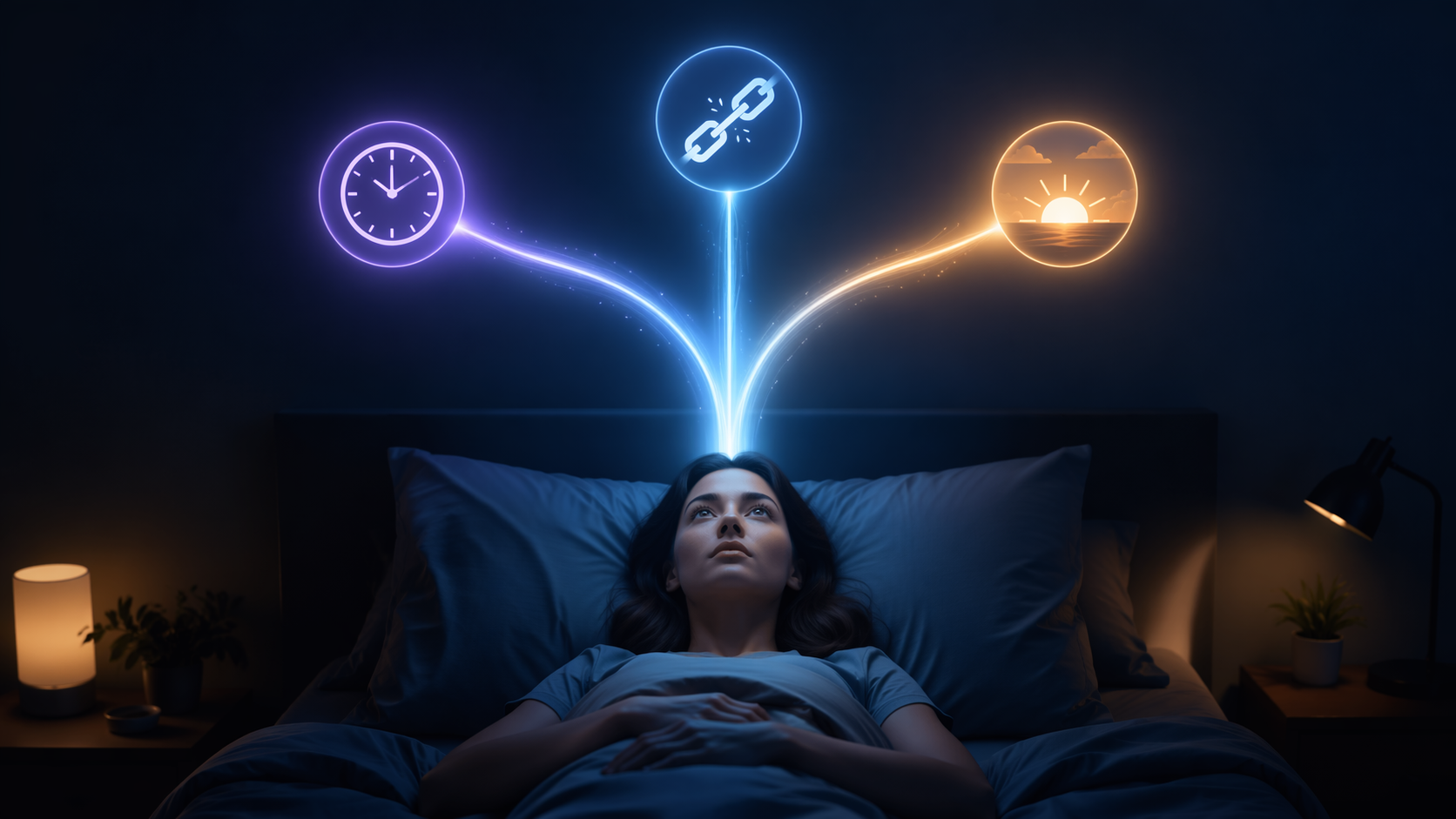
Morning light and early-evening low-dose melatonin are not interchangeable sleep aids. They push on different parts of the circadian signaling system. Morning light tells the brain that biological day has started earlier. Timed low-dose melatonin tells the system that biological night should begin earlier.
That pairing is why the combination result is so important, even with the need for replication. In the randomized trial summarized by Luu and Fabiano, melatonin plus bright light therapy produced the largest phase advance, approximately 1 hour and 58 minutes, in adults with ADHD and delayed sleep phase.[2]
A nearly two-hour shift is not a personality makeover. It is a clock change. For someone whose sleepiness arrives at 2 a.m., that kind of phase movement could be the difference between a plan that fails before it starts and a bedtime that at least has biology on its side.
The limitation is just as important: this combination effect comes from a single randomized trial. It is promising because it matches the mechanism and because the size of the phase advance is clinically understandable. It is not the same as a large, settled evidence base.
For readers who want the deeper biology of why light, melatonin, the suprachiasmatic nucleus, and clock-gene feedback loops matter, the longer explanation is in circadian rhythm mechanisms. The practical point is simpler: circadian tools are time-dependent. The wrong dose or the wrong clock time can turn a plausible treatment into another failed experiment.
Where Standard Sleep Hygiene Still Belongs
Screens, caffeine, bedroom temperature, and consistent wake times are not fake issues. They can support or sabotage circadian treatment. A bright screen late at night can send the wrong light signal. Afternoon caffeine can make an already late sleep onset worse. A chaotic wake time can blur the morning cue.
The problem is priority. Many ADHD adults have been handed sleep hygiene as if it were the whole diagnosis. If the clock is delayed, then hygiene is the stage crew, not the lead actor. It makes the intervention cleaner, but it may not move DLMO by itself.
That distinction also helps explain why “natural” does not automatically mean “circadian.” A tea, magnesium product, sedating antihistamine, or calming blend may change relaxation or sleepiness. That is a separate question from whether it advances biological night. For a broader evidence hierarchy, natural sleep aids ranked by clinical evidence is the better place to compare categories.
The Ramelteon Caveat
Ramelteon is useful here because it keeps the conversation from becoming too neat. It is a prescription melatonin-receptor agonist, so it seems like it should fit the circadian story. In the controlled adult ADHD pharmaceutical trial summarized by Surman and Walsh, ramelteon 8 mg produced only a modest 7-minute phase advance and increased daytime sleepiness.[1]
That does not make ramelteon useless for every patient or every sleep complaint. It does show why “a pill that touches melatonin receptors” is not the same as a well-timed phase-advancement plan. The clock cares about timing, intensity, dose, and repeated signals. A prescription bottle does not automatically solve those variables.
When the Circadian Explanation Is the Wrong Door
The circadian model is humane because it gives many adults with ADHD an explanation that is not laziness. It can also become too attractive if every sleep symptom gets pulled into it. Some problems need a different workup.
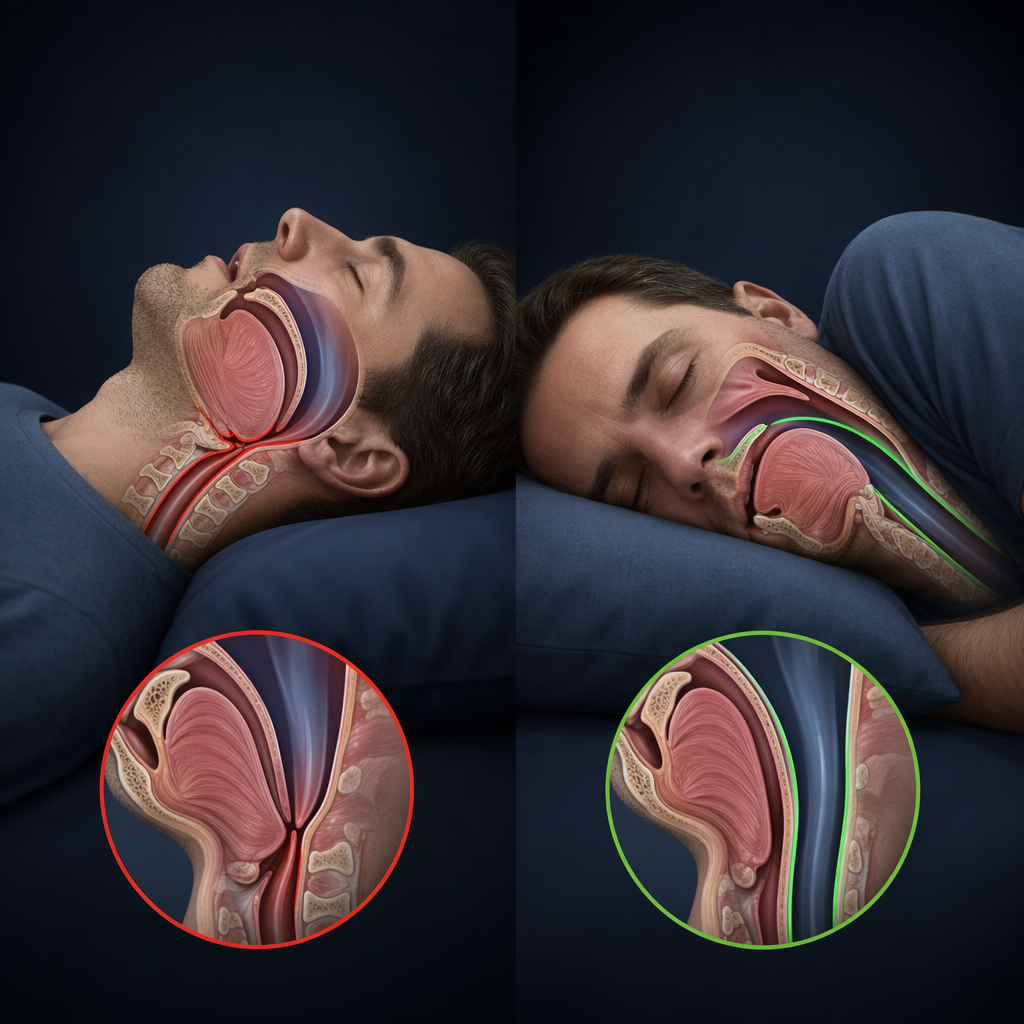
- Loud snoring, witnessed pauses, gasping, morning headaches, or persistent unrefreshing sleep point toward possible sleep apnea evaluation.
- Crawling sensations, leg discomfort, or an urge to move at rest may require restless legs assessment.
- Nighttime panic, trauma symptoms, or severe rumination may need anxiety- or mood-focused treatment.
- Insomnia that tracks closely with stimulant dose, timing, missed meals, or medication changes should be reviewed with the prescriber.
- A delayed schedule that suddenly changes, or sleep loss with unusually high energy, deserves clinical attention rather than self-directed clock shifting.
Circadian phase advancement is best aimed at the adult whose sleep window is consistently late and whose body wakes more naturally when allowed to follow that late schedule. It is not a substitute for evaluating other sleep disorders or medication effects.
The Most Defensible Next Idea
For adults with ADHD who have already tried generic sleep hygiene and still do not get sleepy until late, the best-supported next idea is not simply a stronger sedative. It is circadian phase advancement: morning bright light, carefully timed low-dose melatonin, or both, especially when the pattern resembles delayed sleep phase.
The evidence is not large enough to pretend this is settled for every ADHD adult. The light studies are small. The strongest combination result needs replication. Melatonin research dosing is not the same as common over-the-counter use. But the direction of the evidence is coherent: ADHD sleep delay often looks like a clock problem, and the interventions with the most relevant support are the ones designed to move the clock.
That is a more useful starting point than asking the same exhausted person to perform bedtime discipline perfectly while their biology is still running late.
References
- Managing Sleep in Adults with ADHD: From Science to Pragmatic Approaches, Surman & Walsh, 2021.
- Adult ADHD and circadian rhythms perspective, Frontiers in Psychiatry, 2025.
- Correcting delayed circadian phase with bright light therapy predicts improvement in ADHD symptoms: A pilot study, Fargason et al., 2017.
Comments
Join the discussion with an anonymous comment.