
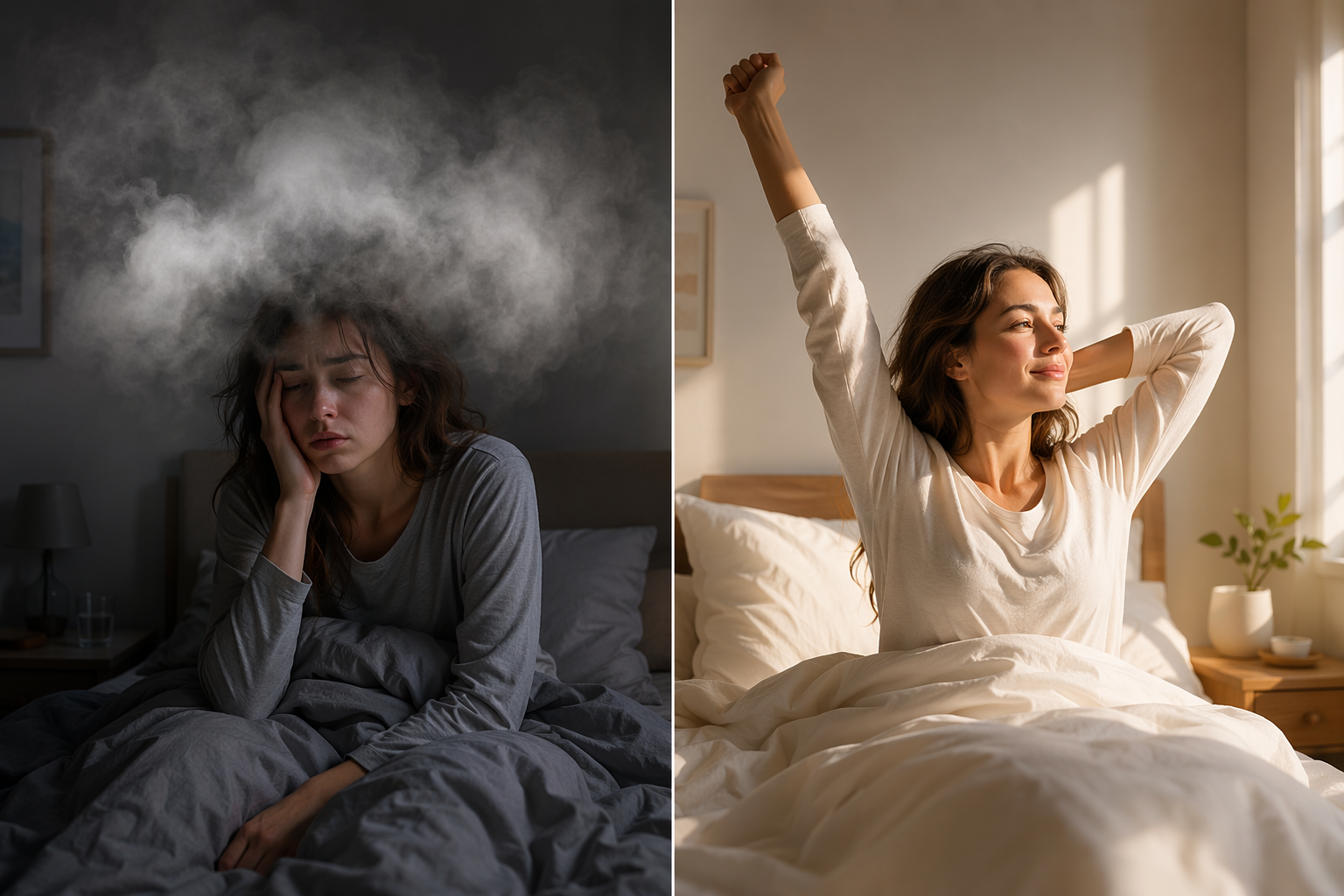
Why morning grogginess happens
If diphenhydramine or doxylamine leaves you foggy the next morning, that is usually the drug doing exactly what it was designed to do. These first-generation antihistamines are sedating by nature, and the morning after is often part of the deal rather than a sign that you reacted badly.
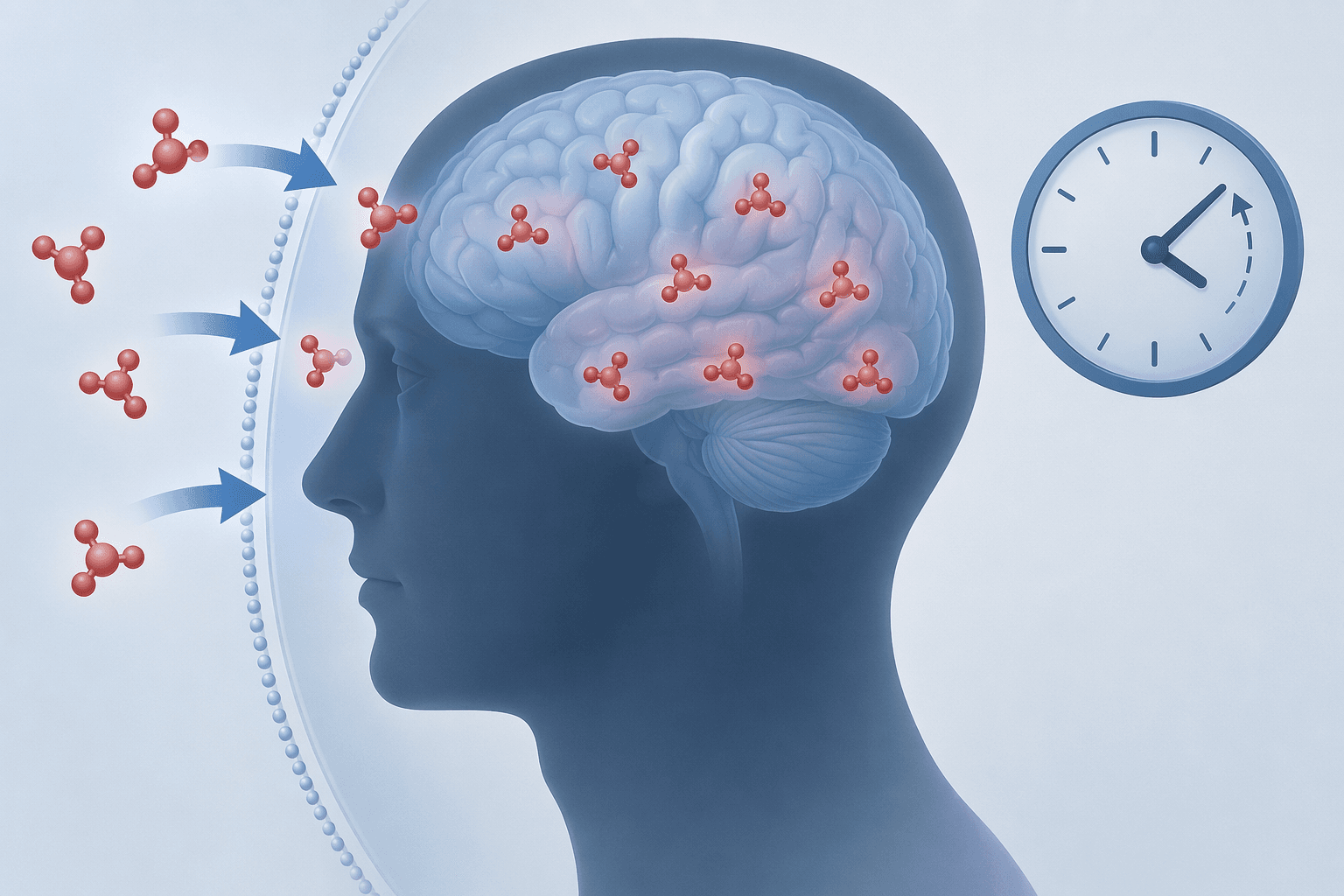
The problem is not just that they make you sleepy. They also reach the brain and can keep affecting attention, reaction time, and memory after you wake up. That is why the grogginess feels like a hangover: the effect is still there when the alarm goes off, even if the dose was taken the night before.
That also helps explain why these pills can stop feeling helpful after a few nights in a row. The sedative effect tends to fade faster than the side effects, and the American Academy of Sleep Medicine does not recommend OTC antihistamines for chronic insomnia because the evidence is limited and the downsides are well known [2].
Why the safer choice is usually not an antihistamine
If the real goal is the best otc sleep aid with the least next-day fog, the first question is usually whether you need a sedating antihistamine at all. For most people who want to wake up clear-headed, the better options are the ones that support sleep without forcing unconsciousness.
| Option | Grogginess risk | Best fit | What to expect |
|---|---|---|---|
| Diphenhydramine / doxylamine | High | Occasional use when next-day alertness is not important | Strong sedation, but more morning impairment and less value with repeated use |
| L-theanine | Very low | People who want a calmer bedtime without being knocked out | Usually gentler than a true sedative; more likely to support sleep quality than to force sleep |
| Low-dose melatonin | Low | Sleep-onset trouble or schedule drift | The clearest evidence here; one meta-analysis found an average sleep-onset reduction of about 7 minutes [1] |
| Magnesium glycinate | Very low | People who want a low-drama option and may not get enough magnesium from diet | Often better as support than as a fast-acting sleep drug |
| Valerian root | Moderate | People willing to tolerate a less predictable effect | Mixed evidence and a real chance of morning drowsiness |
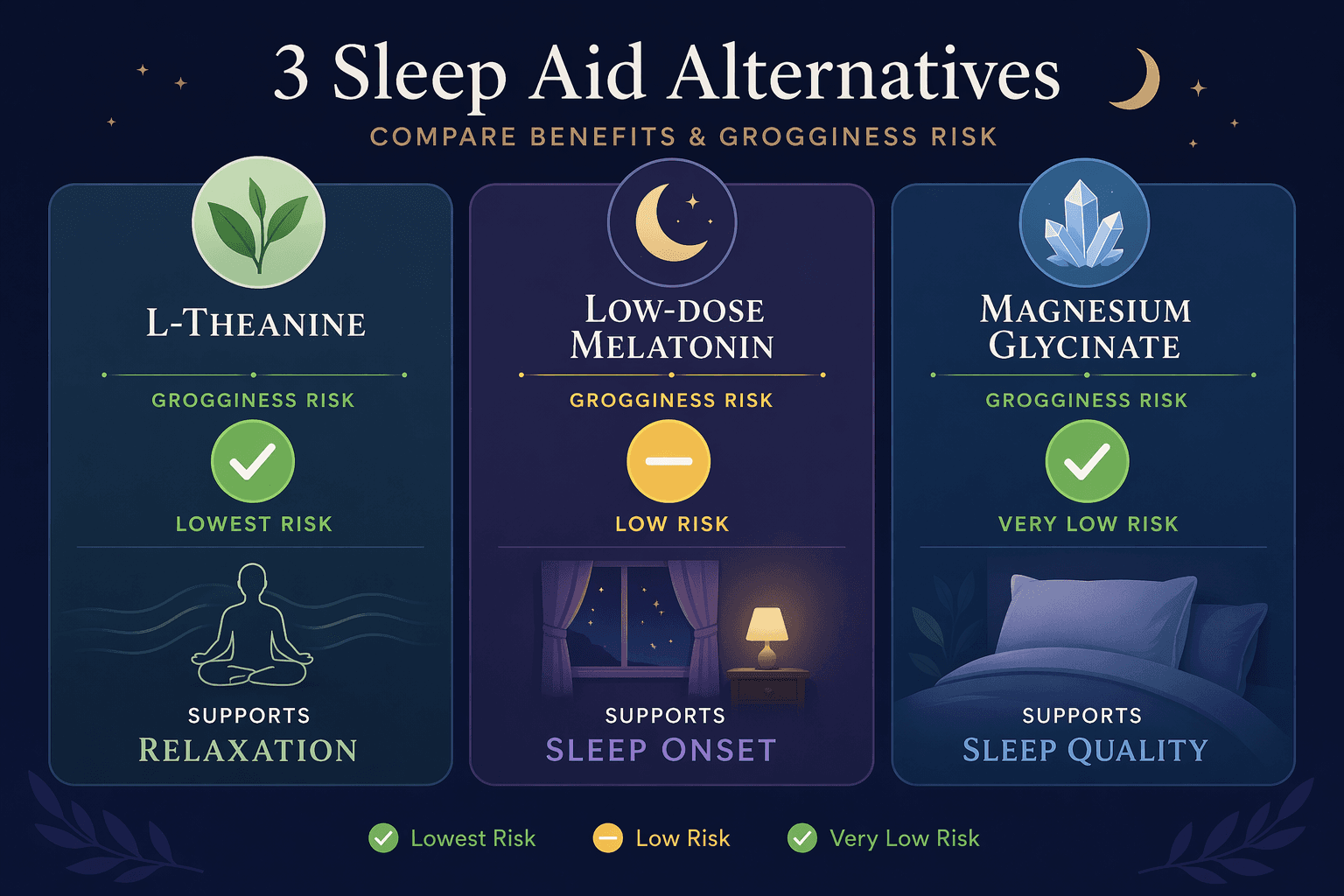
Low-dose melatonin is the most evidence-backed OTC option in this group when the problem is falling asleep rather than staying asleep. The useful range is usually 0.5 to 3 mg, and the effect is modest rather than dramatic [1]. It tends to work better as a sleep cue than as a knockout pill.
L-theanine and magnesium glycinate are easier choices when the main complaint is a wired feeling at night and the main concern is waking up foggy. They are not as direct as diphenhydramine or doxylamine, and that is the point: they are less likely to trade sleep for a sluggish morning.
Practical use is simple. Keep melatonin low instead of chasing stronger effects. Start L-theanine at a standard studied dose such as 200 mg if you want a calmer bedtime. Use magnesium glycinate in the evening according to the label. Valerian is the one to treat cautiously if morning clarity matters.
The boundary matters: these alternatives are usually better at improving sleep quality than at forcing sleep onset. That makes them a better fit for people who want a gentler night and a usable morning, but not a perfect substitute for a true sedative.
When the problem is bigger than the pill
If sleep trouble is frequent, if you snore or gasp at night, if restless legs or pain are part of the picture, or if another medication may be keeping you awake, changing the OTC sleep aid is only a partial fix. At that point, a broader review is more useful than another product swap.
References
- The Efficacy of Melatonin for Sleep: A Meta-Analysis of Randomized Controlled Trials, PLOS ONE, 2013.
- Clinical Practice Guideline for the Pharmacologic Treatment of Chronic Insomnia in Adults: An American Academy of Sleep Medicine Clinical Practice Guideline, American Academy of Sleep Medicine / Journal of Clinical Sleep Medicine, 2017.


Comments
Join the discussion with an anonymous comment.