
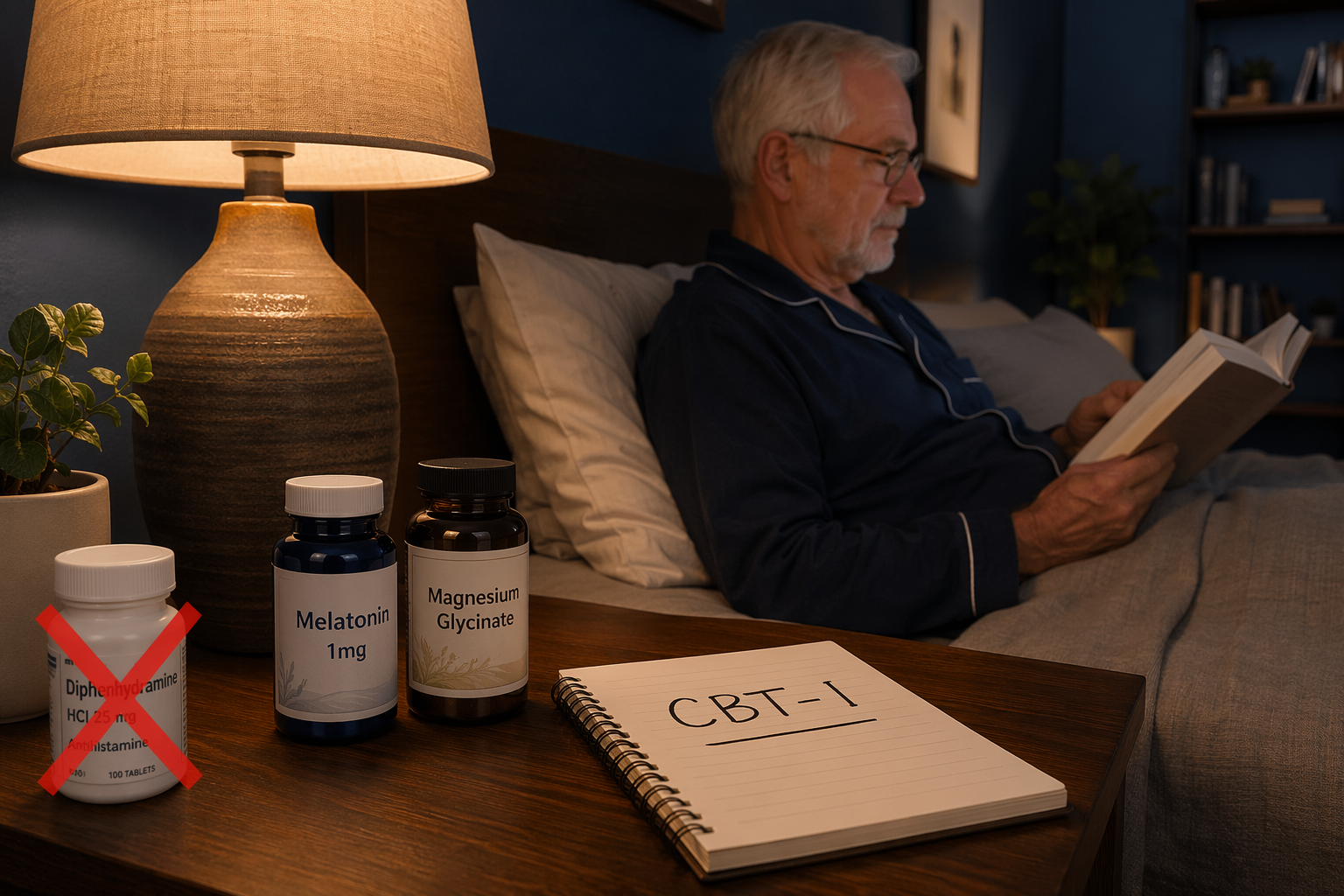
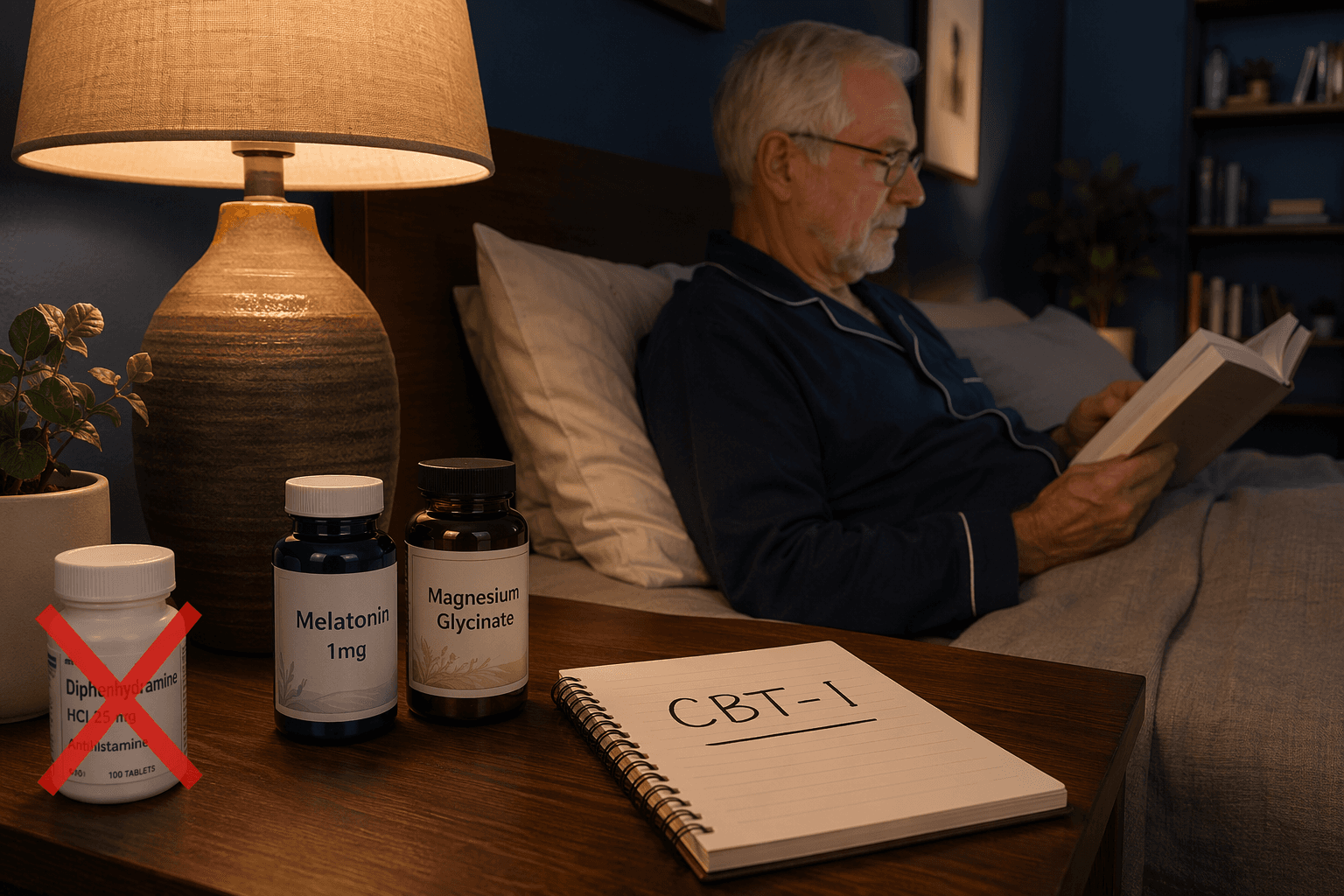
Why Sleep Changes with Age
Sleep architecture undergoes predictable shifts as we age, and these changes are physiological, not pathological. By age 65, most people produce significantly less melatonin — the hormone that signals darkness to the brain — because the pineal gland calcifies and reduces output. The suprachiasmatic nucleus, the brain's master circadian clock, also weakens with age, leading to a phase advance: older adults feel sleepy earlier in the evening and wake earlier in the morning, often unable to return to sleep.
These biological shifts translate into measurable sleep disruption. A 2025 review in the Cleveland Clinic Journal of Medicine reports that as many as 50% of older adults have difficulty initiating or maintaining sleep, and 12% to 20% meet the diagnostic criteria for insomnia disorder. A 2024 umbrella review published in Frontiers in Neurology found that 47.12% of adults aged 60 and older worldwide report poor sleep quality. These numbers are not trivial — poor sleep in later life is linked to increased risks of cognitive decline, falls, cardiovascular disease, and depression.
The challenge for older adults and their caregivers is that the most commonly advertised sleep aids — the ones sitting on pharmacy shelves — are often the least safe for this population. The physiology of aging changes how drugs are metabolized, how long they stay in the body, and how they affect the brain. A medication that causes mild morning drowsiness in a 40-year-old can cause a fall, a hip fracture, or an episode of delirium in an 80-year-old.
The AGS Beers Criteria: A Quick-View Safety Guide
The AGS Beers Criteria is updated periodically to reflect the latest evidence on medication safety in older adults. For sleep, the criteria are unambiguous: several classes of drugs commonly used for insomnia are flagged as potentially inappropriate because the risks of harm outweigh the benefits in this age group.
| Medication Class | Examples | Beers Criteria Status | Primary Risks in Older Adults |
|---|---|---|---|
| Benzodiazepines | Lorazepam, diazepam, alprazolam, temazepam | Potentially inappropriate | Falls, fractures, cognitive impairment, delirium, dependence, tolerance |
| Z-drugs (non-benzodiazepine hypnotics) | Zolpidem (Ambien), eszopiclone (Lunesta), zaleplon (Sonata) | Potentially inappropriate | Falls, fractures, cognitive impairment, delirium, next-day impairment |
| Antihistamines (first-generation) | Diphenhydramine (Benadryl, ZzzQuil), doxylamine (Unisom), chlorpheniramine | Potentially inappropriate | Anticholinergic burden, cognitive decline, delirium, urinary retention, constipation |
| Antipsychotics (for insomnia without psychosis) | Quetiapine (Seroquel), olanzapine (Zyprexa) | Not recommended for insomnia | Metabolic side effects, extrapyramidal symptoms, increased mortality in dementia |

Comments
Join the discussion with an anonymous comment.