
Introduction: The Accuracy Question for a $1,000+ Smart Bed
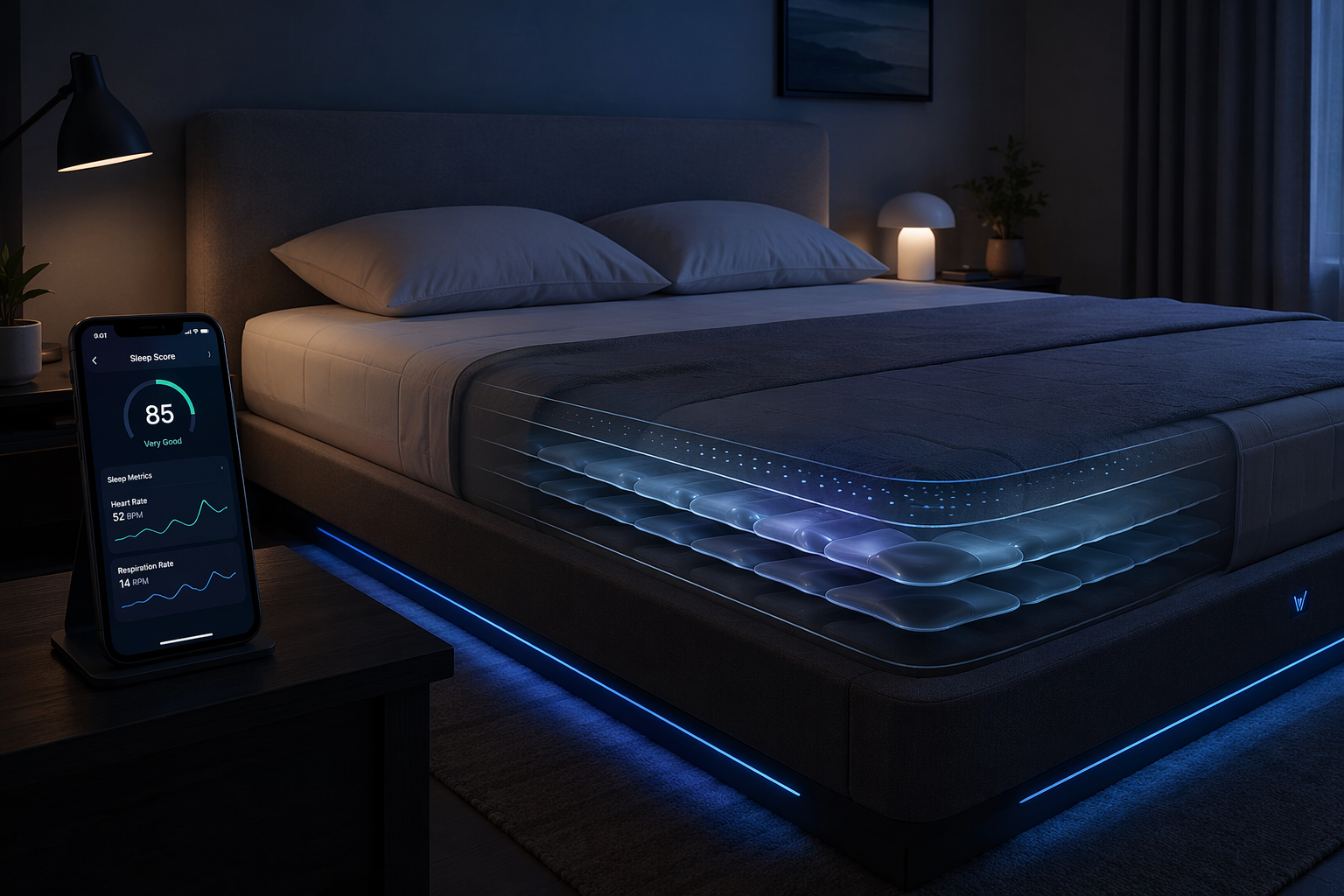
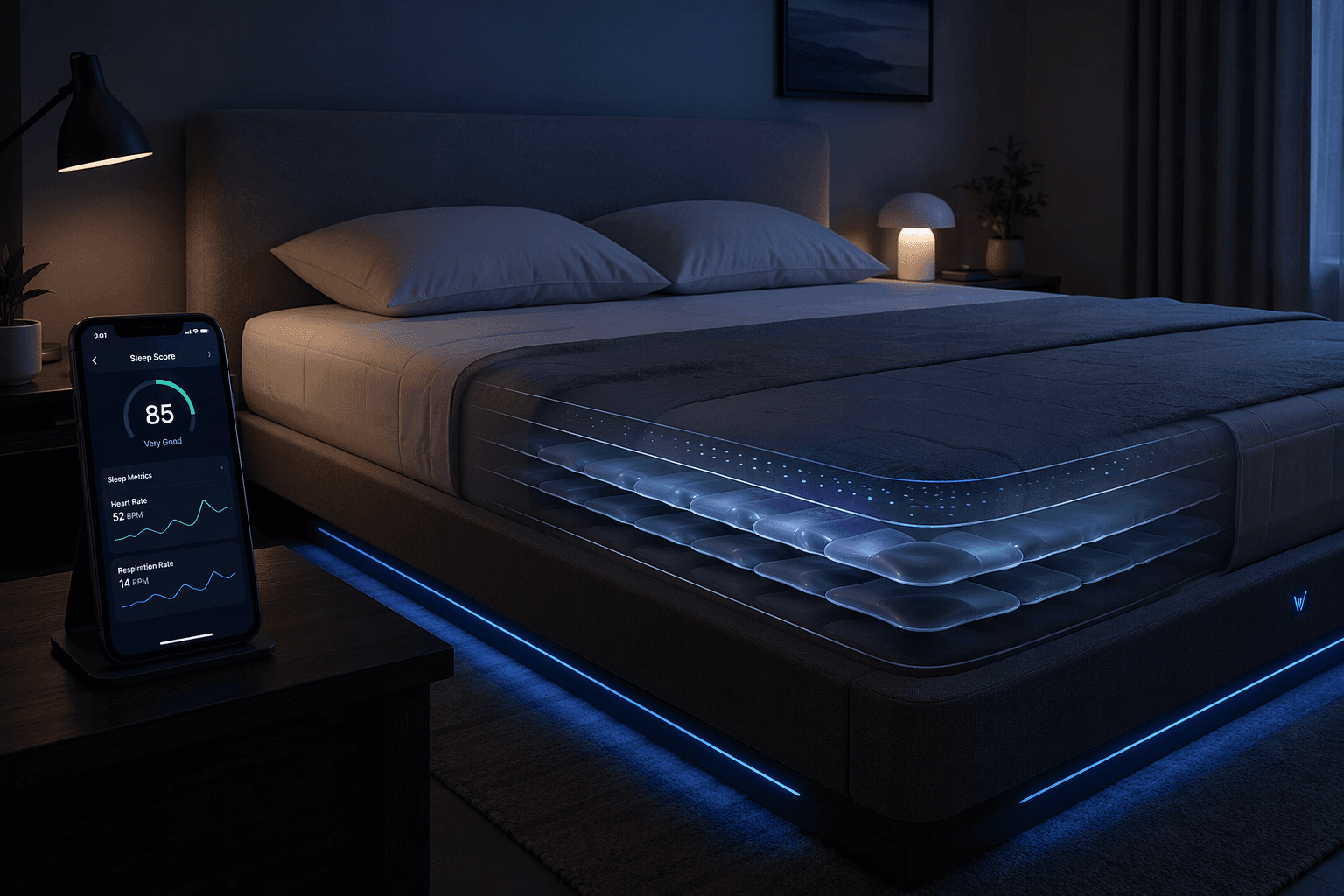
When you spend anywhere from a few thousand to over ten thousand dollars on a Sleep Number 360 smart bed, the built-in sleep tracking is a major part of the value proposition. The bed promises to measure your heart rate, breathing rate, restlessness, and overall sleep quality — all without wearing a device. But how much of that data can you actually trust?
This article goes beyond a single study to synthesize the available evidence: a peer-reviewed polysomnography (PSG) validation, a 30-night real-world comparison with the Oura Ring, and the practical factors that determine whether your SleepIQ score reflects your actual sleep or just your Wi-Fi signal strength. If you are deciding whether to buy a 360 or trying to interpret your own data, this is the full picture.
How SleepIQ Technology Works: Ballistocardiography Without a Wearable
The Sleep Number 360 does not use a camera, a wristband, or a ring. Instead, it relies on ballistocardiography (BCG) — a technique that measures the微小 mechanical forces your body exerts on the mattress as your heart beats and your chest rises and falls. Embedded sensors within the air chambers detect these vibrations and translate them into heart rate, breathing rate, and movement data.
The bed's operating system, called SleepIQ, processes this raw sensor data into a nightly sleep score ranging from 5 to 100. The system also tracks bed exits and periods of restlessness. Crucially, all of this happens without any wearable device — you simply sleep on the bed, and the data appears in the app the next morning.


Comments
Join the discussion with an anonymous comment.