Three barriers to sleeping through severe storms at night
How to sleep through severe storms at night, without pretending the storm is ordinary noise
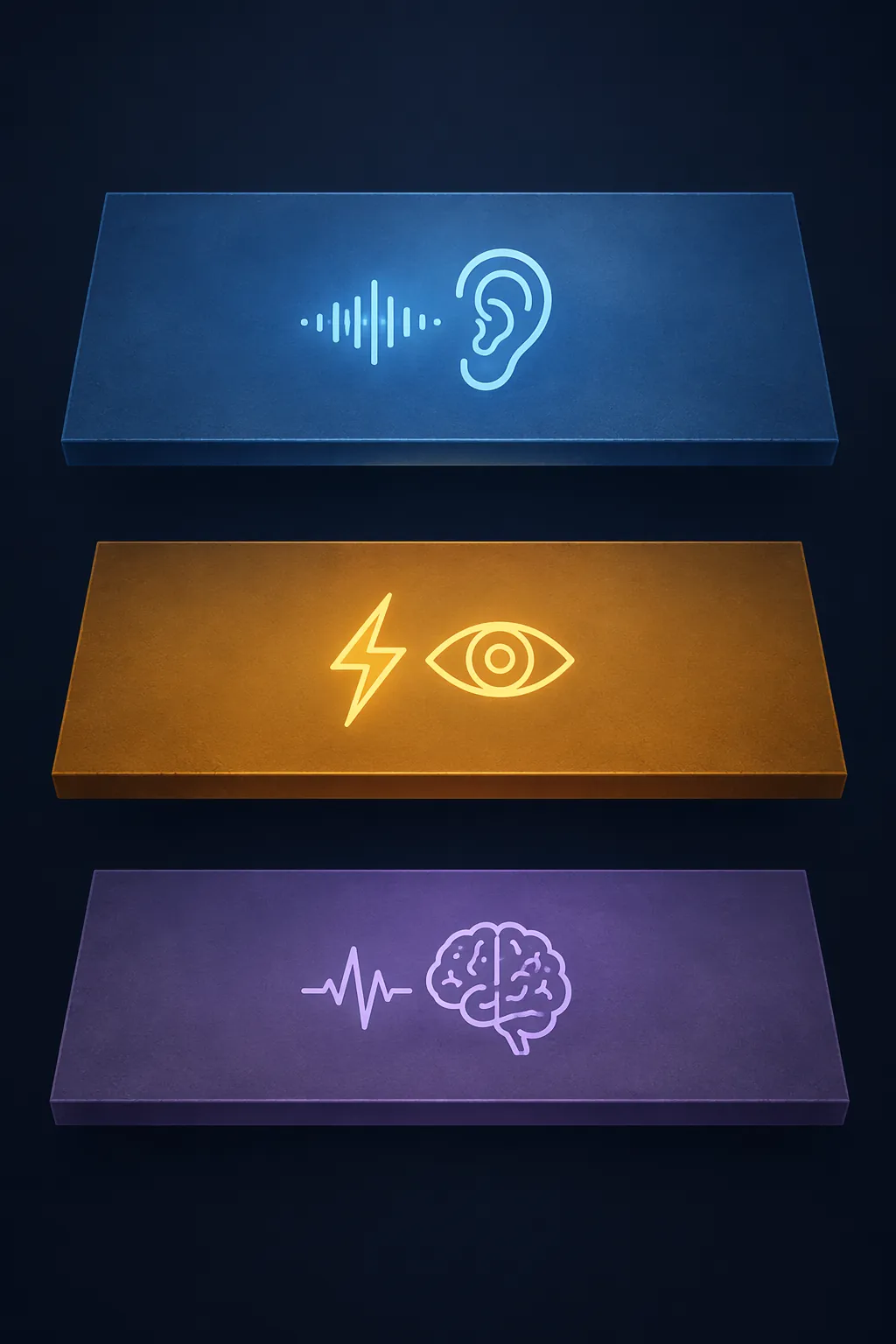
To sleep through a severe storm at night, you need three separate barriers in place: one for sound, one for light, and one for anxiety. “Sleep through” does not mean ignoring danger. It means you have a reliable alert system, know where you would shelter, and then reduce the unnecessary awakenings caused by thunder, lightning, and threat-scanning.
If a warning, evacuation order, flood alert, or shelter instruction applies to you, that comes first. For the safety side of the problem, start with how to sleep safely during a thunderstorm warning. For the sleep mechanism — why storms can keep waking you even when you are exhausted — see how thunderstorms affect your sleep. The rest of this FAQ is for the situation many people know too well: the forecast is bad, your phone alerts are on, your shoes are by the bed, and your body still will not stop listening.
This is not a willpower problem. In a 2024 American Academy of Sleep Medicine survey of 2,006 adults, 74% of Americans reported disrupted sleep due to stress and 68% due to anxiety.[1] Sleep Foundation also reports that 54% of adults name stress or anxiety as the top reason they cannot fall asleep.[2] A severe storm gives the brain a believable reason to stay on duty.
| Barrier | What it does at night | What to set up tonight |
|---|---|---|
| Sound | Thunder, wind, rain, sirens, and house noises jolt the body awake. | Use a steady masking sound, earplugs with an NRR label, or carefully chosen noise-canceling headphones. |
| Light | Lightning flashes can reset alertness even if your eyes are closed. | Block flashes where safe, but keep a dim path light for shelter movement. |
| Anxiety | The mind keeps checking radar, ceilings, trees, windows, pets, children, or whether the alert will be heard. | Write a one-page safety plan, put it away, use grounding, and stop the news loop before bed. |
Barrier 1: reduce the thunder problem before you try to relax
Thunder is not the same sleep problem as a refrigerator hum. Sudden noise can disrupt sleep partly by increasing adrenaline and cortisol production, which is exactly the chemistry you do not want when you are trying to stay asleep through a storm.[3] That is why “just use white noise” often fails: the goal is not to make the bedroom loud; it is to make the soundscape less jagged.
Pick the masking sound by how your body reacts, not by what an app calls “best.” White noise spreads sound evenly across frequencies. Pink noise has less intensity at higher frequencies. Brown noise emphasizes lower frequencies more strongly, and Northwestern Medicine notes that it may be indicated for people with high anxiety who find white noise too harsh.[4] That does not make brown noise a storm cure. It makes it a reasonable first try for someone who flinches at sharper static.
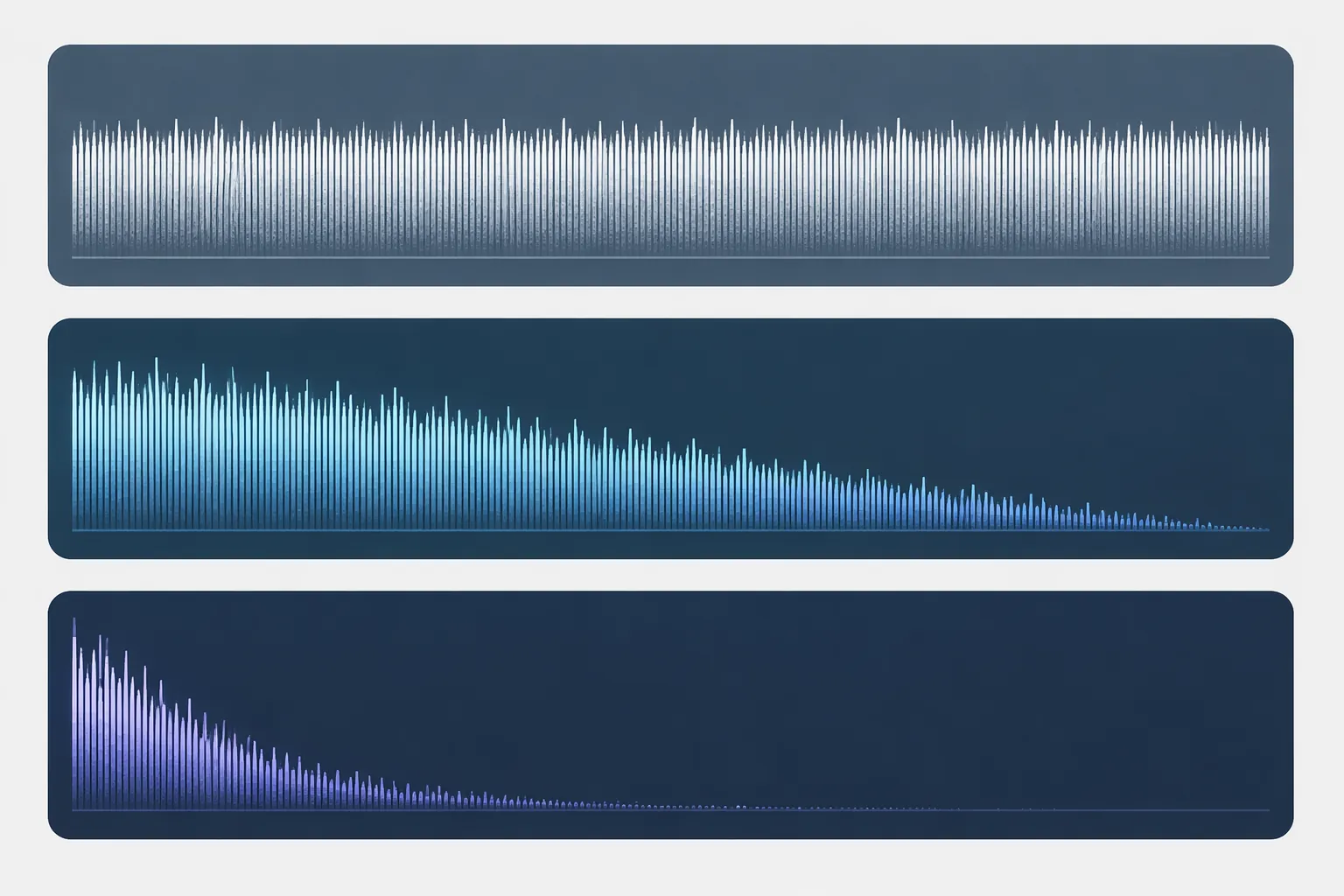
- If white noise feels scratchy or makes you more alert, try brown noise at a low, steady volume.
- If brown noise feels too heavy or rumbly, try pink noise or a fan sound.
- If rain sounds make you monitor the storm more closely, avoid rain tracks. Use a neutral fan, air purifier, or non-weather sound instead.
- Place the sound source between you and the window if possible, not right beside your head.
- Set the volume before bed. Adjusting it during every thunderclap can become another checking behavior.
Earplugs can help, but look at the NRR label rather than vague comfort claims. NRR stands for noise reduction rating; it gives you a way to compare products. The practical question is whether you can still hear the alert that matters — your phone, weather radio, household member, smoke alarm, or caregiver call. If earplugs make you feel cut off from safety information, use lighter masking sound instead of deeper isolation.
Noise-canceling headphones are more complicated. They can take the edge off steady rumble and wind, and some people with sensory sensitivity sleep better with that pressure of control. They can also be uncomfortable for side sleeping, run out of battery, block household cues, or make you feel trapped. If you use them during severe weather, keep alerts routed to a device you can hear or feel, and do not rely on headphones as your only safety filter.
Barrier 2: block lightning flashes, but do not make the room unsafe
Lightning is a light problem and a vigilance problem. A blackout curtain, shade, or sleep mask can reduce the repeated blue-white flashes that keep cueing the brain to check the window. If your bed faces the window, change position for the night if that is easier than rearranging the room.
Do not make the bedroom so dark that you would stumble if you needed to move. A severe-storm sleep setup should include low, warm, non-flashing light: a dim hallway nightlight, a covered flashlight, or a small lamp in the shelter path. Put shoes, glasses, medication, phone, charger, and any mobility aid where your half-awake self can reach them. Light control is only helpful if it does not create a fall risk.
Barrier 3: give the brain a safety handoff, not another hour of radar
Storm anxiety is often treated as if it were ordinary bedtime worry. It is not. The anxious brain is trying to solve a safety problem: Will I hear the warning? Where do I go? What if the power goes out? What if the tree falls? What if I sleep too deeply? If those questions remain open, a breathing exercise has to compete with an unfinished emergency plan.
Start with a one-page safety plan. Not a binder. Not a night of scrolling. One page.
- Write the alert source you will trust tonight: weather radio, phone emergency alerts, local emergency management, or another local system.
- Write the condition that would make you leave the bed: warning issued, evacuation order, flood water concern, caregiver instruction, or another clear trigger.
- Write the shelter location and the fastest safe route to it.
- List the items that must move with you: phone, shoes, glasses, medications, wallet, keys, hearing aids, pet leash, CPAP battery, or pregnancy notes if relevant.
- Set a final forecast-check time, then stop checking unless an official alert arrives.
Then put the page somewhere visible but not in your hands. The act of placing it away matters. You are telling the brain: the plan exists; the phone or weather radio is now on duty; I do not need to keep refreshing the sky with my nervous system.
Warning systems are not perfect, and local differences matter. The National Weather Service office in Norman, Oklahoma, reports that in its area, 97% of the most dangerous tornadoes — EF3 to EF5 — are preceded by a warning, with an average of 16 minutes of advance notice.[5] That statistic is useful for understanding why alert systems matter. It should not be used as a national guarantee, and it should not replace your local emergency instructions.
If flood risk is part of the storm, the safety plan needs a different level of seriousness. Sleeping through thunder is one thing; sleeping through rising water is another. For household planning around pregnancy, aging, and CPAP use, use flood risk sleep safety rather than trying to adapt generic storm-comfort advice.
Use grounding when the plan is done but your body is still scanning
Once the safety plan is written, switch from planning to grounding. Baylor College of Medicine recommends the 5-4-3-2-1 technique for pre-storm anxiety: notice five things you can see, four things you can touch, three things you can hear, two things you can smell, and one thing you can taste.[6] In bed during a storm, the point is not to deny the thunder. The point is to bring the nervous system back to the room you are actually in.
- Five things you can see: the nightlight, door frame, curtain edge, charger light, outline of the dresser.
- Four things you can touch: sheet, pillow seam, mattress, pajama fabric.
- Three things you can hear: your masking sound, your breathing, distant rain. If thunder is one of them, name it once and move on.
- Two things you can smell: laundry detergent, lotion, pillowcase, or nothing in particular.
- One thing you can taste: toothpaste, water, mint, or simply the inside of your mouth.
The other anxiety step is less elegant but often more important: stop feeding the loop. Rechecking radar, social media, neighborhood chats, and video clips can feel like preparation, but after your alert source and shelter threshold are set, it often becomes stimulation. If you need one more check, make it official and local, then put the phone facedown, across the room, or on a charger where you can hear it but not scroll it.
If tropical weather is the source of the scanning, the same principle applies with longer timelines and more uncertainty. For that pattern, see how to sleep better during hurricane anxiety. If thunder itself has become the cue for dread, thunderstorm anxiety and sleep quality goes deeper into that cycle.
Adjust the plan if your body has extra storm-night constraints
Generic storm-sleep advice often assumes a healthy adult who can move quickly, tolerate any sound, take any supplement, and sleep anywhere. Many people do not fit that picture. The core plan is still sound, light, and anxiety, but the safest adjustment depends on what makes the night harder for you.
| If this is you | What changes tonight | Where to go deeper |
|---|---|---|
| Pregnant | Storm wakefulness can stack on top of reflux, discomfort, bathroom trips, and fetal-safety worry. Do not add melatonin, sedatives, antihistamines, or anxiety medication just for the storm without OB approval. If you need to shelter, think through positioning and comfort ahead of time; left-side lying may matter for some pregnant people depending on stage and clinical advice. | Pregnancy insomnia changes and what helps each trimester |
| ADHD or sensory-sensitive | Do not force stillness if it makes you more activated. Choose the sound texture deliberately: brown noise or a low fan may be easier than sharp white noise, while rain tracks may be intolerable. Quiet stimming, pressure, rocking, or a fidget can be self-regulation, not failure. | Tropical storm sleep for pregnancy, perimenopause, and ADHD |
| Perimenopausal or postmenopausal | Storm fear may be riding on top of night sweats, temperature swings, and already-fragile sleep. Keep cooling layers, a change of sleep shirt, water, and a low-stimulation reset plan nearby so a hot flash does not turn into another hour of storm checking. | Perimenopause thunderstorm sleep tips |
| Older adult | The main issue may be safe movement, not fear. Keep the route to shelter clear, use dim lighting, place glasses and shoes within reach, and make sure warnings are accessible if you use hearing aids. Review fall-risk medications with a clinician before storm season rather than improvising during a warning. | Thunderstorm warning sleep safety |
At least 50% of pregnant women experience insomnia, so a severe-storm night may be landing on sleep that was already disrupted.[7] If you are pregnant, treat medication and supplement decisions as medical decisions, not sleep hacks. For a fuller pregnancy sleep route, use pregnancy insomnia changes by trimester.
During the menopause transition, sleep disorders affect 39% to 47% of perimenopausal women and 35% to 60% of postmenopausal women.[8] If a storm hits on a night with sweating, heat, and anxiety, “calm down” is not a plan. Put cooling and storm steps in the same plan: breathable layers, a towel or spare shirt, dim light, the written safety page, and a sound choice that does not feel abrasive. For that more specific pattern, see perimenopause thunderstorm sleep tips.
For older adults, the prevalence of specific phobia is lower after age 60 than in younger groups — 5.6% in NIMH data — but that does not make the night simple.[9] Hearing warnings, getting out of bed, avoiding falls, managing medications, and reaching shelter can be the real barriers. The sleep plan should reduce movement risk as much as it reduces fear.
What if you wake up anyway?
Waking once during a severe storm is not a failure. When you wake, do not restart the whole night from scratch. Check only the alert source you chose, not every app. If there is no action to take, return to the same three barriers: sound on, flashes blocked, grounding or slow breathing for a few minutes, then eyes closed again.
If the storm has passed and your body is still charged, treat the aftermath as its own sleep problem. The nervous system can stay awake after the danger has moved on. For that next-morning or next-night pattern, use can’t sleep after a storm.
When storm fear needs more than a better bedtime setup
If you have covered sound, light, alerts, shelter planning, and grounding, but storms still cause repeated panic, avoidance, or major sleep loss, the issue may be astraphobia — fear of thunder and lightning — or another anxiety condition. NIMH data show that 9.1% of U.S. adults had a specific phobia in the past year, with 12.2% of females and 5.8% of males affected.[9] Cleveland Clinic notes that specific phobias are about twice as common in women as in men.[10]
That does not mean every bad storm night is a diagnosis. It does mean you should consider talking with a clinician if storm fear changes where you sleep, where you travel, whether you can be alone, whether you can care for children or elders during weather, or whether you lose sleep for days around forecasts. CBT-based treatment pathways, including exposure-based work when appropriate, can be much more useful than another app, another blanket, or another attempt to shame yourself into being calm.
This article is informational sleep guidance, not emergency planning. Local alerts, shelter instructions, evacuation orders, flood warnings, and guidance from emergency officials override any sleep strategy.
References
- Stress, Anxiety and Depression Are Stealing Americans’ Sleep, American Academy of Sleep Medicine, 2024.
- How Stress Can Affect Your Sleep, Sleep Foundation.
- Noise and Sleep, Sleep Foundation.
- What Noise Color Is Best for Sleep?, Northwestern Medicine.
- Storm Anxiety, National Weather Service Norman, Oklahoma.
- Navigating Pre-Storm Anxiety, Baylor College of Medicine.
- Pregnancy and Sleep, Sleep Foundation.
- Menopause and Sleep, Sleep Foundation.
- Specific Phobia, National Institute of Mental Health.
- Phobias, Cleveland Clinic.
Read the full guide: How to Sleep Through Fireworks Noise for Every Life Stage