
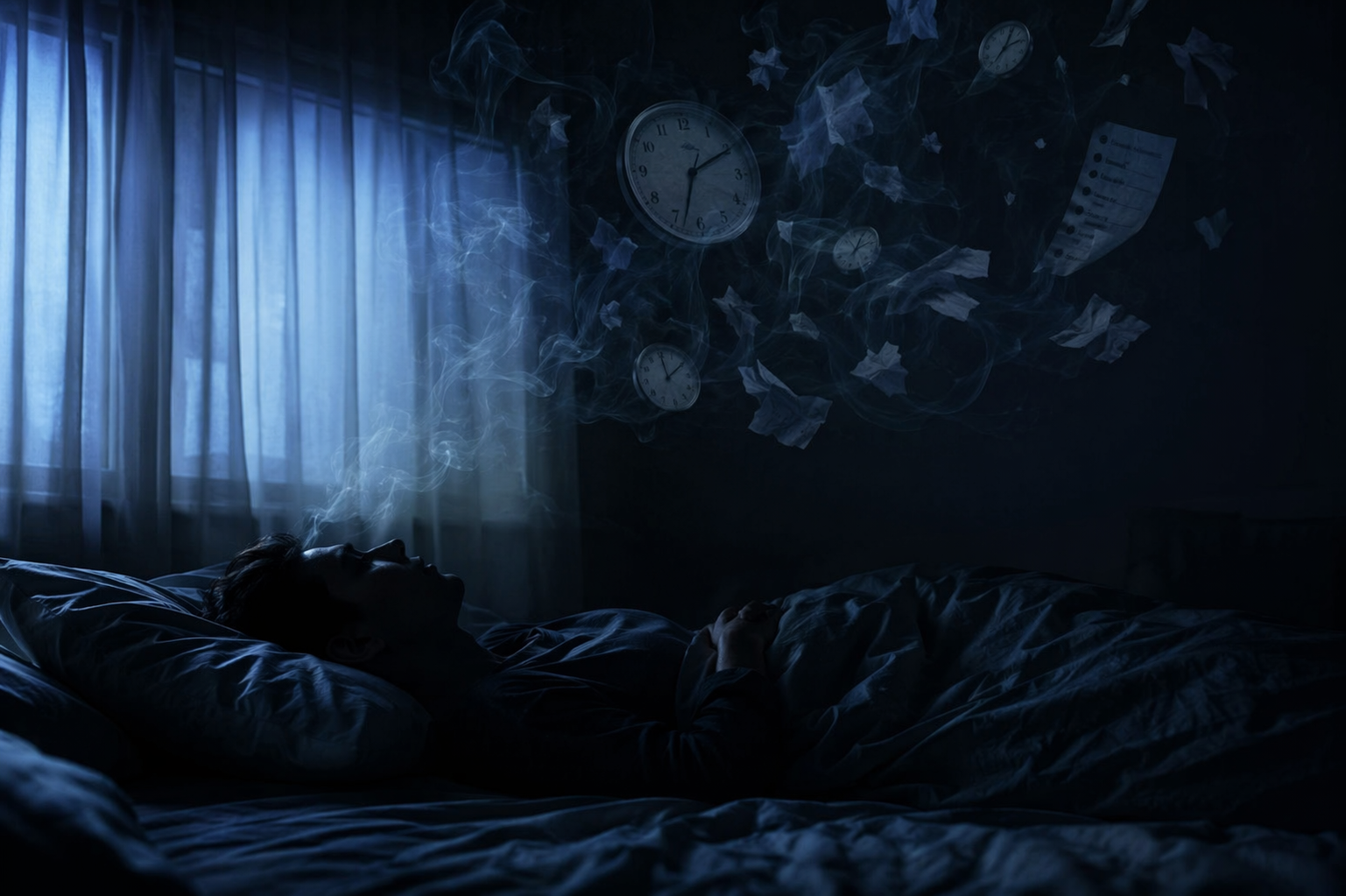
At 3:40 a.m., “fatigue” is too blunt a word. One man is awake because his chest and neck are wet from a hormone-driven sweat. Another has stood up to urinate for the third time. Another is physically healing well but cannot stop rehearsing biopsy results, margins, PSA numbers, and what the next scan might show. All three may say they are exhausted the next day. They are not having the same sleep problem.
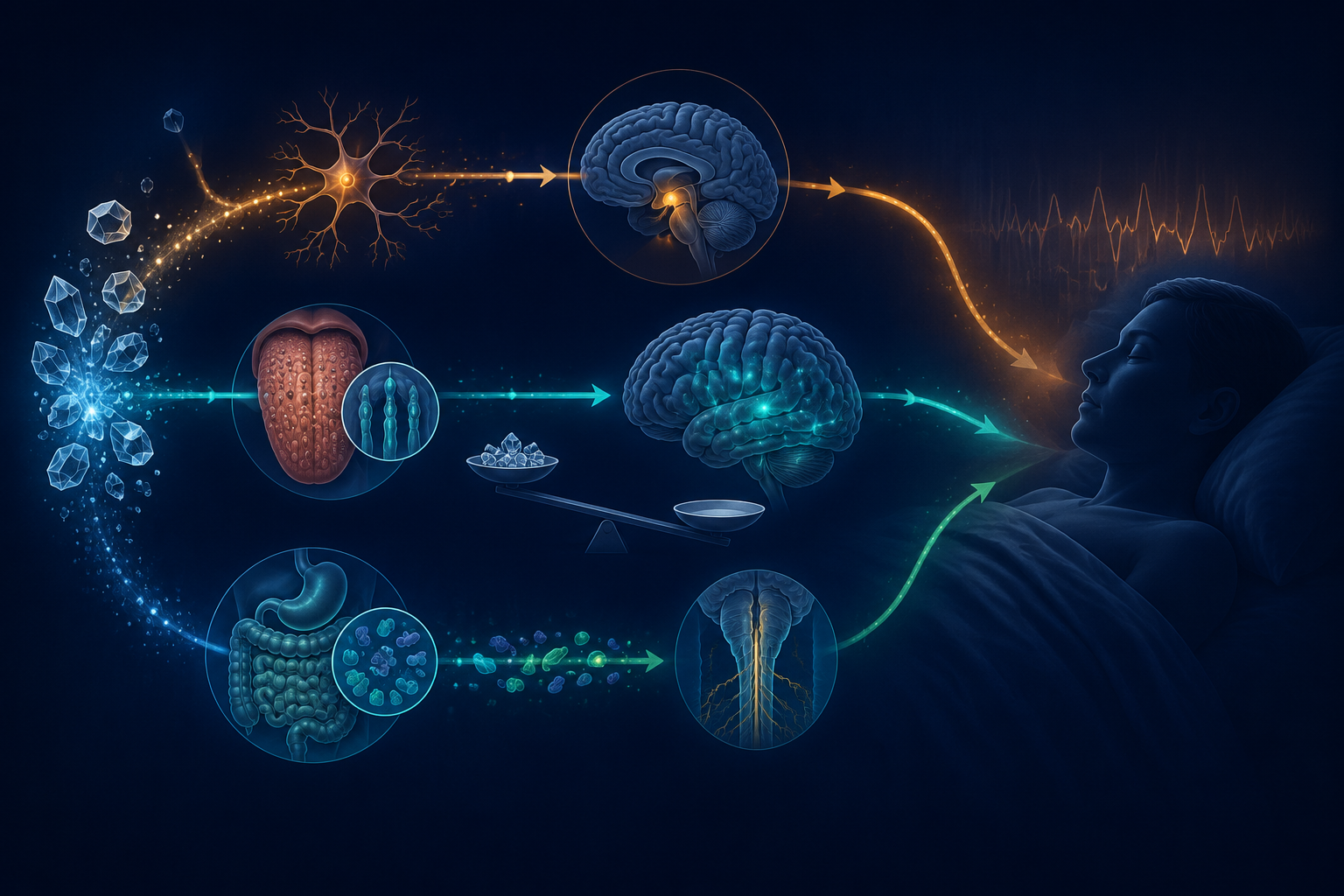
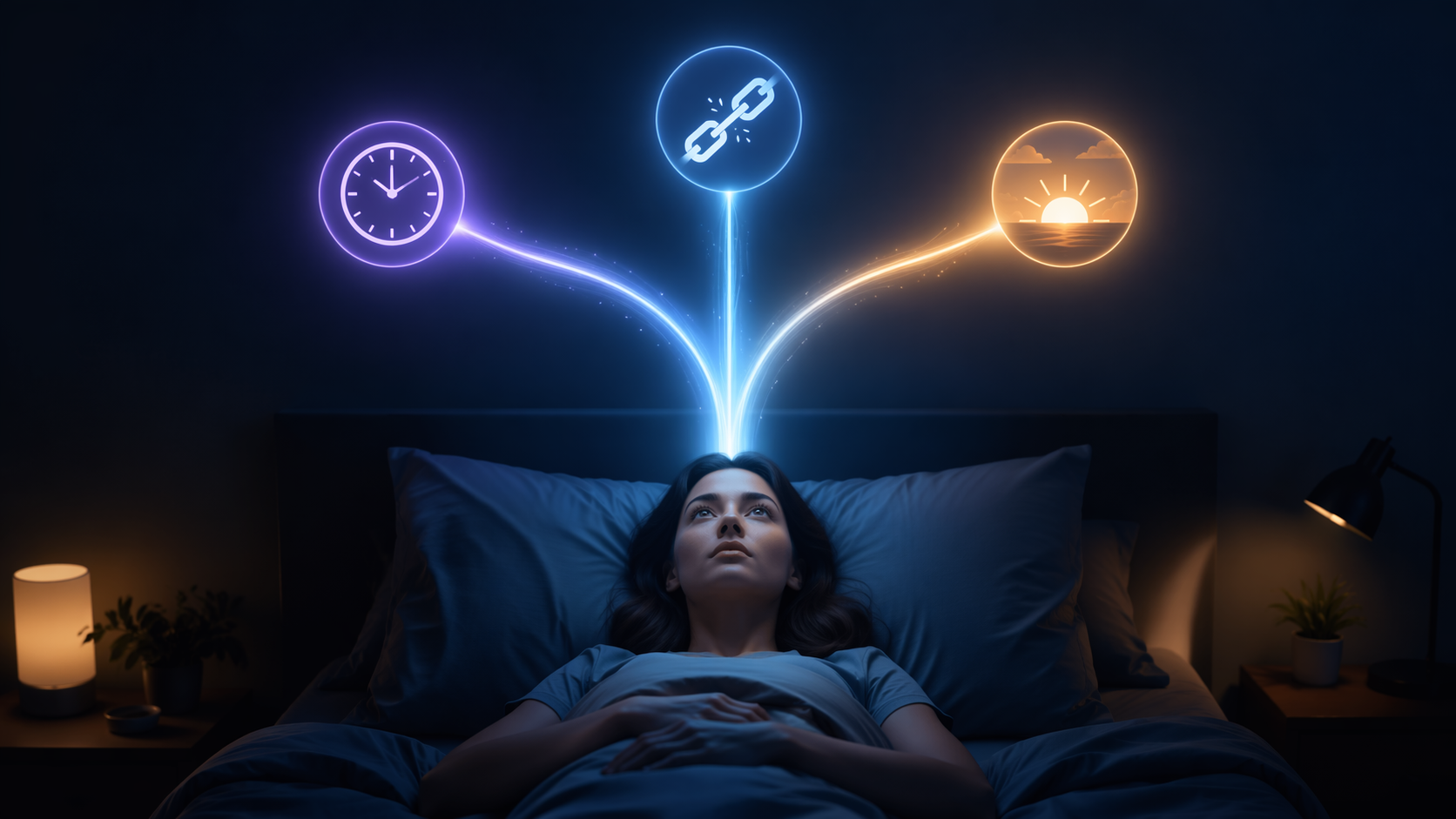
That distinction matters when weighing focal therapy, prostate cancer fatigue, sleep, and side effects. Prostate cancer treatments do not disturb sleep through one generic pathway. They tend to act through three overlapping routes: hormonal heat and sweating, urinary awakenings, and psychological hyperarousal. Focal therapy is interesting because its design may reduce exposure to all three at once. The honest qualification is just as important: there are no prospective focal-therapy sleep studies using actigraphy, polysomnography, or a sleep-specific protocol that prove this directly.
Sleep disturbance is common enough in cancer that it should not be treated as an afterthought. A systematic review reported sleep disorders in 30–50% of cancer patients, compared with 10–15% of the general population; in prostate cancer specifically, insomnia prevalence ranged from 25–39% depending on treatment type and measurement method.[1] That range is not a single clean estimate. It comes from mixed studies using different tools and treatment populations. Still, it is enough to establish the scale of the problem.
For the broader cancer-sleep context, Restful Ground’s guide to why cancer treatment disrupts sleep covers mechanisms such as circadian disruption, inflammatory signaling, and neurotransmitter effects. Prostate cancer adds a more specific question: which treatment pathway is keeping this particular patient awake?
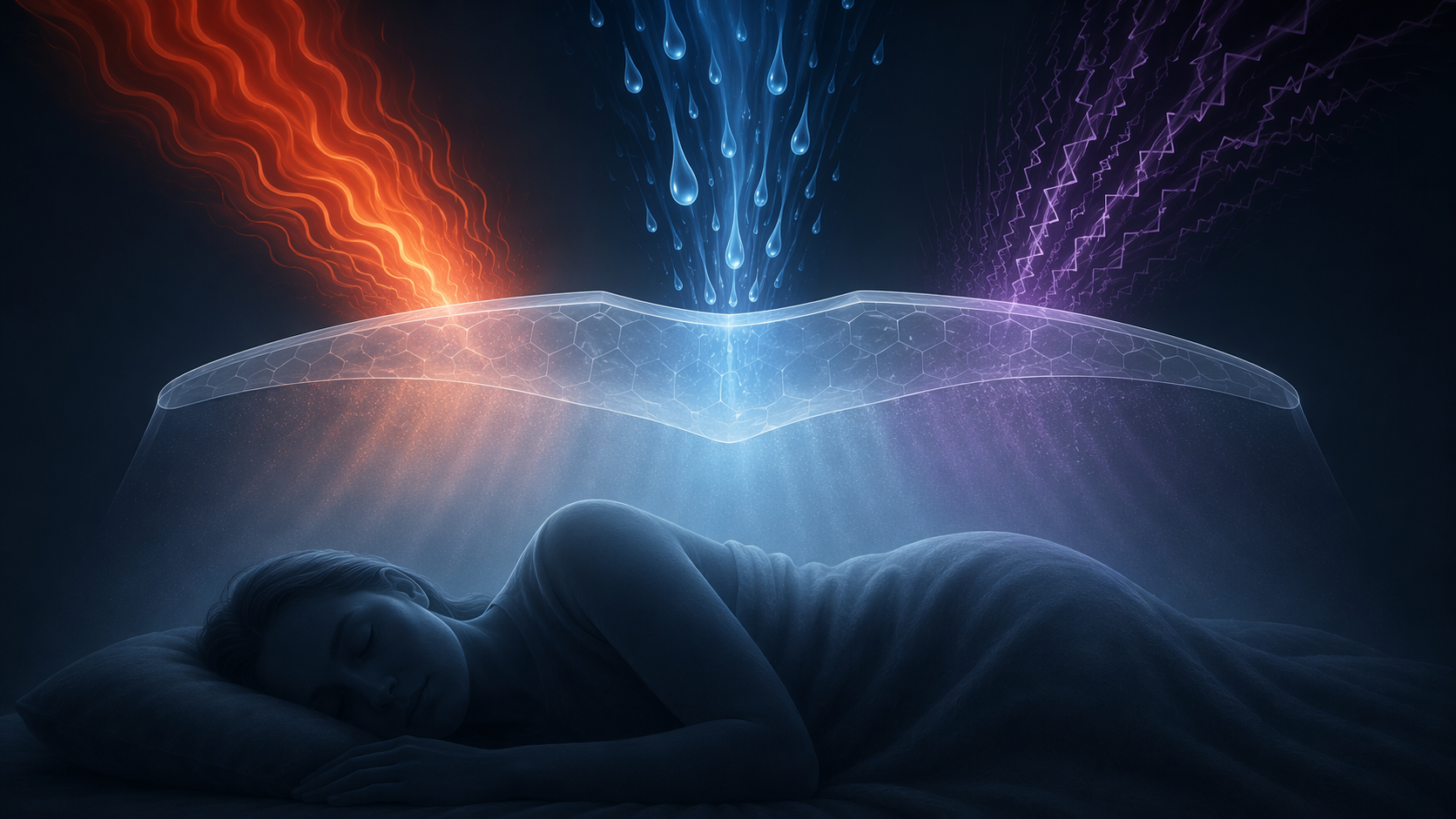
The hormonal route: when treatment changes the body’s thermostat
Androgen deprivation therapy, or ADT, is the clearest sleep-disruption mechanism in the prostate cancer literature because it changes the hormonal environment systemically. For many men, that means hot flashes and night sweats. The sleep consequence is not subtle: sweating wakes the patient, forces bedding or clothing adjustments, and makes it harder to return to stable sleep.
The most useful finding here is not simply that men on ADT report worse sleep. Savard and colleagues found that night sweats mediated 48.6% of the insomnia effect in ADT patients.[2] In plain terms, nearly half of the link between ADT and insomnia in that analysis ran through night sweats. That is a mechanism, not just a complaint category.
Hot flashes are also common in this treatment context. Challapalli and colleagues reported that about 80% of ADT patients experience hot flashes, and 27% rated them as the most impactful side effect.[3] Those figures do not tell us exactly how many nights a given man will lose. They do show why a sleep conversation that ignores ADT-related heat symptoms is missing the central pathway for many patients.
This is where treatment comparisons often get sloppy. If a focal approach avoids ADT in a suitable localized prostate cancer case, it does not merely avoid one line on a side-effects checklist. It avoids a systemic hormonal trigger that has a documented connection to night sweats and insomnia. That is the strongest sleep-sparing argument available for focal therapy, but it applies only when ADT is not part of the treatment plan.
The urinary route: fragmented sleep is still lost sleep
Nocturia is a more mechanical route into insomnia. It does not need to alter melatonin, core temperature, or dream architecture to matter. If the bladder wakes a person repeatedly, sleep becomes fragmented. Even when total time in bed looks adequate, the night stops being restorative.
Hanisch and colleagues used actigraphy and found nocturia to be the most common cause of objective sleep fragmentation in ADT patients, with a mean of 1.75 nocturia episodes per night.[4] That number is modest enough to be believable and disruptive enough to matter. A person who wakes once or twice every night at the wrong sleep stage can feel markedly worse than a side-effect form suggests.
Whole-gland prostate treatments can affect urinary function through different routes. Surgery may involve sphincter-related injury and postoperative catheterization. Radiation can irritate the bladder and urinary tract. ADT may coexist with nocturia and other symptoms. These mechanisms are not identical, but the sleep endpoint can look similar: more awakenings, more time awake after sleep onset, and more daytime exhaustion.
Focal therapy changes the anatomy of the question. Instead of removing or treating the whole gland, it targets a defined cancer-bearing area while trying to preserve surrounding structures. Prostate Cancer UK describes HIFU as a treatment that uses high-frequency ultrasound waves to heat and destroy prostate cancer cells, and Cleveland Clinic describes focal therapy more broadly as treating only the tumor-containing part of the prostate rather than the entire gland.[5][6] HIFU, cryotherapy, laser ablation, irreversible electroporation, photodynamic therapy, and TULSA should not be treated as identical procedures. They do, however, share the tissue-sparing premise.
From a sleep standpoint, the relevant point is not that focal therapy has no urinary effects. Temporary swelling, catheter use, urgency, or irritation can still disturb nights during recovery. The narrower claim is that less bladder-neck, sphincter, and whole-gland injury gives focal therapy a plausible urinary sleep advantage over treatments that expose more of the urinary system to surgery or radiation.
The psychological route does not disappear just because the procedure is smaller
Cancer-related hyperarousal is easy to undercount because it does not always produce a clean lab value. It is still a real sleep pathway. A patient can have tolerable pain, no night sweats, and acceptable urinary function, yet lie awake because the brain has decided that nighttime is the safest hour to run threat simulations.
The surgical literature shows why recovery cannot be reduced to wound healing. In a study after radical prostatectomy, 31.5% of men reported sleep disturbances, 18% met insomnia criteria, and 95% of those insomnia cases were chronic.[7] That does not mean surgery caused every case of chronic insomnia. It does mean that post-treatment insomnia can persist long after the early recovery window that many brochures emphasize.
Focal therapy may help this pathway indirectly. A smaller procedure, shorter catheter period, and faster return to ordinary routines can reduce the number of nightly cues that keep the nervous system on alert. But cancer anxiety is not simply a byproduct of invasiveness. Men still wait for PSA tests, imaging follow-up, and the possibility of retreatment or surveillance decisions. Partners may notice the vigilance before the patient names it: checking the clock, shifting restlessly, waking early even when urinary symptoms have settled.
How treatment types map onto the three sleep pathways
| Treatment approach | Main sleep-disruption route | What the evidence supports |
|---|---|---|
| ADT | Hormonal heat symptoms, night sweats, and associated awakenings | Strong mechanistic link between night sweats and insomnia in ADT patients |
| Surgery | Urinary disruption, catheter recovery, pain or discomfort, and postoperative hyperarousal | Post-prostatectomy insomnia can be chronic in a high proportion of cases that meet insomnia criteria |
| Radiation therapy | Urinary irritation and treatment-course disruption, sometimes combined with ADT | Sleep disruption is plausible through urinary and systemic treatment burden, but varies by regimen |
| Focal therapy | Temporary urinary irritation and recovery stress, usually without systemic ADT when used alone | Mechanistic rationale is strong, but direct sleep-specific focal therapy studies are lacking |
This comparison is more useful than asking whether one treatment “causes fatigue.” Fatigue is the daytime result. The nighttime mechanism is what determines whether the patient needs help with hot flashes, bladder awakenings, pain control, anxiety, sleep scheduling, or a combination of these.
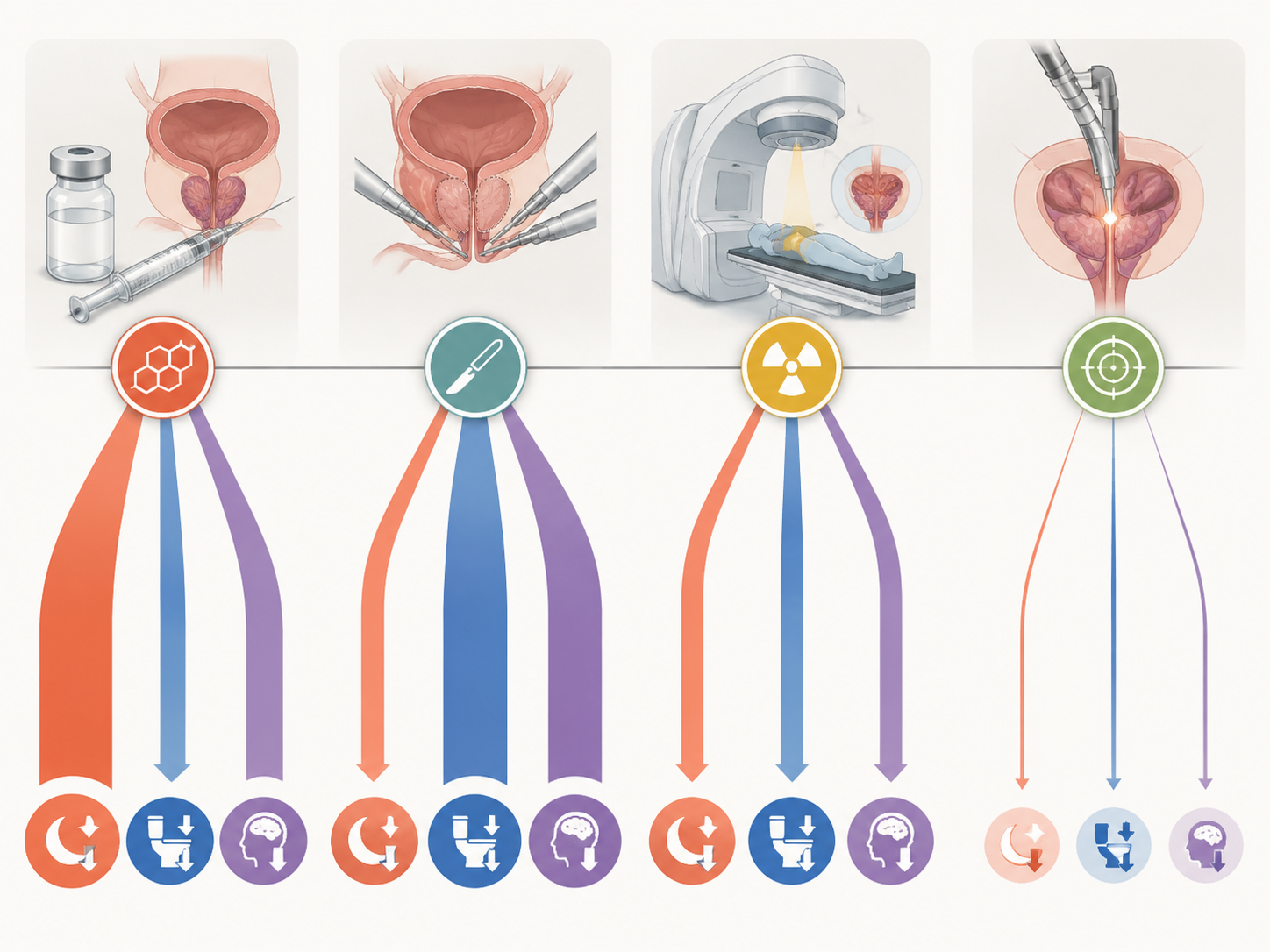
Where focal therapy has the cleanest sleep logic
Focal therapy’s sleep-sparing argument is not that it is effortless. It is that the treatment design avoids stacking the three major sleep-disruption pathways in the same way many whole-gland or systemic approaches can.
- Hormonal pathway: when focal therapy is used without ADT, it avoids the systemic androgen suppression linked with hot flashes and night sweats.
- Urinary pathway: because treatment is targeted to a smaller zone, the intended exposure of bladder-adjacent and sphincter-related structures is lower than with whole-gland approaches.
- Psychological pathway: shorter procedural recovery may reduce the time a patient spends feeling visibly and physically ill, though it cannot remove cancer-related vigilance by itself.
The Focal Therapy Clinic’s audit data fit this logic, but they should be read with the label attached. The clinic reports that 85% of men returned to work within 2 weeks, describes fatigue as mild and temporary, reports catheter duration of 3–5 days compared with 7–14 days for prostatectomy, and reports pad-free continence of 95–100% in its continence sample.[8] Those numbers come from a single private UK clinic, in a selected population, and have not been independently replicated as a controlled sleep study. They are useful recovery benchmarks, not proof that focal therapy preserves sleep architecture.
The continence comparison is also easy to overread. The clinic contrasts its pad-free continence figures with 20–50% pad use after prostatectomy at 6 months in the PART randomized controlled trial.[8][9] That comparison is clinically relevant because pad use and leakage can affect nighttime confidence and awakenings. But it is not a randomized comparison of focal therapy versus prostatectomy for sleep outcomes.
What focal therapy cannot honestly claim yet
The missing study is straightforward to name: a prospective focal-therapy sleep study that measures baseline sleep, follows patients after treatment, and uses sleep-specific tools such as actigraphy, validated insomnia scales, or polysomnography where appropriate. Without that, focal therapy can be described as mechanistically sleep-sparing, not proven to improve sleep outcomes.
That distinction protects patients from two bad conclusions. The first is the brochure problem, where night sweats, nocturia, anxiety, and recovery stress all get collapsed into “fatigue.” The second is the marketing problem, where “less invasive” quietly becomes “better sleep” before sleep has actually been measured.
It also keeps focal therapy in the right clinical frame. Focal therapy is generally discussed for selected men with localized prostate cancer, not for every risk profile or every tumor pattern. Suitability depends on cancer grade, location, imaging visibility, biopsy mapping, prostate anatomy, clinician expertise, and willingness to undergo follow-up. A sleep advantage, even if eventually confirmed, would not override cancer-control judgment.
Better questions to bring into the consultation
A prostate cancer consultation usually covers survival, recurrence risk, urinary function, sexual function, and bowel effects. Sleep often enters late, if at all. It deserves a more precise place in the conversation.
- Will this plan include ADT, and if so, how likely are hot flashes or night sweats in my situation?
- What urinary symptoms are most likely at night: urgency, nocturia, leakage, catheter discomfort, or irritation?
- How long is catheter use expected, and what should count as abnormal nighttime urinary disruption?
- How soon do patients with my treatment plan usually return to ordinary activity, and what recovery symptoms most often disturb sleep?
- Am I actually a candidate for focal therapy based on cancer risk, tumor location, imaging, and biopsy findings?
- If I already have insomnia, nocturia, sleep apnea, or anxiety, should those be assessed before treatment rather than after months of poor sleep?
The strongest current conclusion is calibrated. Focal therapy has the most coherent sleep-sparing rationale among commonly used prostate cancer treatment approaches because it can simultaneously minimize systemic hormonal disruption, limit urinary-tract injury, and shorten the visible recovery burden. That rationale is indirect. Until sleep-specific focal therapy studies are done, the best use of the evidence is not to declare focal therapy the sleep-protective choice for every man, but to ask each proposed treatment how it will affect the actual night: sweating, urinating, worrying, waking, and trying to fall back asleep.
References
- Prostate Cancer and Sleep Disorders: A Systematic Review. Sparasci et al., 2022.
- Prostate cancer treatments and side effects associated with increased insomnia. Psycho-Oncology.
- Hot flash burden in ADT patients. Challapalli et al., 2018.
- Actigraphy data on nocturia and sleep fragmentation in ADT patients. Hanisch et al., 2011.
- HIFU. Prostate Cancer UK.
- Focal Therapy for Prostate Cancer. Cleveland Clinic.
- Insomnia after radical prostatectomy. Savard et al., 2005.
- Recovery outcomes audit data. The Focal Therapy Clinic.
- Continence outcomes comparison. PART randomized controlled trial.
Comments
Join the discussion with an anonymous comment.