
The frustrating part of the epilepsy-sleep relationship is that the problem often runs in both directions at once. Poor sleep can lower the threshold for seizures; seizures can then break up the next night of sleep, reduce restorative sleep stages, and leave the person more vulnerable again. That loop is not a character flaw, and it is not solved by telling someone with epilepsy to “just get more sleep.” It is a neurological and clinical problem that needs to be sorted into treatable pieces.
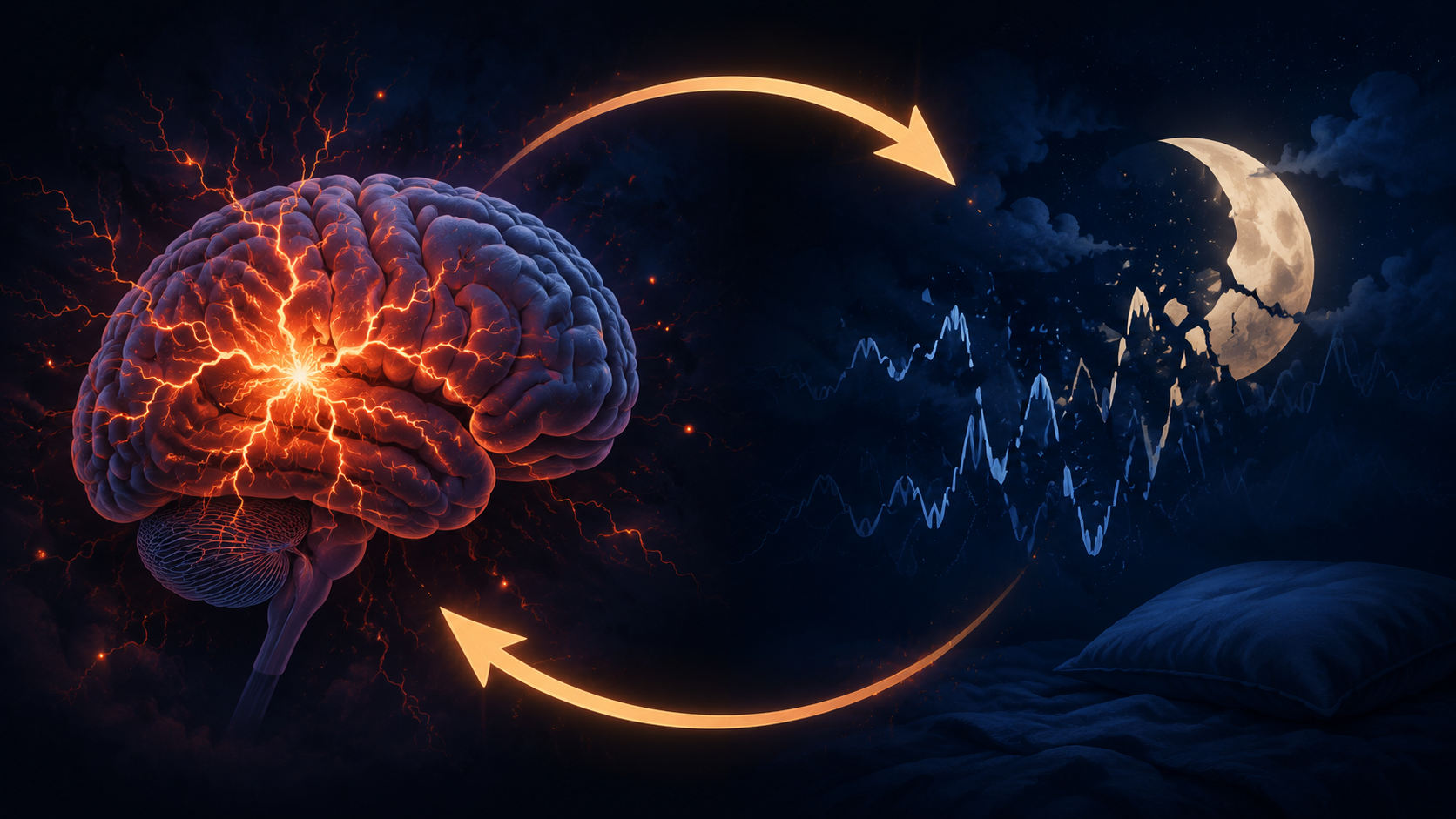
The first piece is the seizure itself. Sleep deprivation is widely recognized as a seizure trigger, but sleep is not uniformly risky across the night. During non-rapid eye movement sleep, especially deeper NREM sleep, brain activity becomes more synchronized. That synchrony can make epileptiform discharges more likely to appear. REM sleep tends to do the opposite: its more desynchronized brain activity is relatively suppressive of epileptiform activity.[1]
That helps explain why seizure timing can look patterned rather than random. Some people have seizures only during sleep, while others have seizures during sleep or shortly after waking. Historical clinical observations cited in the epilepsy sleep literature put sleep-only seizures at about 20% of people with epilepsy, while the Sleep Foundation summarizes that up to 15% have seizures only while sleeping or upon waking.[1][4]
The second piece is what seizures do back to sleep. Seizures can decrease sleep efficiency, increase wake time after sleep begins, reduce REM sleep, and reduce sleep spindle density.[1] In plain terms, the night after seizure activity may be measurably less stable. The person may wake exhausted, the partner may have spent the night listening for events, and the next day may begin with everyone trying to decide whether fatigue is a warning sign, an aftereffect, or both.
Why NREM and REM Matter
NREM sleep is not “bad sleep.” It is necessary sleep. The problem is that the same synchronized neural firing that supports ordinary NREM physiology can also make abnormal electrical activity easier to propagate in a susceptible brain. REM sleep, by contrast, is often relatively protective because its brain activity is less synchronized.[1]
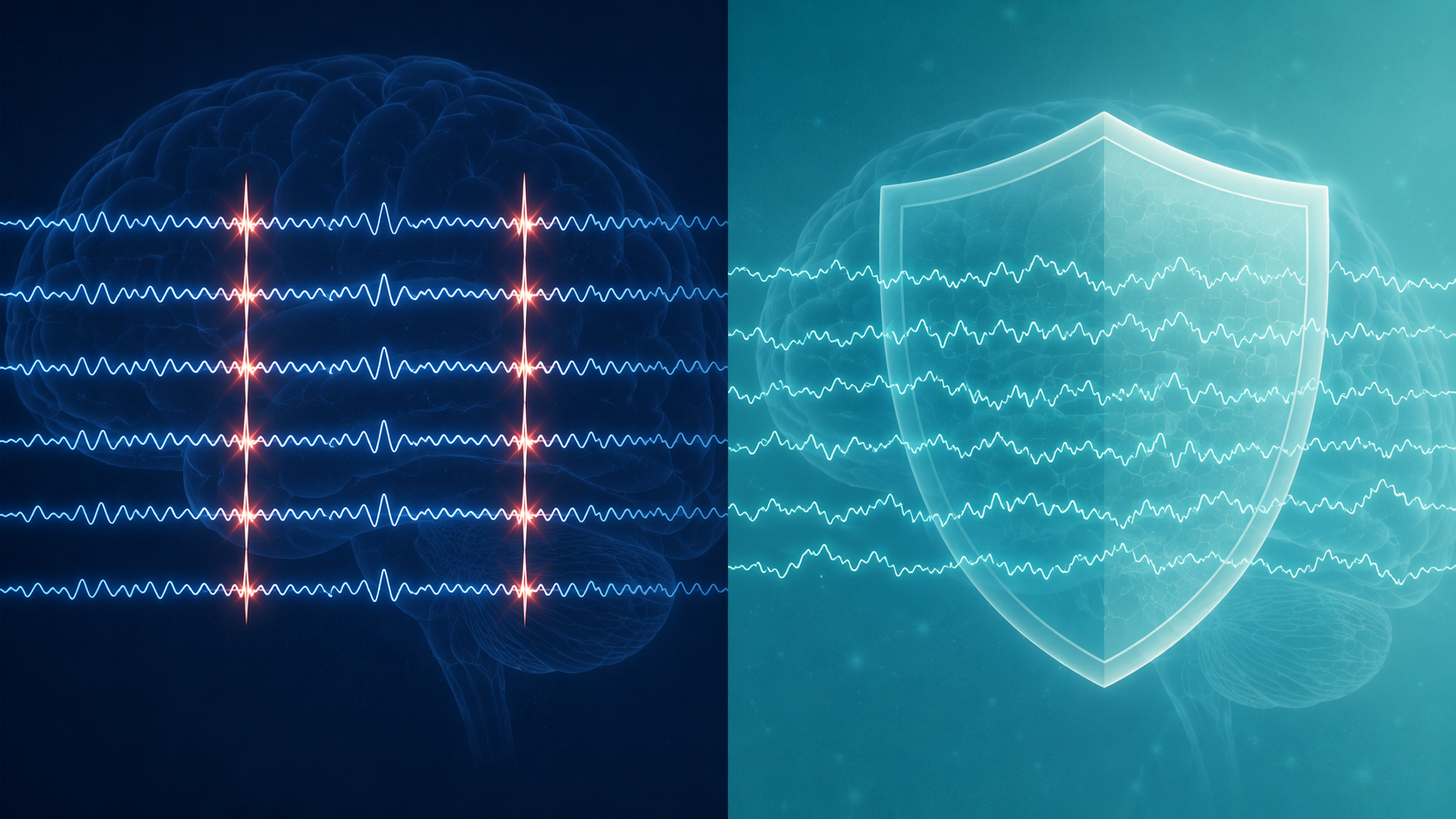
That distinction matters because it keeps the conversation honest. The goal is not to avoid deep sleep or to treat normal sleep architecture as dangerous. The goal is to recognize why a sleep-deprived, fragmented, or untreated sleep-disordered night can create conditions in which seizures are more likely, and why seizure control and sleep treatment have to be managed together.
It also explains why a person can feel worse even when they technically spent enough hours in bed. If seizures or epileptiform activity are disrupting sleep stages, the clock may say “eight hours,” while the brain experienced repeated interruption, less REM sleep, and poorer sleep continuity. That is different from choosing a better bedtime routine, and it deserves a different level of evaluation.
The Emerging Mayo Finding: Deep Sleep After Seizures May Not Be Neutral
A 2026 Mayo Clinic report adds a more unsettling possibility: after a seizure, the brain may reinforce seizure pathways during deep sleep through a process described as “seizure-related consolidation.” The finding suggests that post-seizure deep sleep could strengthen abnormal neural circuits, rather than simply marking recovery.[3]
This is important science, but it should not be turned into bedside advice ahead of the evidence. It does not mean people with epilepsy should avoid sleep after seizures, and it is not a reason to self-adjust antiseizure medication or deliberately restrict sleep. For now, it sharpens the biological picture: seizures and sleep may interact not only through triggers and fatigue, but also through memory-like reinforcement processes that researchers are still defining.
The Practical Question: Which Sleep Problem Is Treatable?
Once the cycle is visible, the next question is not “How can I optimize sleep?” It is more specific: Is there a sleep disorder or medication-related sleep disruption that can be evaluated and treated?
| Sleep-related issue | Why it matters in epilepsy | What to ask about |
|---|---|---|
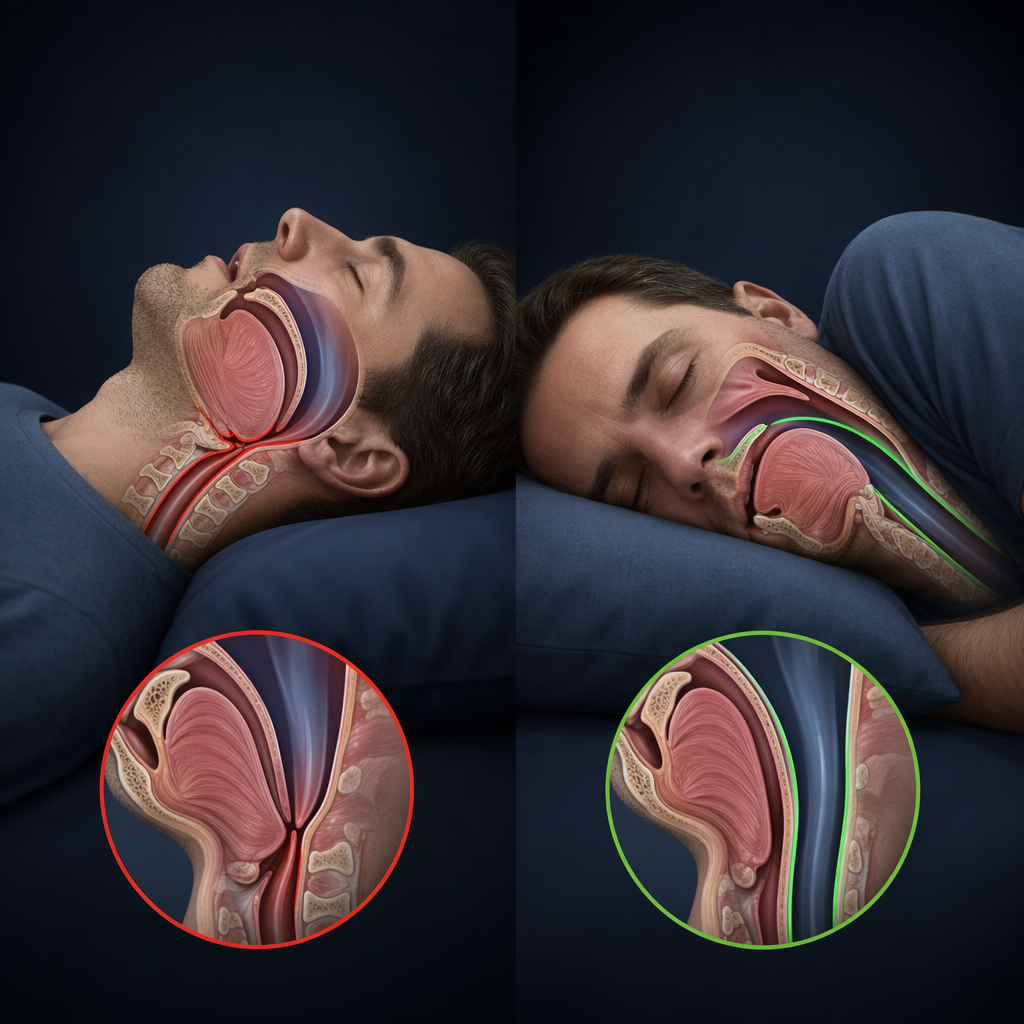
| Obstructive sleep apnea | Repeated breathing interruptions fragment sleep and may worsen seizure control. | Sleep study, CPAP treatment, and follow-up on adherence and seizure frequency. |
| Insomnia | Difficulty falling or staying asleep can extend sleep deprivation and make seizure patterns harder to stabilize. | CBT-I, medication effects, anxiety or mood comorbidity, and sleep scheduling. |
| Restless legs syndrome | Leg discomfort and movement can delay sleep and break up the night. | Iron status and clinician-guided medication options. |
| Medication timing or sedating effects | Some antiseizure medications can affect alertness, sleep continuity, or daytime function. | Whether dose timing or medication choice should be reviewed by the treating clinician. |
Sleep hygiene still matters. A consistent wake time, enough sleep opportunity, and avoiding obvious sleep deprivation are not trivial in epilepsy care. But sleep hygiene is the floor, not the whole building. If a person has untreated obstructive sleep apnea, clinically significant insomnia, restless legs syndrome, medication-related sleep disruption, or nocturnal seizures, a bedtime checklist will not carry the burden by itself.
Obstructive Sleep Apnea Deserves Early Attention
Obstructive sleep apnea is one of the most important sleep disorders to look for in people with epilepsy, especially when seizures remain difficult to control. One review reports OSA prevalence of about 30% in medically refractory epilepsy. In a cohort of 416 epilepsy patients referred for sleep evaluation, 75% had OSA, a figure that should be read in context because the group was already selected for sleep assessment.[2]
The treatment signal is clinically meaningful. CPAP treatment has been associated with improved seizure burden, and one cited study found decreased spike rates after 2 to 3 days of CPAP use during slow-wave sleep.[2] The same review summarizes that CPAP can produce seizure reductions of 50% or more in 50% to 60% of treated patients with epilepsy and OSA.[2]
That does not make CPAP an antiseizure medication, and it does not mean every person with epilepsy has OSA. It does mean snoring, witnessed pauses in breathing, morning headaches, dry mouth, unrefreshing sleep, or marked daytime sleepiness should not be brushed aside as unrelated. In epilepsy, treating OSA may remove a recurring source of sleep fragmentation and physiologic stress.
Insomnia Needs More Than Reassurance
Insomnia is also common in epilepsy, though the estimates vary widely because studies use different populations and measurement tools. Reviews report insomnia symptoms in 36% to 74% of adults with epilepsy, with moderate-to-severe insomnia reported in 15% to 51%.[2] Those ranges are broad, but they are not vague: they tell clinicians and patients that insomnia is common enough to ask about directly.
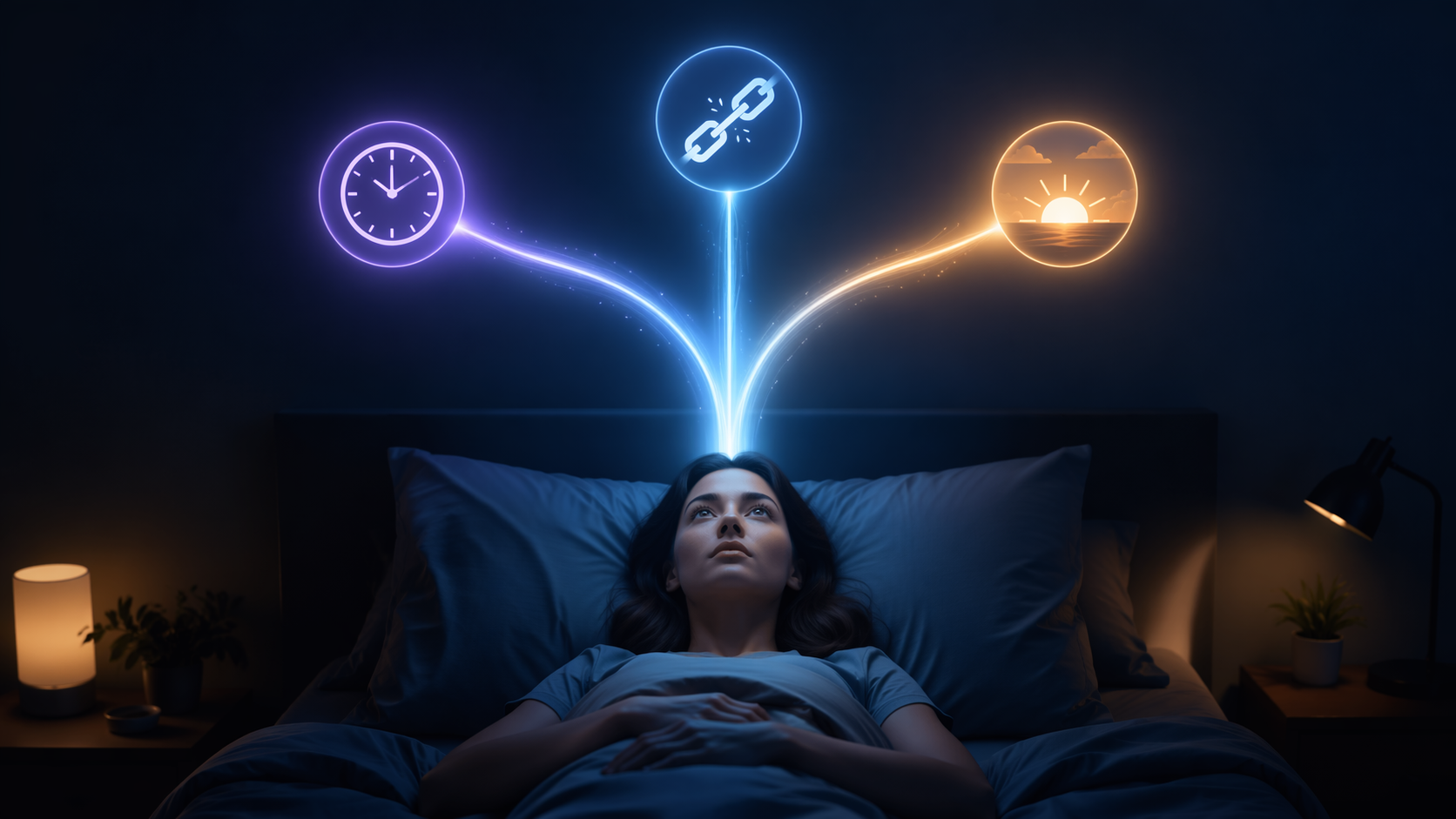
The preferred clinical conversation should include cognitive behavioral therapy for insomnia, or CBT-I. CBT-I is not simply “relax before bed.” It is a structured treatment that can address conditioned wakefulness, irregular sleep schedules, time in bed that exceeds actual sleep, and the anxiety that builds when someone starts fearing the next night. In epilepsy care, that structure matters because uncontrolled insomnia can keep feeding the seizure-sleep loop.
Medication review belongs in the same conversation. Some antiseizure medications are sedating; others may affect sleep or daytime alertness differently. The research literature discusses sedating antiseizure medications as one possible treatment consideration for insomnia in epilepsy, but this is a clinician-guided decision, not a reason to self-change doses.[2]
Restless Legs, Fragmented Sleep, and the Smaller Disruptions That Add Up
Restless legs syndrome is another sleep-related condition reported more often in epilepsy populations than many people expect. Reviews describe RLS prevalence in epilepsy ranging from 18% to 35%.[2] The symptom pattern is usually a strong urge to move the legs, often worse at rest or in the evening, and it can make sleep onset miserable even before seizures enter the picture.
Treatment may involve checking iron status or choosing medications that help more than one problem, but that decision needs medical supervision. The larger point is simple: if the night is being carved up by leg discomfort, breathing pauses, prolonged wakefulness, or seizure activity, the person is not dealing with a motivation problem. They are dealing with multiple possible sources of sleep instability.
When Nighttime Events Are Hard to Classify
Some sleep-related seizures can resemble parasomnias. Sudden movements, vocalizations, confusion, or unusual behaviors during the night may be misread as sleepwalking, nightmares, panic, or “just bad sleep.” The reverse can happen too: not every dramatic nighttime event is epilepsy.
A normal interictal scalp EEG does not necessarily rule out sleep-related epilepsy, so persistent, injurious, stereotyped, or atypical nighttime events deserve neurologist evaluation, especially when they recur in a similar pattern.[1] A bed partner’s observations, phone video when safe and appropriate, seizure diary entries, medication timing, and sleep-wake schedule can all help the clinician decide what testing is needed.
What Breaking the Cycle Usually Looks Like
Breaking the epilepsy-sleep cycle is rarely one clean intervention. It usually means asking a more complete set of questions at the same time: Are seizures controlled as well as they can be? Is sleep apnea present? Is insomnia being treated with CBT-I rather than only advice? Are restless legs symptoms delaying sleep? Are medication timing, side effects, mood symptoms, pain, or safety concerns making the night harder than it needs to be?
The evidence is strongest where the target is specific. CPAP treats obstructive sleep apnea. CBT-I treats insomnia. Iron assessment and clinician-selected medications may help restless legs syndrome. Antiseizure medication review addresses seizure control and side effects. None of these replaces epilepsy care; each can remove a pressure point that keeps the loop turning.
That is the useful standard. Not perfect sleep. Not a promise of seizure freedom. A better clinical plan starts by treating epilepsy and sleep disorders together, because the brain that seizes at night and the brain that needs stable sleep in order to function the next day are the same brain.
References
- Sleep and Epilepsy: A Complex Interplay, Missouri Medicine, 2017.
- The Management and Alternative Therapies for Comorbid Sleep Disorders in Epilepsy, Current Neuropharmacology.
- Brain may reinforce seizures during sleep, Mayo Clinic study suggests, Mayo Clinic News Network, February 2026.
- Epilepsy and Sleep, Sleep Foundation.

Comments
Join the discussion with an anonymous comment.