
If you are searching for “Al Pacino insomnia movie streaming 2026,” the short answer is: Christopher Nolan’s Insomnia is medically sharper than many thrillers about sleeplessness, but it is still a thriller. Pacino’s Detective Will Dormer looks convincingly sleep-deprived: the delayed reactions, heavy eyes, narrowed attention, and poor decisions feel close to what sleep loss can do. The movie is less reliable when it turns insomnia into a near-inevitable slide toward hallucination, paranoia, and moral collapse.
For US viewing in Q3 2026, rental and purchase options are the safest verified path. Amazon Video, Apple TV, and Fandango At Home were the available rent-or-buy routes identified for US viewers in the July 2026 research check. Subscription availability is less certain: Paramount+ has appeared in some entertainment listings, but the US subscription listing was not consistently confirmed, so check the app directly before assuming it is included.
Where To Watch Insomnia In 2026
| Viewing route | US status in Q3 2026 | What to check |
|---|---|---|
| Digital rental | Available through Amazon Video, Apple TV, and Fandango At Home in the July 2026 research check | Confirm price and HD/4K format before renting |
| Digital purchase | Available through the same major video-on-demand stores in the July 2026 research check | Compare permanent-library terms across platforms |
| Subscription streaming | Not consistently confirmed for US viewers | Do not rely on Paramount+ claims unless the US app currently shows the movie |
That practical answer matters because streaming pages can make the film feel like a movie-night curiosity. It is more useful to watch it with one distinction in mind: the film often understands what sleeplessness feels like in the body, but it compresses and darkens outcomes that, for most people with insomnia, are quieter and more treatable.
Pacino Gets The Look Of Sleep Loss Right
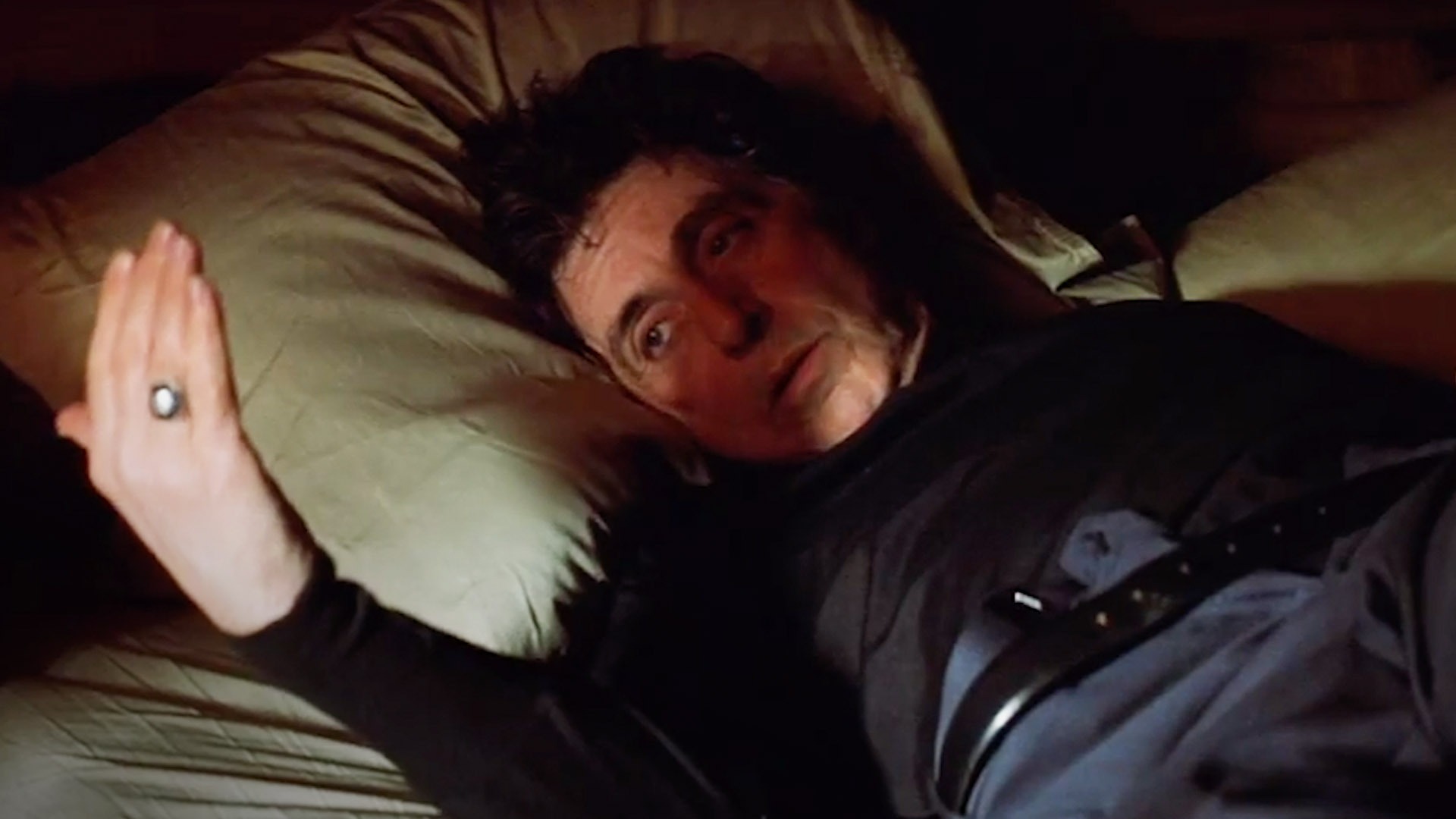
The strongest clinical argument for Insomnia is visible before the plot becomes lurid. Dormer does not merely announce that he cannot sleep. His face slows down. His eyes stay open without looking alert. He answers people a beat late. His judgment does not vanish all at once; it frays.
Dr. Luis Buenaver, a sleep specialist at Johns Hopkins, praised Pacino’s performance in a 2026 Inverse interview, saying, “I could feel it in his eyes.” He also noted that the film captures the cognitive toll of sleep deprivation without relying only on extreme visible symptoms.[1]
That is a clinician’s media assessment, not a formal consensus statement about the film. Still, it names what many viewers notice. Pacino’s performance is most convincing when Dormer is still functioning: questioning witnesses, tracking evidence, trying to keep professional control while his attention and impulse control thin out. That middle zone is where insomnia often does its damage.
The Alaska Daylight Trigger Is Plausible
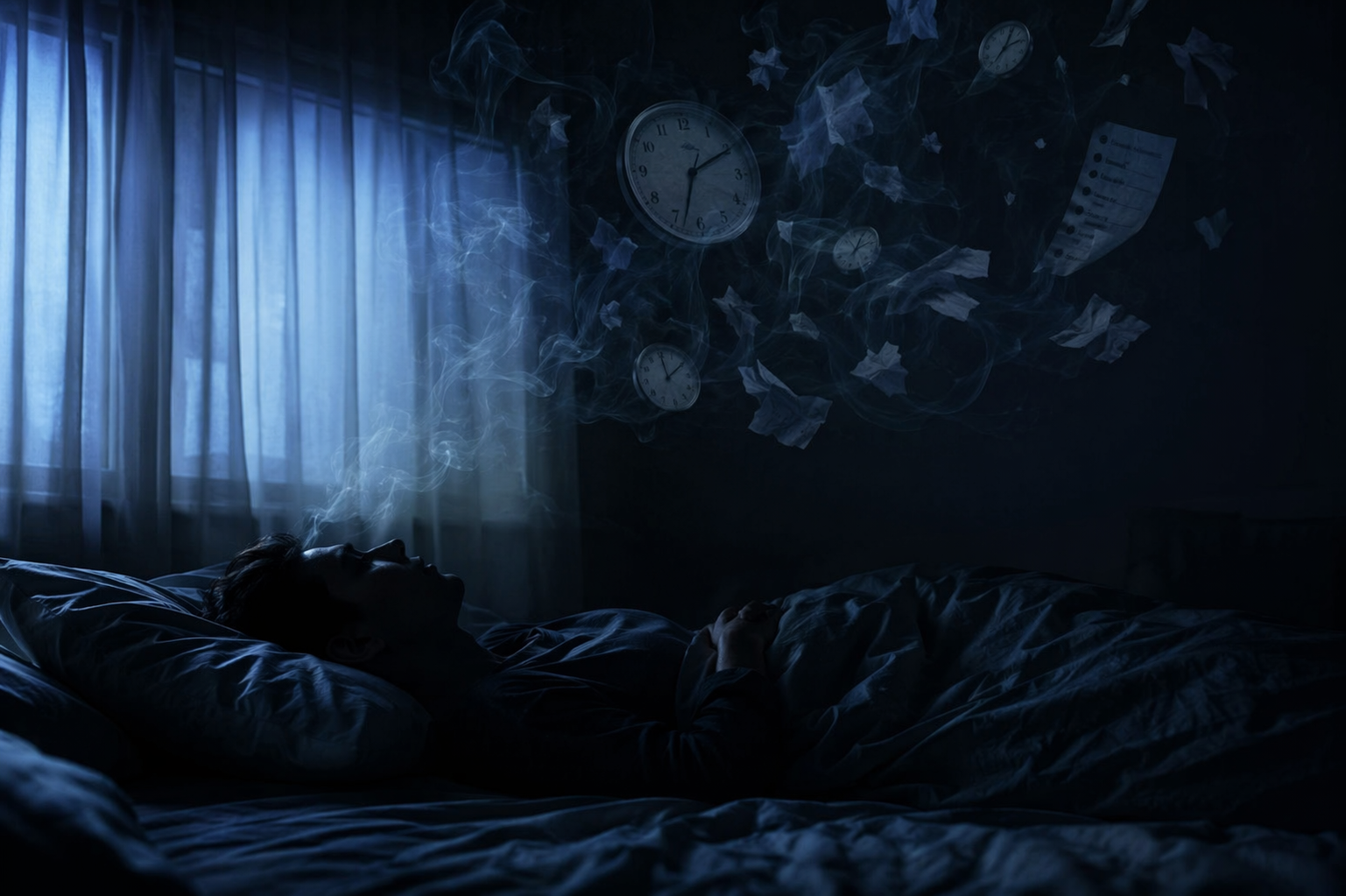
The film’s environmental setup is one of its smarter choices. Dormer arrives in Alaska during a season of prolonged summer daylight, and the light refuses to leave the room. He tapes over windows. He keeps checking the clock. The body wants a signal that night has arrived, and the setting withholds it.
High-latitude summer light can interfere with circadian timing, especially when bright evening light delays the body’s sense of biological night. The film does not need an exact count of daylight days to make that point. Weeks of unusually persistent light are enough to make sleep timing harder, particularly for someone already under stress.
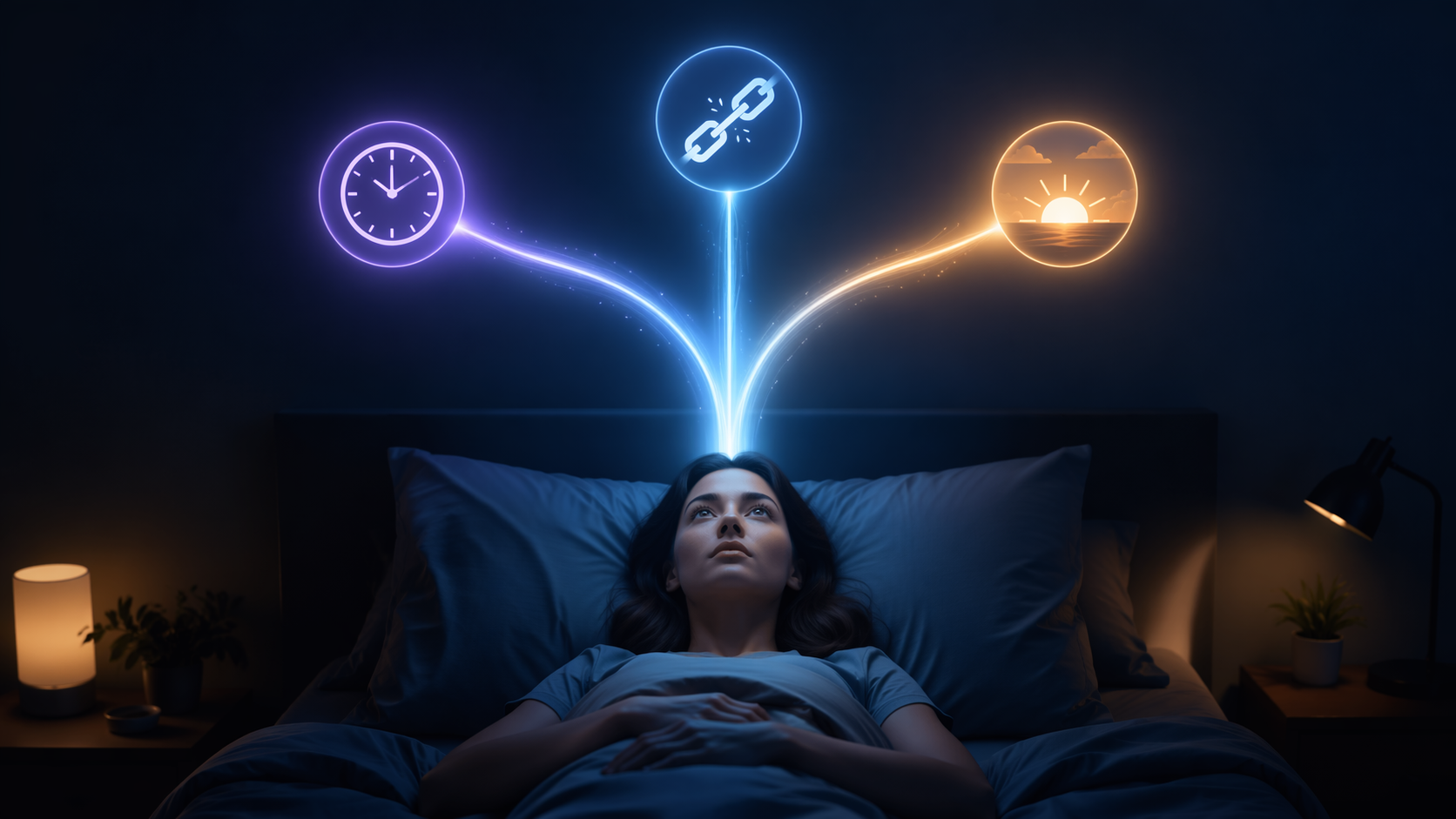
This is different from saying daylight alone explains everything that happens to Dormer. The light is a believable trigger; it is not a full diagnosis. Real insomnia usually has more than one pressure point: schedule disruption, conditioned arousal in bed, anxiety about not sleeping, pain, medications, mood symptoms, substance use, caregiving demands, or work stress can all become part of the pattern.
The Guilt Loop Is Also Clinically Recognizable
The movie’s more interesting insomnia mechanism is not the sun. It is guilt. Dormer’s mind becomes too active at exactly the time it needs to power down. He replays events, anticipates exposure, and tries to solve moral danger in the dark. That kind of nighttime hyperarousal is familiar to sleep clinicians even when the content is ordinary rather than criminal.
Columbia Psychiatry describes sleep deprivation as increasing negative emotional reactivity to stressors while decreasing positive emotions. The same source also describes insomnia through a hyperarousal model, in which the brain remains overactive at night.[2] The film turns that mechanism into noir: guilt keeps Dormer awake, poor sleep worsens his emotional control, and his worsening judgment gives him more to fear when he lies down again.
That feedback loop is more believable than the idea that insomnia simply makes someone strange. People often do not suffer only from the missed hours. They suffer from the second-order consequences: dread of bedtime, dread of tomorrow, and the private calculation of how much damage one more bad night may do.
Where The Film Starts To Exaggerate
The film becomes less clinically representative as Dormer’s sleeplessness turns into a visual and psychological unraveling. His perceptions blur. His fear grows theatrical. The story links insomnia with hallucination-level disturbance and an almost fated loss of moral control.
That is effective filmmaking. It is not what most insomnia looks like. Aaron Schokman and Professor Nick Glozier, writing in The Conversation, argue that films tend to present insomnia through dramatic breakdowns, while most people experience subtler daytime problems such as mistakes, mood disturbance, and microsleeps. They also note that hallucinations from sleep deprivation typically require more than 72 hours of total wakefulness, which is not the same as the disrupted-but-not-zero sleep shown in many insomnia stories.[3]
That distinction is protective for anyone watching while exhausted. A bad run of sleep can make the world feel hostile and distorted. It can make small problems feel unmanageable. It can slow reaction time and narrow emotional range. But insomnia does not usually mean a person is heading toward psychosis, violence, or a cinematic confession scene.
What Real Insomnia More Often Looks Like
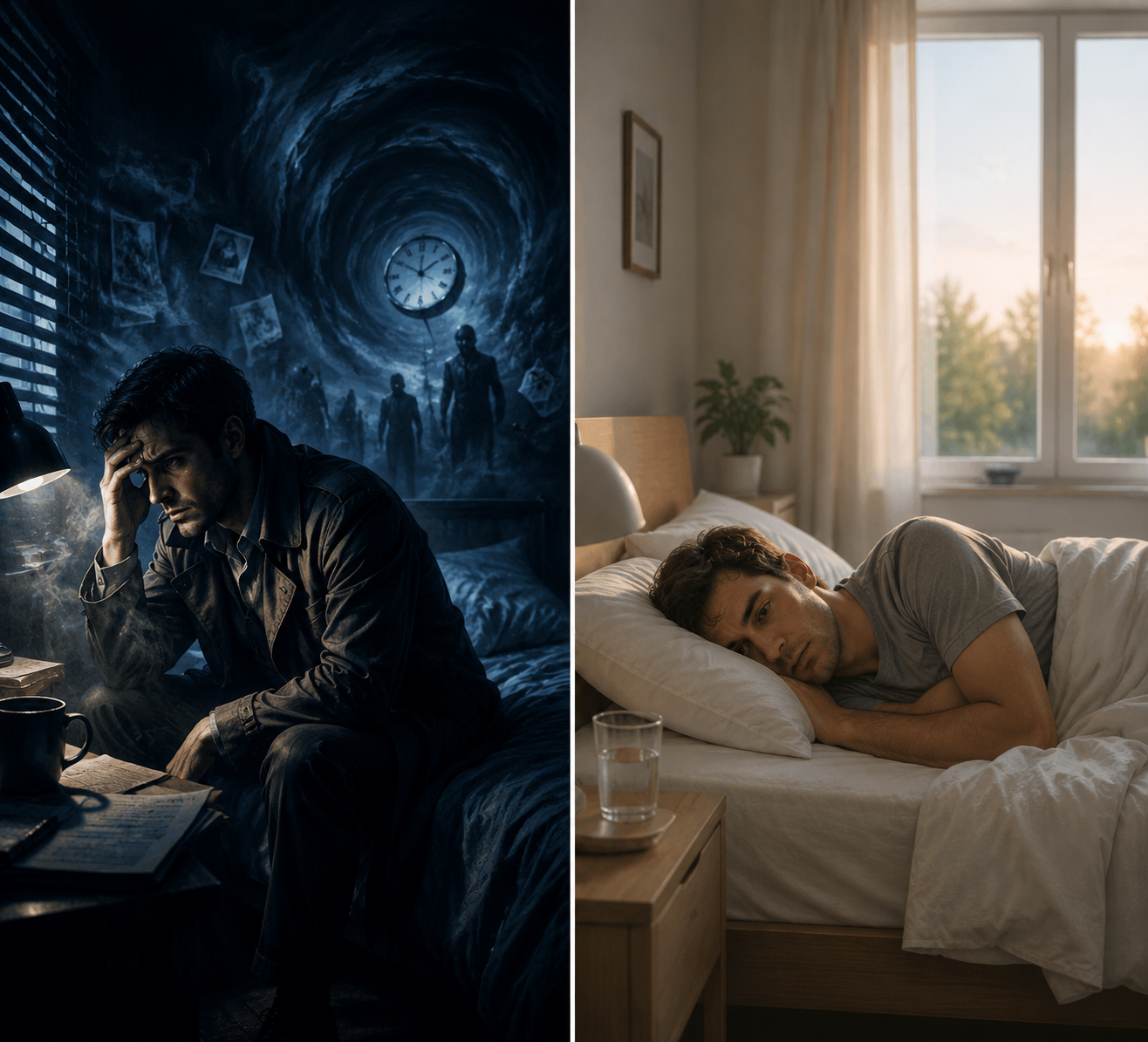
Real insomnia is common enough that it should not be treated as a rare noir condition. The American Academy of Sleep Medicine’s Sleep Education resource reports that about 1 in 3 adults experience insomnia symptoms, while about 10% to 20% meet criteria for chronic insomnia disorder, defined as symptoms at least 3 nights per week for at least 3 months. About 5% experience insomnia that causes significant daytime distress, and women are more likely than men to report insomnia.[4]
Those numbers separate three things that movies often blur: having a bad night, having recurring insomnia symptoms, and meeting criteria for a chronic disorder with meaningful daytime impairment. The difference matters. A person can be miserable after several short nights without having the same clinical picture as someone whose sleep has been disrupted for months.
Daytime impairment also tends to be less photogenic than cinema wants it to be. It may look like rereading the same email repeatedly, snapping at a partner, missing a turn while driving, forgetting why a room was entered, or feeling emotionally bruised by a routine work problem. Microsleeps can be dangerous, especially in driving or safety-sensitive work, but they do not look like a detective’s fever dream.
The film’s most accurate scenes are therefore not the ones in which sleeplessness becomes spectacular. They are the moments when Dormer remains competent enough to keep going and impaired enough that every choice costs more than it should.
The Missing Treatment Story
The largest gap in Insomnia is not that it makes sleeplessness frightening. It is that it makes sleeplessness feel sealed. Dormer does not get a careful sleep assessment, a treatment plan, or even much narrative room for recovery. The movie needs him trapped; medicine does not.
Cognitive behavioral therapy for insomnia, or CBT-I, is a first-line treatment that targets the behaviors and thought patterns that keep insomnia going. The Sleep Foundation reports that CBT-I produces durable improvement in 70% to 80% of patients in roughly 6 sessions.[5]
CBT-I is not a pep talk about relaxing. It can include sleep restriction, stimulus control, cognitive work around sleep-related fear, sleep hygiene adjustments, and relapse planning. The point is to rebuild the association between bed and sleep, reduce the time spent awake and distressed in bed, and weaken the anxious monitoring that turns bedtime into a performance review.
That is the part Hollywood rarely wants to film: not the grand collapse, but the structured improvement. A person stops spending long hours awake in bed. Morning functioning gradually steadies. Fear of the next night loses some authority. There can be setbacks, and not every patient responds the same way, but the real clinical story has more exits than Dormer’s story allows.
How To Watch The Movie Without Misreading The Condition
Watch Pacino’s face and timing before watching the plot’s extremes. The film is useful when it shows slowed processing, emotional narrowing, and the oppressive mismatch between a tired body and an overactive mind. It is less useful if it leaves the impression that insomnia usually ends in hallucination or personal ruin.
For someone dealing with sleeplessness now, the more relevant comparison is not Dormer’s worst moment. It is the morning after: whether sleep loss is affecting work, driving, caregiving, mood, conflict, or the ability to make ordinary decisions. Those consequences deserve care before they become a crisis.
As cinema, Insomnia makes sleeplessness visible by amplifying it. As sleep education, the calmer truth is more useful: insomnia can distort thinking and mood, but most cases are less spectacular than Hollywood suggests and far less hopeless than Dormer’s story.
References
- Hollywood Loves An Insomniac — But Does It Get Sleep Deprivation Right? — Inverse, Jan 2026
- How Sleep Deprivation Affects Your Mental Health — Columbia Psychiatry
- What’s insomnia like for most people who can’t sleep? You’d never know from the movies — The Conversation
- Popular Movies and Their Portrayals of Sleep — Sleep Education, American Academy of Sleep Medicine
- Cognitive Behavioral Therapy for Insomnia — Sleep Foundation
Comments
Join the discussion with an anonymous comment.