
Alaska’s Spokane-to-Honolulu winter nonstop is a mild jet lag route on paper: Spokane is only two hours ahead of Honolulu in winter. The published outbound schedule makes that even more workable, with a 9:00 AM PST departure from Spokane and a 2:03 PM HST arrival in Honolulu, leaving a useful afternoon daylight window after landing.[1] The catch is that this is still a long Hawaii flight, not a short hop. Many travelers who say they feel “jet lagged” after it will be feeling a mix of circadian delay, cabin fatigue, dehydration, sitting still, disrupted meals, and vacation-day excitement.
The practical answer: expect little to moderate clock-shift trouble on the way to Hawaii if you prepare, but do not treat the return to Spokane as the same problem in reverse. Westbound travel usually fits the body’s tendency to drift later; eastbound travel asks the body to fall asleep and wake earlier. That distinction matters more than the aircraft type or the route novelty.

How Much Jet Lag Should Spokane Travelers Expect?
For this specific Alaska Airlines Spokane-to-Honolulu winter flight, the time-zone change is small enough that many travelers will adapt quickly. It is also large enough that some people will notice symptoms, especially if they start the trip sleep-deprived or if their first Hawaii evening turns into a very late night.
There is a useful boundary here. Mayo Clinic says jet lag symptoms can occur after travel across at least two time zones.[2] The CDC describes jet lag as resulting from a mismatch between the body clock and the destination time after crossing time zones, while Roach and Sargent frame jet lag as most commonly associated with travel across three or more time zones.[3][4] Spokane to Honolulu sits in the gray zone: not a classic severe jet lag itinerary, but not automatically symptom-free.
That matters because the fix depends on what is actually happening. If you land in Honolulu foggy at 2:03 PM, your body may not be confused so much as depleted. A 7.5-hour travel day can leave you tired even when the clock shift is friendly. Treating every heavy eyelid as jet lag leads to overcorrection: unnecessary supplements, badly timed naps, or going to bed so early in Hawaii that you wake at 3:00 AM.
| What you feel | More likely cause on this route | Better first response |
|---|---|---|
| Sleepy, stiff, dull headache after landing | Travel fatigue from the long flight, low cabin humidity, sitting still, or disrupted meals | Water, food, walking, daylight, and a short nap only if needed |
| Wide awake too late in Honolulu | Body clock still partly on Spokane time or vacation-night behavior pushing bedtime later | Dim the evening, avoid late caffeine, and hold a reasonable Hawaii bedtime |
| Dragging Monday after the return | Eastbound adjustment plus late Spokane arrival | Earlier Hawaii schedule before departure and bright local morning light after return |
Use the 2:03 PM Honolulu Arrival
The outbound schedule gives you the best tool in the whole plan: afternoon light in Honolulu. Landing at 2:03 PM HST is early enough to get outside, walk, eat a normal late lunch or early dinner, and let the new day tell your body what time it is.[1] If the flight arrived near midnight, the advice would be more defensive. This arrival gives you something to work with.
The seasonal service is scheduled Saturdays only from December 19 through April 17, using a Boeing 737 MAX.[5] The Saturday-only detail matters for sleep more than the aircraft detail does. A Saturday departure means many travelers will pack late Friday, wake earlier than usual, get to Spokane International Airport in winter conditions, then sit for hours before reaching Honolulu. Protecting Friday night is part of protecting Saturday afternoon.
Three Days Before Spokane Departure
For a two-hour westward trip, the goal is not to overhaul your life. It is to make Honolulu bedtime feel less abrupt. Both the CDC and Mayo Clinic recommend shifting sleep timing before travel when possible, and a 30- to 60-minute bedtime adjustment for two to three nights fits this route well.[2][3]
Use bedtime as the main lever. If you normally go to bed at 10:00 PM in Spokane, move toward 10:30 or 11:00 PM for two or three nights before departure. Do not do this by shorting sleep. The common mistake is staying up later while still waking at the same early time for work, errands, packing, or a dawn airport run. That starts the trip with sleep debt, and sleep debt feels a lot like jet lag once you are in a hotel room with ocean air and a dinner reservation.
| When | Spokane action | Why it helps |
|---|---|---|
| Wednesday night | Move bedtime 30 minutes later if your week allows | Begins a gentle westward shift without making Friday dramatic |
| Thursday night | Move another 30 minutes later, or hold the new bedtime if you are already tired | Keeps the adjustment practical rather than performative |
| Friday night | Do not sacrifice sleep to pack; set bags and airport clothes early | A rested traveler handles a long flight better than a perfectly shifted but exhausted one |
| Saturday morning | Use the 9:00 AM departure as a normal wake anchor, not an excuse for a very short night | The outbound flight is easier if the day starts stable |
If your schedule is rigid, skip the elaborate version and protect Friday sleep. A parent with school activities, a shift worker, or someone driving in from North Idaho may not have a clean three-night runway. In that case, the best version is simple: avoid a too-early Friday bedtime, avoid a too-late Friday packing night, and board hydrated.
What Not to Change
Do not push meals, caffeine, bedtime, and wake time all over the map for a two-hour westward shift. That is more disruption than the route requires. Keep morning light in Spokane, keep meals predictable, and make the bedtime drift modest. The trip asks for a nudge, not a reset.
On the Flight: Reduce Fatigue Before You Blame the Clock
The 9:00 AM Spokane departure means you will be awake for a normal morning, then seated for a long daytime flight.[1] Treat the cabin like a fatigue generator. Drink water steadily. Stand or walk when it is safe. Loosen the schedule pressure around meals so you are not landing hungry and headachy. Alcohol may make the flight feel shorter, but it can worsen sleep quality and dehydration.
- Set your watch or phone mentally to Honolulu time once you board, but do not obsess over it.
- Use a short rest period if you need it; avoid turning the daytime flight into a long sleep session.
- Move your legs and shoulders periodically so arrival fatigue is not mistaken for circadian trouble.
- Keep caffeine earlier in the travel day so it does not interfere with the first Hawaii night.
This is also where route-specific advice beats generic advice. “Stay hydrated” is true, but it is incomplete. The better target is landing in Honolulu alert enough to use the daylight window instead of collapsing into a two-hour nap at the worst possible time.
After Landing in Honolulu
Once you land, the first hour matters. Get outside if logistics allow: airport curb, hotel check-in walk, beach path, patio meal, anything that puts real daylight on your eyes. You do not need a heroic workout. You need a clear afternoon signal.
- Get sunlight within about an hour of landing if weather and logistics cooperate.
- If you must nap, cap it at 20 minutes.
- Avoid caffeine after 2:00 PM HST.
- Eat on Honolulu time, even if the meal feels slightly late or early by Spokane habits.
- Stay awake until at least 8:00 PM HST.
That 8:00 PM floor is not magic. It is a guardrail. Going to bed at 6:30 PM in Honolulu may feel sensible after a long travel day, but it can set up a very early wake-up and make the first full vacation morning feel oddly split. If you are fading, keep the evening quiet rather than stimulating: shower, unpack lightly, dim the room, and make bedtime boring.
For travelers comparing this with other itineraries, the broader logic is the same as any new route: map the clock change, identify the first useful light window, and decide whether the direction calls for later or earlier sleep. A general route-planning version belongs in How to Prevent Jet Lag on a New Flight Route; this Spokane-Honolulu schedule is a particularly clean example because the outbound light window is so usable.

The Return to Spokane Is a Different Sleep Problem
Do not use the outbound plan coming home. The return flight is scheduled to leave Honolulu at 2:33 PM HST and arrive in Spokane at 10:42 PM PST.[1] That looks tidy on an itinerary, but from a sleep standpoint it removes the helpful landing-day light cue. You arrive late, probably tired, and already past the point when Spokane should be getting quiet.
Eastbound travel asks your body to advance: sleep earlier, wake earlier, and accept morning light sooner. That is usually harder than delaying later, and vacation habits often push the wrong way. By the last few days in Hawaii, many people have shifted bedtime later, lingered over dinner, and slept in. Then the return asks them to function on Spokane time almost immediately.
The direction change is the reason a westbound protocol and an eastbound protocol should not be blended. If you want the more general rule set, Choose Your Jet Lag Prevention Tips Based on Flight Direction is the companion idea: first decide which way the body clock needs to move, then choose light, caffeine, and sleep timing around that direction.
Start the Return Plan While You Are Still in Hawaii
Three days before the Honolulu-to-Spokane flight, begin moving bedtime earlier by 30 to 60 minutes if your vacation schedule allows. Pair that with morning outdoor light. This is not a promise that you will feel perfect Monday morning; no HNL-to-GEG field study proves that. It is the direction supported by general circadian travel guidance: eastbound adjustment benefits from earlier sleep timing and morning light.[3]
| Return timing | Hawaii action | Spokane payoff |
|---|---|---|
| Three nights before departure | Move bedtime earlier by 30 minutes if realistic | Starts reducing the gap before the travel day |
| Two nights before departure | Keep the earlier bedtime and get morning light | Supports the phase advance instead of drifting later |
| Night before departure | Avoid turning the last vacation night into the latest night | Reduces the chance of arriving in Spokane wired and exhausted |
| Arrival night in Spokane | Keep the house or hotel quiet, dim, and boring | Prevents the 10:42 PM arrival from becoming a second evening |
| Next morning | Get Spokane morning light as soon as practical | Anchors the first full day back on local time |
The arrival-night rule is especially important. A 10:42 PM landing is not an invitation to unpack everything, answer every message, start laundry, and eat a full late dinner.[1] Make the landing quiet. Put essentials where you can find them, keep lights low, and let the next morning do the real resetting.
A Simple Route-Specific Plan
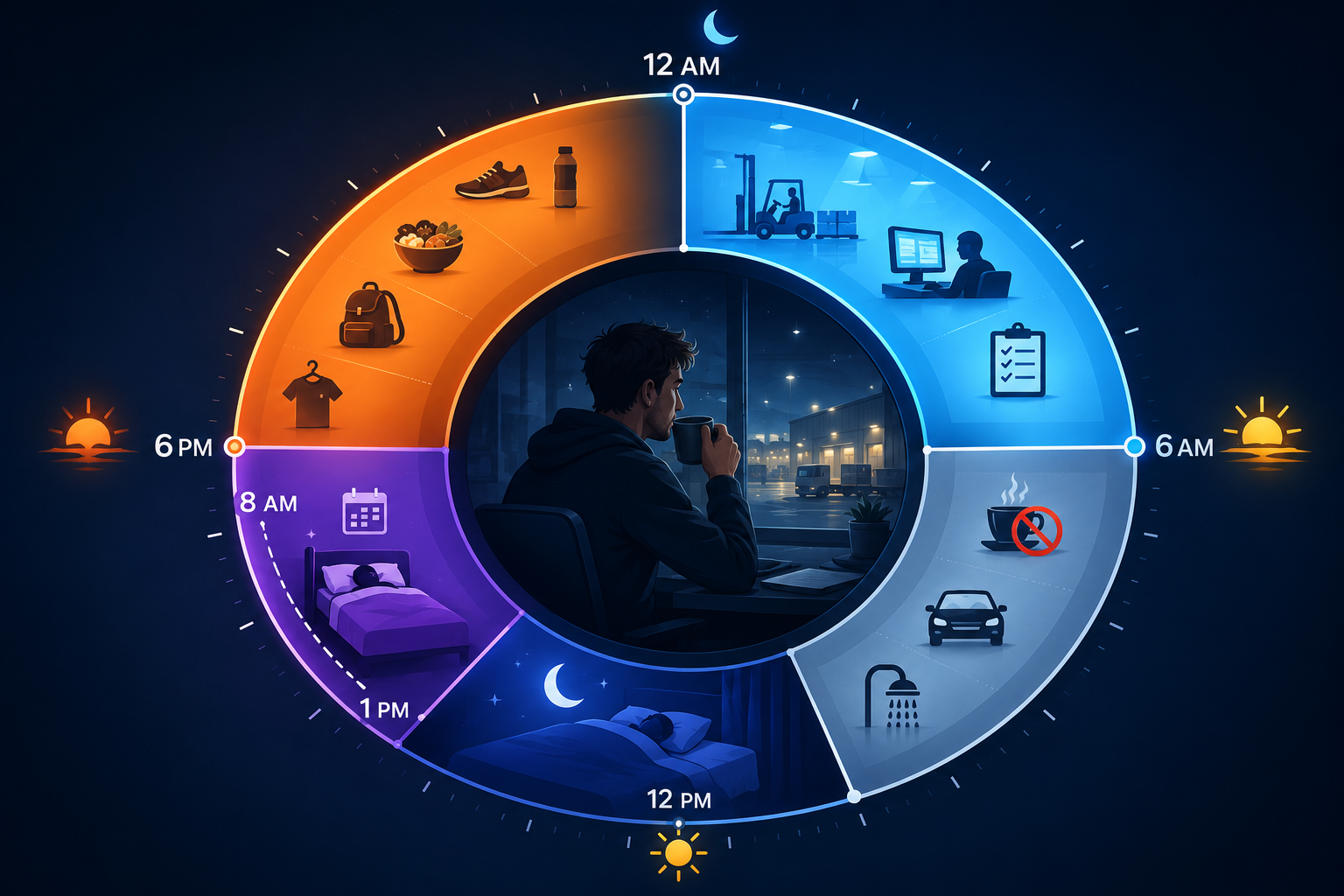
For the Spokane-to-Honolulu direction, think later and lighter: shift bedtime a little later before departure, avoid starting with sleep debt, manage cabin fatigue, get Honolulu daylight soon after landing, and hold bedtime until at least 8:00 PM HST. For the Honolulu-to-Spokane return, think earlier and quieter: start advancing bedtime in Hawaii, use morning light, and treat the late Spokane arrival as the end of the day, not the beginning of one.
This new Alaska nonstop is one of the easier Hawaii trips from a sleep-timing perspective because the westbound clock shift is only two hours and the Honolulu arrival leaves daylight to work with. It is still long enough, and the return is late enough, that a small plan can protect the first afternoon in Hawaii and make the first morning back in Spokane less punishing.
References
- Alaska Airlines adding seasonal flight to Honolulu, The Spokesman-Review, July 14, 2026.
- Jet lag disorder - Symptoms and causes, Mayo Clinic, May 2026.
- Jet Lag, CDC Travelers’ Health.
- Managing Travel Fatigue and Jet Lag in Athletes, Frontiers in Physiology, 2019.
- Alaska and Hawaiian increase seasonal Hawaii flying with new Honolulu-Boise and Honolulu-Spokane service, along with adjustments to South Pacific, Alaska Airlines Newsroom.




Comments
Join the discussion with an anonymous comment.