
Celebrity newborn sleep tips are easiest to sort when you stop treating them as one thing. Some are ordinary safe-sleep basics in polished packaging. Some are convenience tools that can reduce decision fatigue. Some are promises that a newborn can live like a well-rested adult on a product timeline. The distinction matters more now that the Snoo story includes both an April 2023 FDA De Novo authorization for supine positioning, not SIDS prevention, and a June 15, 2026 warning letter over unauthorized sleep sack sizes and sanitation issues in refurbished units [1][2].
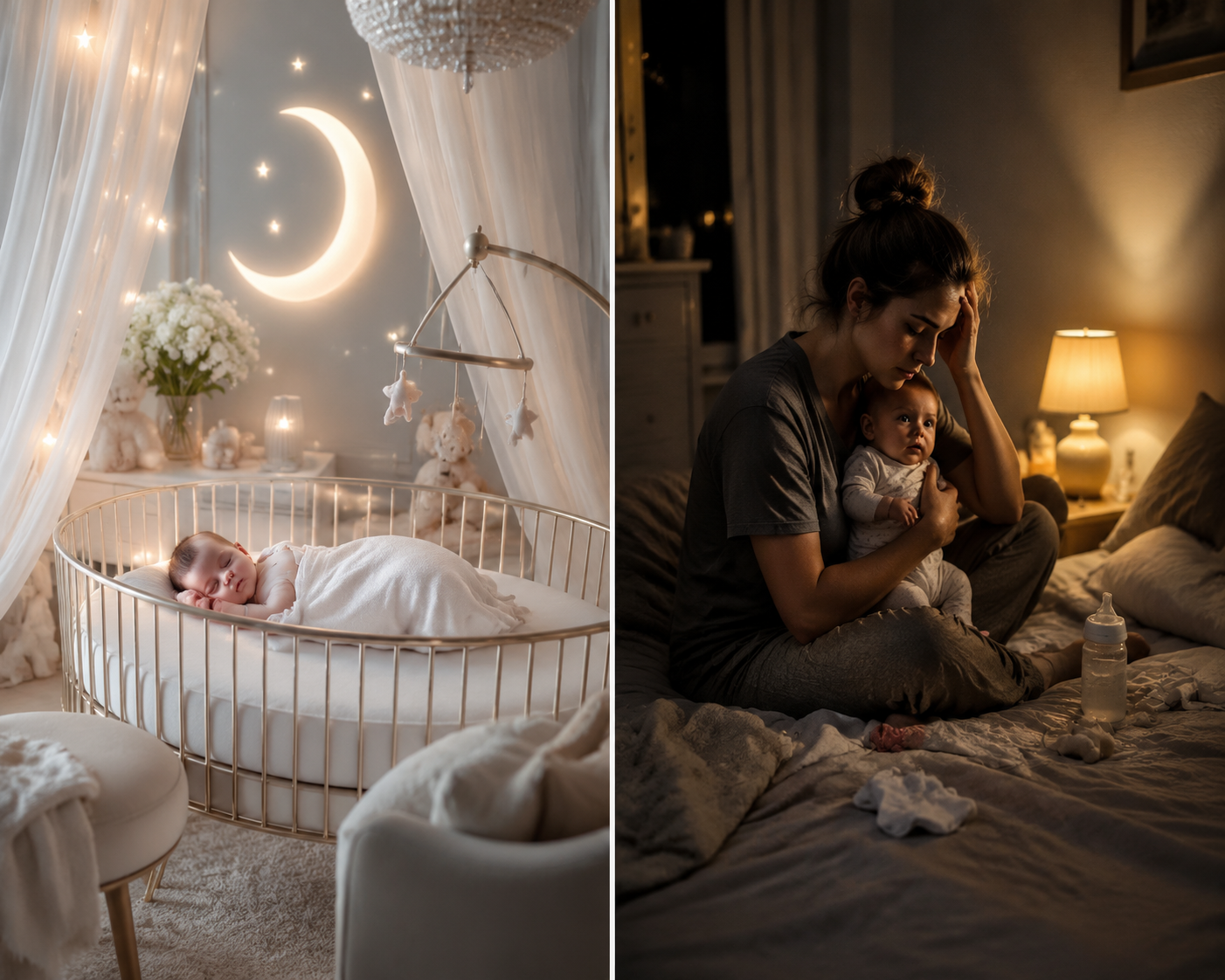
The Snoo Is Convenience, Not Secret Science
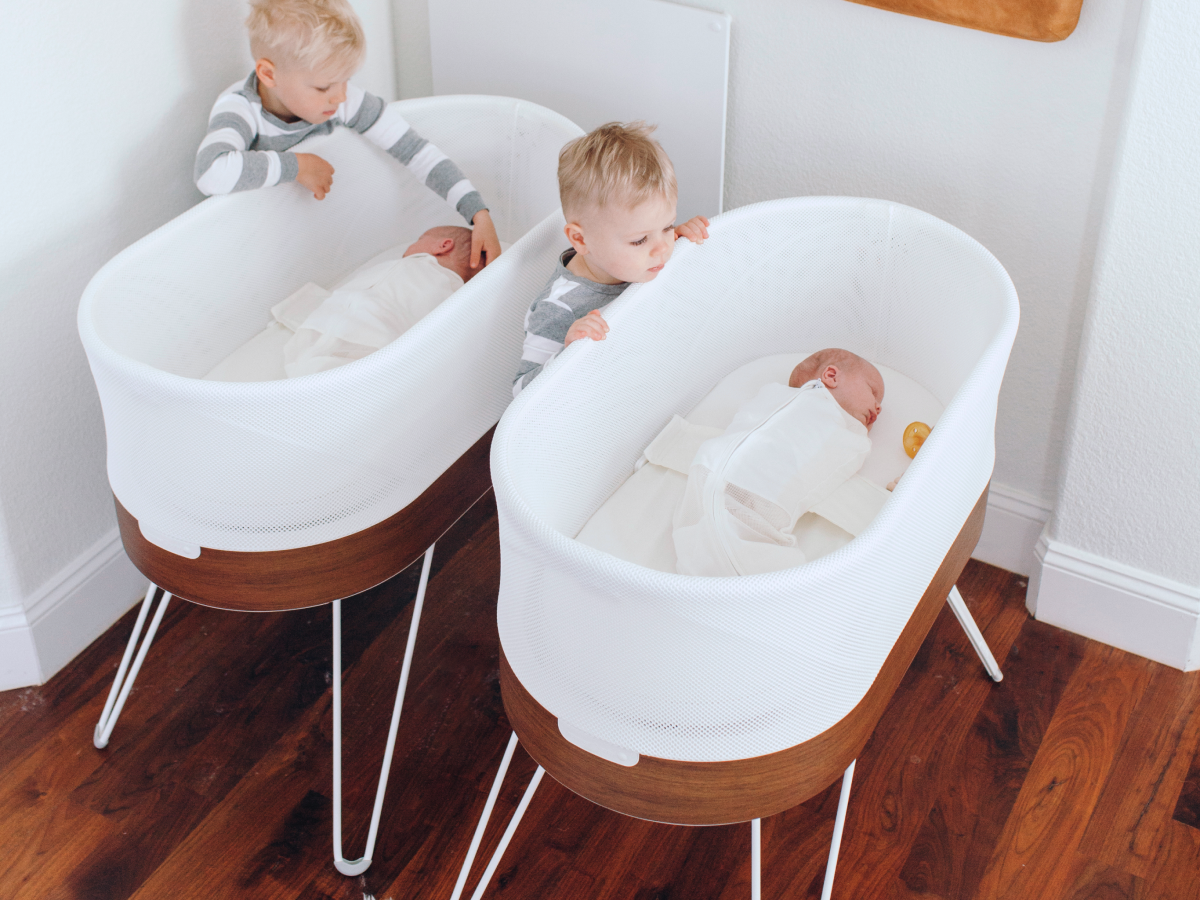
The Snoo keeps drawing attention because it bundles motion, sound, containment, and some relief from repeated decision-making into one expensive object. That can help some families. It can also make ordinary newborn care look like a premium protocol. FDA's 2023 authorization covered use for supine positioning; it did not establish the device as a SIDS-prevention machine [1]. In June 2026, FDA said Happiest Baby had shipped unauthorized sleep sack sizes, including an X-Small measured at 44 cm versus the authorized 49 cm and an X-Large measured at 68 cm versus 61 cm, and cited at least 18 grouped complaints, including a choking report and concerns about unsanitary refurbished units [2]. Because that enforcement action is recent, parents should treat the regulatory picture as active rather than settled.
Newborn Sleep Is Unfinished
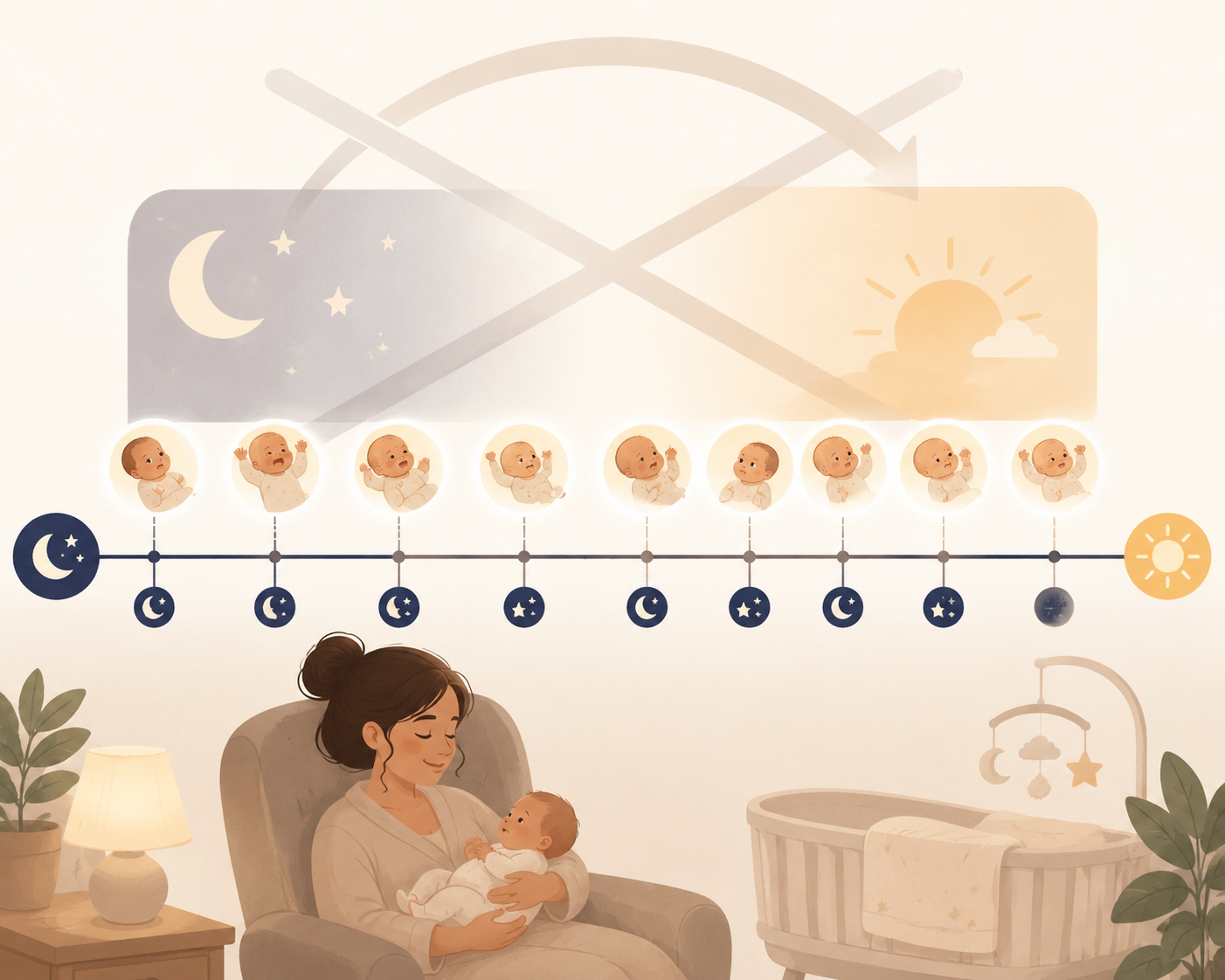
This is the part celebrity sleep content usually smooths over. BBC Future's discussion with James McKenna and Helen Ball frames night waking as part of safe and healthy infant sleep, not as evidence that a parent has failed to create the right schedule [3]. That fits the experience of most newborns better than the fantasy of one uninterrupted overnight block. Feeding, waking, and sleeping are still negotiating with one another in the first weeks, which is why a baby can wake often and still be perfectly normal. For a month-by-month view of what changes, A Developmental Roadmap for Your Child's Sleep Health Journey is the better map than any celebrity clip.
What Celebrity Roundups Actually Package
Forbes and SheKnows keep the celebrity-routine genre in circulation, while Parenting Science is more useful when it keeps those routines attached to actual sleep patterns instead of mythmaking [4][5][6]. The recurring trick is simple: a few real basics, a few comfort tools, and one or two promises that sound more complete than newborn biology ever is.
- Back sleeping and other safe positioning basics are the part that maps onto safety, not status.
- White noise, swaddling within safety limits, and a predictable pre-sleep rhythm are practical supports, not proprietary breakthroughs.
- Responsive feeding matters because a newborn is still built around hunger and short sleep cycles.
- A Snoo or a sleep coach can add consistency and accountability, which is real relief for exhausted parents.
- "7 p.m. to 7 a.m.," "self-soothing from day one," and "no regressions" belong in the marketing bucket, not the developmental one.
That leaves a practical test for any newborn sleep schedule celebrity tips: if a method lowers risk, lowers panic, or lowers the number of decisions you have to make at 3 a.m., it earns consideration. If it mainly turns ordinary newborn care into a premium narrative, it does not. The next few weeks are better spent on safe sleep, responsive feeding, and a routine you can repeat than on trying to copy an influencer schedule. If the pressure is landing on your own sleep too, New Parent Sleep Deprivation Isn't About Total Hours is the better companion piece.
References
- Snoo Smart Sleeper granted FDA De Novo approval — AASM — April 2023
- Happiest Baby, Inc. - 718306 - 06/15/2026 — U.S. Food and Drug Administration — June 15, 2026
- The science of safe and healthy baby sleep — BBC Future — January 31, 2022
- Baby sleep patterns — Parenting Science
- How celebrities get their babies to sleep — Forbes — June 12, 2024
- Celebrities who've opened up about kids' bedtime routines — SheKnows

Comments
Join the discussion with an anonymous comment.