
Cocaine and fentanyl can look like opposites at 2 a.m. One can keep a person pacing, wired, unable to come down. The other can make the body heavy and drowsy. That contrast is real, but it is also where many people get misled. The question behind cocaine and fentanyl effects on sleep is not only whether someone is awake or sedated. It is whether the brain is moving through the sleep stages that repair the body, regulate emotion, stabilize breathing, and make the next day survivable.
The strongest pooled human evidence points in that direction. A 2026 systematic review and meta-analysis from Yale, covering about 7,500 participants across 43 studies, found that cocaine use disorder was associated with roughly 30.69% less slow-wave sleep, while opioid use disorder was associated with about 38 minutes less total sleep time compared with controls.[1] Those numbers do not mean every person has the same night. They do mean the damage is measurable in the architecture of sleep, not just in how tired someone feels.

Drowsy Is Not the Same as Restored
A person using fentanyl may nod off. A person coming down from cocaine may finally collapse into bed. Neither state should be mistaken for normal sleep. Restorative sleep depends on a sequence: enough total sleep time, enough slow-wave sleep, regulated REM sleep, and breathing stable enough to keep oxygen and arousal systems from repeatedly interrupting the night.
That distinction matters because addiction and sleep disturbance reinforce each other. Sleep loss changes reward processing, stress response, impulse control, and craving; substance use then further distorts the same systems that sleep is supposed to recalibrate.[2] In recovery, this can leave someone saying, truthfully, “I slept more last night,” while still waking up emotionally raw, foggy, and vulnerable.
What Cocaine Steals From Sleep
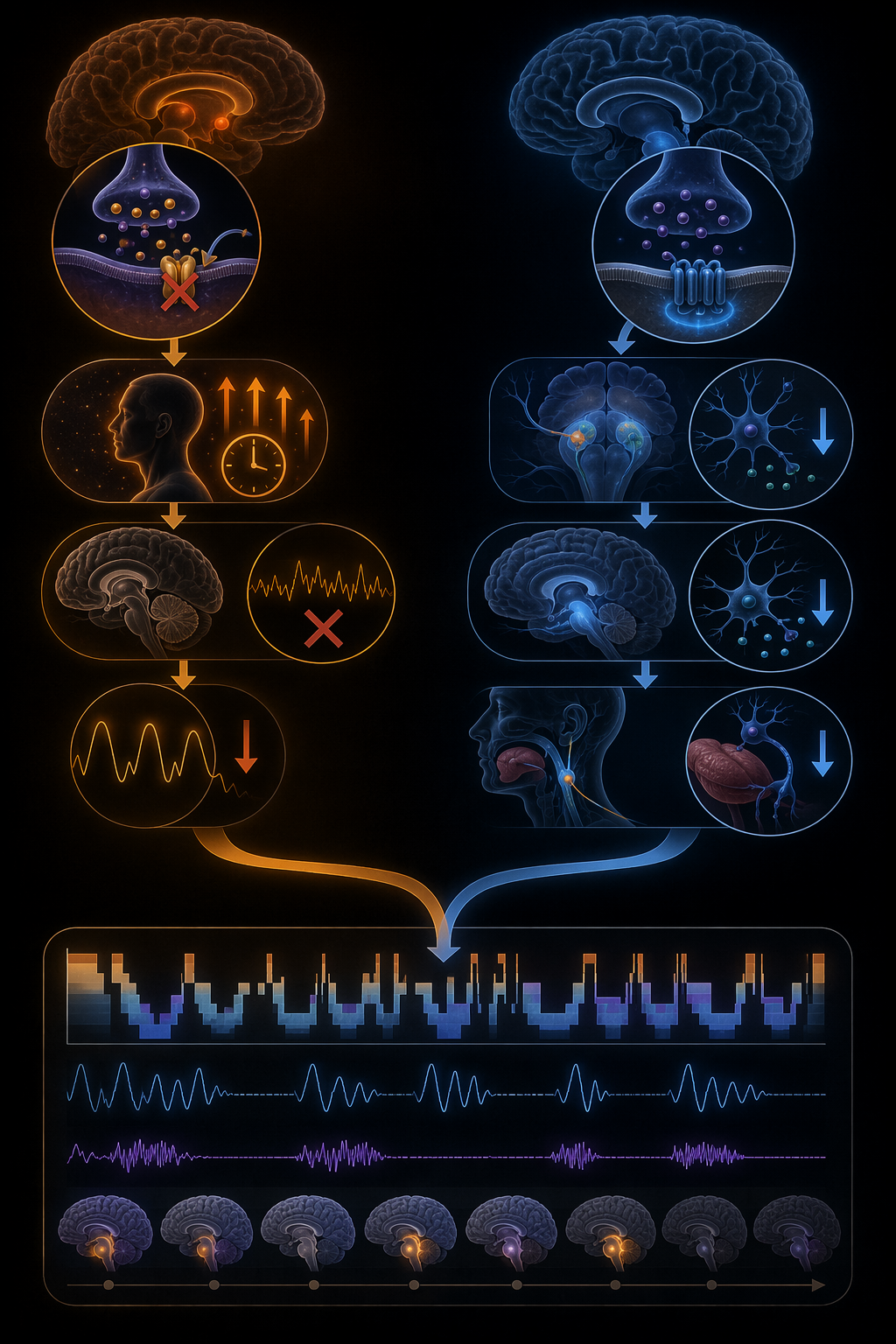
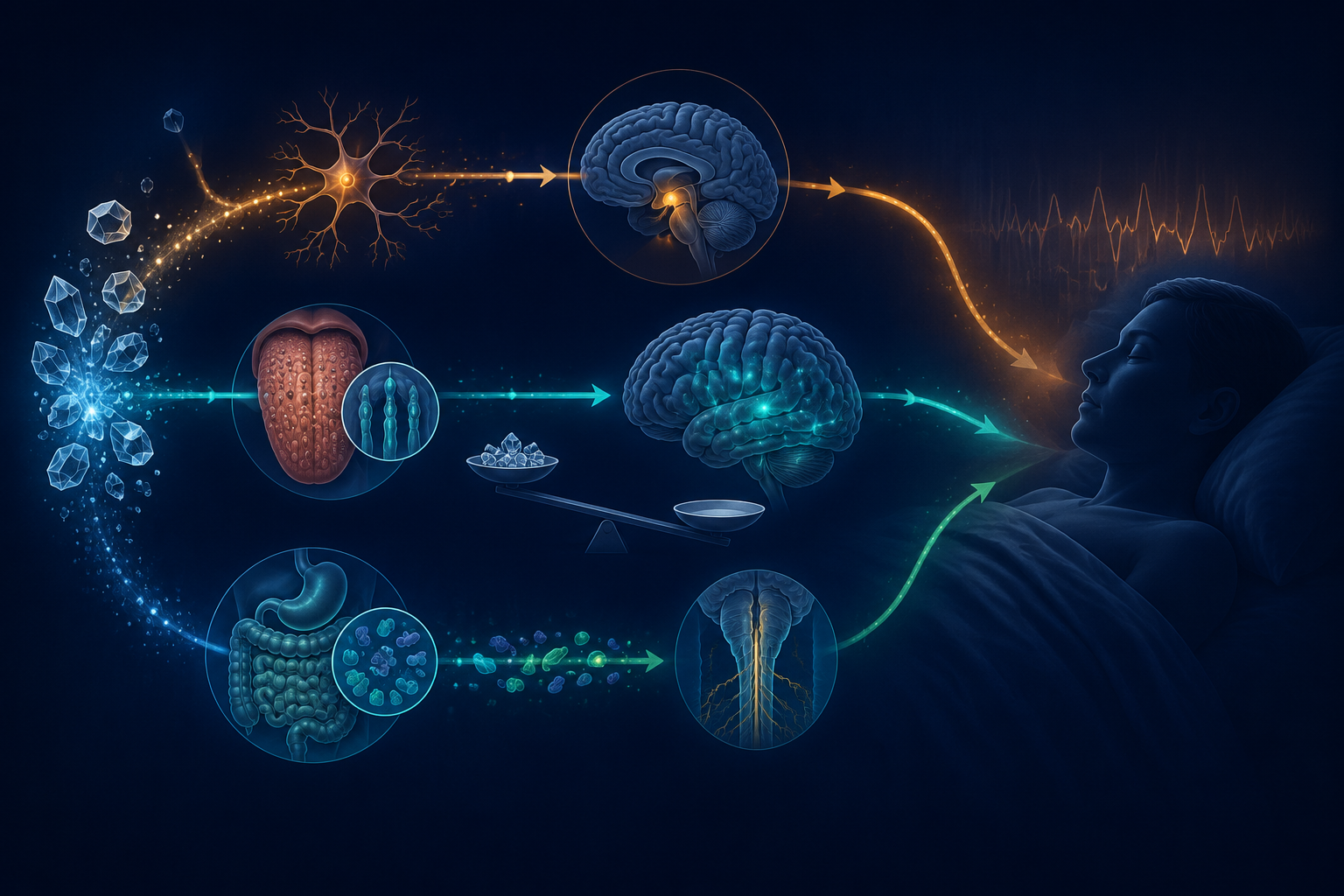
Cocaine’s pathway is easier to recognize because it feels like the drug is attacking sleep directly. By blocking dopamine transporters, cocaine keeps dopamine signaling elevated and pushes the brain toward wakefulness, salience, and pursuit. The acute result can be delayed sleep onset, shorter sleep, and a night that never settles into the deeper stages the body needs.
The deeper injury is not only being awake too long. Cocaine use is associated with reduced slow-wave sleep and disrupted REM regulation.[1] Slow-wave sleep is the stage most closely tied to physical restoration and some forms of learning and immune regulation. REM sleep is deeply involved in emotional processing and memory. When both are distorted, the person may get hours in bed without getting the stabilizing effect that sleep is supposed to provide.
Animal work helps explain part of the REM effect. In freely moving rats, low-dose cocaine altered REM sleep, showing that cocaine can disrupt REM biology beyond the simple fact of keeping an animal awake.[3] Human cocaine withdrawal adds a more unsettling layer: sleep can feel as if it is improving while objective polysomnography worsens. This phenomenon, often discussed as occult insomnia, has been observed during abstinence and is linked in the literature to relapse risk.[4]
That gap between felt sleep and measured sleep is not a minor curiosity. Early abstinence is already a period when people are trying to interpret every symptom: fatigue, agitation, dreams, cravings, flat mood. If the person believes the sleep problem is solved because they are unconscious for longer stretches, clinicians and family members may miss the ongoing physiological instability underneath.
What Fentanyl Does Differently
Fentanyl enters the sleep problem through a different door. As a potent opioid, it acts through mu-opioid receptors rather than stimulant dopamine blockade. The surface effect may be sedation, but opioid sedation is not organized sleep. Opioids can suppress REM-related acetylcholine activity in brainstem regions, interfere with slow-wave-related adenosine systems in the basal forebrain, and destabilize the respiratory control systems that normally keep sleep continuous.
The human fentanyl-specific sleep literature is thinner than many readers would expect. The 2026 meta-analysis included fentanyl in its search strategy, but fentanyl did not appear in the eligible opioid use disorder sleep studies; much of the human opioid-sleep evidence comes from heroin, methadone, buprenorphine, or broader opioid exposure rather than fentanyl alone.[1] That limitation should not be smoothed over. Opioid findings are relevant to fentanyl, but they are not identical to direct fentanyl evidence.
Breathing is the part of the fentanyl sleep story that should not be buried. Chronic opioid use is associated with sleep-disordered breathing, including central sleep apnea in about 20% of chronic opioid users.[5] During sleep, the brain has to coordinate airway muscle tone, carbon dioxide response, and arousal thresholds. Opioids can blunt that coordination. For readers looking specifically at overdose risk and sleep, the related discussion is covered more fully in How drug overdose and poor sleep feed each other; here, the narrower point is that respiratory instability can fragment sleep even when the person appears deeply sedated.
Different Routes, Similar Damage
| Sleep process | Cocaine pathway | Fentanyl or opioid pathway |
|---|---|---|
| Wakefulness | Dopamine transporter blockade promotes prolonged alertness and delayed sleep. | Sedation may occur, but opioid effects can still fragment and destabilize sleep. |
| Slow-wave sleep | Human pooled evidence links cocaine use disorder with substantially reduced slow-wave sleep. | Opioid use disorder is linked with shorter total sleep time, and opioid mechanisms may interfere with slow-wave regulation. |
| REM sleep | Cocaine disrupts REM regulation and can suppress REM-related patterns. | Mu-opioid activity may reduce REM-supporting acetylcholine signaling. |
| Breathing stability | Breathing disruption is not the main cocaine pathway discussed here. | Chronic opioid use is associated with sleep-disordered breathing, including central sleep apnea. |
The paradox becomes less mysterious when alertness is separated from architecture. Cocaine can prevent sleep from starting and degrade the sleep that follows. Fentanyl can produce drowsiness while still degrading REM, slow-wave organization, and breathing stability. The body can be unconscious and still not be doing the work of normal sleep.
This is also why “I passed out” is such a poor clinical measure. Passing out tells us very little about slow-wave depth, REM cycling, respiratory arousals, or whether the person woke with a nervous system more regulated than when they lay down.
When Cocaine and Fentanyl Coexist
There is no direct human sleep study that cleanly measures cocaine-plus-fentanyl use and maps the combined effect on sleep architecture. That absence matters. The combined sleep claim has to be built from separate cocaine and opioid pathways, from broader polysubstance evidence, and from clinical plausibility—not from a study that has already put this exact combination under polysomnography.
The broader polysubstance signal is still concerning. In a 2021 study, people who co-used cocaine and cannabis slept about 133 fewer minutes per night than drug-free controls.[6] Cannabis is not fentanyl, and that study should not be treated as if it proves the cocaine-fentanyl pattern. It does show that adding another psychoactive substance to cocaine use can be associated with a much larger sleep deficit than a drug-by-drug explanation would suggest.
With cocaine and fentanyl, the concern is not that the two drugs cancel each other out. It is that they can pressure different parts of the sleep system at the same time: stimulant-driven wakefulness and REM disruption on one side, opioid-related sedation, respiratory instability, and altered REM and slow-wave regulation on the other. Sequential use can be just as disruptive as simultaneous use if one drug is used to manage the discomfort created by the other.
Why Early Recovery Can Feel So Unfair
In early abstinence, people often expect sleep to behave like a debt that gets paid back quickly: stop using, sleep for a few long nights, wake up repaired. Sometimes sleep time does increase. Sometimes exhaustion finally breaks through. But the more difficult work is the rebuilding of sleep architecture, and that can lag behind the subjective sense that sleep is getting better.
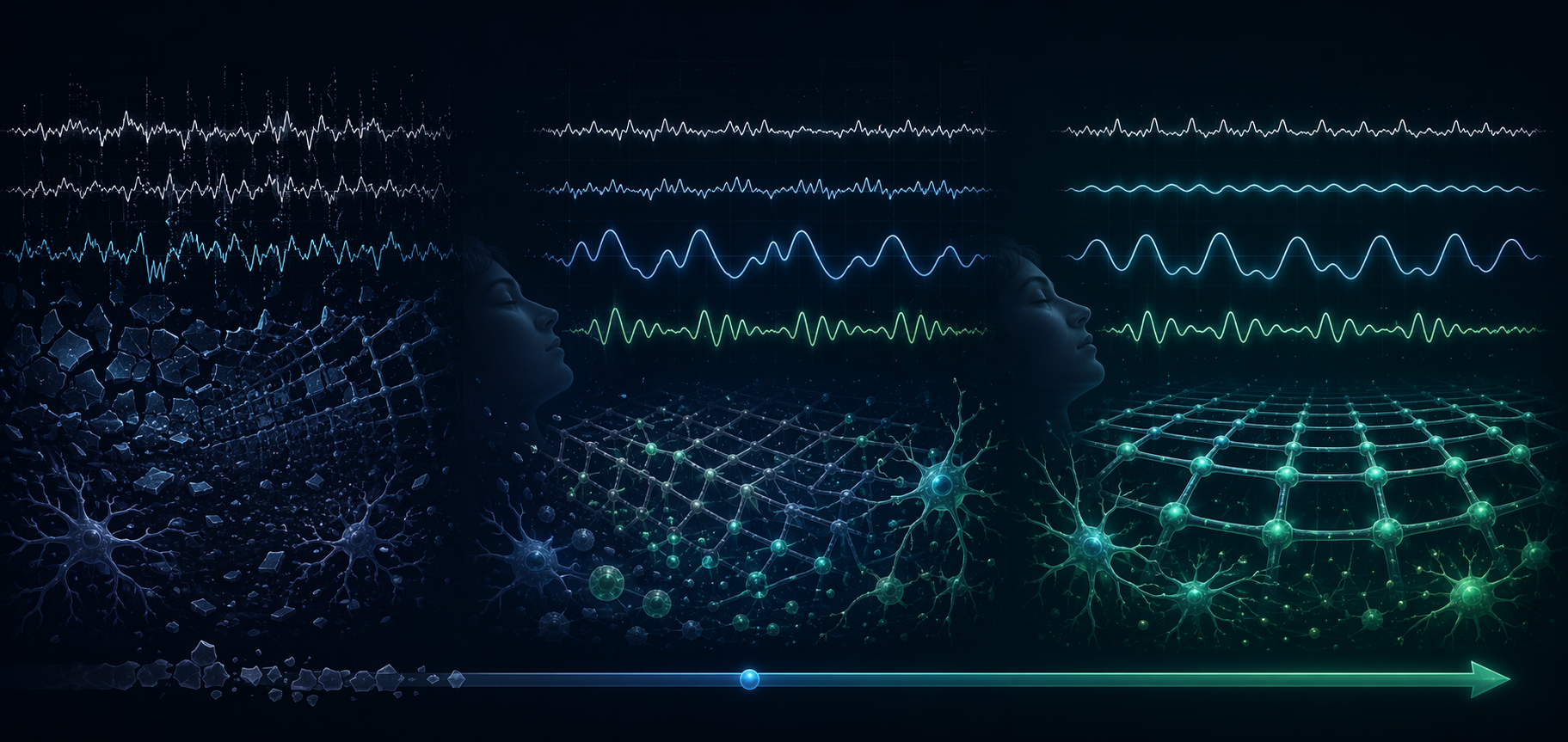
Occult insomnia during cocaine withdrawal is the clearest warning here: objective sleep can worsen while the person reports improvement.[4] That does not mean the person is lying or exaggerating. It means perception is an imperfect instrument during a period when the brain’s reward, stress, and sleep systems are recalibrating.
This matters for relapse prevention. Sleep deprivation and addiction are closely linked through craving, emotional regulation, and impaired decision-making.[7] If someone in recovery is told only to wait it out, they may interpret persistent broken sleep as personal failure. If the sleep problem is treated as part of the addiction loop, it becomes something to assess, protect, and treat.
What Sleep Recovery Can Actually Involve
The first useful step is measurement, even if it is low-tech. A sleep diary, wake time tracking, craving notes, and records of naps or nighttime breathing symptoms can give a treatment team more to work with than the single sentence “I’m not sleeping.” When possible, polysomnography or sleep medicine evaluation becomes especially relevant if there are signs of sleep apnea, severe fragmentation, dangerous daytime sleepiness, or unexplained worsening despite abstinence.
Generic sleep hygiene is usually too thin for this situation when it is offered alone. A dark room and consistent bedtime are helpful, but they do not address cocaine withdrawal physiology, opioid-related breathing disruption, trauma-linked hyperarousal, or relapse risk. The better frame is sleep treatment inside substance-use recovery, coordinated with clinicians who understand both sides of the problem.
- CBT-I can help retrain sleep timing, reduce conditioned fear of the bed, and address insomnia without relying on sedative self-treatment. For a practical stepwise overview, see Help Me Sleep Without Pills.
- Medication research in cocaine abstinence has included modafinil, with studies reviewed in the cocaine-sleep literature reporting normalization of measures such as slow-wave sleep, REM sleep, total sleep time, and sleep latency in abstinent participants.[4]
- Suvorexant, a dual orexin receptor antagonist, has been studied as a possible way to improve sleep and reduce craving in cocaine use disorder, but this remains preliminary and belongs in clinician-guided care rather than self-directed experimentation.[4]
- For people with opioid exposure, screening for sleep-disordered breathing may be as important as treating insomnia symptoms, especially when snoring, witnessed pauses, gasping, morning headaches, or severe daytime sleepiness are present.[5]
The point is not to medicalize every bad night. It is to avoid the opposite mistake: treating sleep as cosmetic when it may be one of the systems carrying relapse risk. A person in early recovery may need reassurance, but reassurance should not mean pretending the brain resets on demand.
The More Honest Sleep Goal
More hours in bed can be a beginning, but it is not the whole recovery target. The more honest goal is a return of trustworthy sleep: deeper slow-wave repair, more stable REM cycling, fewer respiratory interruptions, and mornings that do not feel like withdrawal has simply changed costumes.
The paradox is not that cocaine wakes people and fentanyl sedates them. The paradox is that neither state guarantees sleep. Recovery means rebuilding the architecture that both drugs can damage, through different routes, sometimes long after the night appears to have quieted down.
References
- Sleep alterations in substance use disorders: a systematic review and meta-analysis
- Drugs, sleep, and the addicted brain
- Effects of low dose cocaine on REM sleep in the freely moving rat
- Interaction between cocaine use and sleep behavior
- Opioids and obstructive sleep apnea
- Sleep Time Differs among People who Co-Use Cocaine and Cannabis
- Understanding the relationship between sleep deprivation and addiction

Comments
Join the discussion with an anonymous comment.