
In a custody battle, the hidden cost of a bad night is not just feeling wiped out. It is whether sleep loss starts showing up where the case actually runs: in slower answers, thinner patience, missed details, and a face that looks less steady when another adult is watching. That is what makes how custody battle stress affects sleep a legal problem as much as a physical one.
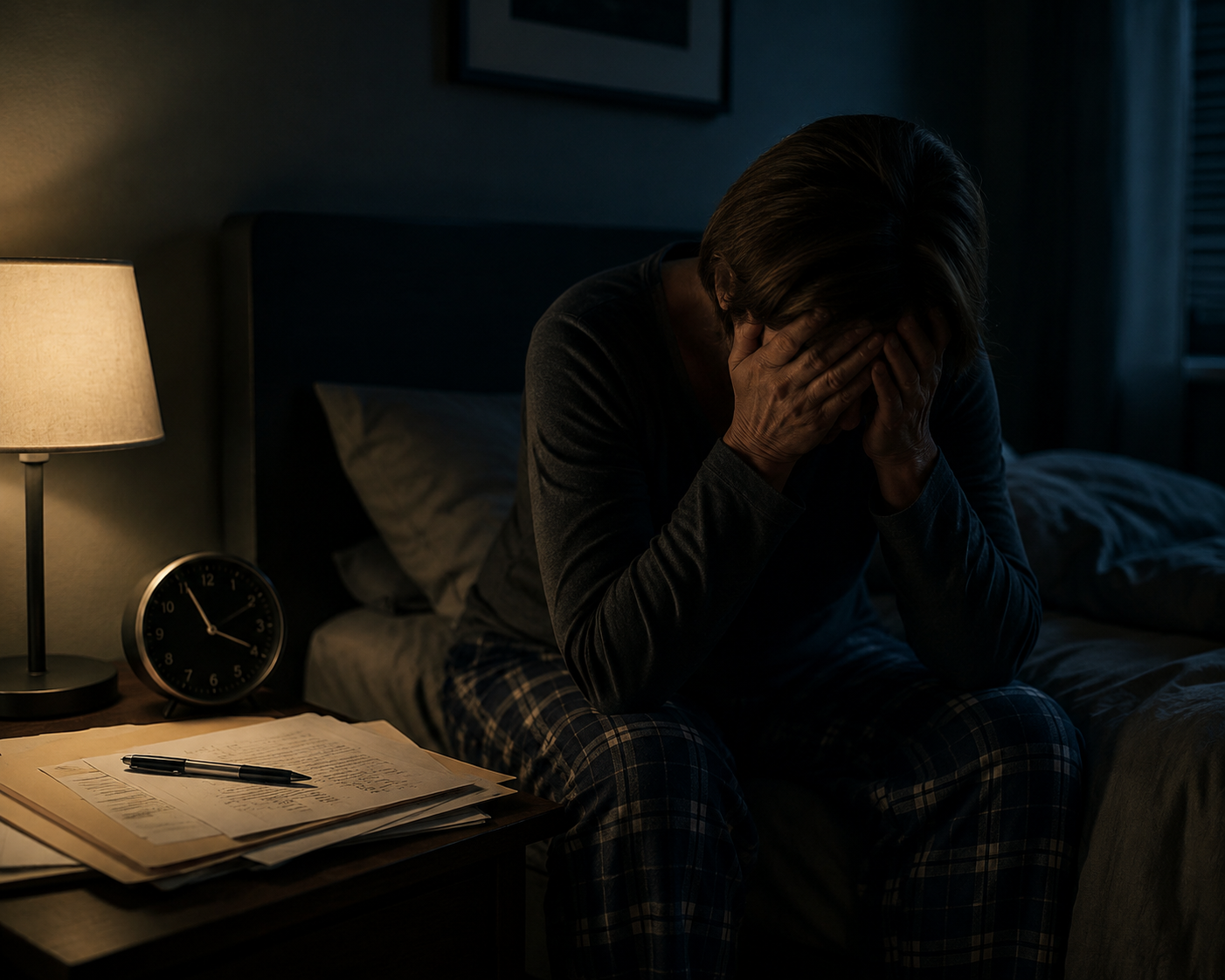
What Sleep Loss Changes First
The first damage is usually cognitive, not moral. Sleep deprivation slows processing, makes decision-making less precise, and gives negative cues more pull than they deserve. In a custody fight, that means a pointed email can feel bigger than it is, a small deadline can take more mental effort than it should, and the work of keeping facts straight becomes harder than it looks from the outside.
- You reread messages because the first pass did not stick.
- You answer too quickly when someone provokes you.
- You miss an attachment, a date, or a small instruction that matters.
- You spend more energy staying regulated than staying organized.
That is the part practical legal advice gets right: fatigue makes it easier to miss case details and fail to respond to discovery.[1][2]
What Other People Notice
Courts, evaluators, and even the other parent do not get access to your inner explanation. They see vocal tone, facial movement, responsiveness, and whether you seem alert enough to keep up. Sleep loss can flatten all of that. A tired parent may sound more monotone, look less expressive, and appear sadder or more worn down than they feel internally.
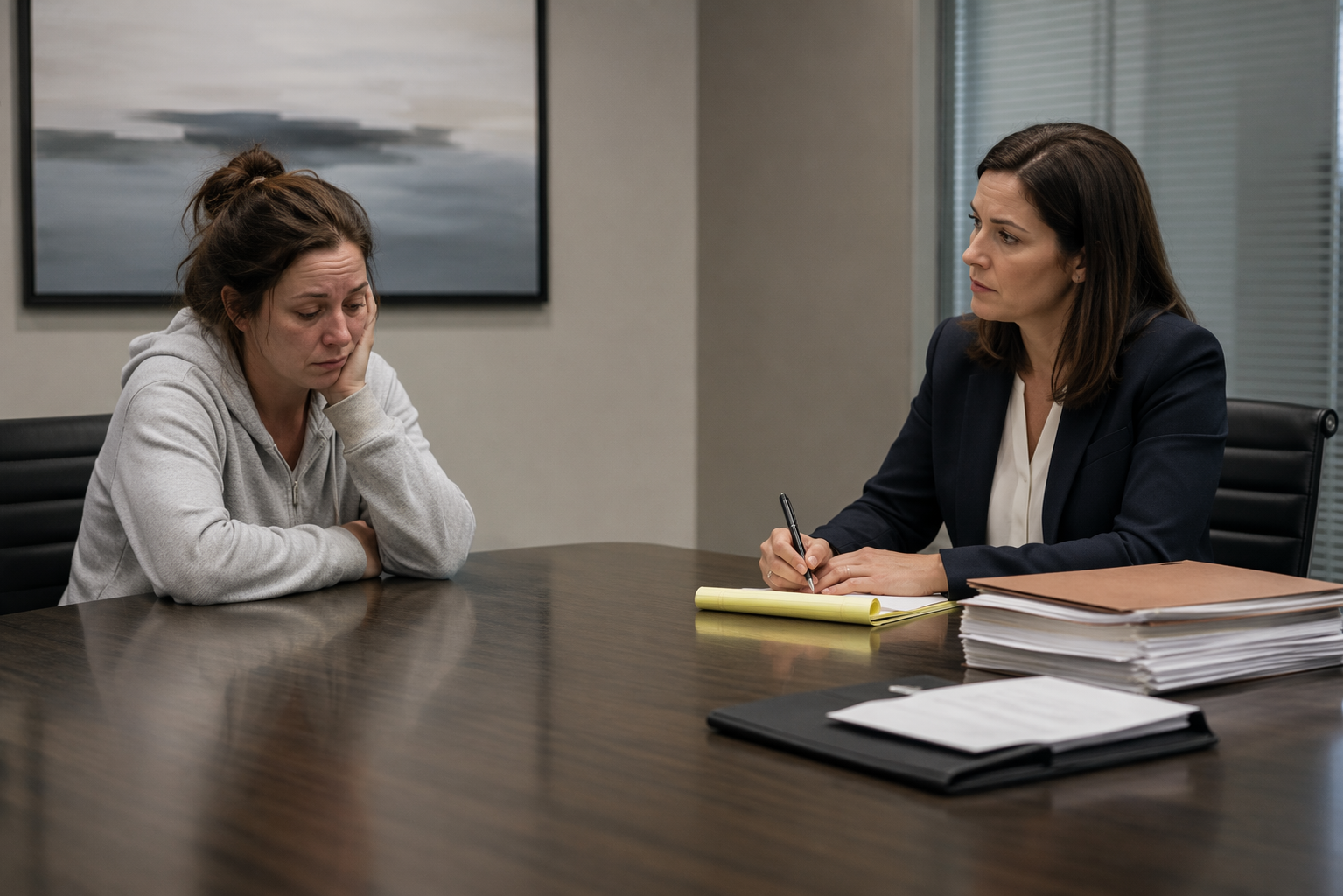
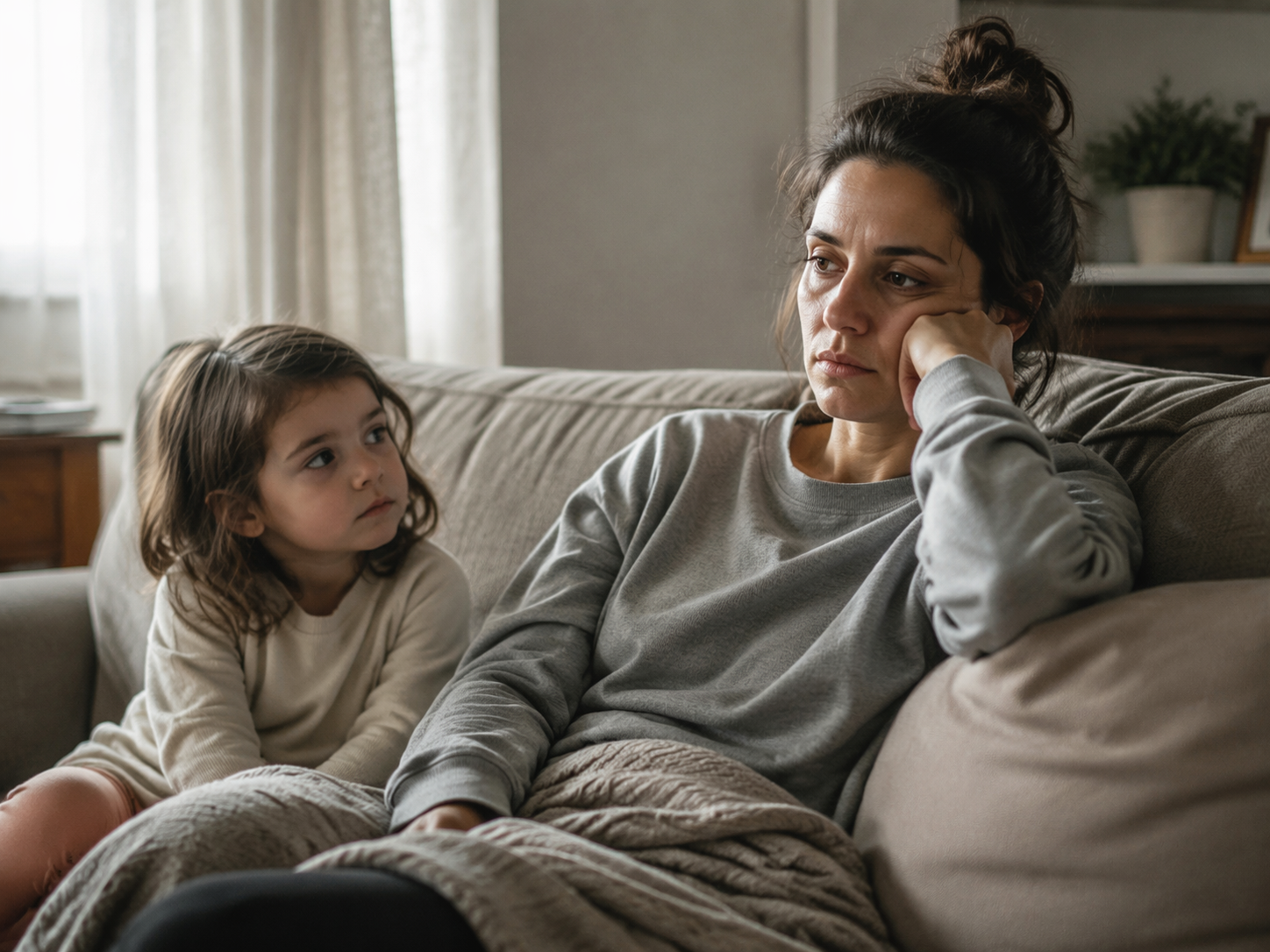
That matters because children read the room fast. A flat voice, a shorter fuse, or a withdrawn face can change the atmosphere in seconds, and a child often absorbs that mood before anyone names it. This is the ordinary version of emotional contagion: the parent's internal state does not stay internal for long.
Why The Litigation Context Makes It Worse
Custody litigation is already a setting that pushes people toward hypervigilance. Emails arrive with consequences attached. Every missed message feels expensive. Every interaction is potentially reviewable later. In that environment, poor sleep is not a side issue. It changes how fast a parent can think, how calm they sound under pressure, and how prepared they appear when someone else is measuring them.
That is why this is not the place for pep talks about toughness. Sleep loss during a custody fight is a practical liability, and protecting sleep is part of case management because it protects processing speed, emotional regulation, and the presentation other adults are actually judging. If the sleep problem is already entrenched, the next moves are usually CBT-I, basic sleep hygiene, and a serious look at the co-parenting stress that keeps the system activated; if depression or anxiety is part of the picture, that deserves attention too. The point is not blame. The brain is responding normally to an abnormal threat.
References
- Sleep disorders can affect family law issues — Phillips & Mille Co.
- Sleep problems during a custody dispute — Stange Law Firm




Comments
Join the discussion with an anonymous comment.