
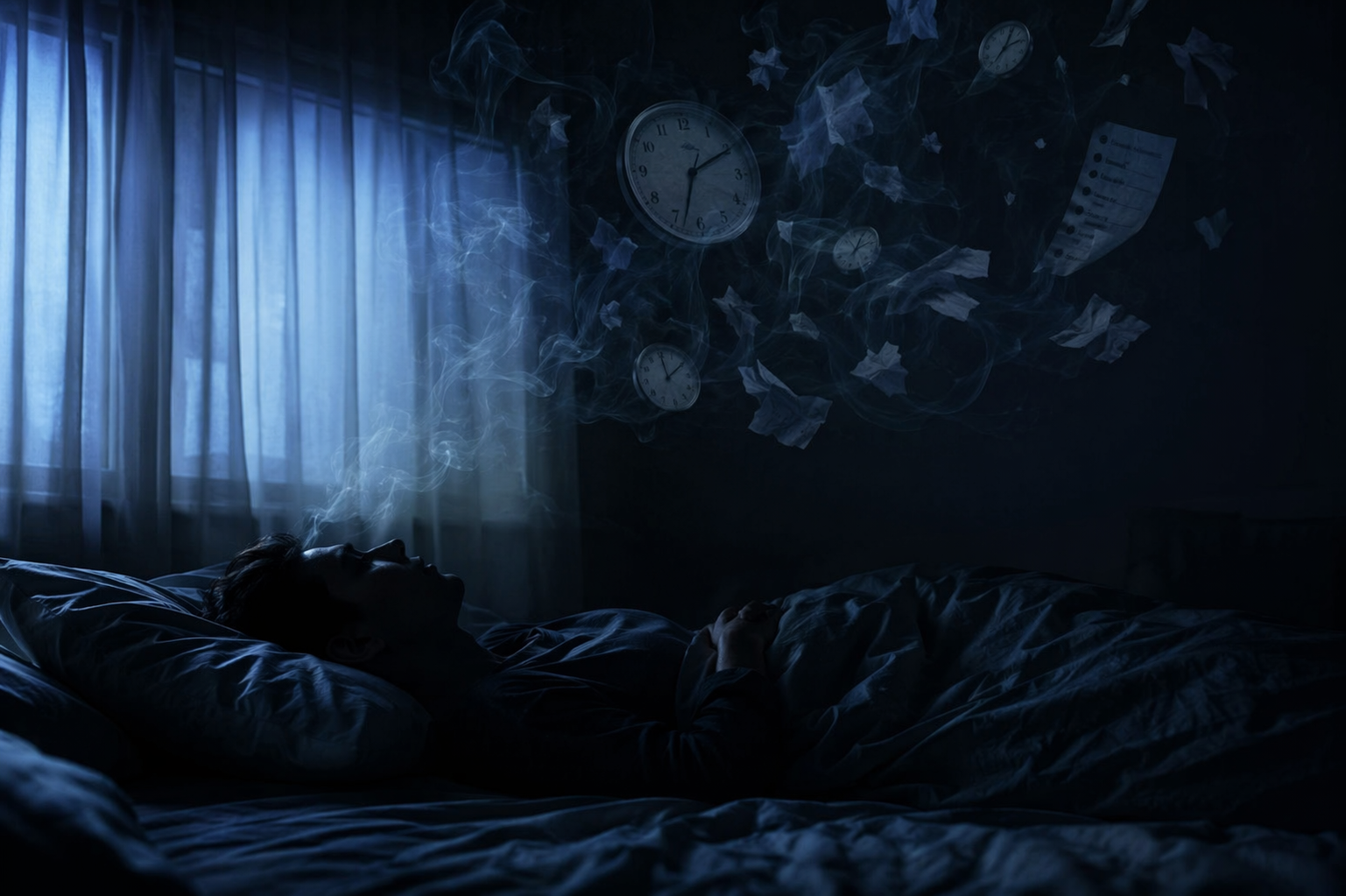
The match is over. The broadcast has moved on to pundits, slow-motion replays, and a graphic you have already seen three times. You did the responsible things, more or less: maybe skipped the late coffee, maybe kept the volume reasonable, maybe promised yourself you would go straight to bed after the final whistle. Then you lie down and your body behaves as if there is still a corner to defend.
That is the part most late-night soccer sleep tips miss. The problem is not only the hour on the clock. A tense live match can leave you with stress hormones up, heart rate elevated, eyes exposed to bright screen light, and a bedroom that has not yet helped your body cool down for sleep. Silence and darkness help, but they do not instantly undo ninety-plus minutes of nervous-system recruitment.
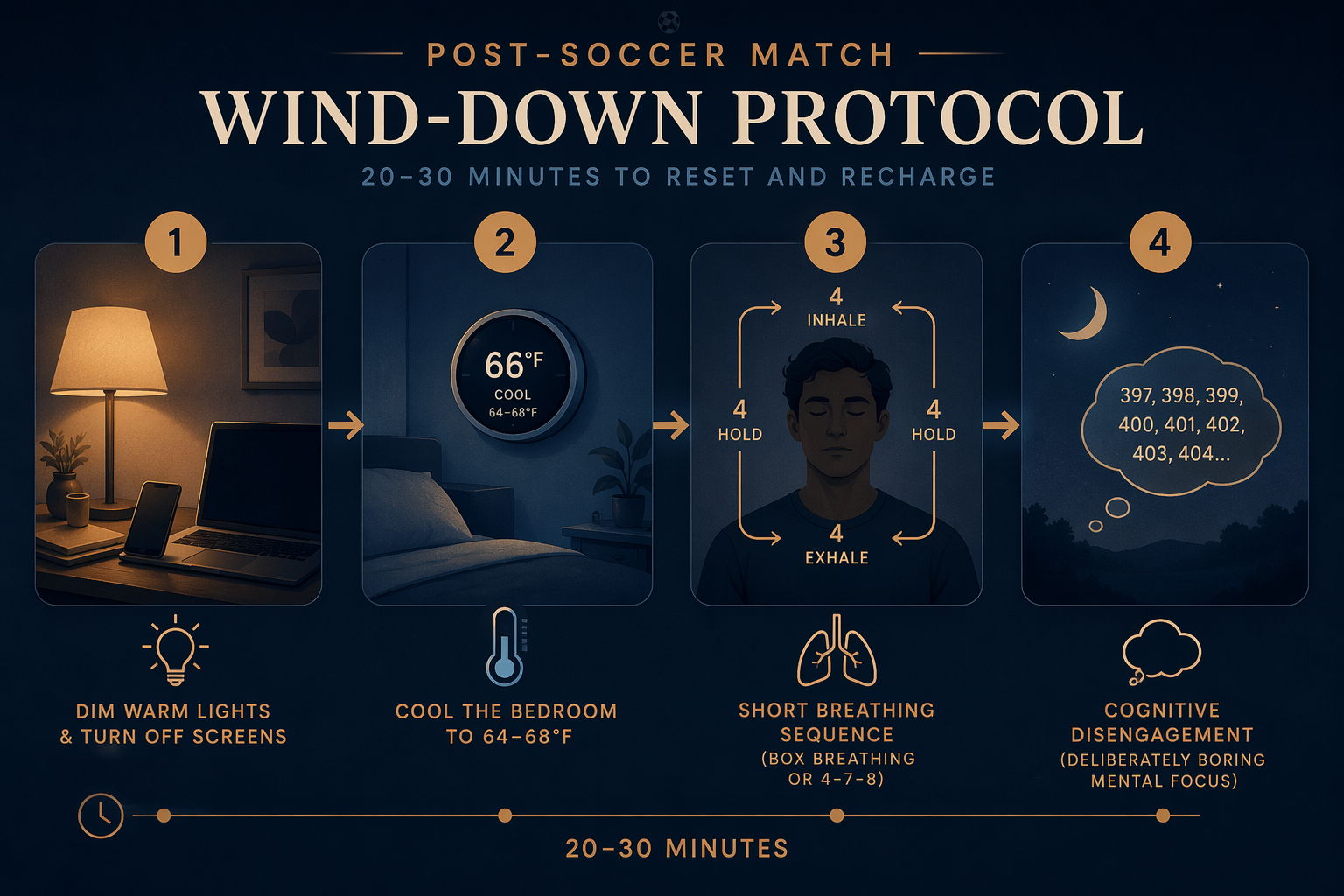
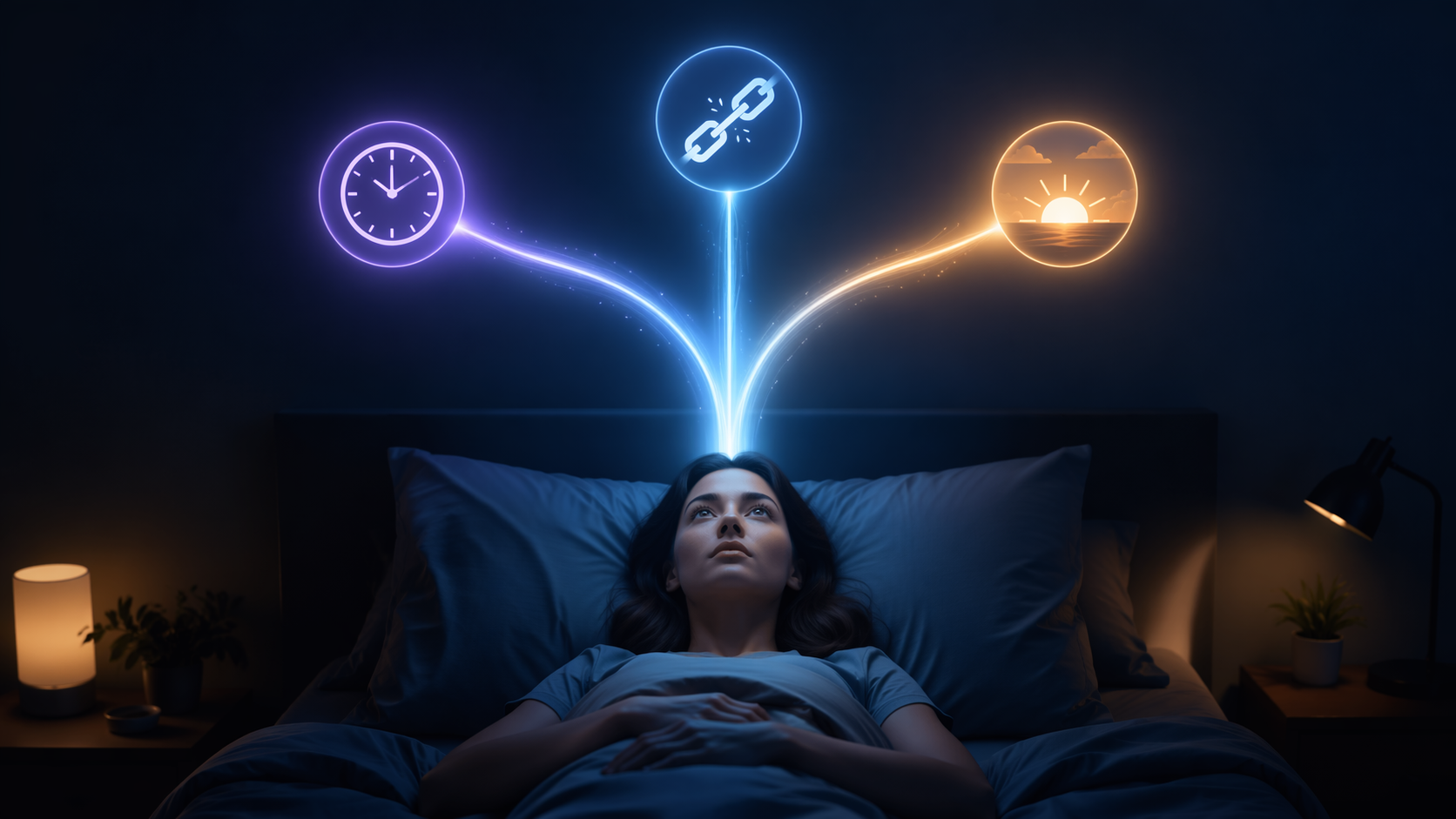
The useful answer is a 20- to 30-minute post-match decompression routine. Not a moral lecture about never watching a 2 a.m. knockout match. Not an elaborate wellness ceremony. Just a sequence that treats the final whistle as the start of the landing, not the end of the flight.
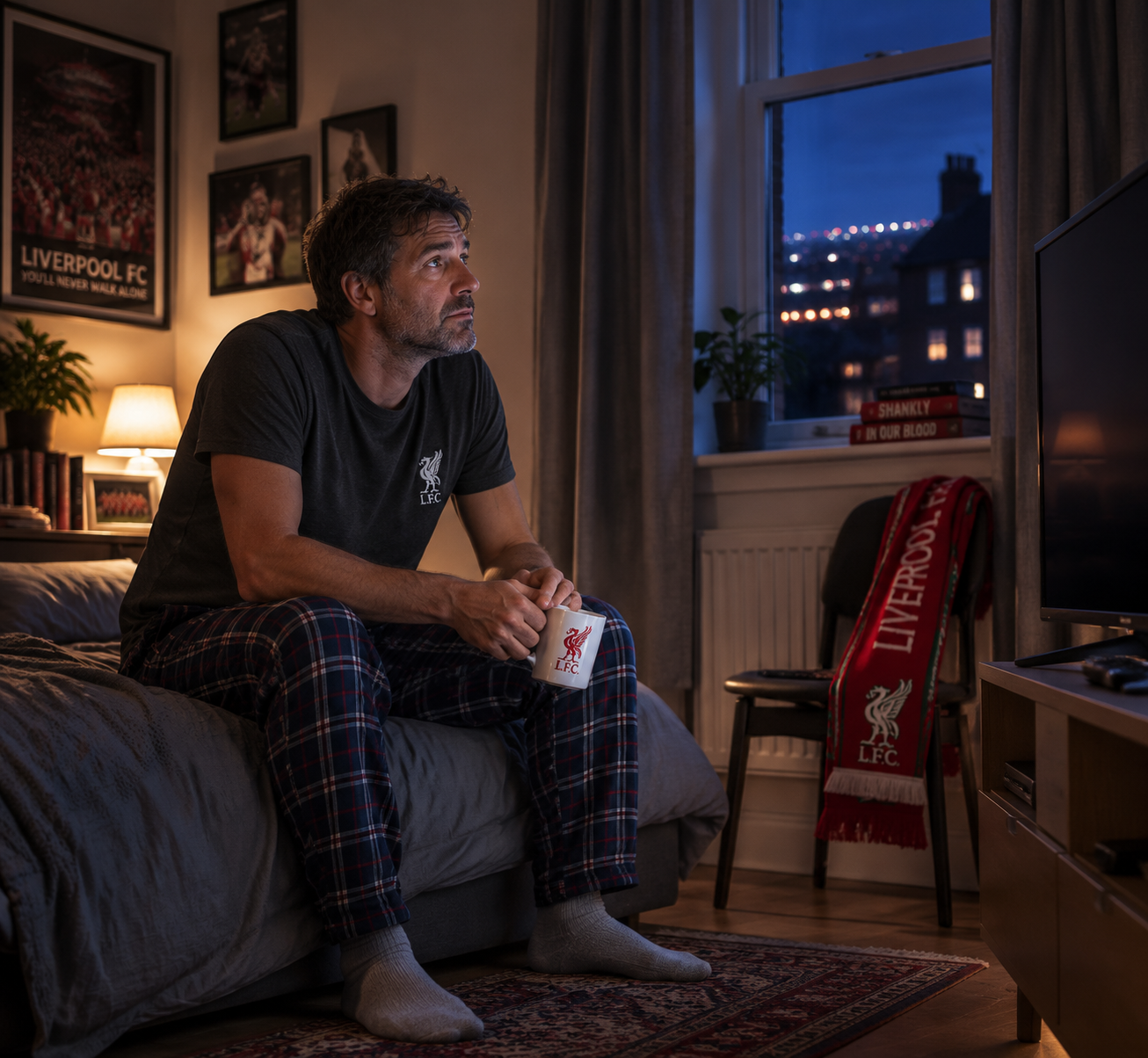
Why the final whistle does not calm your body
A late match asks the body to do the opposite of falling asleep. You track danger, anticipate mistakes, react to decisions, and emotionally invest in outcomes you cannot control. That is part of why live soccer works. It is also why sleep can feel absurdly far away once the TV is off.
One small study of devoted fans during the 2014 World Cup found elevated salivary cortisol while they watched live matches, with losses producing particularly high cortisol concentrations. The study had only 41 participants and came from a single tournament, so it should not be treated as a universal law for every supporter on every couch. Still, it takes fandom seriously as a physiological event, which is exactly how it feels after a brutal stoppage-time equalizer. [1]
Heart rate can join in too. Research discussed by Saatva reports that watching live sports can raise heart rate by 75% to 110%, a sign that the sympathetic nervous system is engaged rather than drifting toward sleep. [2] That does not mean every fan has the same response, or that one match ruins a night by itself. It means the body may still be acting on the match even after your rational brain has decided to be done.
Then there is the screen. Blue light exposure from TVs, phones, and other screens can suppress melatonin, and the effect can last beyond the viewing period. [3] For late soccer, the bigger trap is usually not the match broadcast alone. It is the extra ten minutes of highlights, reactions, group chats, and argument archaeology that keep both light and emotion going right when the body needs a downshift.
The 20- to 30-minute post-match reset
The routine works best when it starts immediately after the final whistle. That is when the sabotage usually happens: you pick up the phone, look for validation, watch the disallowed goal again, read one bad take, then another, and suddenly the match has gained a second half inside your nervous system.
| Time after final whistle | Action | What it is trying to counter |
|---|---|---|
| 0-3 minutes | End the broadcast, switch to dim warm light, and put the phone out of reach | Replays, social friction, bright light, and emotional reactivation |
| 3-10 minutes | Start cooling the sleep environment and avoid overheating yourself | The delayed body-temperature drop needed for sleep onset |
| 10-16 minutes | Use a short breathing sequence with a longer exhale than inhale | Elevated heart rate and sympathetic arousal |
| 16-25 minutes | Do something deliberately boring and non-soccer-related | Mental replay, tactical rumination, and online argument loops |
| 25-30 minutes | Get into bed only when the room, light, and attention are pointed toward sleep | The habit of taking the match into bed |
0-3 minutes: make the final whistle final
The first decision is not whether you feel sleepy. You probably do not. The first decision is whether the match gets to continue through your phone.
Turn off the broadcast rather than letting studio coverage roll. If you watched in a bright room, move to the lowest practical warm light. If your phone is your alarm, set the alarm once, place the phone across the room, and stop negotiating with it. The point is not purity. The point is to prevent the most stimulating part of the night from happening after the match.
This is where many fans lose the night. Post-match analysis feels satisfying because it offers order: someone explains the substitution, the missed chance, the referee, the manager. Social posting feels satisfying because it lets the nervous energy go somewhere. Both can be part of being a supporter. They are also sleep-hostile when they happen under bright light, with fresh outrage or gloating, at the exact moment your body needs fewer reasons to care.
If you cannot fully avoid checking reactions, set a hard version of the compromise: one text to the group chat, no scrolling; one headline, no comments; one score check for the other match, no highlights. A fan can live with limits better than with a vague promise to be sensible at 3:47 a.m.
3-10 minutes: help your body cool down
Sleep onset is easier when core body temperature can fall. Bedroom temperature matters here: sleep experts commonly point to a cool room, with one BBC article citing a 60°F to 67°F bedroom range and noting that a hot shower about 90 minutes before intended sleep can trigger a natural cooling response afterward. [4] GQ gives a similar practical target, recommending a bedroom around 18°C to 20°C, or about 64°F to 68°F. [5]
After a late match, the shower timing is awkward. If kickoff was at midnight and you planned ahead, a warm shower before the match may already have helped. If the match ends deep into the morning, a full hot shower may be too stimulating or too time-consuming. In that case, use the smaller version: cool the room, change out of warm layers, and avoid climbing into bed overheated from pacing, celebrating, or sitting under a heavy blanket for extra time.
- Set the thermostat or fan before you start scrolling, because scrolling will win.
- Use breathable sleep clothes rather than the hoodie you wore through penalties.
- Keep the room cool, but do not make yourself so cold that you become alert and uncomfortable.
- If you shower, keep it calm and routine; this is not the time for a full reset with bright bathroom lights and a podcast.
The temperature step is easy to dismiss because it sounds like generic sleep advice. For late soccer, it has a specific job. The match has kept you activated; a cooler bedroom gives your body one fewer obstacle to sleep onset.
10-16 minutes: slow the machinery, not the thoughts
Do not start by trying to think peaceful thoughts. After a close match, the brain will produce whatever it wants: the sitter, the handball shout, the camera shot of the manager, the league table. Trying to win a debate against those thoughts is just another form of engagement.
Start with breathing because it gives the body a mechanical instruction. Sit on the edge of the bed or lie on top of the covers. Inhale gently through the nose for a comfortable count. Exhale a little longer than you inhaled. Repeat for about five minutes. The exact count matters less than the pattern: easy inhale, longer exhale, no strain, no breath-holding contest.
A simple version is four seconds in and six seconds out. If that feels forced, use three and five. If counting annoys you, place one hand on the lower ribs and make each exhale slightly slower than the last. The aim is to stop feeding the elevated heart-rate state that live sports can produce, not to perform relaxation correctly.
16-25 minutes: give the mind something boring to hold
Once the lights are low, the room is cooling, and your breathing has slowed a little, the mind still needs a place to land. Leaving it alone with the match is risky. It will re-cut the highlights, invent alternate substitutions, and prepare courtroom arguments for people who are asleep in other time zones.
Use deliberately dull cognitive disengagement. Read a familiar, low-stakes paper book under dim light. Fold laundry slowly. Do a body scan without trying to judge whether it is working. Count backward by threes if that is boring for you, or name categories that carry no emotional charge: fruits, old street names, countries you are not about to rank by World Cup pain.
The key is that the task should be mildly absorbing and completely unimportant. No match reports. No fantasy lineup changes. No tactical video. No “just one” highlight, because the highlight is not one thing; it is a door.
25-30 minutes: enter bed without bringing the match with you
When you get into bed, do not run a post-match review. If the same thought keeps returning, use a short containment move: write one sentence on paper for tomorrow. “Check injury news after work.” “Read analysis at lunch.” “Do not rewatch penalties before breakfast.” Then leave it there.
This works because the brain often keeps circling a thought that feels unresolved. A one-line note does not solve the match. It tells the brain the issue has a place to go that is not your pillow at 4 a.m.
Adjust the routine for the kind of match you just watched
A routine should not pretend that every final whistle feels the same. A comfortable group-stage win and a shootout loss do not leave the same residue. The structure stays similar, but the emphasis changes.
After a win
A win can be just as sleep-disruptive as a loss, only with a better soundtrack. The problem is reward. You want the goal again, the table again, the rival fans again. If you are buzzing, make the first three minutes stricter: no highlights, no social feed, no victory lap through comment sections.
If you want to preserve the pleasure, save it deliberately. Send one message. Put the scarf away. Tell yourself you can watch the official highlights in the morning. This is not anti-joy. It is protecting the version of joy that does not turn into two hours of staring at the ceiling.
After a loss
After a loss, especially a bad one, the cortisol finding from the World Cup study is the one that feels most recognizable. Losses produced particularly high cortisol concentrations among devoted fans in that small sample. [1] The practical response is to reduce interpretation, not increase it.
Do not try to find the definitive explanation before bed. You will not. You will find anger wearing a better coat. Use the paper note if needed: “Read match report tomorrow.” Then move to the breathing sequence. Losses invite rumination, so the boring-task step matters more than usual.
After extra time or penalties
Extra time is not just more minutes. It is more uncertainty, later light exposure, and a shifting bedtime that can make the routine feel optional because the night already seems damaged. That is exactly when the routine should become shorter, not disappear.
Use the compressed version: three minutes to shut down screens and dim lights, five minutes to cool the room and change clothes, five minutes of longer-exhale breathing, then straight into bed with no analysis. It is not perfect. It is still better than handing the next half hour to reaction clips.
What to do before kickoff, without turning fandom into homework
Pre-match planning helps, but it should stay simple. The best setup is one that makes the post-match routine easier when you are tired and emotionally unreasonable.
- Put a lamp on before the match so you are not relying on bright overhead light afterward.
- Set the bedroom temperature before kickoff if your home takes time to cool.
- Decide your post-match phone rule while you are still calm.
- If you plan to nap before the match, keep it short enough that waking up is not another battle.
For split sleep, the nap length matters. Livi notes that 30- to 60-minute naps can bring sleep inertia because you may wake from deeper sleep, while a 20-minute nap is more likely to keep you in lighter sleep stages. [6] That does not guarantee you will feel fresh for kickoff, but it is usually safer than waking heavy, groggy, and irritated right before the anthem.
Chronotype also matters. Some people are natural night owls and recover from a late match with less drama. Morning types may feel the same match as a direct attack on the next day. The protocol can still help both groups, but it will not erase biology or the alarm clock.
When the honest answer is damage control
There are nights when no sleep tip deserves too much confidence. If a 2 a.m. kickoff ends around 4 a.m. and your alarm is set for 5 a.m., a 30-minute decompression routine may be impossible. Even a perfect routine cannot manufacture a full night from one remaining hour.
In that situation, protect what you can. Keep lights low. Avoid the phone. Use a short breathing sequence. Take whatever sleep is realistically available, then aim to protect the next night rather than chasing recovery through more caffeine, more scrolling, and a heroic late bedtime. The late match had a cost. Pretending otherwise usually adds another one.
For most late matches, though, the difference between drifting down and staying wired is not willpower. It is whether you give the body a post-match runway: dim light, cooler room, slower breathing, and something boring enough to let the game finally end.
References
- Salivary cortisol and alpha-amylase are elevated by watching a live soccer match: PubMed, https://pubmed.ncbi.nlm.nih.gov/31943736/
- Is the Super Bowl Ruining Your Sleep?: Saatva, https://www.saatva.com/blog/super-bowl-ruining-sleep/
- Blue Light and Sleep: Sleep Foundation, https://www.sleepfoundation.org/bedroom-environment/blue-light
- BBC article with Prof Russell Foster: BBC, https://www.bbc.com/news/articles/c3wyel830w8o
- 4 sleep strategies to keep you awake during late-night World Cup matches: GQ, https://www.gq-magazine.co.uk/article/4-sleep-strategies-to-keep-you-awake-during-late-night-world-cup-matches
- World Cup blog: Livi, https://www.livi.co.uk/your-health/world-cup-blog/

Comments
Join the discussion with an anonymous comment.