
Sleep recovery after stroke is not a comfort issue that can wait until rehab is over. In acute stroke, up to 70% of patients have sleep-wake disorders, and about 40% of chronic survivors do as well, although the estimate shifts with the way sleep is measured and with where the patient sits in the recovery timeline [1].
What stroke changes is not just how long someone sleeps. Sleep architecture often shifts toward less N3 slow-wave sleep, more light N1 sleep, and fragmented REM. That matters because reduced N3 may reflect neuronal dysfunction and is tied to poorer motor learning and functional recovery [2].
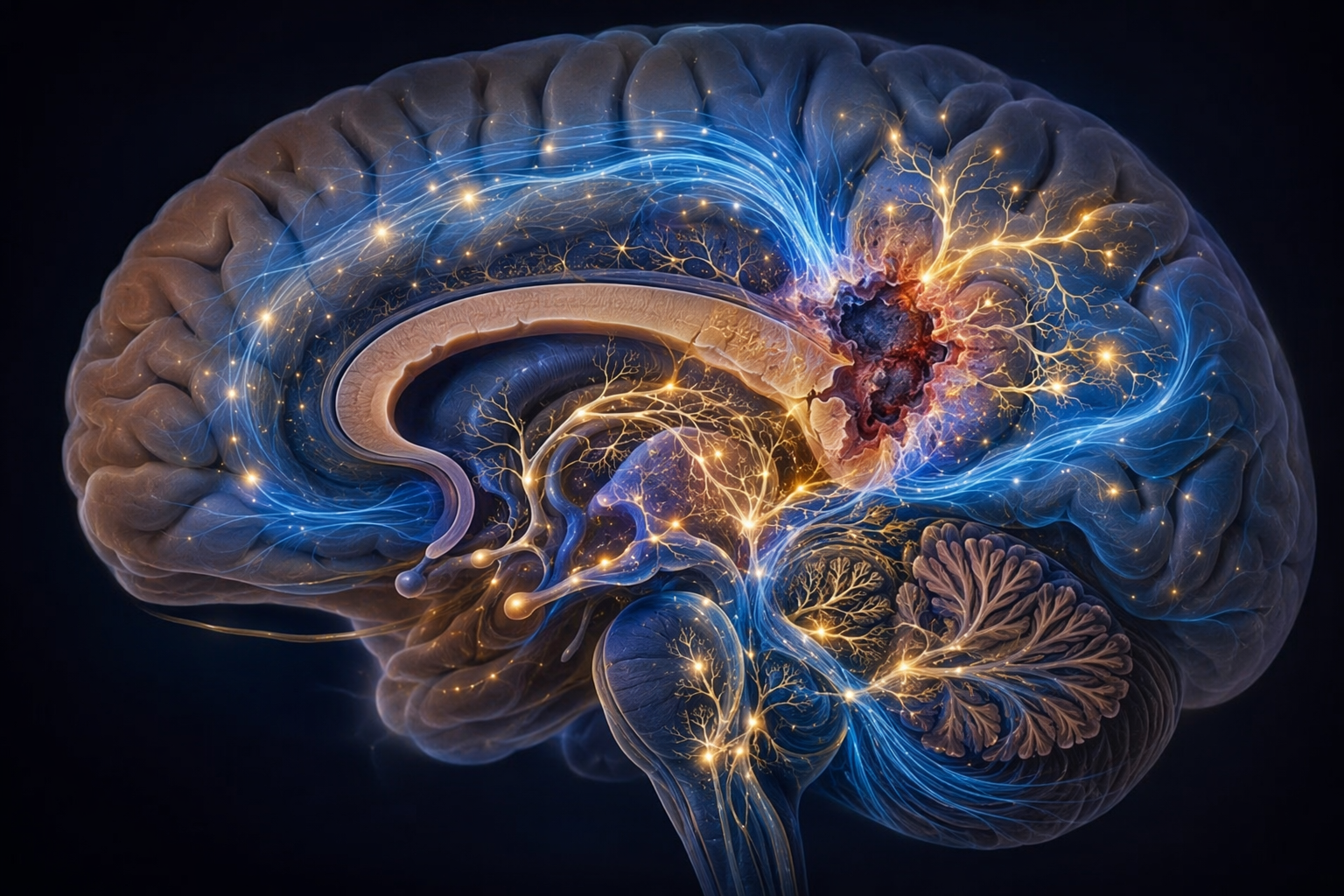
The sleep stages that matter to repair
Slow-wave sleep, sleep spindles, and circadian timing are the parts of sleep that look most relevant to repair. They help the brain stabilize what was practiced during the day, then make those changes more durable overnight [2].
A vivid human anchor comes from peri-infarct slow-wave activity. Around the stroke lesion, slow-wave sleep drops at first and then rebounds over roughly a month, which fits the idea that the sleeping brain is not shutting down but rebuilding around the injured zone [3].
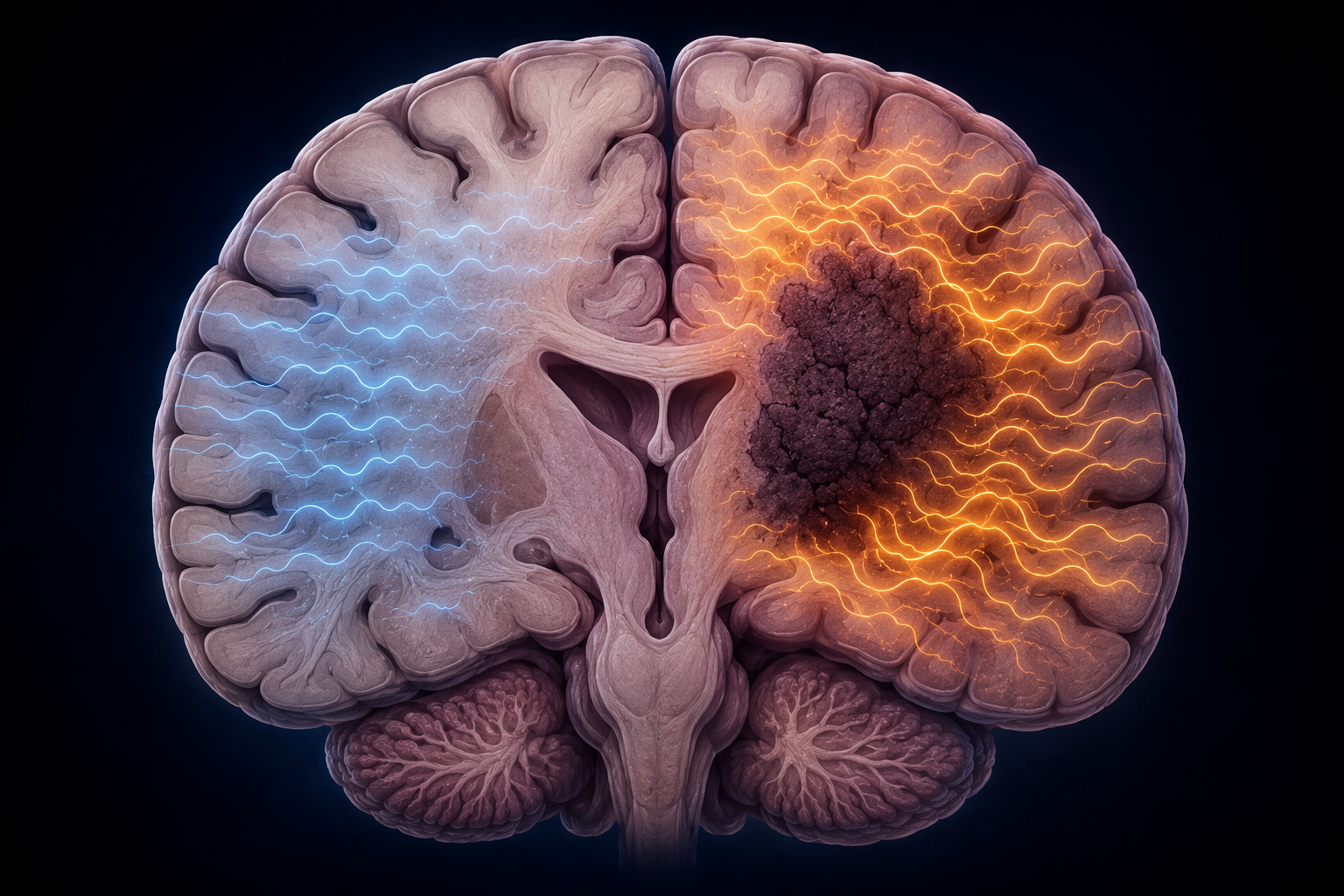
Why practice sticks better after sleep
That interpretation lines up with the rehabilitation studies. In the stroke literature reviewed in the source paper, six of seven studies found that nighttime sleep and long naps of at least 90 minutes improved motor learning consolidation [2]. The evidence is not large enough to turn nap timing into a universal protocol, but it is strong enough to make overnight sleep part of how therapy gains are protected.
Where the stronger causal evidence lives
The causal layer is clearest in animal stroke models, where sleep disturbance impairs axonal sprouting, synaptogenesis, neurogenesis, and angiogenesis [4]. That is the repair machinery of the injured brain, so disrupted sleep is not just associated with slower recovery; it interferes with the biology that recovery needs [4].
Human studies show the clinical pattern, while animal studies show the mechanism. The evidence is not identical across species, but it points in the same direction: preserved sleep supports plasticity, and broken sleep makes repair harder.
The sleep problems that keep stealing the repair window
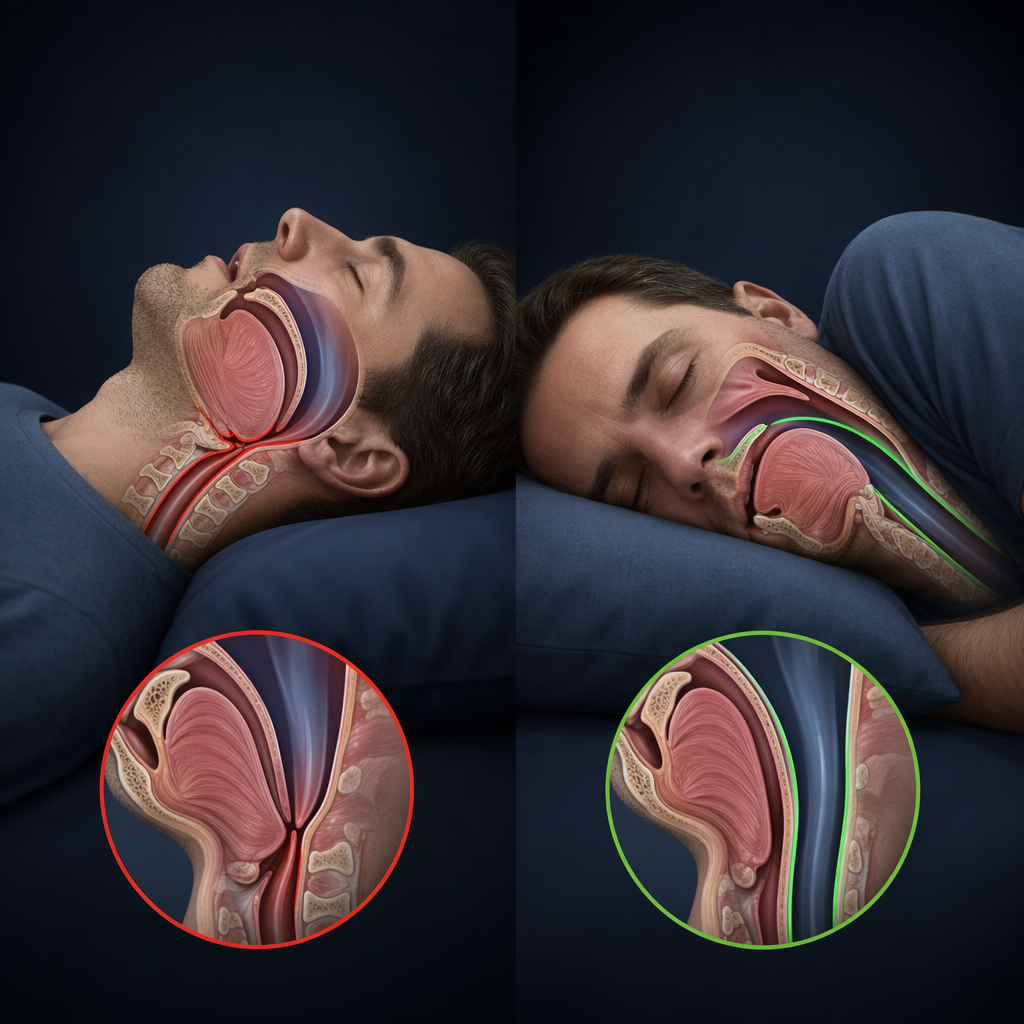
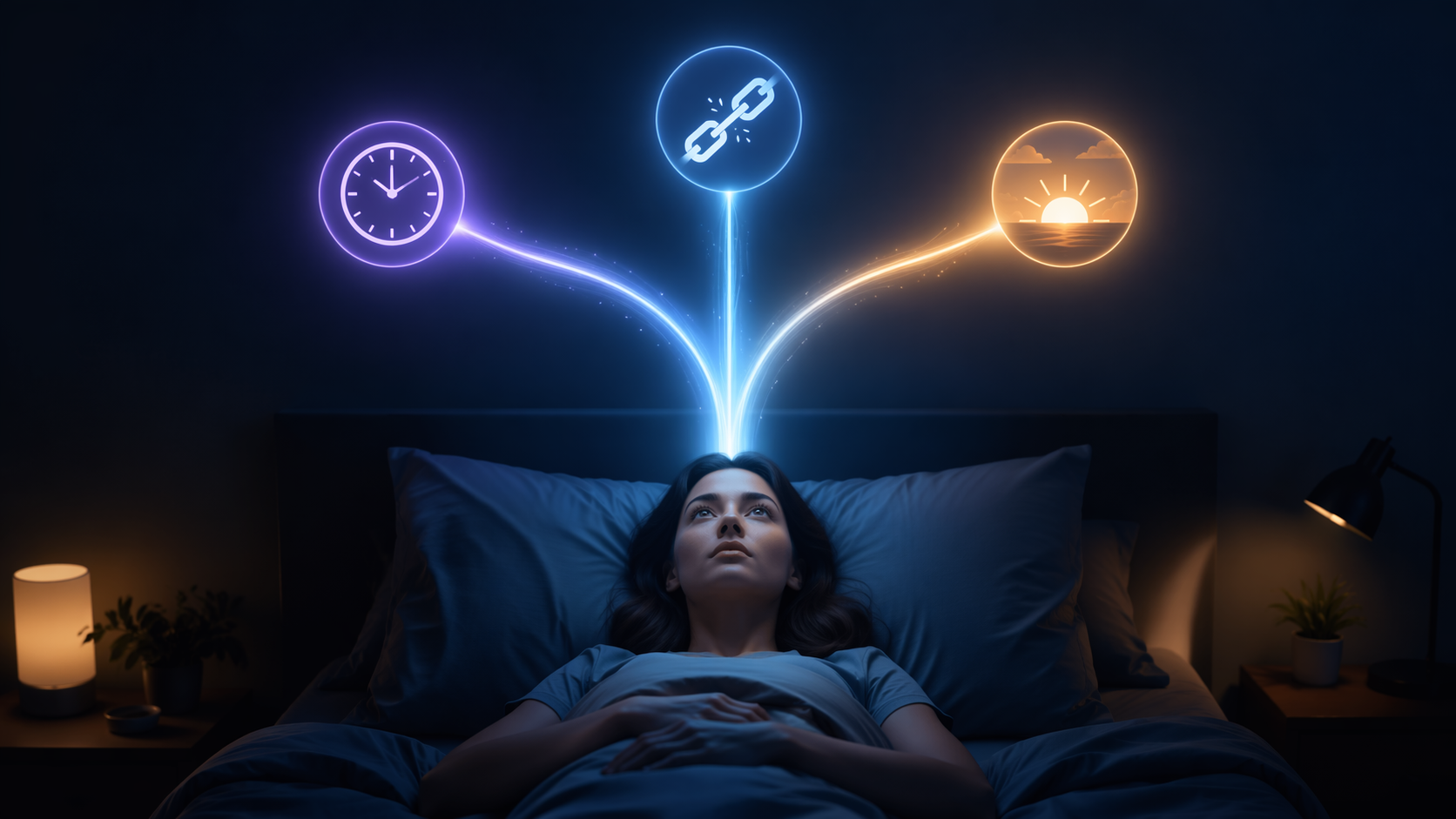
Sleep apnea only needs a supporting role to matter here. If breathing events are fragmenting sleep, they can further damage sleep architecture and reduce the slow-wave sleep that seems to support recovery, which is why screening belongs in stroke follow-up. For a plain-language primer, see the Sleep Apnea FAQ. If insomnia is the bigger barrier, an evidence-based approach such as CBT-I is more useful than generic bedtime advice; see What Actually Cures Insomnia? CBT-I Explained.
What this means for recovery
Sleep belongs inside neurorehabilitation, not beside it. If recovery is stalling, sleep should be assessed, protected, and treated as part of the rehabilitation plan, because the brain's repair work depends on it.
Medical review date: July 19, 2026. This article is for education only and does not replace individualized medical care from a stroke team.
References
- Sleep Disorders in Stroke: An Update on Management. PubMed Central.
- The Importance of Sleep for Successful Neurorehabilitation after Stroke. PubMed Central.
- Focal Slow Wave Sleep in Brain Repair and Recovery After Stroke. AASM Foundation.
- Slow Waves Promote Sleep-Dependent Plasticity and Functional Recovery after Stroke. PubMed Central.
Comments
Join the discussion with an anonymous comment.