
The sleep-aid shelf is good at sounding gentle. “Natural.” “Herbal.” “Drug-free.” “Non-habit-forming.” For someone who does not want prescription sleeping pills, those words can feel like a safer door. But the first safety question is more basic: does the bottle contain what the label says it contains?
For many home remedies for insomnia, the answer is not guaranteed. Dietary supplements such as melatonin are not reviewed by the FDA for safety and effectiveness before they are sold, and the agency does not verify every product’s purity, exact dose, or label accuracy before it reaches the medicine cabinet. That does not make every supplement dangerous. It does mean the label deserves less blind trust than the packaging invites.
The melatonin problem is not just whether it works
Melatonin occupies an odd place in sleep advice. It is a hormone involved in circadian timing, so it can make sense in some circadian rhythm situations, such as jet lag or a shifted sleep schedule. That is different from treating chronic insomnia, where the problem is often not simply a missing dose of melatonin.
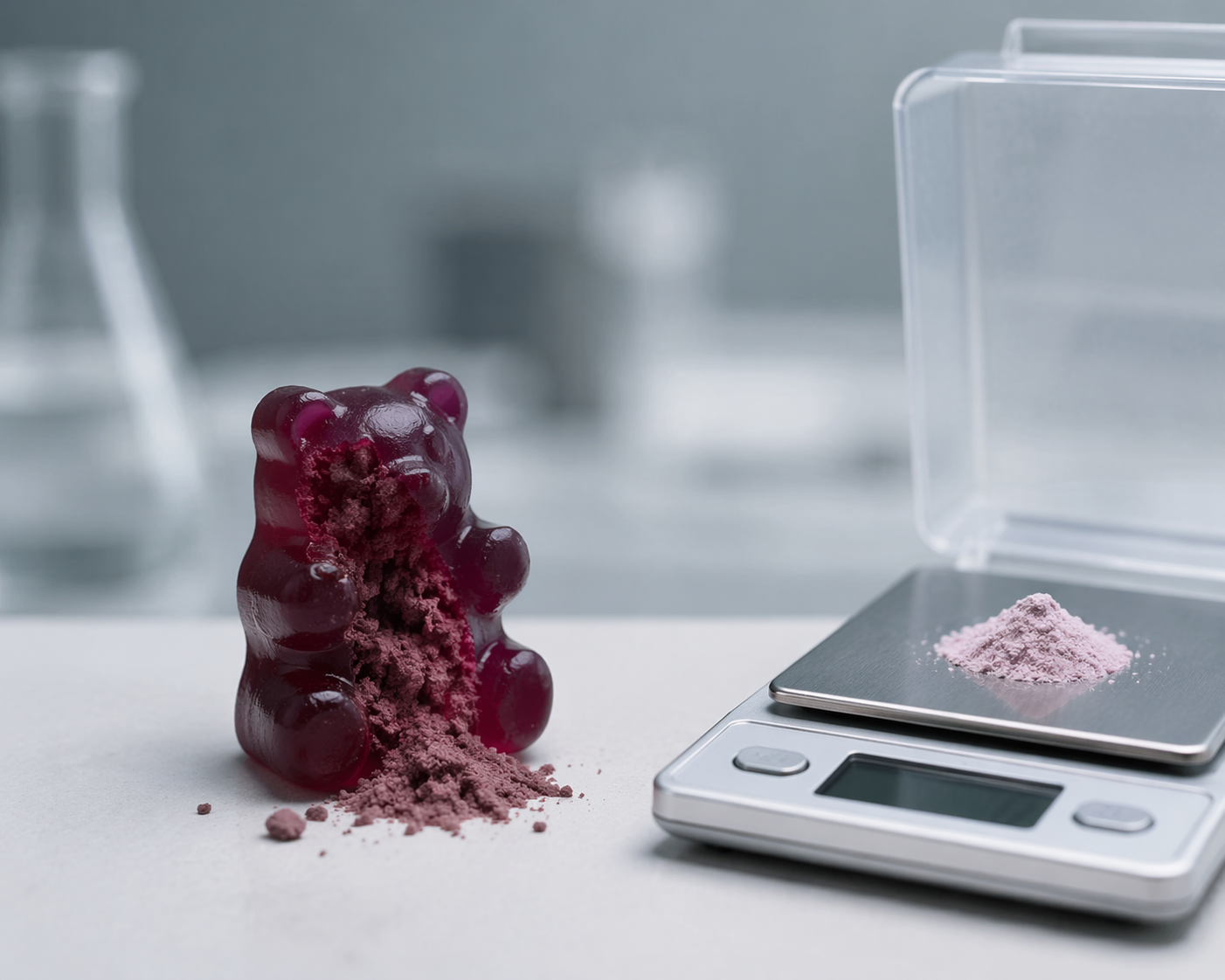
The more immediate concern is that many people cannot reliably know what dose they are taking. In a 2023 JAMA study of 25 melatonin gummy products sold in the United States, 88% were inaccurately labeled. Only 3 products were within 10% of the labeled melatonin amount, and actual melatonin content ranged from 74% to 347% of the declared dose.[1]
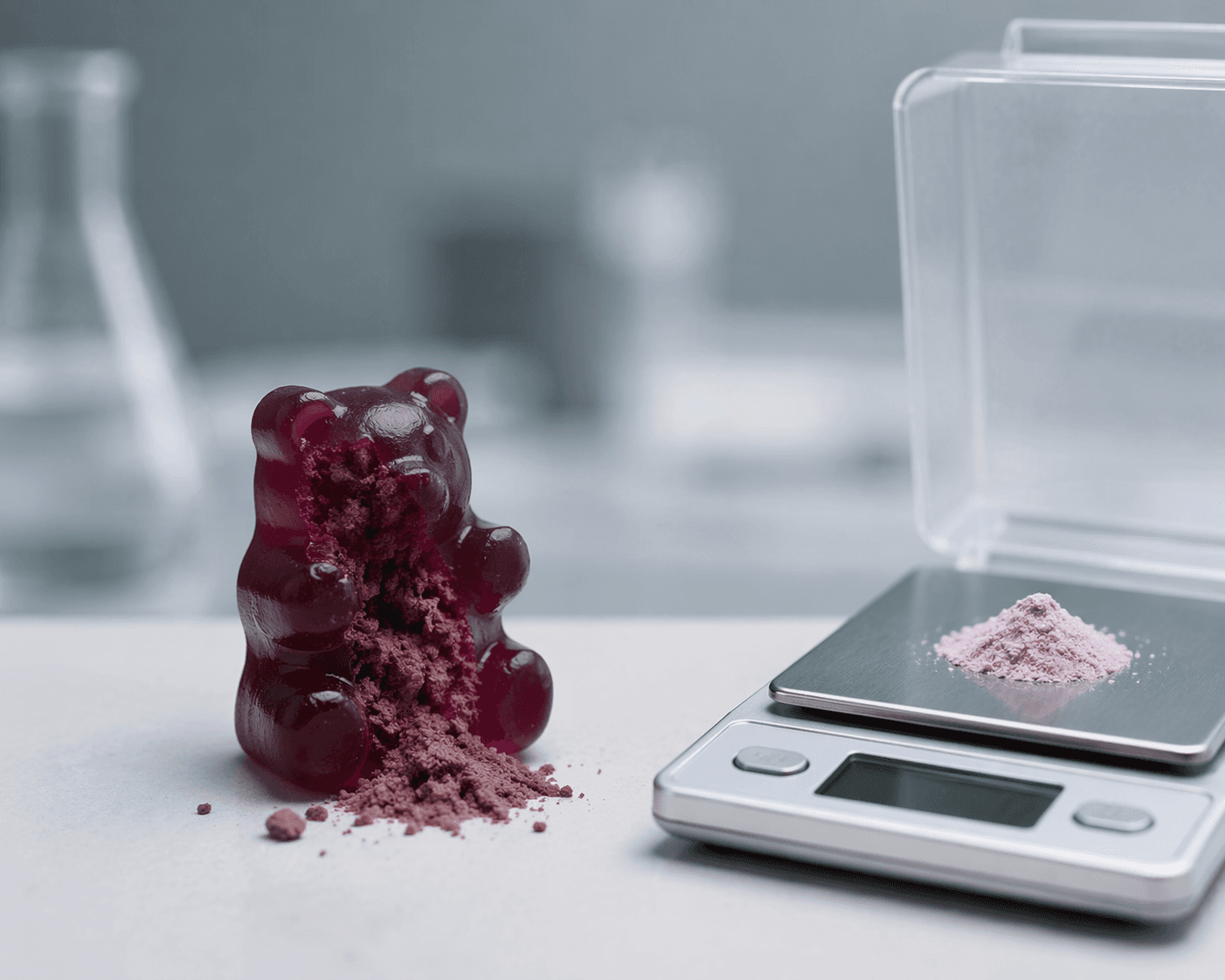
That range changes the conversation. A person choosing a low-dose gummy may be trying to avoid morning grogginess, vivid dreams, headaches, or interactions with other medicines. If the gummy contains far more than promised, the consumer’s caution has been quietly overridden. If it contains far less, the person may keep increasing the number of gummies and still not understand what is happening.
A separate FDA-linked analysis of 110 melatonin dietary supplement products marketed for children found an even wider spread, with measured melatonin ranging from 0% to 667% of the labeled amount.[2] The children’s-supplement context should make adults pause, too: the same regulatory gap that allows a children’s product to vary so widely can affect adult sleep products as well.
If melatonin is being considered, third-party testing is a practical filter, not a decoration. The American Academy of Sleep Medicine has advised consumers to look for independent verification seals such as USP, ConsumerLab, or NSF because those programs can check whether a product contains what it claims.[3] A seal does not prove that melatonin is the right treatment for chronic insomnia. It only reduces one avoidable uncertainty: whether the dose on the label is close to the dose in the bottle.
“Natural” and “drugstore” are different categories, not safety ratings
A useful distinction gets blurred in late-night shopping: supplements and over-the-counter drugs are regulated differently. A bottle of valerian capsules, a melatonin gummy, a CBD sleep blend, and a diphenhydramine sleep aid may sit near one another, but they do not carry the same evidence base, oversight, or risk profile.
| Product type | What to check before using it for sleep |
|---|---|
| Melatonin supplements | Whether the goal is circadian timing rather than chronic insomnia; whether the product has credible third-party testing; whether pregnancy, age, health conditions, or other medicines change the risk. |
| Herbal sleep products | Whether evidence supports the specific ingredient; whether there are liver, sedation, or interaction concerns; whether the dose and purity are independently verified. |
| OTC antihistamine sleep aids | Whether the active ingredient is diphenhydramine or doxylamine; whether use is short-term; whether anticholinergic risks matter because of age, cognition, constipation, urinary retention, glaucoma, or other medications. |
| Behavioral insomnia treatment | Whether insomnia is chronic enough to need CBT-I, stimulus control, sleep restriction therapy, or another structured behavioral approach rather than another product. |
That table is not meant to make the shelf look scarier than it is. It is meant to put the questions in the right order. The safest-looking option is not always the one with the softest label.
Valerian, kava, and CBD deserve caution, not folklore
Valerian root is often marketed as a traditional sleep herb, but tradition is not the same as strong clinical evidence. A 2024 umbrella review found insufficient evidence to support valerian’s efficacy for insomnia.[4] Mayo Clinic also notes rare reports of liver damage in people using valerian, while emphasizing that causation is unclear.[5] That uncertainty matters: when the benefit is not well established, even rare safety concerns become harder to justify for routine use.
Kava raises a sharper safety flag because of hepatotoxicity concerns. It may appear in calming or sleep formulas, but liver-risk warnings are not a minor footnote for anyone who drinks alcohol, has liver disease, takes medications processed by the liver, or combines multiple supplements.[4]
CBD sleep products add a different tangle: limited long-term safety data for routine insomnia use, uneven product purity, possible medication interactions, and legality that can vary by state. A CBD label may sound modern and therapeutic, but without reliable content verification and clinician review, it can still leave the user guessing.
The familiar antihistamine in many OTC sleep aids is not harmless by default
Drugstore sleep aids can feel more straightforward than supplements because they are sold as over-the-counter medicines. In one sense, they are more recognizable: many contain diphenhydramine, the same active ingredient found in Benadryl; others contain doxylamine. Harvard Health reports that 15% to 20% of American adults take a nonprescription sleep aid in a given month.[6]
The problem is habitual use. The American Academy of Sleep Medicine recommended against over-the-counter antihistamine sleep aids for chronic insomnia in its 2017 guideline because of limited efficacy and safety concerns, including anticholinergic effects.[6] These drugs can cause next-day sleepiness, dry mouth, constipation, urinary problems, and confusion, and those are not trivial side effects for an older adult who may already be taking several medications.
Anticholinergic burden is the phrase worth knowing. It refers to the cumulative effect of medications that block acetylcholine, a chemical messenger involved in memory, alertness, urination, digestion, and other functions. Heavy long-term use of anticholinergic drugs has been linked with dementia risk, and the Beers Criteria flags these medications as potentially inappropriate for many older adults.[6]
This is not a reason to panic over a single medically appropriate short-term use. It is a reason not to let a nightly antihistamine become an unexamined routine. Someone who is pregnant, older, managing anxiety, using alcohol or sedatives, taking multiple prescriptions, or experiencing memory problems should not treat “available without a prescription” as permission to self-treat indefinitely.
The safer home remedy is usually behavioral, not bottled
The strongest answer to chronic insomnia is not another gentler-sounding capsule. It is treatment that changes the sleep pattern without adding a new substance to metabolize, combine, misdose, or build a routine around.
Cognitive behavioral therapy for insomnia, or CBT-I, is recommended as first-line treatment by major medical groups, including the American Academy of Sleep Medicine and the American College of Physicians. A CBT-I primer describes effect sizes of about 1.0 to 1.2, roughly corresponding to a 50% symptom reduction after treatment, with improvements maintained for up to 24 months.[7]
The 2026 AASM chronic insomnia guideline keeps that hierarchy intact. It recommends combination therapy with CBT-I plus medication over medication alone, but recommends against combination therapy over CBT-I alone, reinforcing that behavioral treatment remains the foundation even when medication is being considered.[8]
CBT-I is not just a nicer name for sleep hygiene. It is a structured treatment that may include stimulus control, sleep restriction therapy, cognitive work around sleep-related fear, relaxation skills, and schedule stabilization. Some parts are counterintuitive, which is why guidance matters. Sleep restriction therapy, for example, can temporarily reduce time in bed to rebuild sleep efficiency; done casually or in the wrong person, that can backfire.
What stimulus control changes
Stimulus control targets a common insomnia loop: the bed becomes the place where a person waits, calculates, worries, scrolls, and watches the clock. The usual instruction is to go to bed only when sleepy, use the bed mainly for sleep and sex, get out of bed if unable to sleep after roughly 20 minutes, and return when sleepy. The point is not to win a contest of willpower. It is to stop teaching the brain that bed means awake struggle.
Why sleep restriction is not the same as sleeping less forever
Sleep restriction therapy narrows the sleep window at first, then gradually expands it as sleep becomes more consolidated. The treatment is often misunderstood because the name sounds punitive. In practice, it is a way to reduce long, frustrating stretches of wakefulness in bed. It should be used carefully, especially by people with bipolar disorder, seizure risk, severe daytime sleepiness, safety-sensitive jobs, or other medical concerns.
Where ordinary sleep hygiene fits
A cooler room, less late caffeine, morning light, and a consistent wake time can help the conditions around sleep. They are worth doing, and more detailed routines belong in a broader sleep hygiene plan. But for chronic insomnia, hygiene alone often becomes a list of small rules that the exhausted person keeps adding to. CBT-I is different because it directly treats the learned wakefulness and anxiety that keep insomnia going.
A practical safety rule for home remedies for insomnia
For occasional sleeplessness, a short-term remedy may be reasonable for some adults, especially when a clinician has checked medication interactions, pregnancy status, medical conditions, and age-related risks. That is a different decision from taking an uncertain-dose supplement or sedating antihistamine every night because it is sold without a prescription.
A cautious order of operations looks like this:
- If insomnia is chronic, prioritize CBT-I or a clinician-guided behavioral plan before building a nightly supplement routine.
- If considering melatonin, be clear whether the goal is circadian timing rather than general insomnia relief, and choose a third-party-tested product.
- If using an OTC sleep aid, identify the active ingredient; diphenhydramine and doxylamine are sedating antihistamines, not risk-free sleep treatments.
- If using herbal or CBD products, assume interaction and purity questions are real until checked, not theoretical.
- If you are older, pregnant, taking multiple medications, using alcohol or sedatives, or managing liver disease, glaucoma, urinary retention, memory concerns, bipolar disorder, or seizure risk, ask a clinician before using sleep products.
Home remedies are not automatically unsafe. The safer dividing line is evidence and controllability. Products with uncertain dose, limited oversight, interaction risk, or weak long-term evidence should not become the foundation for chronic insomnia care. Behavioral treatment should.
References
- Quantity of Melatonin and CBD in Melatonin Gummies Sold in the US, JAMA, 2023.
- A Survey of Melatonin in Dietary Supplement Products Sold in the US, Drug Testing and Analysis.
- Study finds that melatonin content of supplements varies widely, American Academy of Sleep Medicine.
- The Effect of Herbal Supplements on Sleep Quality: A Systematic Review and Meta-Analysis, PMC, 2024.
- Insomnia - Diagnosis and treatment, Mayo Clinic.
- Drugstore sleep aids may bring more risks than benefits, Harvard Health.
- Cognitive Behavioral Therapy for Insomnia: A Primer, PMC.
- April 2026 AASM Guideline Spotlight - Chronic Insomnia Disorder, Guideline Central, April 2026.




Comments
Join the discussion with an anonymous comment.