
When Managing Hot Flashes Isn't Enough: The Diagnostic Blind Spot in Menopause Sleep Problems
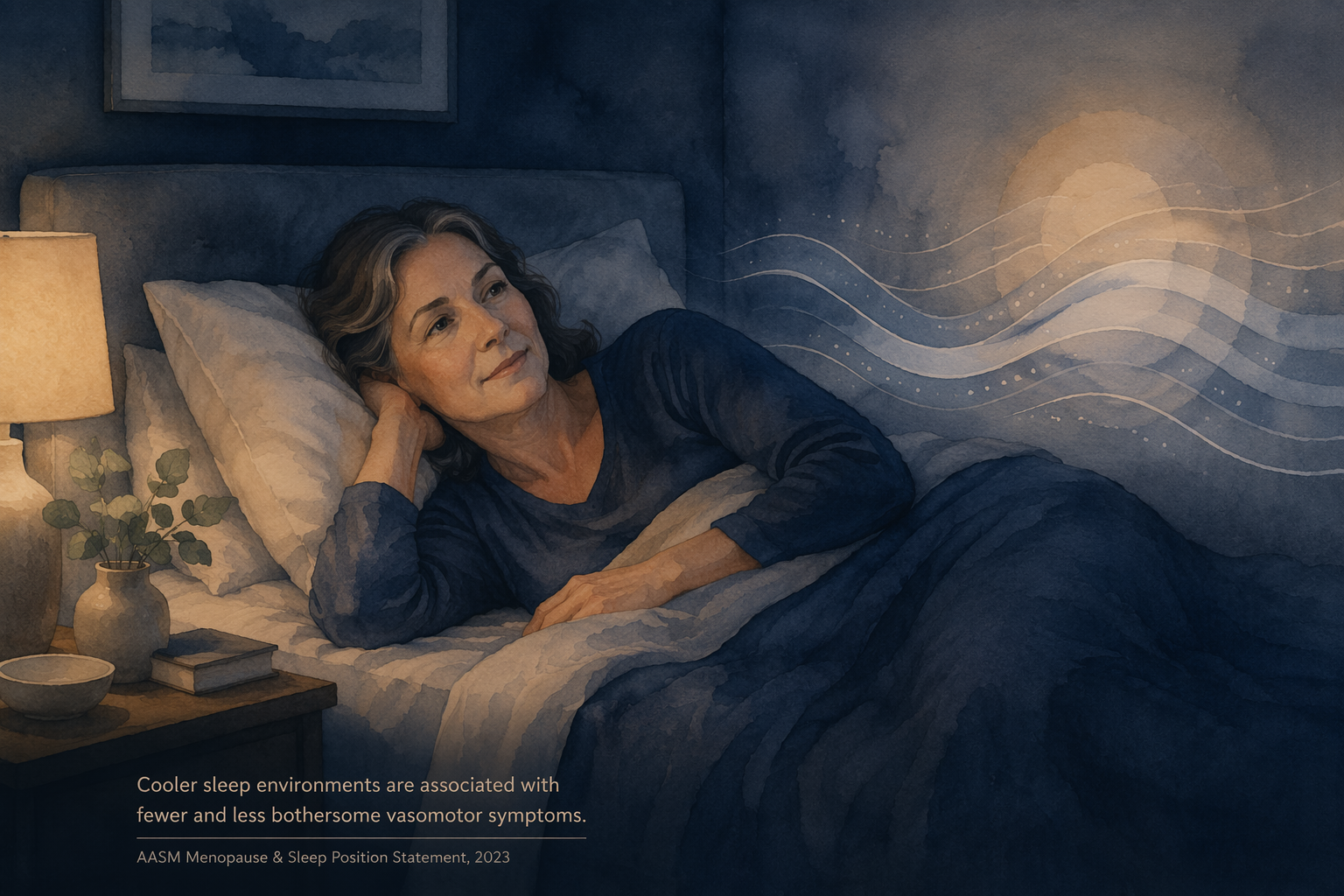
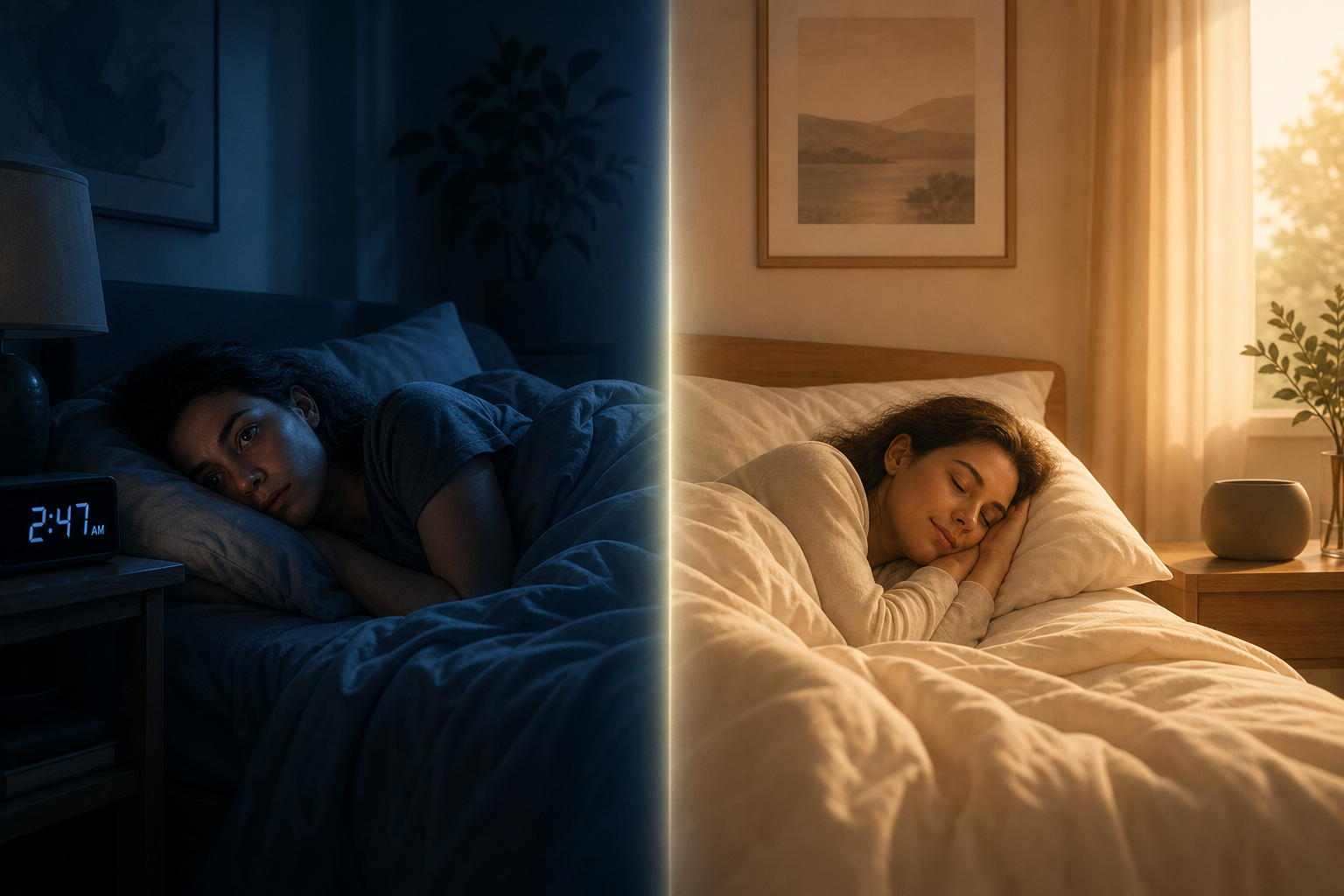
If you have already tried cooling sheets, layered bedding, and a consistent bedtime routine — yet still wake up exhausted, restless, or gasping for air — you are not alone, and you are not imagining things. The assumption that all menopause-related sleep disruption stems from night sweats is one of the most persistent blind spots in women's sleep health.
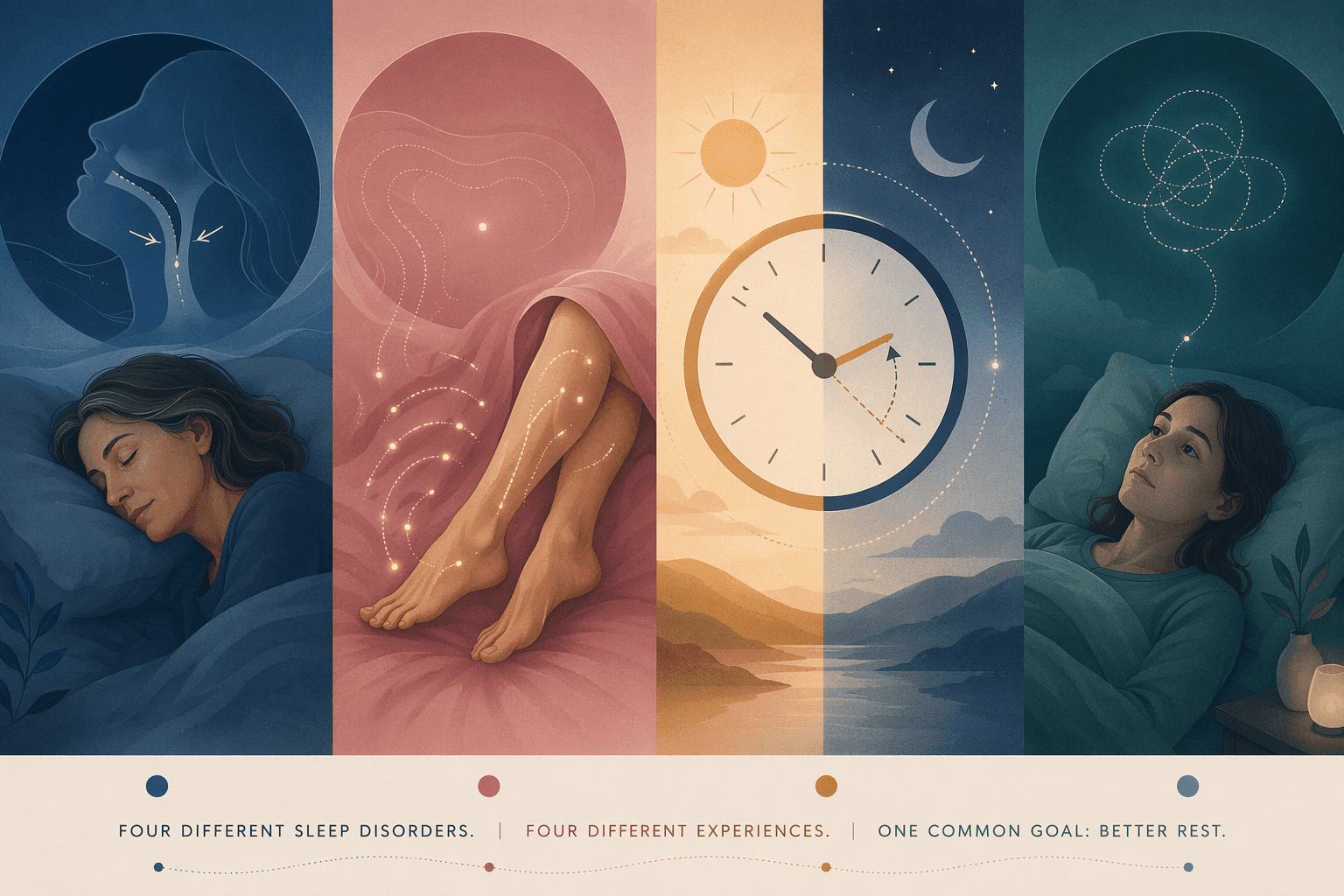
A 2023 meta-analysis of 41 studies found that the overall prevalence of sleep disorders among postmenopausal women is 51.6% — meaning more than half of women in this stage experience clinically significant sleep problems. While vasomotor symptoms (hot flashes and night sweats) are the most recognized culprit, the hormonal shifts of the menopausal transition independently increase the risk for at least three other distinct sleep disorders: obstructive sleep apnea (OSA), restless legs syndrome (RLS), and circadian rhythm disturbances. Each requires a different treatment approach, and each is frequently mislabeled as "menopausal insomnia."
This article is a companion to our Perimenopause and Sleep Disruption guide, which covers the broad hormonal mechanisms and general treatment ladder. Here, we focus on the diagnostic gap: the specific disorders that mimic menopausal insomnia and the steps you can take to identify the real cause of your sleep problems.
Why Menopause Increases Risk for Sleep Apnea (and Why It's Often Missed)
Obstructive sleep apnea occurs when the muscles in the throat relax repeatedly during sleep, blocking the airway and causing breathing to stop and start. In premenopausal women, estrogen and progesterone provide a protective effect on upper airway patency. As these hormone levels decline during the menopausal transition, that protection is lost.
According to Johns Hopkins Medicine, postmenopausal women are two to three times more likely to have sleep apnea compared with premenopausal women. The meta-analysis by Salari et al. (2023) puts the numbers in sharper relief: sleep apnea prevalence among postmenopausal women was 35.2% (95% CI: 12.9–66.5%), compared to 25.7% (95% CI: 8.9–55%) in premenopausal women.
Why Female Sleep Apnea Looks Different — and Gets Missed
The classic sleep apnea presentation — loud snoring, gasping, and witnessed pauses in breathing — is more common in men. Women, particularly during menopause, often present with what Johns Hopkins experts call "subtle symptoms":
- Insomnia or difficulty maintaining sleep (the most common misattribution)
- Morning headaches
- Daytime fatigue that feels disproportionate to total sleep time
- Mood changes, irritability, or brain fog
- Waking up with a dry mouth or sore throat
Because these symptoms overlap heavily with the general experience of menopause — fatigue, mood swings, poor sleep — sleep apnea is frequently overlooked. A woman who reports trouble staying asleep may be prescribed sleep hygiene advice or a sleep aid, while the underlying airway obstruction goes untreated for years.
Restless Legs Syndrome: The Most Prevalent Sleep Disorder in Postmenopause
If you have ever felt an irresistible urge to move your legs while trying to fall asleep — accompanied by creeping, crawling, or tingling sensations that only ease with movement — you may be experiencing restless legs syndrome (RLS). And if you are postmenopausal, you are in the highest-risk demographic.
The same 2023 meta-analysis found that RLS was the most prevalent specific sleep disorder among postmenopausal women, with a pooled prevalence of 63.8% (95% CI: 10.6–96.3%). To put that in perspective, the general adult population prevalence of RLS is estimated at 5–10%. A rate of 63.8% — even accounting for the wide confidence interval — represents a dramatic increase.
The Hormone-Dopamine-Iron Connection
The biological link between menopause and RLS is not fully understood, but several mechanisms are believed to play a role. Estrogen influences dopamine signaling in the brain, and dopamine dysfunction is central to RLS. Additionally, iron deficiency — which becomes more common after menopause due to blood loss cessation and changes in iron absorption — is a known trigger for RLS symptoms. Low ferritin levels (below 50–75 ng/mL) can exacerbate or even cause RLS, even when hemoglobin levels are normal.
Circadian Rhythm Shifts During the Menopausal Transition
Beyond sleep apnea and RLS, the menopausal transition can also disrupt the body's internal timing system — the circadian clock that regulates the sleep-wake cycle. Hormonal changes, particularly the decline in estrogen and progesterone, can alter the timing and amplitude of circadian rhythms, leading to:
- Difficulty falling asleep at a reasonable hour (delayed sleep phase)
- Early morning awakening (advanced sleep phase) — waking at 3:00 or 4:00 a.m. and being unable to return to sleep
- A mismatch between sleep drive and sleep ability — feeling "tired but wired" at bedtime, then exhausted during the day
This phenomenon is sometimes called a sleep drive mismatch. Your body may have accumulated enough sleep pressure (adenosine buildup) to feel tired, but your circadian alerting signal is still active, keeping you awake. For a deeper explanation of this mechanism, see our guide on Tired But Can't Sleep? Understanding the Sleep Drive Mismatch.
The Study of Women's Health Across the Nation (SWAN) found that sleep problems increase during perimenopause and then stabilize or improve for most women after menopause. However, a subset of women — about 15% — experienced an "increasing prevalence" pattern of sleep problems that persisted across the entire transition. These women were more likely to report trouble falling asleep, early morning awakening, and frequent hot flashes or night sweats.
How to Tell Them Apart: A Symptom Differentiation Guide
The table below summarizes the key distinguishing features of each condition. Use it as a starting point for self-assessment, but remember that conditions can co-occur — a woman can have both sleep apnea and RLS, or both circadian disruption and menopausal insomnia.
| Symptom or Feature | Menopausal Insomnia | Sleep Apnea | Restless Legs Syndrome | Circadian Disruption |
|---|---|---|---|---|
| Primary complaint | Difficulty falling or staying asleep | Non-restorative sleep, fatigue | Urge to move legs at rest | Mismatch between sleep timing and desire |
| Key nighttime sign | Lying awake, racing thoughts | Snoring, gasping, pauses in breathing | Crawling/tingling sensations in legs | Wide-awake at bedtime or 3 a.m. |
| Waking pattern | Variable; may wake and struggle to return to sleep | Frequent brief awakenings (often unnoticed) | Difficulty falling asleep due to leg discomfort | Consistent early morning awakening or delayed sleep onset |
| Daytime symptom | Fatigue, irritability | Excessive daytime sleepiness, morning headaches, dry mouth | Daytime restlessness, fatigue from poor sleep | Afternoon slump, difficulty waking at desired time |
| Worsening factors | Stress, anxiety, caffeine | Weight gain, alcohol before bed, supine position | Evening/night, prolonged sitting, iron deficiency | Irregular sleep schedule, lack of morning light exposure |
| Response to sleep hygiene | Moderate; may help but not resolve | Minimal; does not address airway obstruction | Minimal; does not address neurological trigger | Good; consistent light exposure and schedule help significantly |
The Diagnostic Pathway: What to Ask Your Doctor
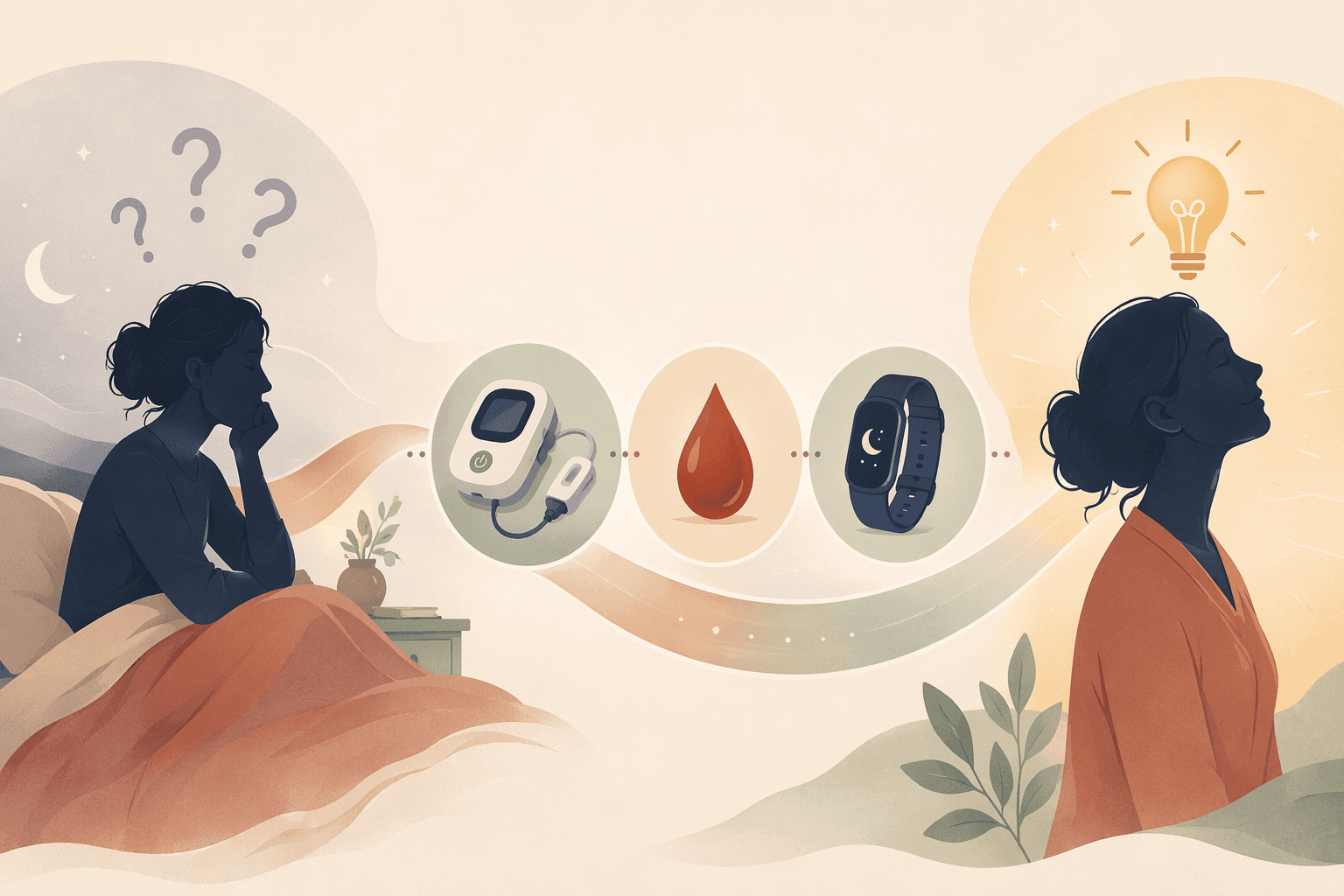
If you recognize yourself in any of the symptom patterns above, the next step is to discuss them with a healthcare provider. Here is a practical diagnostic pathway based on the most likely condition:
- Suspected sleep apnea: Ask for a home sleep apnea test (HSAT) or a referral for polysomnography. Many women are surprised to learn they qualify for testing even without loud snoring. The key question to ask: "Could my fatigue and insomnia be caused by sleep apnea?"
- Suspected restless legs syndrome: Request a ferritin level blood test. Ferritin below 50–75 ng/mL can trigger or worsen RLS, even if your hemoglobin is normal. Iron supplementation under medical guidance may significantly reduce symptoms.
- Suspected circadian disruption: Keep a sleep diary for 1–2 weeks, recording bedtime, wake time, and subjective alertness levels. A wrist actigraphy device (often available through sleep clinics) can provide objective data on your sleep-wake timing.
- Suspected primary menopausal insomnia: If sleep apnea, RLS, and circadian disruption have been ruled out, the first-line treatment is cognitive behavioral therapy for insomnia (CBT-I). The Let's Talk Menopause resource recommends a 4–6 session protocol called CBT for menopausal insomnia (CBT-mi), which includes sleep restriction, stimulus control, and cognitive restructuring.
For a broader overview of evidence-based sleep interventions, see our decision-framework FAQ for what to try when you cannot sleep.
Treatment Implications by Condition: Why the Right Diagnosis Matters
The reason this diagnostic differentiation matters is straightforward: each condition requires a fundamentally different treatment approach. A misdiagnosis of "menopausal insomnia" can delay effective treatment for years.
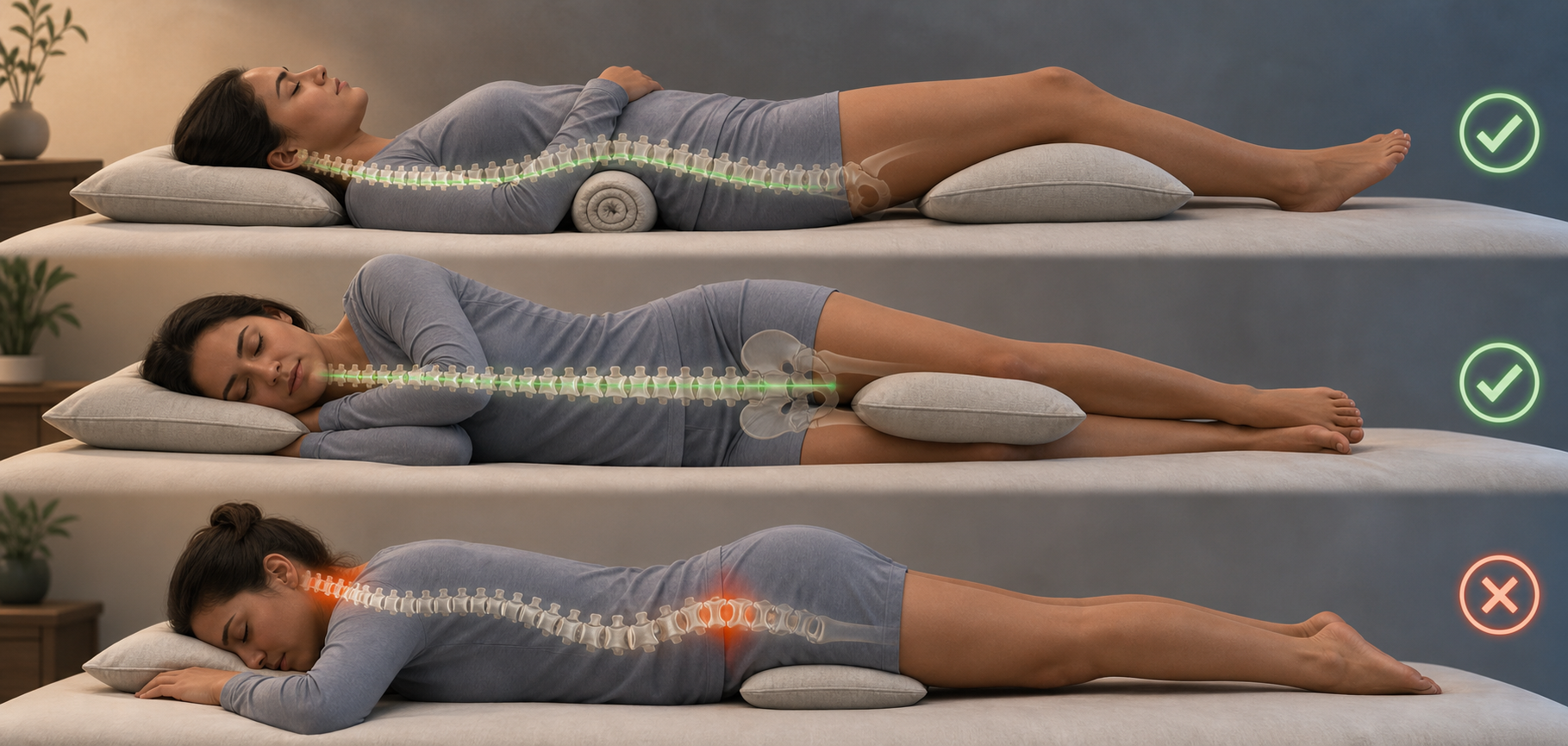
- Sleep apnea: First-line treatment is positive airway pressure (CPAP) therapy. Oral appliances and positional therapy are alternatives for mild cases. Sleep hygiene alone will not resolve airway obstruction.
- Restless legs syndrome: First-line treatment depends on ferritin levels. If low, iron supplementation is the first step. If ferritin is normal, dopamine agonists or alpha-2-delta ligands (gabapentin, pregabalin) may be prescribed. Avoiding caffeine, alcohol, and antihistamines in the evening can also help.
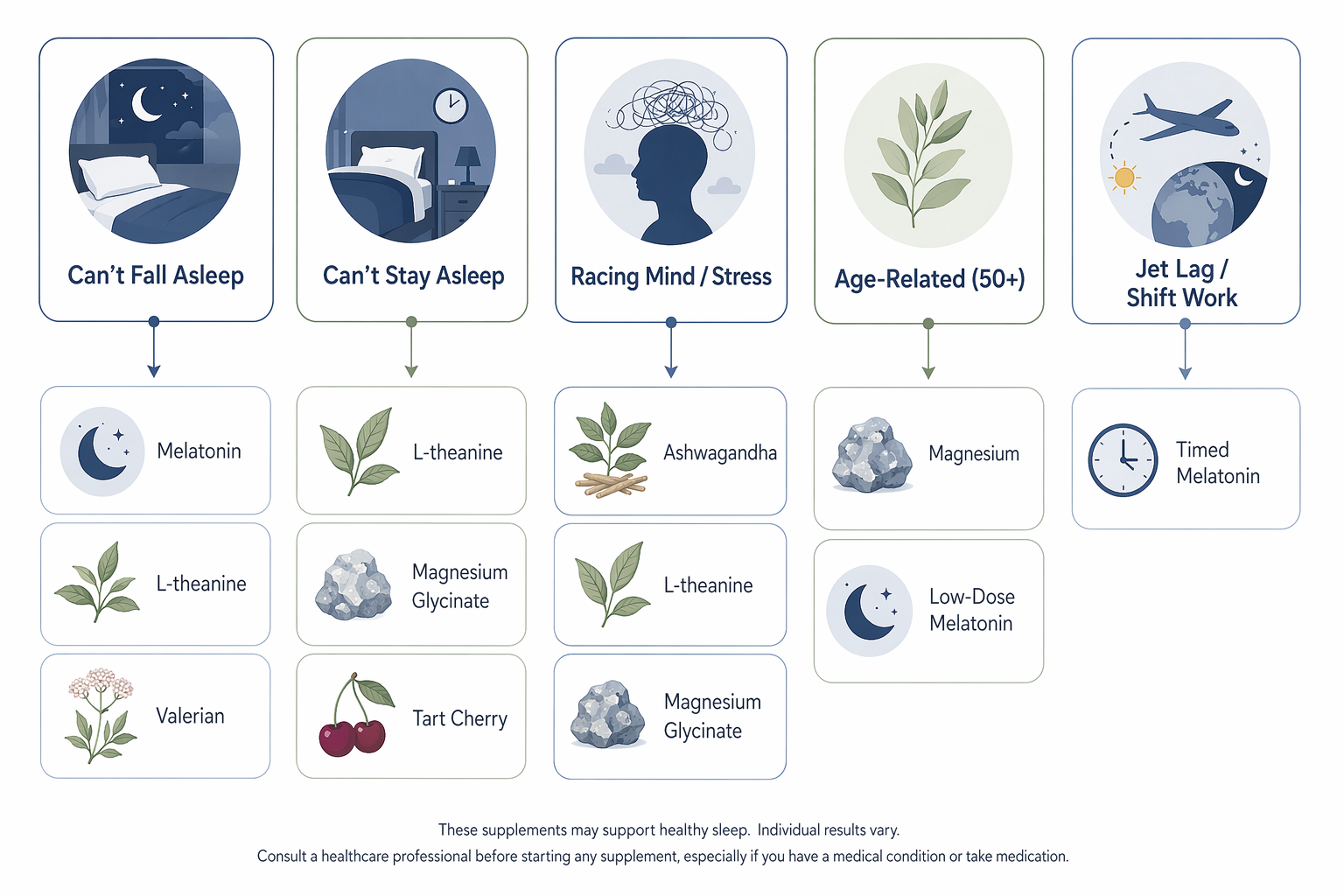
- Circadian disruption: Timed morning light exposure (within 30–60 minutes of waking) and consistent sleep-wake timing are the primary interventions. Low-dose melatonin (0.5–1 mg) taken 1–2 hours before desired bedtime may help advance sleep timing.
- Primary menopausal insomnia: CBT-I is the first-line treatment recommended by the American College of Physicians and the National Institute on Aging. The SWAN study emphasizes that sleep medications are a one-time fix and work best when combined with behavioral treatments. For women whose sleep issues are not primarily due to OSA, RLS, or circadian disruption, see our Insomnia Self-Care guide for evidence-based strategies.
Comments
Join the discussion with an anonymous comment.