The first bad night often arrives before the storm does. The forecast shifts. The cone inches closer. The house is still quiet, the power is still on, work may still be happening in the morning, and yet the body is already acting as if something is at the door. That mismatch is one reason hurricane anxiety and sleep disruption can feel so strange: normal life continues while the nervous system starts preparing for abnormal conditions.
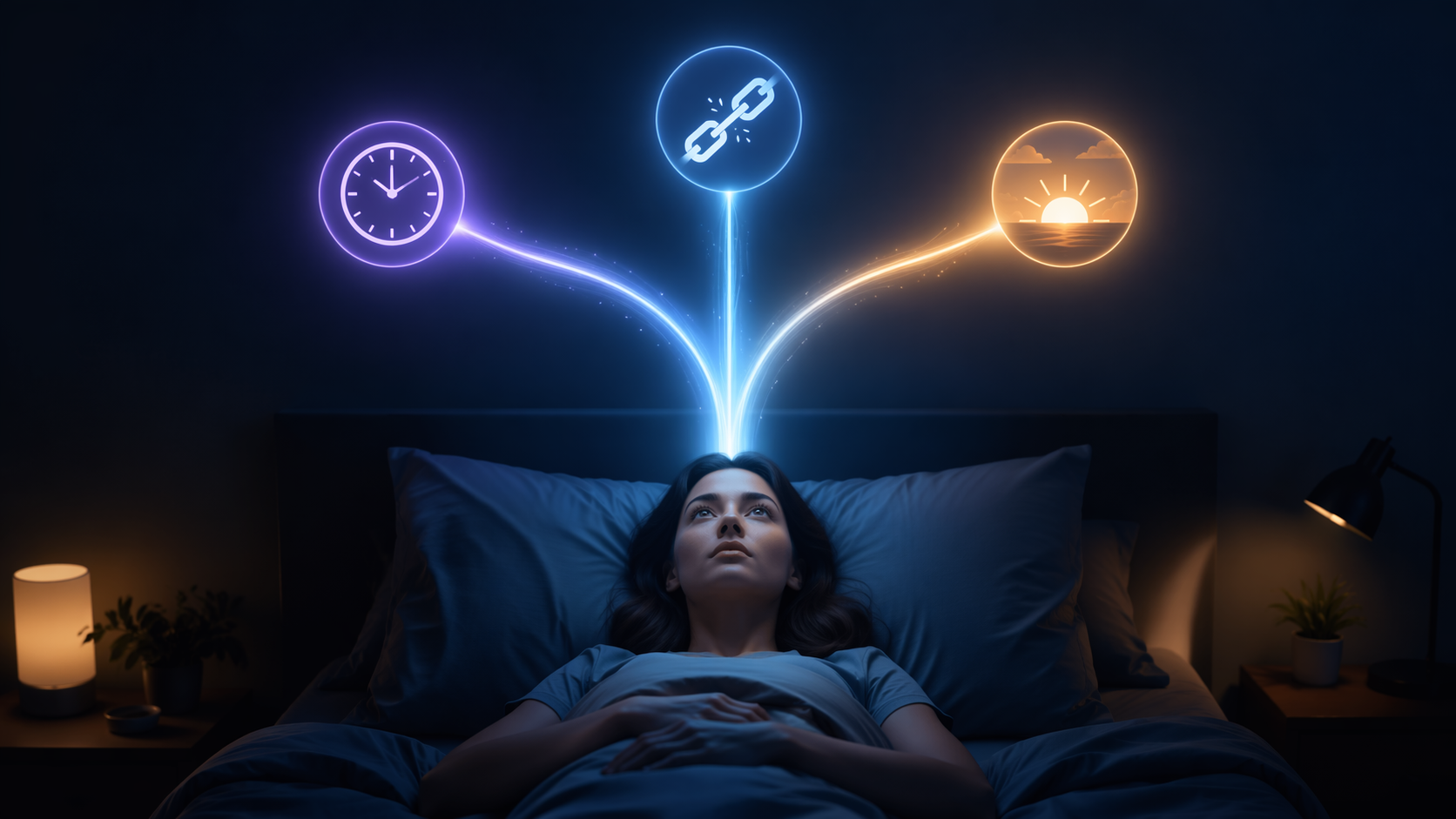
The useful way to think about it is not as one long stretch of “stress insomnia.” Hurricane-related sleep problems change across the storm timeline. Before landfall, forecasting can drive anticipatory hyperarousal. During the storm, the brain is trying to keep you safe through noise, darkness, uncertainty, and possible power loss. Afterward, sleep may recover gradually, or it may stay tangled with trauma symptoms, displacement, damage, and repeated reminders.
Before Landfall, the Threat Is Forecast Before It Is Felt
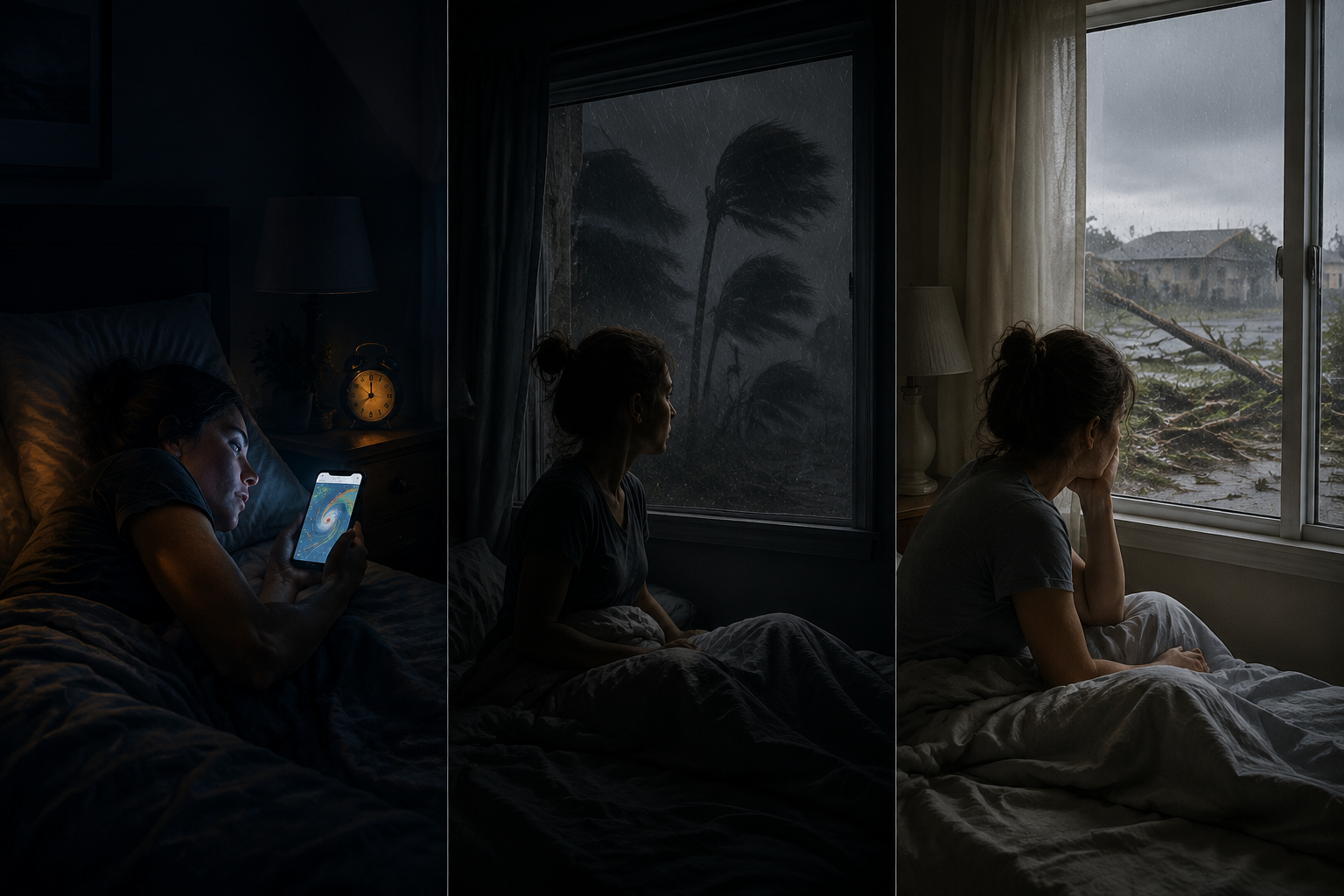
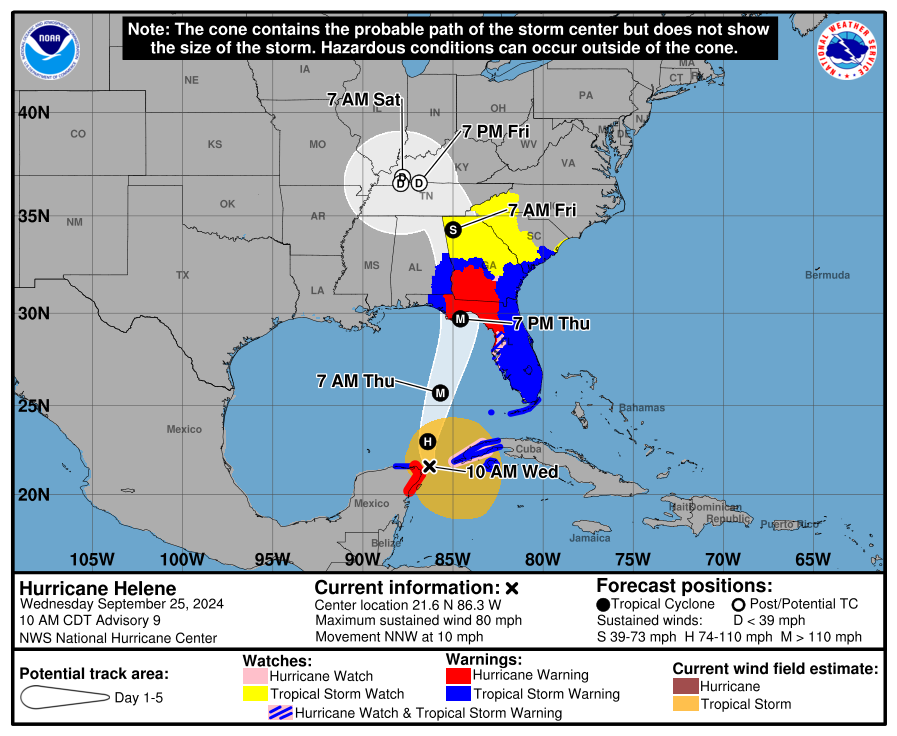
Modern hurricane forecasting saves lives, but it also changes the timing of stress. Medical University of South Carolina clinicians have described a hurricane “crescendo effect”: unlike a sudden disaster, a hurricane can “threaten before there’s a threat,” building worry for days as updates become more frequent and more personal to the viewer’s location.[1]
That phrase matters because it fits the lived timing. Many people are not lying awake because they have irrationally exaggerated an ordinary problem. They are lying awake because the brain has been given a partial survival task with incomplete information: decide whether to stay or leave, whether supplies are enough, whether an older parent needs help, whether a pet carrier is accessible, whether the roof can hold, whether the next advisory changes everything.
At night, that task gets louder. Daytime distractions drop away. Stores may be closed. Calls may have to wait. The forecast cannot be controlled from bed, so the mind starts rehearsing. This is not the same sleep problem as drinking coffee too late or forgetting to dim the lights. The body is attempting to solve a practical safety problem at a time when few practical actions are available.
Why Two People in the Same House May Sleep Differently
Sleep reactivity helps explain why one person may fall asleep after checking the track once, while another remains awake for hours with the same information. Sleep reactivity refers to how vulnerable a person’s sleep is to stress. In research using the Ford Insomnia Response to Stress Test, sleep reactivity has been estimated as 29% to 43% heritable, and people with scores of 18 or higher had about double the one-year incidence of insomnia compared with those below that threshold.[2]
That does not mean the more reactive sleeper is weak, dramatic, or making poor choices. It means the sleep system is more easily recruited into the stress response. During hurricane season, a reactive sleeper may need to reduce uncertainty earlier and more deliberately than someone whose sleep is less stress-sensitive.
The Pre-Storm Goal Is to Shrink the 2 A.M. Decision List
Preparedness advice is often framed as storm safety, but it is also sleep medicine. The Anxiety and Depression Association of America recommends making emergency plans before severe weather strikes, and the National Weather Service similarly advises having a plan in place before a storm so decisions are not being made under peak stress.[3][4]
The sleep value of a written plan is that it moves decisions out of the bed. A useful plan does not have to be elegant. It needs to answer the questions that otherwise return at night: where medications are, who fills the car, what triggers evacuation, where documents are stored, which neighbor or relative needs a check-in, and which local authority provides the update you will follow.
- Write down the evacuation threshold before advisories become emotionally loaded.
- Choose one or two official information sources instead of sampling every feed.
- Set update windows, then put the phone somewhere that makes checking less automatic.
- Assign morning tasks on paper so the brain does not keep inventorying them in bed.
- If you live with others, decide who is responsible for which action before everyone is tired.
The point is not to pretend the storm is not there. It is to give the nervous system evidence that someone has already handled the next reasonable step.
Watching Coverage Is Not the Same as Reading an Update
Some checking is useful. Repeatedly watching storm coverage can be different. Baylor College of Medicine psychiatrist Dr. Asim Shah has warned that television coverage may repeat the same information, causing anxiety to build, and he specifically distinguishes that from reading updates.[5]
That distinction is clinically practical. Reading a forecast update has a beginning and an end. A looping broadcast keeps the threat visually and emotionally present, even when the information has not changed. For someone already prone to sleep reactivity, the difference can be the difference between informed readiness and another hour of physiological arousal.
| Pre-storm problem | What it does to sleep | Better-matched response |
|---|---|---|
| Unclear evacuation or supply decisions | Keeps the brain rehearsing tasks in bed | Write the plan and assign tasks before the highest-stress window |
| Frequent forecast checking | Restarts threat appraisal each time | Use scheduled update windows from official sources |
| Looping video coverage | Adds repeated images, tone, and urgency even when facts are unchanged | Read updates when possible; watch only when visual information is needed |
| High sleep reactivity | Makes stress more likely to trigger insomnia | Start uncertainty-reduction earlier rather than waiting for bedtime |
During the Storm, Normal Sleep May Not Be a Realistic Target
Once conditions deteriorate, the problem changes. The body is no longer responding only to forecasted possibility. It is responding to sound, pressure changes, darkness, alerts, unfamiliar house noises, children waking, pets pacing, water intrusion, or the loss of air conditioning and power. In that phase, the goal is usually not ideal sleep. The goal is protected rest.
This is where generic sleep advice can become quietly cruel. A person listening to wind strain the house does not need to be told simply to relax. Hypervigilance is part of acute survival stress. The brain is scanning because scanning may matter.
Protected rest is more modest and more appropriate. It means lying down when conditions allow, choosing the safest sleeping location, lowering avoidable stimulation, keeping essential alerts available, and accepting that sleep may come in pieces. If someone is responsible for checking conditions, alternating watch periods with another adult can reduce the feeling that one person must remain half-awake all night.
- Keep the phone close enough for emergency alerts, but avoid nonessential scrolling between alerts.
- Use the safest available interior space rather than chasing the most comfortable bedroom.
- If the household has more than one capable adult, divide monitoring duties instead of letting everyone stay awake.
- Use quieting tools if safe and practical, but do not block emergency information you need to hear.
- Treat brief dozing as useful rest, not as failure because it was not a normal night.
There is a point in a storm when the clinical task becomes permission: stop measuring the night against ordinary sleep standards. Safety comes first, and fragmented rest still counts.
Afterward, Sleep May Recover—or It May Stay Linked to the Disaster
The recovery phase can be the most confusing because the sky clears before the nervous system always does. People may expect sleep to return as soon as the immediate danger passes. Sometimes it does. Sometimes the next phase brings heat, cleanup, insurance calls, school closures, repairs, displacement, financial strain, and the repeated sight of damaged familiar places.
Disaster research supports caution without turning every poor night into a diagnosis. In a 2025 meta-analysis of 25 U.S. studies including 616,657 participants, hurricane and flood exposure was associated with higher posttraumatic stress symptoms and depression, but anxiety outcomes did not show a meaningful uniform effect between exposed and unexposed groups.[6]
That nuance matters. Post-storm insomnia may involve anxiety, but it may also be driven by trauma reminders, grief, heat, noise, disrupted routines, caregiving, housing instability, or practical demands that keep pushing bedtime later. Calling all of it “anxiety” can make the problem sound simpler than it is.
When Sleep Problems and Trauma Symptoms Travel Together
A Hurricane Ike child cohort shows how long sleep disturbance can remain visible after landfall. Eight months after the storm, 49% of children in the study had difficulty falling asleep and 42% had trouble staying asleep. The study also found that posttraumatic stress symptoms predicted later sleep problems, while sleep problems did not predict later posttraumatic stress symptoms.[7]
That finding should not be stretched beyond its population. It was a child cohort after Hurricane Ike, not a universal estimate for all adults after all hurricanes. Its value here is the timing: sleep can remain disturbed months later, and in that study the direction ran from posttraumatic stress symptoms toward later sleep problems.
Broader disaster sleep research also has to be read carefully. The American Academy of Sleep Medicine has cited a study in which 94% of disaster survivors reported insomnia symptoms and 42% had clinically significant insomnia two years later, but that statistic came from earthquake survivors, not hurricane survivors specifically.[8]
Still, the pattern is clinically recognizable: when the body keeps acting as if danger is present long after the danger has passed, sleep becomes one of the places where that alarm shows up. Nightmares, startling awake, avoiding sleep, scanning for sounds, or feeling unsafe in the dark are different from a few restless nights during cleanup.
What Counts as Normal Disruption, and What Needs More Support
Short-term sleep disruption after a hurricane is common enough to be expected, especially when routines and living conditions are still disrupted. The practical question is whether sleep is gradually loosening its grip on the storm or becoming one of the main ways the storm continues.
| Pattern | What it may suggest | Reasonable next step |
|---|---|---|
| Sleep improves as power, routines, and safety return | A normal recovery pattern | Protect routine, daylight exposure, medication access, and a stable sleep window where possible |
| Sleep stays poor because cleanup, heat, caregiving, or housing problems continue | Ongoing environmental and practical load | Solve the concrete barrier first when possible; sleep advice alone may not reach the cause |
| Nightmares, panic on waking, avoidance of sleep, or persistent feeling of danger continue | Possible trauma-linked sleep disturbance | Consider clinical support, especially if daytime function is affected |
| Insomnia persists for weeks and is not improving | Sleep may be becoming self-sustaining | Ask a clinician about insomnia-focused treatment rather than relying only on general calming strategies |
A commonly cited figure says 80% to 90% of people with PTSD experience insomnia, attributed to hyperarousal, though that number should be treated cautiously because it is being drawn here from a secondary summary.[9] The safer clinical point is already strong enough: when post-storm sleep disturbance is paired with intrusive memories, avoidance, persistent threat scanning, or major daytime impairment, it deserves more than another sleep-hygiene handout.
Match the Intervention to the Phase
The same exhausted person may need three different kinds of help in one storm cycle. Before landfall, reduce uncertainty and prevent the forecast from occupying the whole night. During the storm, protect safety and accept broken rest. Afterward, watch whether sleep is recovering with conditions or staying tied to trauma, loss, and alarm.
| Phase | Main sleep mechanism | Best target |
|---|---|---|
| Before landfall | Anticipatory hyperarousal from forecast uncertainty, decisions, and repeated updates | Written plans, scheduled update windows, reading over repeated viewing when possible |
| During the storm | Acute survival stress from real-time threat, noise, darkness, alerts, and power loss | Protected rest, safe location, divided monitoring, reduced avoidable stimulation |
| Recovery | Practical disruption, grief, displacement, or trauma-linked hyperarousal | Restore routines where possible; seek clinical support when sleep problems persist or trauma symptoms are present |
Dim lights and calmer evenings can still help at the margins. They are just not the whole answer. A nervous system that is tracking a storm needs fewer unresolved decisions before landfall, safer rest during the storm, and a clear path to care if the alarm does not quiet afterward.
References
- Preserving Our Mental Health During Hurricanes, Medical University of South Carolina.
- The impact of stress on sleep: Pathogenic sleep reactivity as a vulnerability to insomnia and circadian disorders, PMC.
- Severe Storms: How to Reduce Your Anxiety, Anxiety and Depression Association of America.
- Storm Stress and Anxiety, National Weather Service.
- Navigating pre-storm anxiety, Baylor College of Medicine.
- Impact of Hurricanes and Floodings on Mental Health Outcomes: A Systematic Review and Meta-Analysis, PMC, 2025.
- Sleep Problems and Posttraumatic Stress: Children Exposed to a Natural Disaster, PMC, 2020.
- Catastrophic Events Can Affect a Person's Sleep, American Academy of Sleep Medicine.
- PTSD and Sleep, Sleep Foundation.
Comments
Join the discussion with an anonymous comment.