
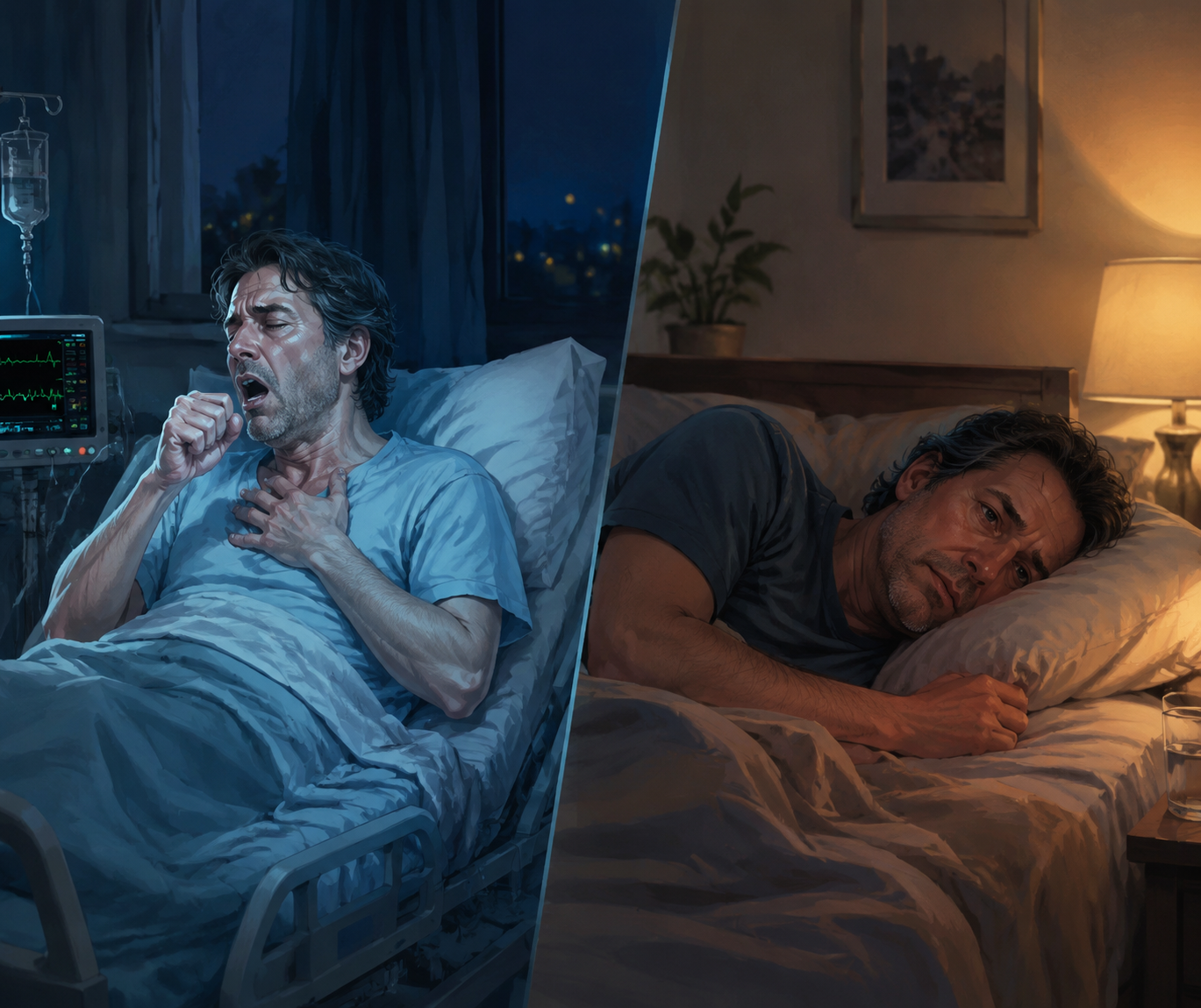
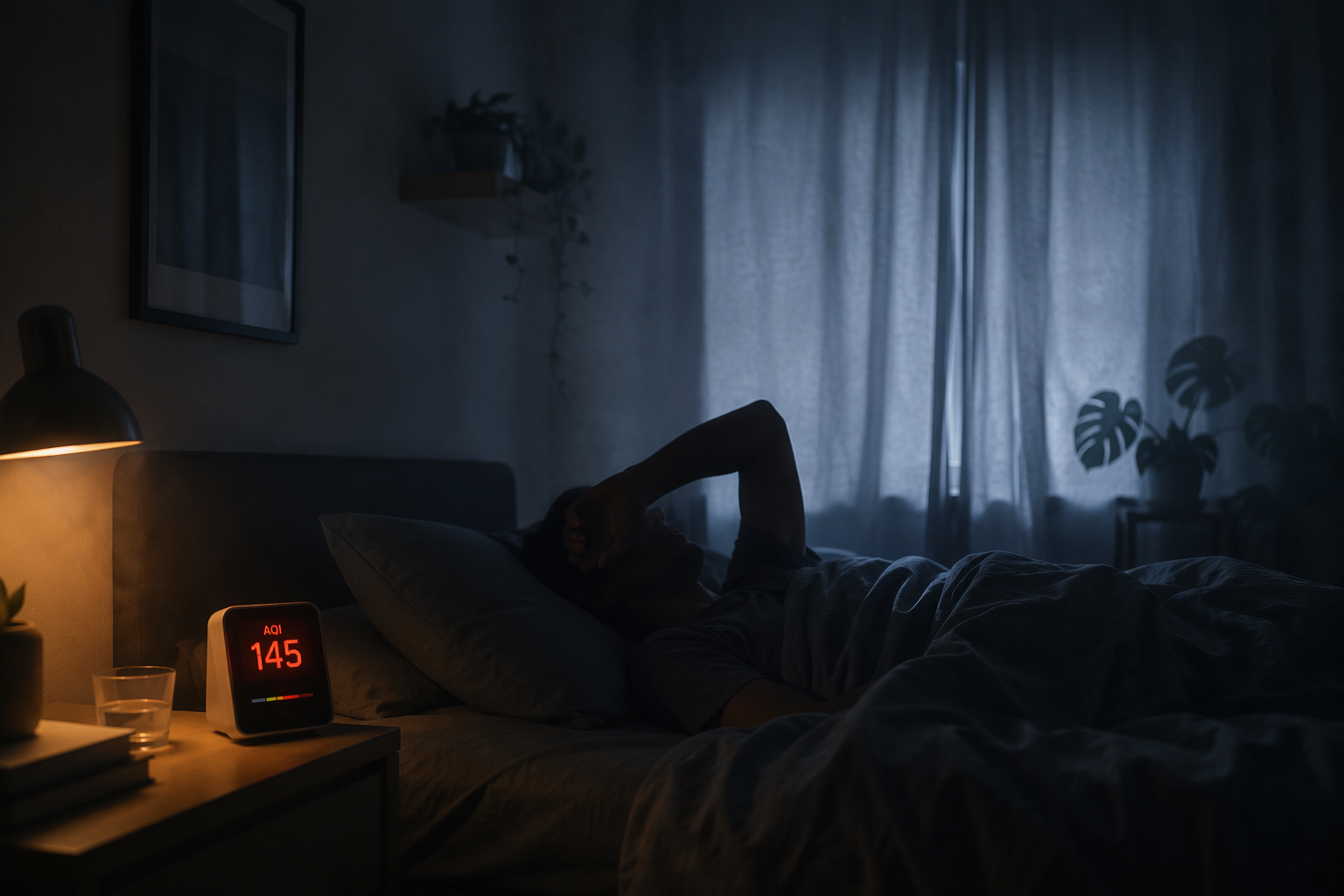
Sleep during Legionnaires' treatment is usually a different problem from sleep during recovery. In the first days, the work is mechanical: getting enough air, calming cough, finding a position that does not make the chest feel heavier, and surviving hospital interruptions if treatment is happening there. After the antibiotics are finished, the problem often shifts. The cough may be less dramatic, but fatigue, broken sleep timing, daytime crashes, anxiety, and unrefreshing sleep can keep running the night.
That distinction matters because the advice changes. During active illness, the priority is to make breathing and coughing easier without adding unsafe sedation. During recovery, the priority is to rebuild a stable sleep-wake rhythm while pacing activity carefully enough that rest does not turn into a cycle of overdoing and collapse.
The First Phase: Sleeping While the Infection Is Still Active
Legionnaires' disease is a severe form of pneumonia caused by Legionella bacteria. Treatment commonly involves antibiotics, and clinical summaries describe treatment courses that may last about 7 to 14 days depending on illness severity and the medication used.[1] Sleep during that window is rarely elegant. Fever, cough, shortness of breath, chest discomfort, medication timing, and hospital monitoring can all break the night into pieces.
The goal is not to force a perfect night's sleep while the lungs are inflamed. The more realistic goal is to reduce the avoidable strain: less coughing triggered by lying flat, fewer panicked position changes, fewer long periods of breathless wakefulness, and fewer unsafe attempts to knock yourself out.
Start With the Angle of the Body
For many people with pneumonia, lying flat makes cough and breathlessness worse. A practical starting point is to sleep with the upper body raised about 30 to 45 degrees, using a wedge pillow, an adjustable bed, or stacked pillows that support the back rather than only bending the neck. Pneumonia sleep guidance commonly recommends this type of head elevation to ease breathing and reduce coughing at night.[2]
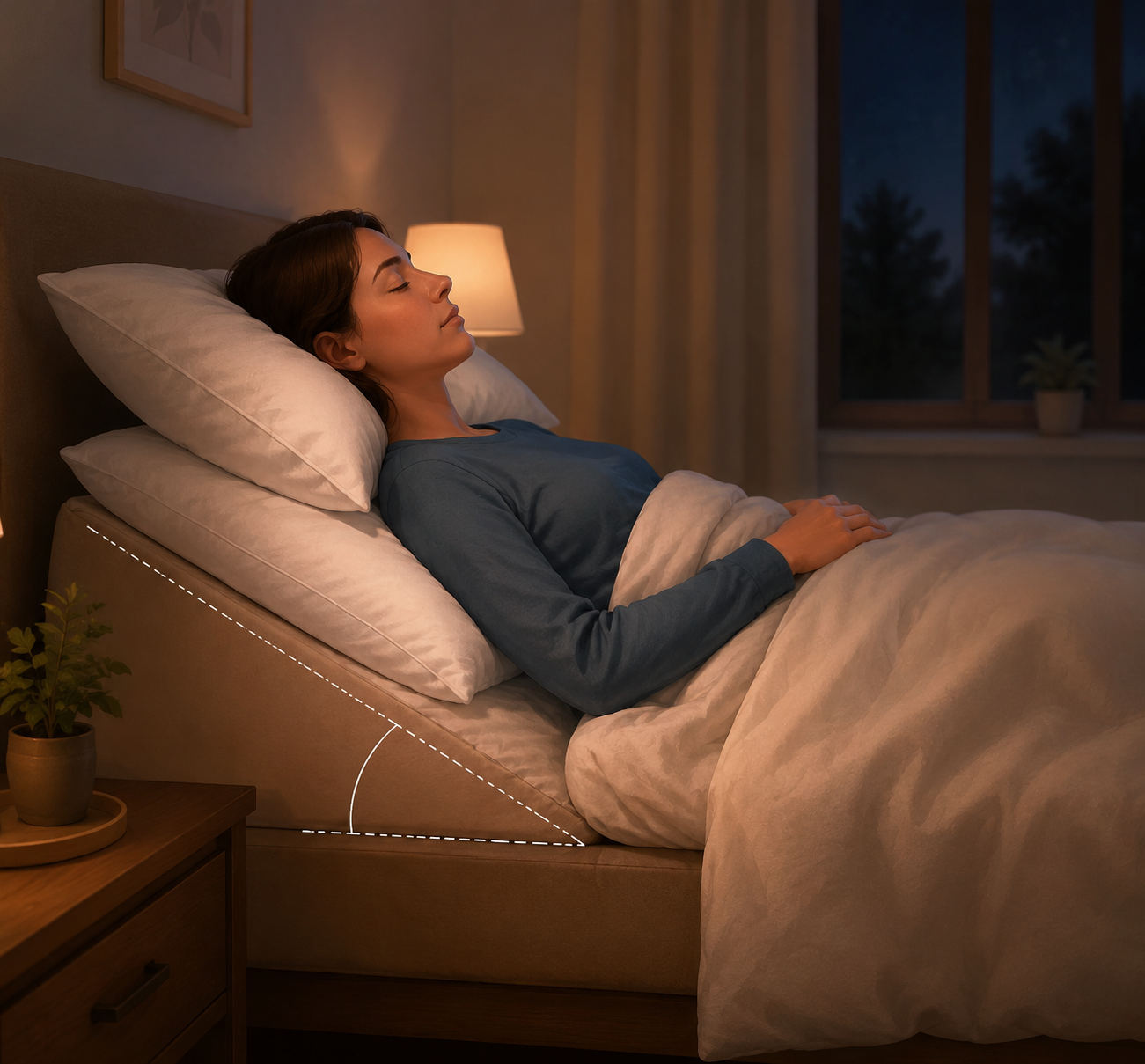
The setup matters. A tall pile under the head alone can fold the throat and strain the neck. Better support usually runs from the lower back through the shoulders, so the chest is lifted as one plane. If pillows slide during the night, a wedge, firm backrest, or recliner may be more stable for a few nights.
If breathlessness is worse on the back, side-lying may be easier. Cleveland Clinic lists shortness of breath, cough, fever, and muscle aches among common Legionnaires' disease symptoms, and those symptoms can make supine sleep feel threatening even when oxygen levels are being monitored.[1] Side-lying with the head elevated, a pillow between the knees, and another pillow hugged against the chest can reduce the effort of holding the torso steady.
| Nighttime problem | Low-risk adjustment to try | When to stop self-adjusting |
|---|---|---|
| Cough worsens when lying flat | Raise upper body about 30 to 45 degrees and support the back, not only the head | If coughing fits bring severe breathlessness, chest pain, blue lips, confusion, or faintness |
| Back sleeping feels breathless | Try side-lying with the head still elevated | If breathlessness is new, rapidly worsening, or not relieved by position |
| Dry air triggers coughing | Use a clean humidifier or gentle steam exposure if approved and tolerated | If humidity worsens wheeze, mold exposure is possible, or equipment cannot be cleaned |
| Hospital checks keep waking you | Ask whether some nonurgent care can be clustered without compromising safety | If monitoring is needed because breathing, blood pressure, oxygen, or infection status is unstable |
Use Moisture Carefully for Night Cough
A humidifier can make nighttime coughing less harsh when air is dry, but it is not automatically helpful. The machine has to be clean, the room should not become damp, and anyone with asthma-like wheeze or mold sensitivity should be cautious. In a hospital, ask before adding anything to the bedside environment. At home, empty and clean the humidifier as directed rather than letting standing water become another respiratory irritant.
Be Careful With Anything That Sedates
Alcohol, smoking, and unapproved sedating sleep aids are poor bargains during active Legionnaires' treatment. Alcohol can fragment sleep and may interact with medicines. Smoking irritates the airways. Sedating medications, including some over-the-counter sleep products, can be risky when breathing is already compromised or when other medications are being used. If sleep medication is needed, it should be cleared by the treating clinician, not added because another night feels unbearable.
If treatment is happening in the hospital, some awakenings are not optional. IV antibiotics, vital signs, oxygen checks, imaging, blood draws, and respiratory assessments may all interrupt sleep because the illness still needs watching. The useful question is not whether every interruption can disappear. It is whether nonurgent care can be grouped: medications, bathroom help, bedding changes, and routine checks timed so the patient is not woken five separate times for tasks that could safely happen together.
The Shift After Treatment: Rest Is Still Needed, but It Needs Shape
The end of antibiotics can feel like it should be the end of the illness. For some people, improvement is steady from there. For others, the lungs are quieter but the body still behaves as if the night was never long enough. Asthma + Lung UK describes pneumonia recovery as a process in which many symptoms improve over weeks, most symptoms are generally better by about 3 months, and full recovery may take up to 6 months, with tiredness commonly lingering.[3]
Legionnaires' survivors have a particular reason to take that tail seriously. In a Netherlands cohort of 122 survivors reported by Lettinga and colleagues, 75% reported persistent fatigue and 66% reported neurologic symptoms at 17 months after infection; 15% had symptoms consistent with post-traumatic stress disorder.[4] That study is old, and it should not be treated as a precise prediction for every patient treated in 2026. It remains important because it documents what many recovery timelines understate: prolonged fatigue after Legionnaires' disease is not automatically a character flaw, laziness, or poor sleep hygiene.
This is the point where generic advice to “sleep whenever you can” can start to fail. In the acute phase, extra sleep is often simply necessary. In the recovery phase, repeated unplanned daytime collapse can push nighttime sleep later, reduce morning light exposure, weaken the body's time cues, and make the next day more unstable. The person is still exhausted, but the day has lost its rails.
Use Pacing Instead of Waiting for a Crash
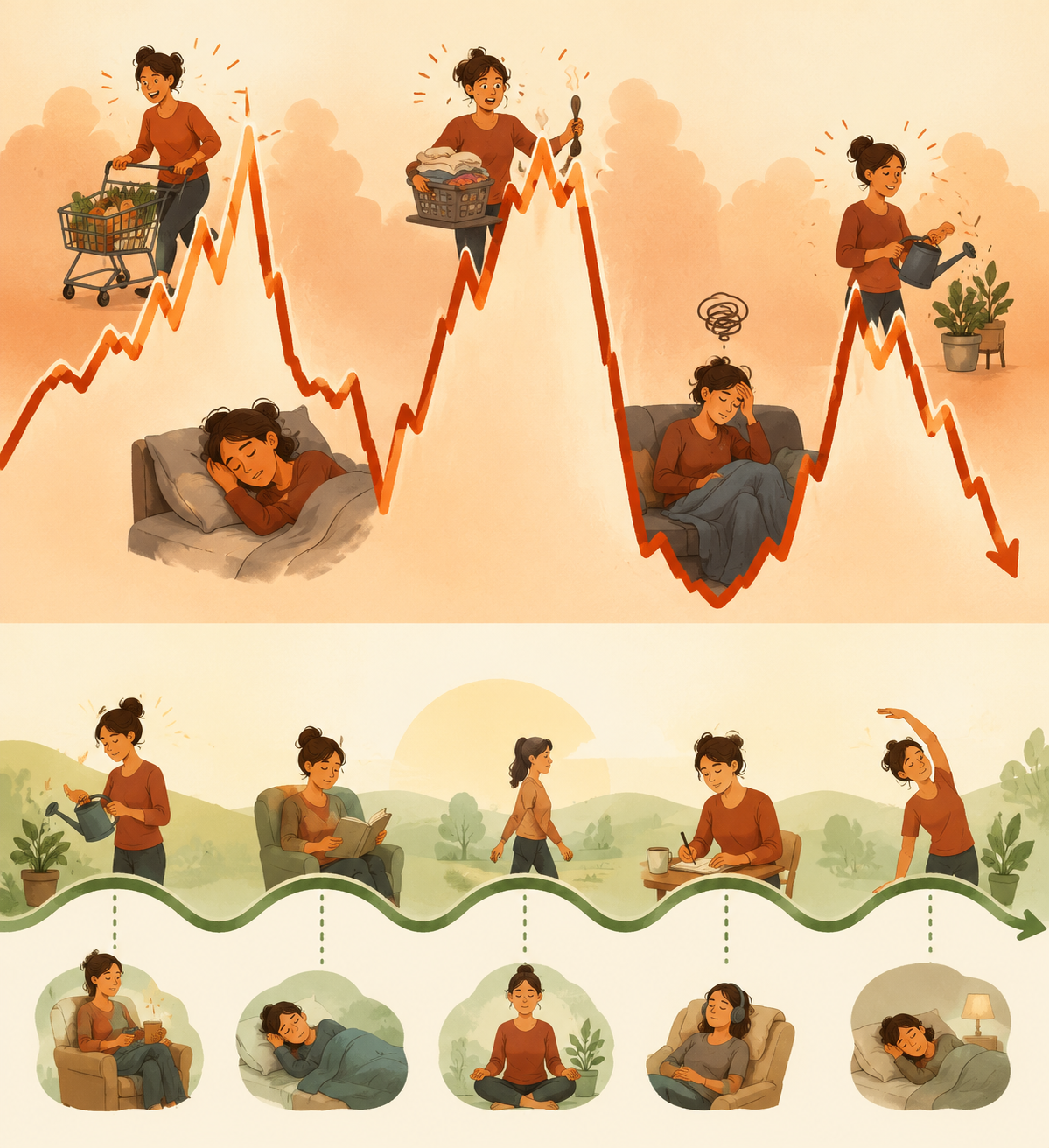
Pacing is not the same as doing nothing. It means choosing activity and rest before symptoms make the decision for you. North Bristol NHS Trust's post-viral fatigue guidance, developed with BACME, emphasizes balancing activity with rest, avoiding boom-bust cycles, and using planned rest rather than repeatedly pushing until symptoms flare.[5] This is not Legionnaires'-specific sleep research; it is a careful bridge from post-infectious fatigue management to a recovery problem that many Legionnaires' patients recognize.
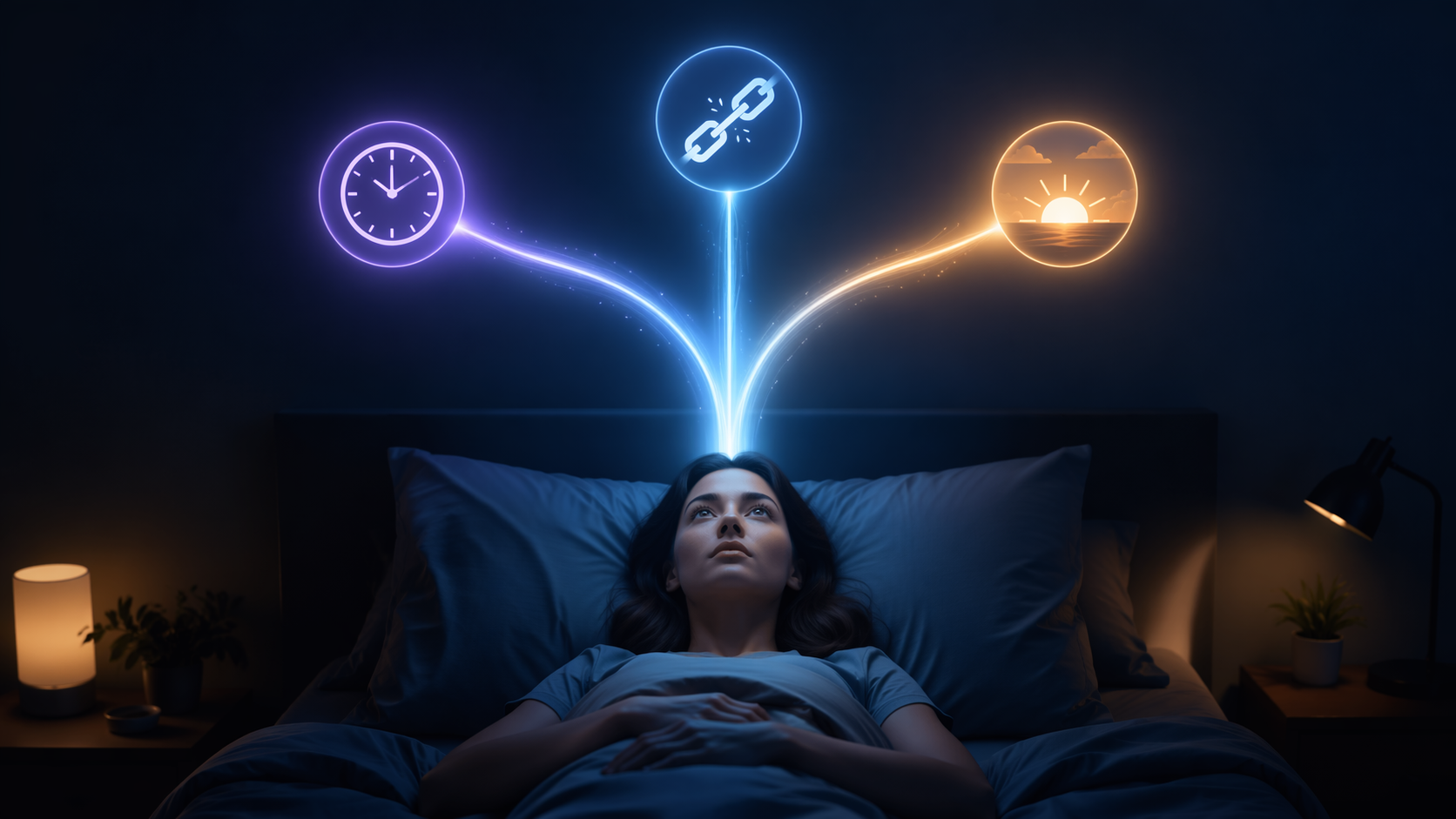
A useful recovery day has anchors. The wake time is fairly consistent. Meals happen at roughly predictable times. Activity is broken into small blocks. Rest is scheduled before the body demands it. The nap, if needed, is short enough and early enough that it does not steal the next night's sleep.
- Set one wake time you can keep most days, even if the night was imperfect.
- Get morning light soon after waking, outdoors if possible or near a bright window if not.
- Plan the first activity block before you feel ambitious; stop while you still have some reserve.
- Use one planned nap or rest period rather than several accidental collapses.
- Increase activity only after several stable days, not after one unusually good morning.
North Bristol's post-viral fatigue guidance allows for daytime sleep when needed but recommends keeping naps short, commonly around 20 to 30 minutes, and avoiding late-day sleep that interferes with the night.[5] That difference is small on paper and large in real life. A planned 25-minute nap after lunch protects the day. Falling asleep for long, irregular stretches at 5 p.m. often damages the night and makes the next morning harder.
Rebuild Strength Without Spending the Whole Day's Energy
After pneumonia, physical weakness and shortness of breath can persist even when the infection is improving. Houston Methodist advises gradually regaining strength after pneumonia with slow increases in activity, attention to breathing, hydration, nutrition, and not rushing back to normal workloads.[6] For sleep recovery, the important part is timing. Too little movement can leave the body deconditioned and restless at night. Too much can produce a delayed crash that looks like insomnia, anxiety, or a flu-like relapse.
A conservative starting point is to pick one repeatable activity that does not provoke a major symptom flare: walking to the mailbox, sitting outside for a few minutes, preparing a simple meal with breaks, or doing a short breathing or mobility routine approved by the care team. Keep it boring enough that you can repeat it tomorrow. Recovery is not measured by the most impressive thing done on a good day; it is measured by what can be done without paying for it all night.
Protect the Morning, Even After a Bad Night
Hospitalization can scramble sleep architecture: lights, alarms, pain, fever, oxygen checks, and medication schedules teach the body to expect interruption. At home, the repair work starts with morning cues. A consistent wake time and morning light exposure help re-establish the circadian rhythm that tells the body when to be alert and when to become sleepy.
This does not mean pretending the night was fine. It means keeping the first hour of the day stable enough that the body receives a clear signal. Wake, open curtains, take morning medications as prescribed, eat something tolerable if appetite allows, and delay the first nap long enough that it remains a nap rather than a continuation of the night. If symptoms are severe, the morning routine can happen from a chair or bed; it still counts as a time cue.
A Practical Night-and-Day Plan for the Recovery Phase
The plan does not need to be complicated. It needs to be consistent enough to show patterns. For one week, write down wake time, nap time, bedtime, cough or breathlessness at night, activity blocks, and any crash the next day. The point is not to create a perfect health diary. It is to find the dose of activity and rest that your body can repeat.
| Time of day | What to do | Why it matters for sleep |
|---|---|---|
| Morning | Wake at a consistent time and get light exposure | Rebuilds the body's day-night signal after fragmented illness or hospitalization |
| Late morning or early afternoon | Do one small planned activity block | Prevents deconditioning without spending the whole day's energy early |
| Early afternoon | Take a planned 20-30 minute nap if needed | Supports fatigue without turning daytime sleep into the main sleep period |
| Late afternoon | Avoid major catch-up exertion after a low-energy day | Reduces delayed crashes that can disrupt the night |
| Evening | Return to breathing-friendly positioning and a quiet wind-down | Keeps residual cough or breathlessness from becoming the center of the night |
Caregivers can help most by protecting the pattern rather than policing it. That may mean setting up the wedge before bedtime, cleaning the humidifier, moving water and medications within reach, asking clinicians whether nighttime care can be clustered, and not waking someone from a planned nap for a nonurgent question. It may also mean noticing when encouragement has slipped into pressure. A recovering person who is already rationing breath and energy does not need to be talked into proving they are improving.
When Poor Sleep Is No Longer Just Recovery
Some sleep disruption is expected after a severe pneumonia. But expected does not mean harmless forever. The same Netherlands survivor cohort that found prolonged fatigue also reported PTSD symptoms in 15% of survivors at 17 months, a reminder that some sleeplessness is driven by fear, intrusive memories, panic on waking, or dread of breathlessness rather than by pillow angle.[4]
New snoring, witnessed pauses in breathing, gasping awake, or morning headaches should also be treated differently from ordinary post-pneumonia tiredness. Those symptoms deserve screening for sleep-disordered breathing, especially if they began after the illness or became much worse during recovery. A person should not keep raising the pillows higher and higher while a new breathing problem goes unevaluated.
Persistent unrefreshing sleep and disabling fatigue beyond 6 months without improvement also deserve medical attention. Population-based research published in 2024 linked pneumonia with an increased risk of chronic fatigue syndrome, reporting an adjusted hazard ratio of 1.4.[7] That does not mean most people with pneumonia will develop ME/CFS, and it does not prove that any one person's fatigue has a single cause. It does mean prolonged, non-improving exhaustion should not be dismissed as impatience.
Research is still catching up with what survivors describe. The Swiss LongLEGIO matched cohort study is investigating longer-term outcomes after Legionnaires' disease compared with other bacterial pneumonias, with baseline findings published and 12-month follow-up still pending.[8]
Sleep disruption can be part of both phases of Legionnaires' disease. New gasping or snoring, trauma-like awakenings, or persistent unrefreshing sleep beyond 6 months without improvement belongs in a clinical conversation, not in another private experiment with pillows, naps, or willpower.
References
- Legionnaires' Disease: Causes, Symptoms & Treatment, Cleveland Clinic, https://my.clevelandclinic.org/health/diseases/17750-legionnaires-disease
- How To Get A Good Night's Sleep When You Have Pneumonia, HealthMatch, https://healthmatch.io/pneumonia/how-to-sleep-with-pneumonia
- Recovering from pneumonia, Asthma + Lung UK, https://www.asthmaandlung.org.uk/conditions/pneumonia/recovery
- Prognosis and Outcome, Legionella.org, https://legionella.org/about-the-disease/what-is-legionnaires-disease/prognosis-and-outcome/
- Post-viral fatigue: a guide to management, North Bristol NHS Trust, https://www.nbt.nhs.uk/our-services/a-z-services/bristol-me-service/post-viral-fatigue-a-guide-management
- How to Regain Strength After Pneumonia, Houston Methodist, https://www.houstonmethodist.org/blog/articles/2021/jun/how-to-regain-strength-after-pneumonia/
- Pneumonia and the risk of chronic fatigue syndrome: A population-based cohort study, ScienceDirect, 2024, https://www.sciencedirect.com/science/article/pii/S1876034124002296
- Long-term sequelae of Legionnaires' disease: protocol and baseline characteristics of the LongLEGIO matched cohort study, Swiss Medical Weekly, 2025, https://smw.ch/index.php/smw/article/view/4333/6266

Comments
Join the discussion with an anonymous comment.