
“Rest” is the instruction nearly everyone hears after a concussion. It is also the instruction most likely to collapse under real life. A patient lies in a dark room with a headache and cannot fall asleep. A spouse keeps the house quiet and wonders whether another long nap is helping or signaling trouble. A clinician says something careful, and by the time it reaches the refrigerator door it has become: take it easy.
The problem is not that rest is wrong. The problem is that sleep during concussion recovery is doing something more specific than “downtime.” After a concussion, the brain is managing a neurometabolic disruption: ions shift, energy demand rises, neurotransmitter systems are disturbed, and inflammatory signaling can remain active. Donahue and Resch describe concussion as an injury that changes the sleeping brain itself, not merely an event after which sleep would be nice if the patient can get it.[1]
That matters because sleep problems after concussion are common enough that they should not be treated as a failure of discipline. Concussion Alliance reports that up to 70% of concussion patients describe changes in sleep quality or quantity after injury.[2] The practical question, then, is not simply “How many hours should I sleep?” It is: what can the injured brain do during sleep that it cannot do as well while awake, even if the person is lying still?
Sleep Is an Active Repair State, Not a Softer Word for Rest
Quiet wakefulness reduces stimulation. That can matter when light, noise, reading, driving, work, and conversation intensify symptoms. But sleep changes the brain’s operating conditions. During sleep, especially deeper non-rapid eye movement sleep, the brain enters a state in which fluid movement, electrical activity, neuromodulator tone, and immune signaling differ from waking life.
That distinction is important after concussion because the injured brain is not simply tired. It is trying to restore balance after a cascade. Donahue and Resch describe the acute concussion process as involving ionic flux, including elevated extracellular potassium and altered calcium dynamics, alongside neurotransmitter release, metabolic stress, and changes in arousal systems.[1] Those details can sound far away from the bedside, but they explain why a patient can be exhausted and still unable to sleep normally.
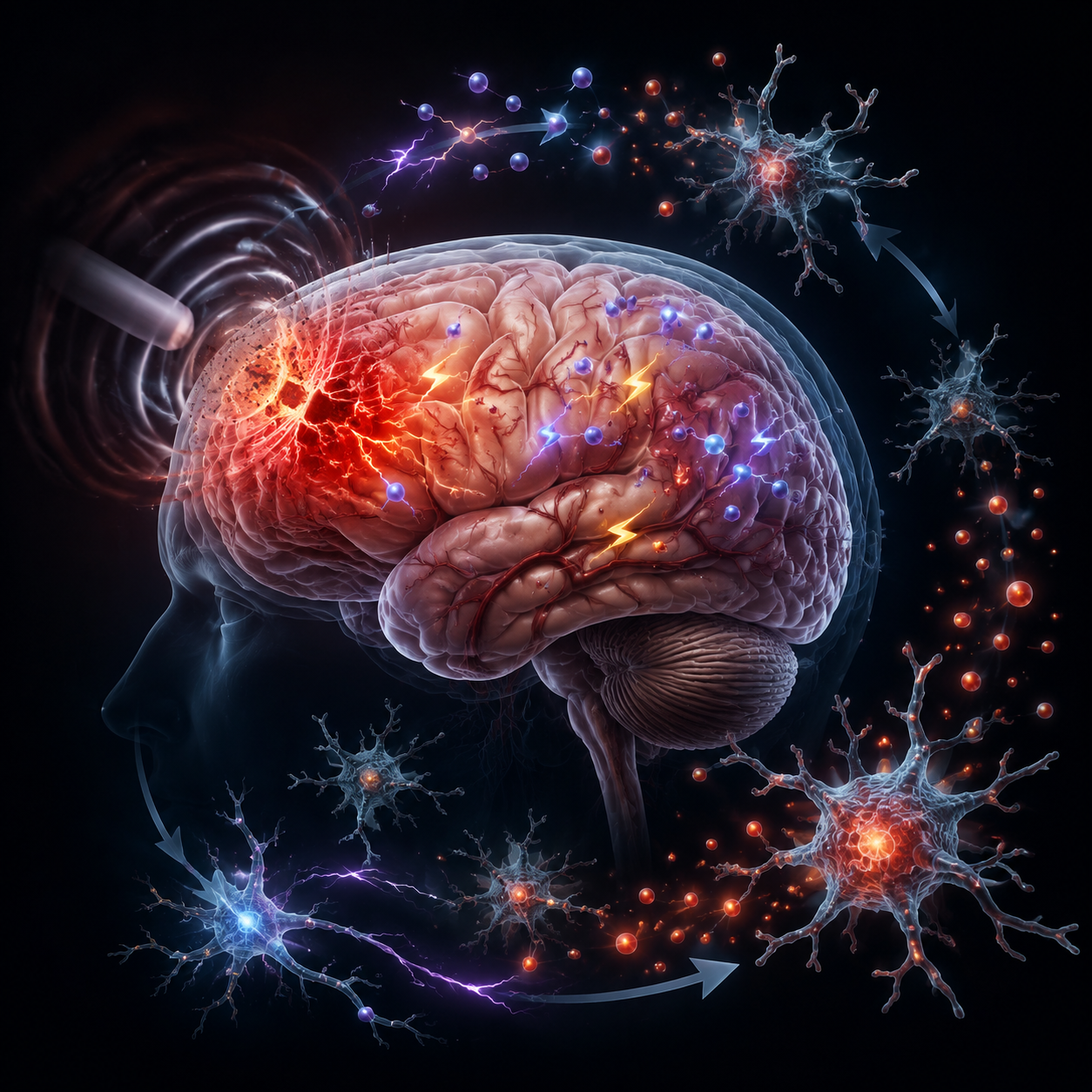
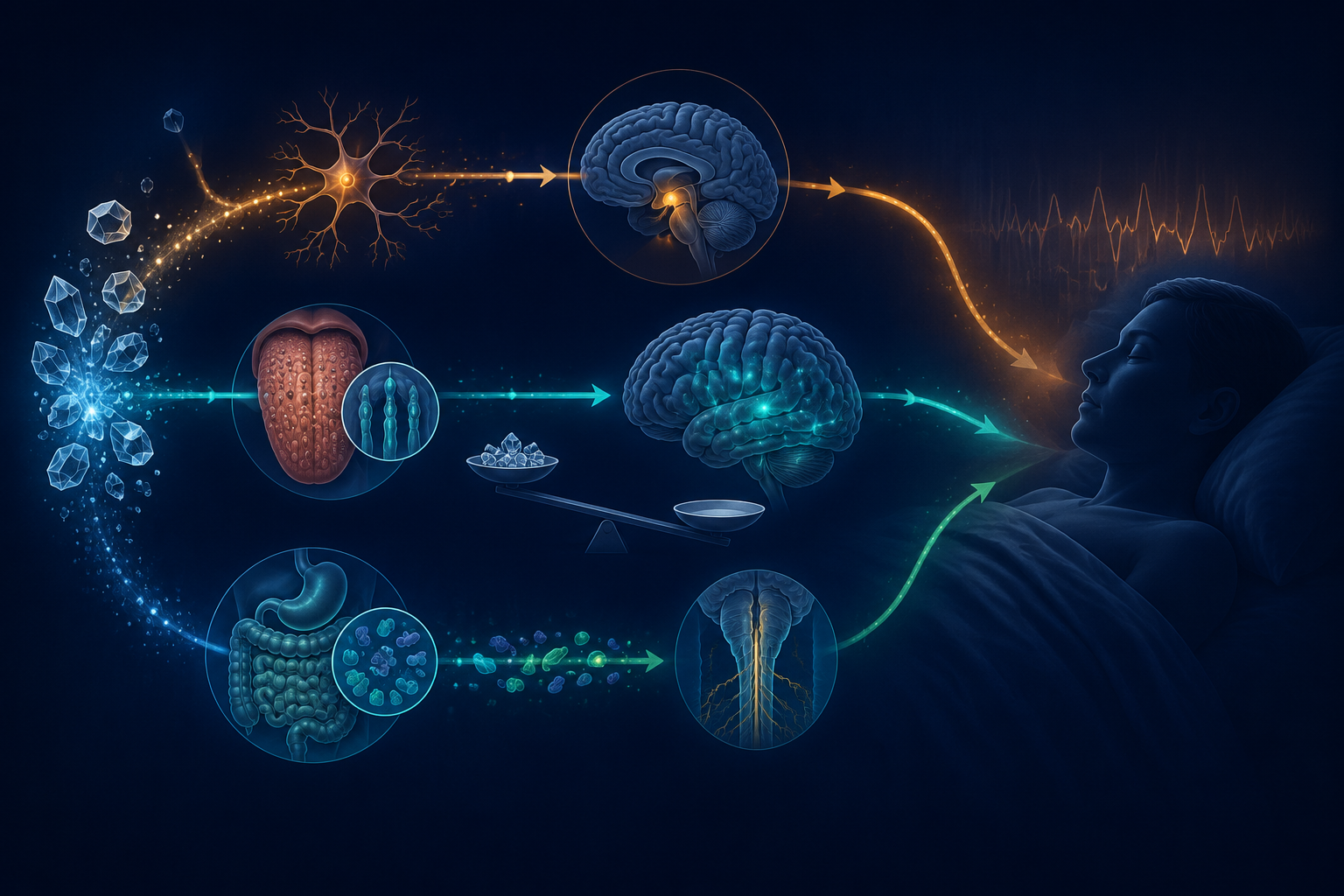
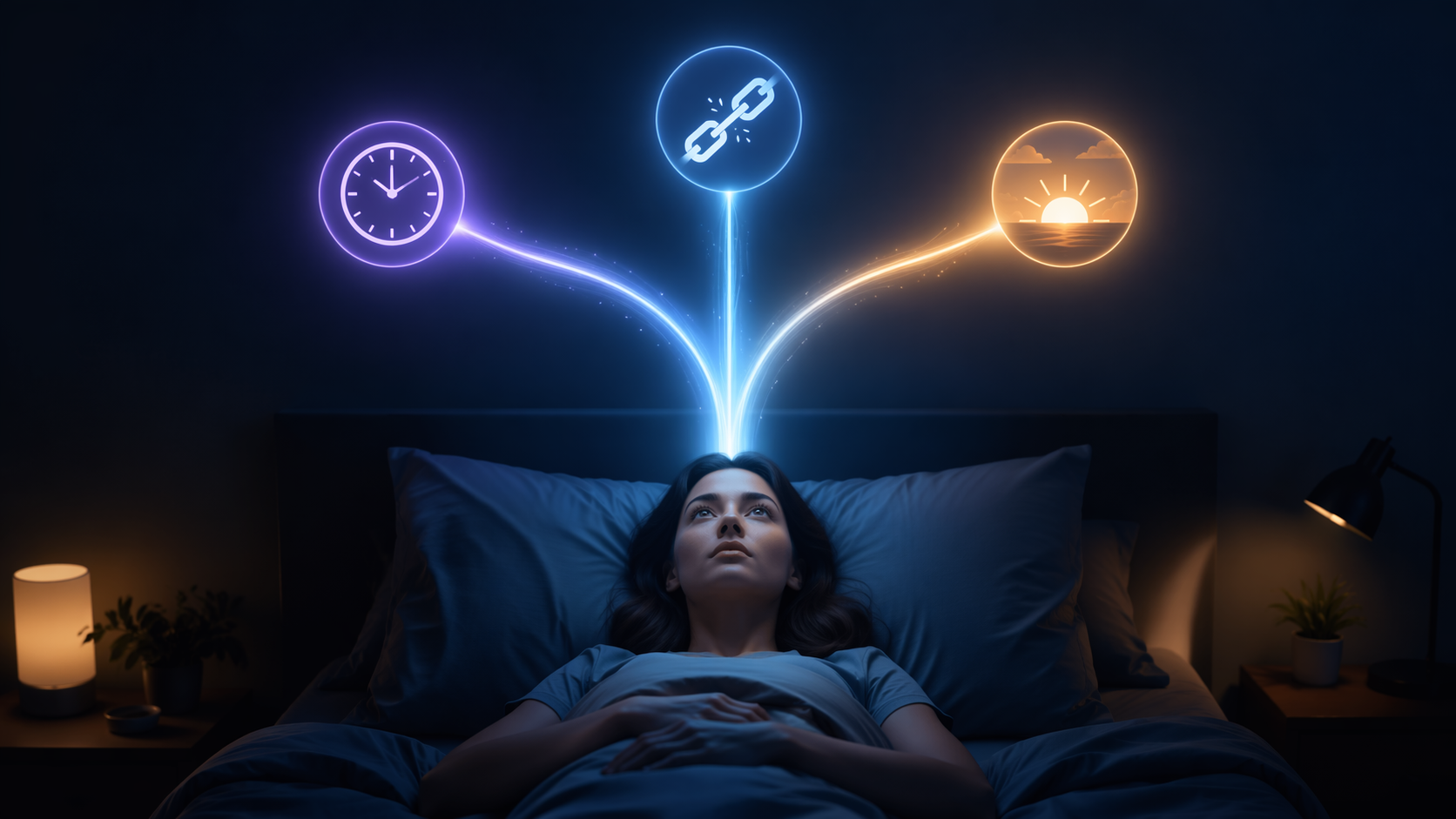
A useful way to think about sleep after concussion is to separate three linked jobs: clearing metabolic waste, restoring ionic and energy balance, and reducing the conditions that keep inflammatory signaling active. These jobs are not neatly isolated in the brain, but separating them makes the advice to sleep less vague.
| During sleep | Why it matters after concussion |
|---|---|
| Glymphatic fluid movement increases, especially during deep NREM sleep | The brain has better conditions for clearing metabolic waste products that accumulate during injury and wakefulness |
| Neural activity and arousal chemistry shift away from the waking state | The injured brain gets a better chance to correct ionic imbalance and reduce metabolic strain |
| Noradrenaline tone falls during healthy sleep | Lower noradrenaline supports glymphatic flow and may reduce inflammatory signaling pathways described after concussion |
Clearing Waste Through the Glymphatic System
The brain does not have a conventional lymphatic drainage system inside its tissue in the way many other organs do. One of its clearance routes is the glymphatic system, a fluid-transport pathway in which cerebrospinal fluid moves along perivascular spaces, exchanges with interstitial fluid, and helps remove metabolic waste from brain tissue. The Frontiers in Neuroscience review on mild traumatic brain injury describes this system as a key pathway for waste clearance and fluid homeostasis after mild TBI.[3]
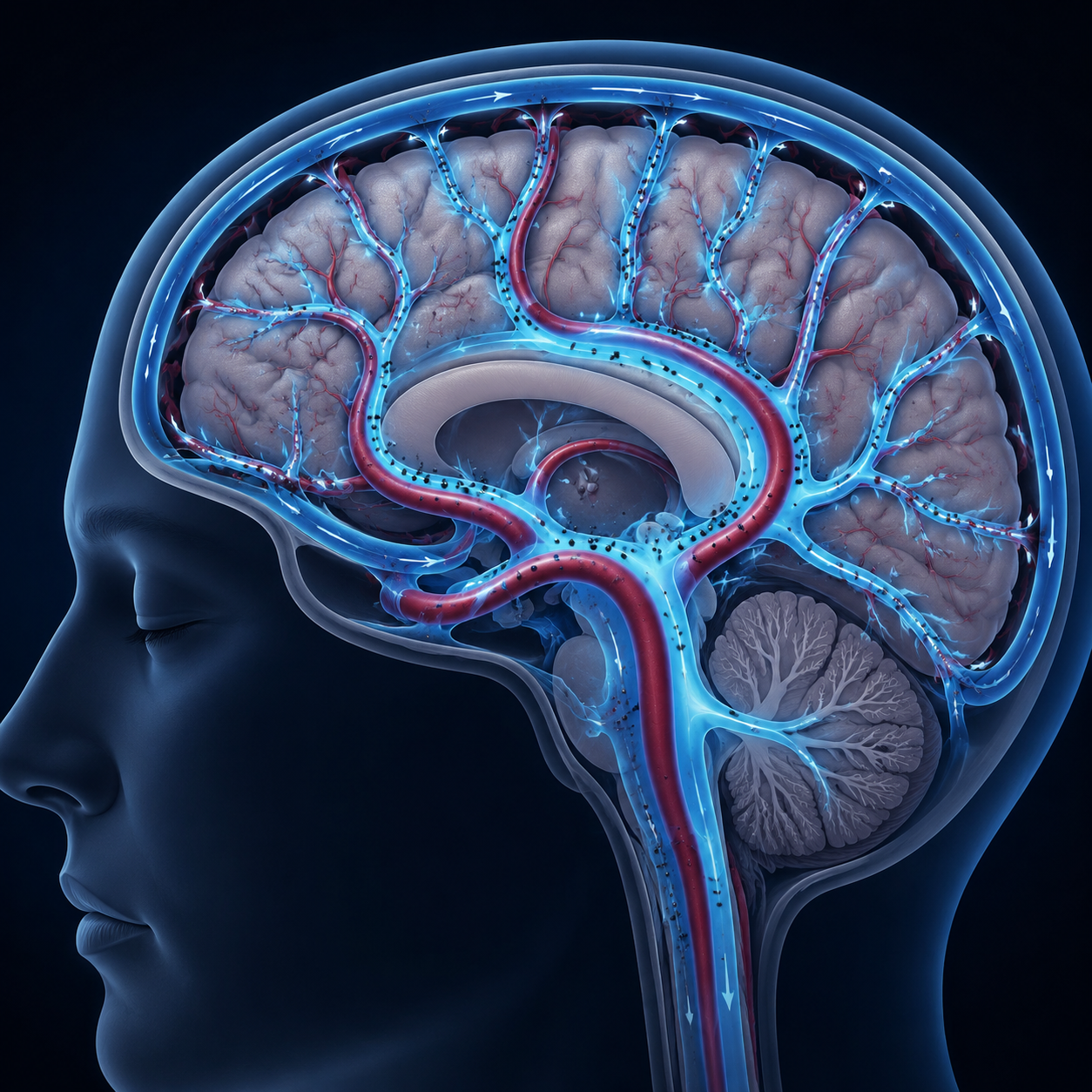
This is where deep NREM sleep becomes biologically concrete. Donahue and Resch report that glymphatic activity increases by 80–90% during deep NREM sleep.[1] That number should not be read as a promise that one good night produces a fixed percentage improvement in symptoms. It means the brain’s waste-clearance machinery appears to be much more active under certain sleep conditions than during waking conditions.
After concussion, that matters because the injury sets off a neurometabolic cascade. Cells work to restore ionic gradients. Energy demand rises. Byproducts of cellular activity and injury-related processes must be cleared. The glymphatic system is one plausible route by which sleep helps the brain move away from the chemical aftermath of injury, especially when deep NREM sleep is preserved.
The evidence deserves a careful boundary. Much of the glymphatic literature still leans on animal models and translational work, with human evidence continuing to develop. The mechanism is strong enough to change how seriously sleep is treated after concussion, but not strong enough to justify selling sleep as a guaranteed stand-alone treatment or a way to self-manage complicated symptoms without clinical care.
Moving Out of a Wakefulness-Like Ionic State
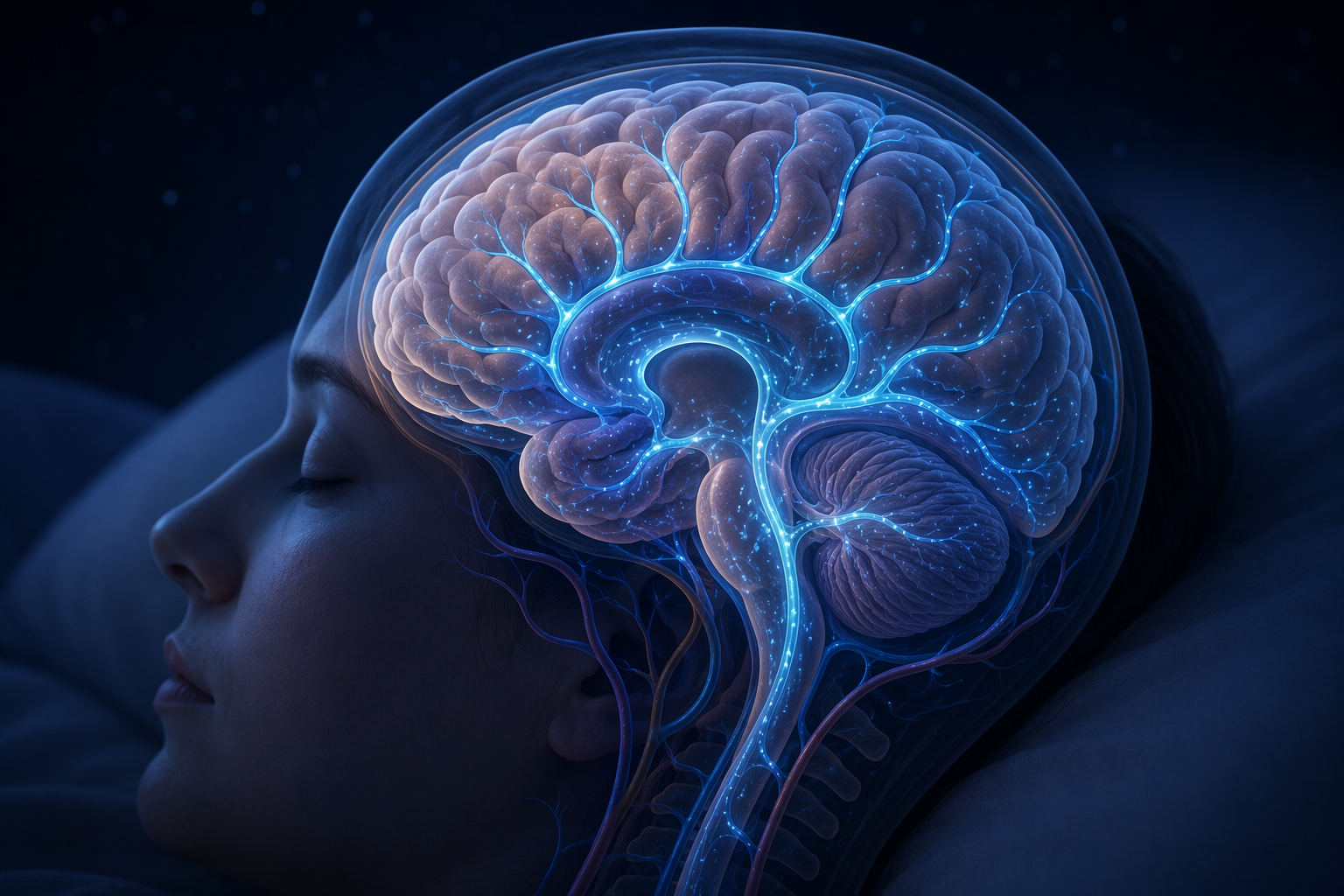
One cruel feature of concussion is that the same injury that increases the need for sleep can also make sleep harder to enter. Donahue and Resch point to a specific physiological contradiction: the ionic changes after concussion resemble features of the waking brain. In their review, concussion-related ionic flux includes increased extracellular potassium and reduced calcium availability, while similar ionic conditions help sustain wakefulness.[1]
For the person in bed, this does not feel like potassium or calcium. It feels like being wired, uncomfortable, headachy, sensitive, or unable to cross the threshold into sleep despite exhaustion. That experience is easy to misread as anxiety alone or poor sleep habits alone. Anxiety and habits may contribute, but the injury itself can push the brain toward a state that is physiologically unfriendly to sleep onset.
This is one reason generic advice can sound accusing. If the instruction is only “get more sleep,” the patient who cannot sleep may feel as if recovery is being withheld by personal failure. The mechanism suggests something more precise: protecting sleep after concussion includes reducing the load on a brain that may already be stuck closer to wakefulness than the body wants it to be.
A quieter evening, a darker room, fewer symptom-provoking tasks, and a consistent sleep window are not magic. They are ways of refusing to add more arousal and sensory demand to a nervous system already struggling to shift state. The biological target is not virtue. It is giving the injured brain fewer reasons to remain activated.
Lowering Noradrenaline’s Interference
Noradrenaline is one of the chemicals that helps organize arousal and alertness. During healthy sleep, noradrenaline tone falls. That drop appears to matter for glymphatic function because high noradrenaline narrows the conditions under which fluid can move efficiently through perivascular spaces. Donahue and Resch describe injury-driven noradrenaline release as suppressing glymphatic activity by reducing perivascular space.[1]
They also connect noradrenaline to inflammatory signaling after concussion. In their review, noradrenaline can bind to pro-inflammatory α2A receptors on activated microglia, potentially perpetuating inflammatory pathways and sleep disruption.[1] That does not mean every post-concussion sleep problem is inflammation, or that lowering noradrenaline is a simple home project. It means the sleep-wake system and the immune response are not separate stories.
This is why fragmented sleep can be so punishing after a head injury. The issue is not only that the person feels miserable the next day. If sleep is shallow, short, or repeatedly interrupted, the brain may spend less time in the physiological conditions that support glymphatic clearance and calmer neuroimmune signaling. The consequence is not always visible from the outside. The house can be quiet while the brain remains chemically busy.
Why More Sleep Is Not Always a Simple Answer
If sleep is this important, it is tempting to turn the mechanism into a rule: sleep as much as possible. Recovery is rarely that tidy. After concussion, some people develop insomnia, some sleep much longer than usual, some nap unpredictably, and some alternate between exhaustion and nighttime wakefulness. MSKTC reports that sleep disorders are three times more common in people with TBI than in the general population, and that nearly 60% experience long-term sleep difficulties.[4]
Those figures cover traumatic brain injury broadly, not only uncomplicated adult concussion, so they should not be used to predict one person’s course. They do make one point hard to avoid: post-injury sleep changes are common enough to track and discuss, not dismiss.
The useful behavioral shift is modest but important. Sleep should not be squeezed in after symptoms improve, as if it were a reward for doing better. It should be treated as one of the recovery conditions being protected from the start. That means noticing patterns: trouble falling asleep, repeated awakenings, unusually long sleep, naps that disrupt nighttime sleep, morning headaches, worsening symptoms after poor sleep, or a sleep schedule that becomes progressively more irregular.
Tracking does not need to become surveillance. A simple note of bedtime, wake time, naps, symptom changes, and medications or caffeine can give a clinician more useful information than a vague report of “bad sleep.” The point is to make sleep visible enough that it can be managed medically when needed.
What This Changes During Recovery
Understanding the biology changes the status of sleep. It is no longer a soft lifestyle suggestion next to the “real” recovery plan. It is part of the plan because deep sleep changes fluid clearance, arousal chemistry, ionic regulation, and inflammatory context in ways waking rest does not fully reproduce.
It also changes the tone of the advice. A patient who cannot sleep after concussion does not need scolding. They may need symptom control, medication review, screening for sleep disorders, guidance about return to activity, or help managing headache, mood, light sensitivity, or circadian disruption. Sleep is non-negotiable as a recovery condition, but the path back to normal sleep may require clinical help.
Persistent insomnia, major hypersomnia, worsening headaches, new neurological symptoms, breathing problems during sleep, severe mood changes, or sleep disruption that does not improve after a concussion deserve clinician involvement. The mechanisms make sleep important; they do not make it a self-prescribed cure.
References
- Concussion and the Sleeping Brain, PMC, 2024.
- Sleep and Sleep Problems, Concussion Alliance.
- Glymphatic system and mild traumatic brain injury, Frontiers in Neuroscience, 2025.
- Sleep Problems After TBI, MSKTC TBI Model Systems.
Comments
Join the discussion with an anonymous comment.