Sleeping through a thunderstorm warning is not the same as surrendering to it. The real problem is the one at 1 a.m.: you want enough rest to function, but you also want the part of you that would act if the weather turns worse. That matters, because nighttime tornadoes are nearly twice as deadly as daytime ones, with 34% of tornado deaths occurring at night and a 2.4x higher per-storm fatality rate [1].
Start with the alert that should wake you
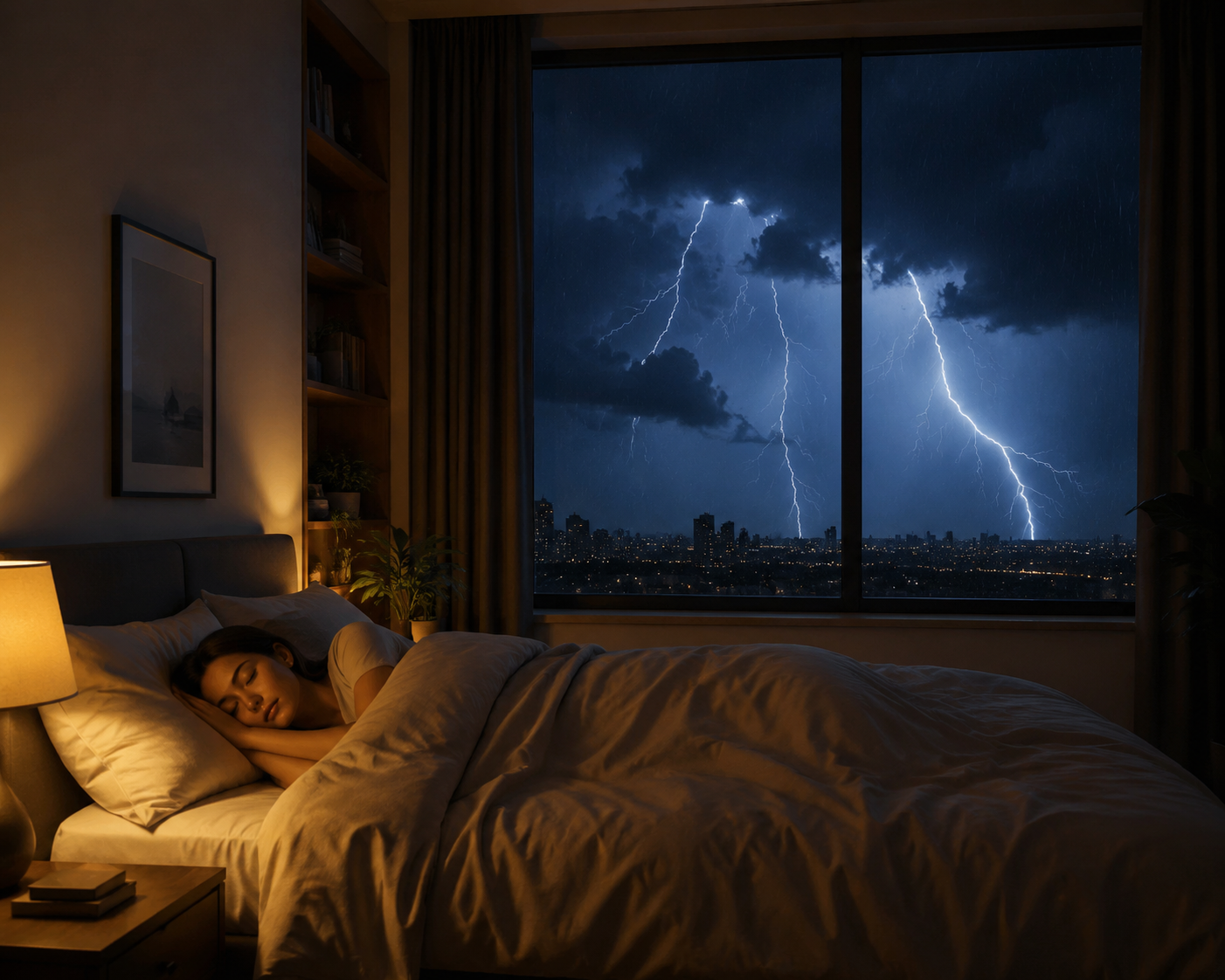
The first decision is not how to fall asleep; it is which alerts deserve to interrupt sleep. Treat watches and warnings differently. A watch means conditions are becoming favorable. A warning is the one that should wake you, because it is the alert you can act on from bed. Build the overnight system around that line, not around every distant storm ping.
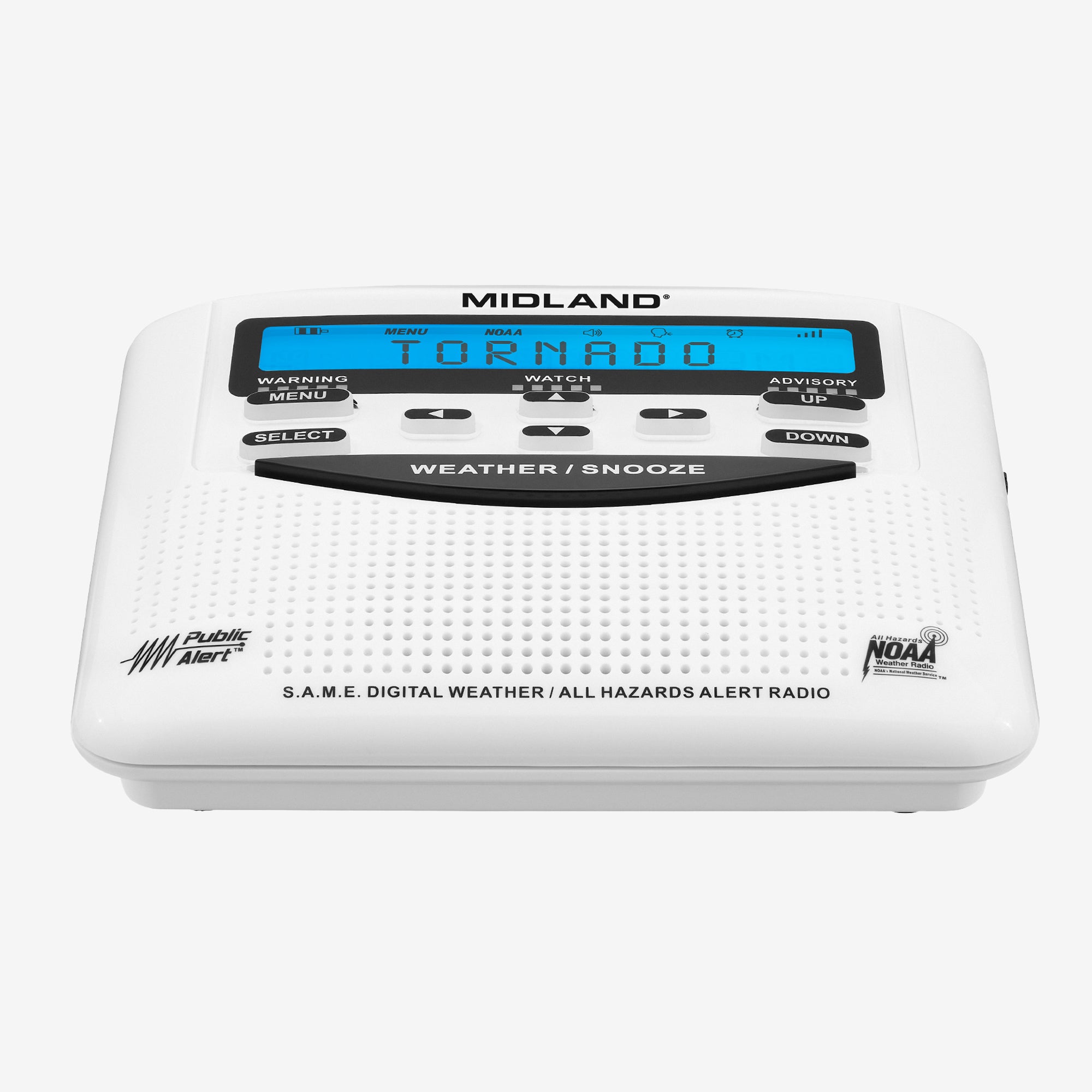
- Keep a NOAA weather radio on and programmed for your county.
- Allow smartphone alerts that are meant to wake you for warning-level events.
- Do not depend on a neighborhood siren to wake you indoors.
Put the room on your side
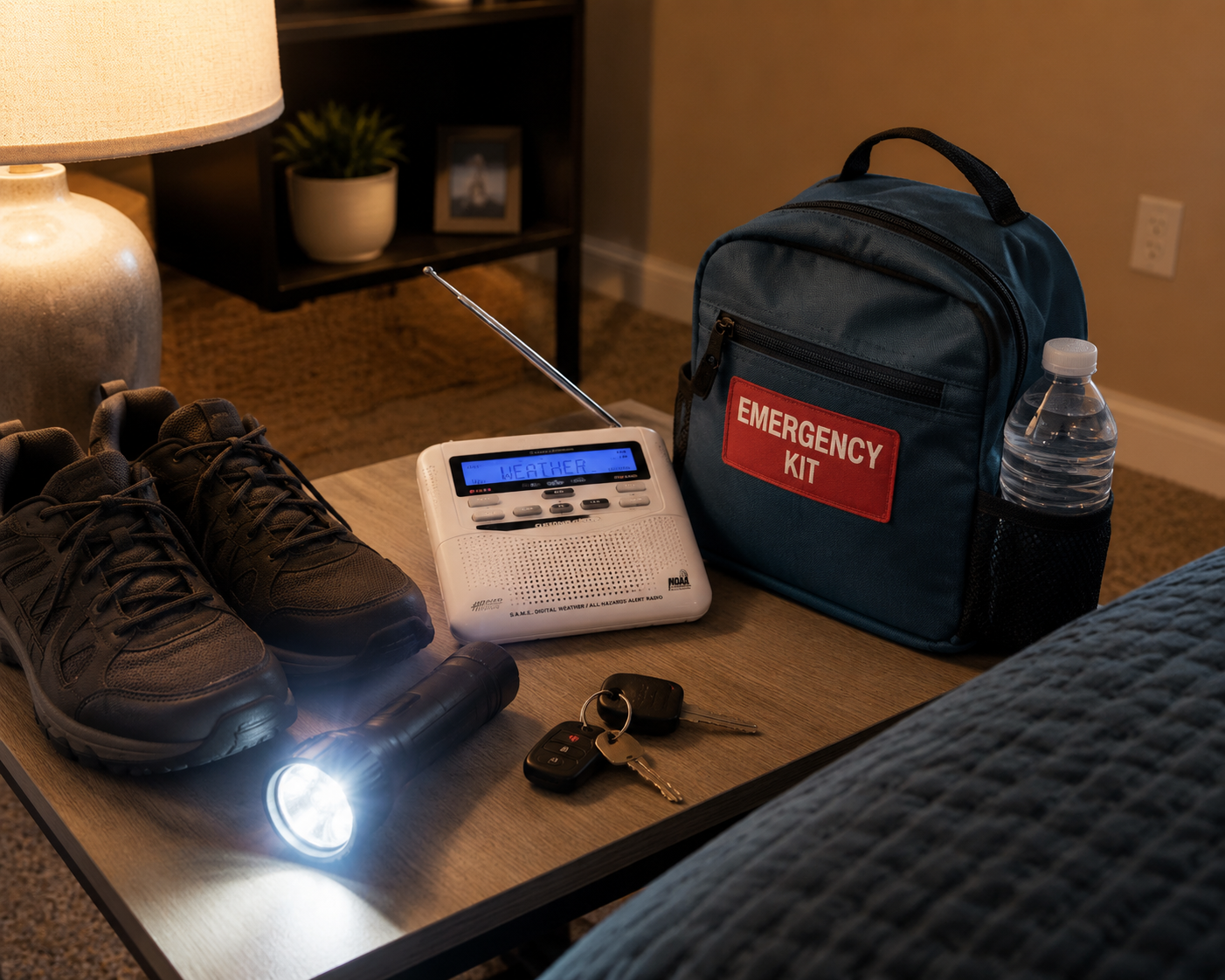
Before you lie down, choose the safest sleeping spot you can actually use. An interior room beats an exterior wall, and a bed away from windows beats one beside the glass. Put on the floor or bedside table the things your sleepy brain will forget: shoes, flashlight, phone charger, keys, and a go-bag if you use one. If the warning comes, you should be able to stand up and move without hunting for anything.
Mask sound without masking danger
A storm room does not need silence. It needs sound that is steady enough to blunt the startle of sharp thunder and keep the night from breaking into fragments. That is where brown or pink noise can help some people, but the evidence is not clean. Penn Medicine reported that pink noise at 50 dB reduced REM sleep by about 19 minutes in a recent study, and earlier work had pointed in the other direction, so it is better to treat masking as a tool for reducing reactivity than as a guaranteed sleep fix [2].
If you use masking, keep it low enough that a warning tone can cut through, and avoid setups that make the room so sealed off that you cannot hear the device meant to wake you. The point is calmer sleep, not an acoustic bunker.
Let anxiety cool without going offline
The final layer is mental, but it should come after the hardware is ready. Storm warnings activate the brain's salience network, insula, and frontal cortex, and people with trauma exposure can stay sensitized longer [5]. A written forecast or weather update is usually less activating than televised coverage because it lacks the emotional audio and visual cues that keep the body revved [6].
For some sleepers, a weighted blanket can make the bed feel more containing. One adult study in people with psychiatric disorders reported greater odds of insomnia improvement and a 42.2% remission rate, but Harvard Health noted that objective actigraphy did not show a significant change, which is a good reminder that the benefit may be partly subjective [3][4]. That makes a weighted blanket an optional comfort layer, not the backbone of a storm plan.
A 2014 Ball State survey found about 8% of adults met astraphobia criteria and roughly 10% rated severe weather phobia at the extreme or quite-a-bit level, though the sample was modest and not nationally representative [7].
The goal on a thunderstorm-warning night is not perfect sleep or perfect vigilance. It is a layered setup that lets you rest deeply enough to function while keeping the right alerts loud, the room ready, and the waking path short if the weather escalates.
References
- Nighttime tornadoes are nearly twice as deadly as daytime ones - Weather.com, 2026-03-09
- Pink noise reduces REM sleep and may harm sleep quality - Penn Medicine
- Study Shows Weighted Blankets Can Decrease Insomnia Severity - AASM, 2020
- Do Weighted Blankets Help With Insomnia? - Harvard Health, 2021
- Understanding and Managing Storm Anxiety During Tornado Season - UAB News
- Navigating Pre-Storm Anxiety - Baylor College of Medicine
- One in 10 Suffer Severe Weather Phobia - Ball State University, 2014

Comments
Join the discussion with an anonymous comment.