
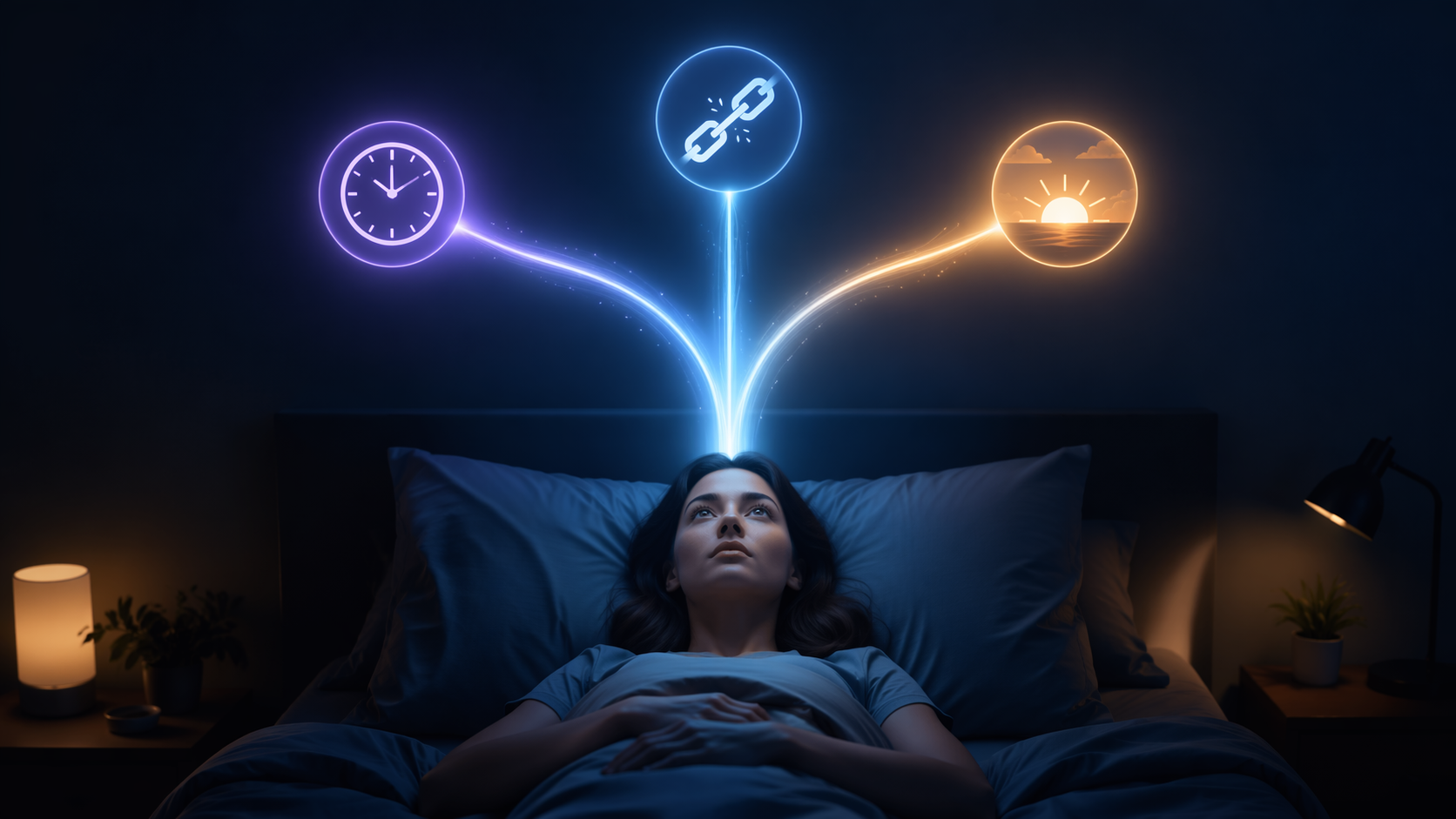
If student loan default has started following you into bed, that is not a moral verdict. It is often what a body does when it reads debt as a continuing threat: the nervous system stays on alert, the mind keeps replaying notices and balances, and sleep has a harder time starting cleanly.
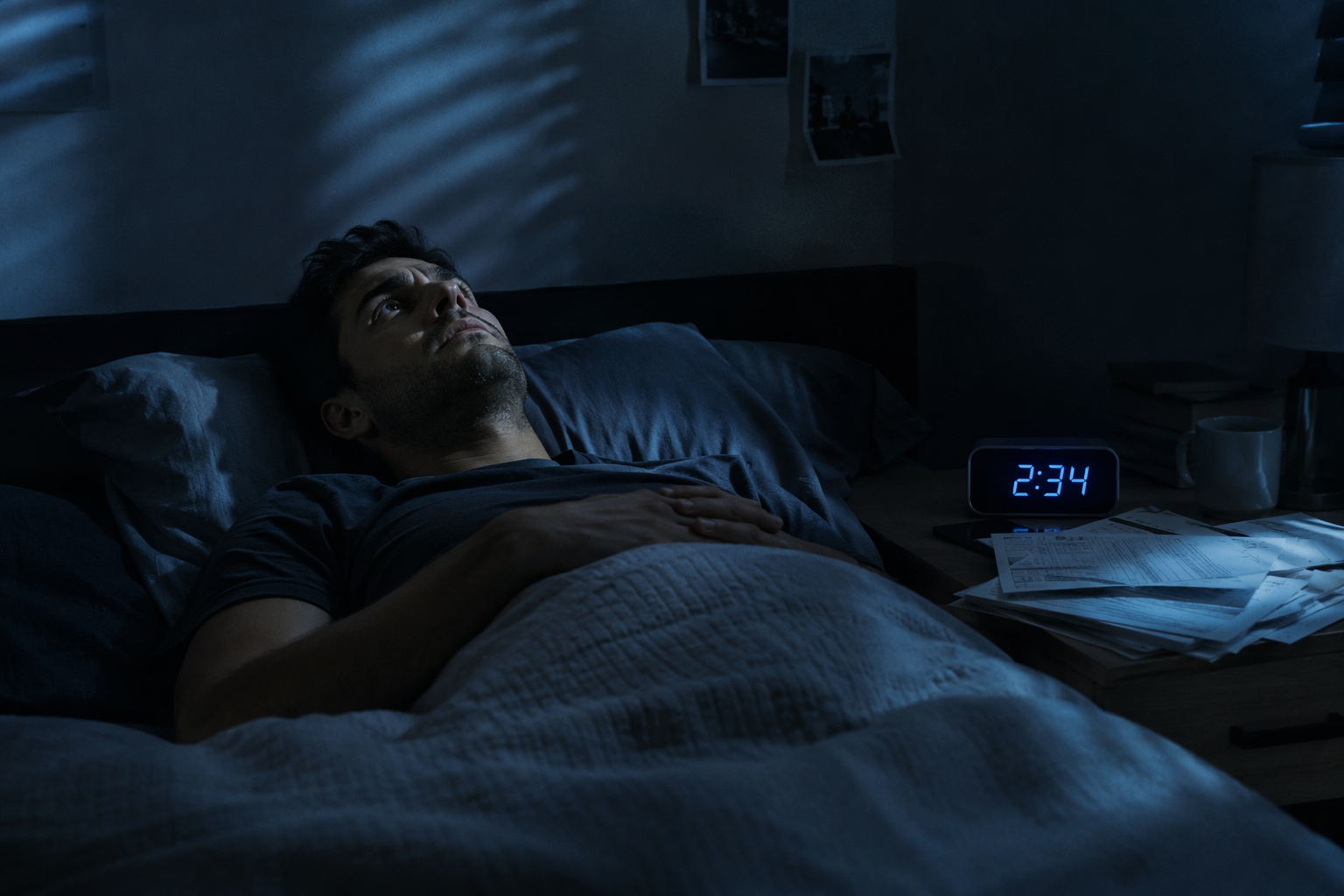
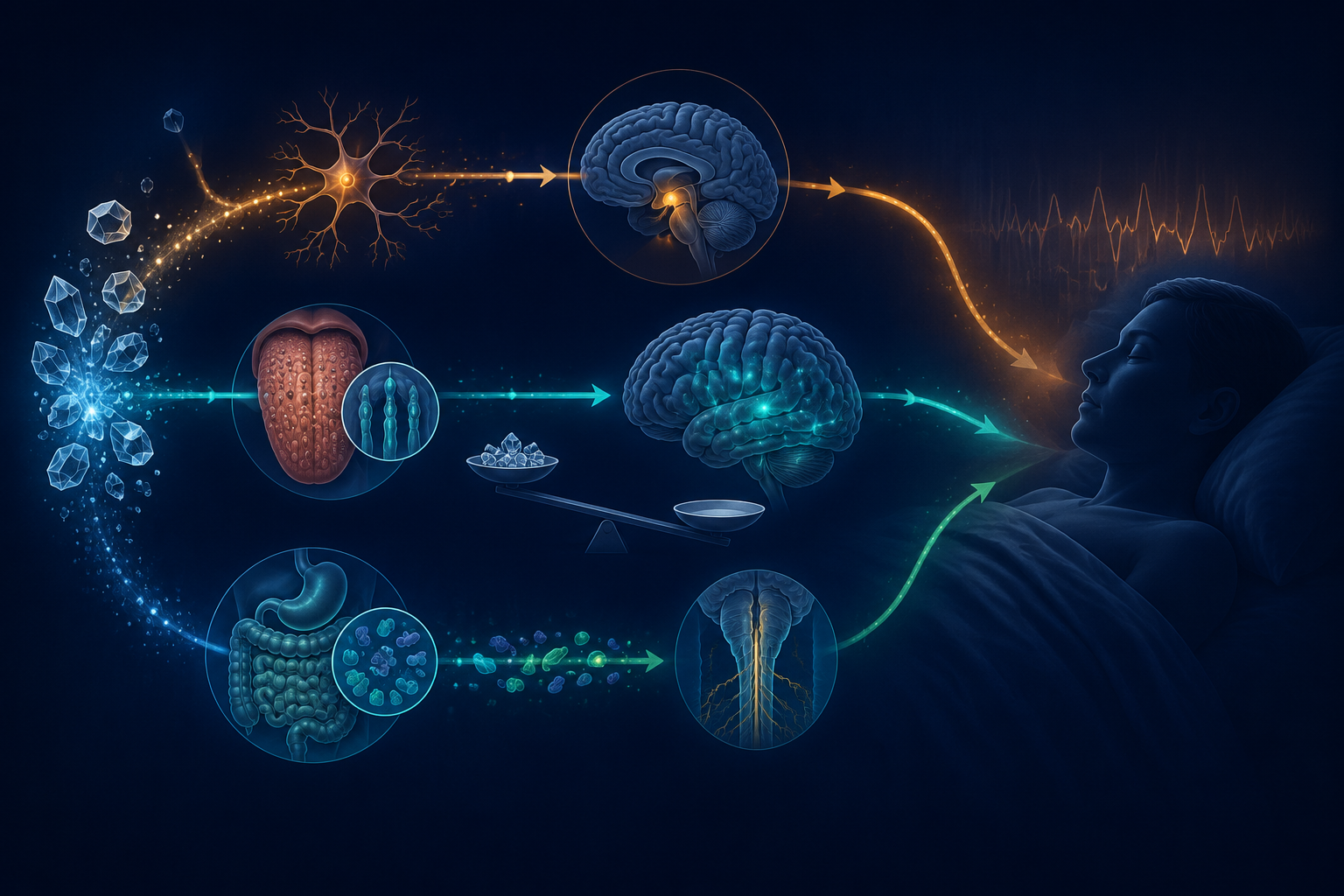
That reaction has a mechanism. Financial threat can keep sympathetic arousal elevated, which makes it easier for rumination to take over at bedtime and harder for the body to settle into sleep. In a 2025 Rice study of a longitudinal military cohort, financial stress followed workers to bed through bedtime stress and was linked to insomnia symptoms, which is about as close as the evidence gets to the exact pathway this problem takes in real life [1].
Once cognitive arousal is switched on, sleep loss becomes measurable, not just felt. In Kalmbach et al., people with high nocturnal cognitive arousal took 37 minutes longer to fall asleep and slept 1.25 fewer hours [2]. That kind of delay is what turns a worried night into a short, broken one: sleep onset drags, sleep gets lighter, and the total sleep window shrinks.
What the surveys show
The scale of the problem shows up in self-report too. In Fidelity's 2026 State of Student Debt survey, 41% of borrowers said they lose sleep or feel anxious about finances at least weekly, and 67% said they feel overwhelmed [3]. That is not clinical diagnosis, but it does show how often debt stress is spilling into the night.

Why the loop is hard to break
The second half of the trap is that poor sleep does not stay neutral. When sleep is short or fragmented, attention, working memory, and planning get worse, which makes it harder to sort mail, compare options, make calls, or stick with a repayment plan. That is the finance side of the loop: debt stress worsens sleep, and worse sleep makes the next financial decision harder.
That sleep-to-finance link is a plausible extension from broader sleep-deprivation research, not a student-loan-default study on its own, so the careful claim is a bidirectional cycle rather than a single proved chain. The pattern is familiar in other major life stressors too: when a problem keeps signaling danger, the body treats night as another place to stay on guard.
When to take it seriously
If the pattern is showing up most nights, if you are lying awake for long stretches, or if daytime fog is starting to affect work and money decisions, it is worth treating it as more than a rough patch. Persistent trouble falling asleep, staying asleep, or getting restorative sleep can meet insomnia criteria and deserves clinical attention.
The important part is the frame: default can keep the body in threat mode long after the notice is read, and the sleep change that follows is a biological stress response, not evidence that you are weak.
References
- Losing sleep over money: Rice study reveals how financial stress follows workers to bed — Rice University — 2025 — news.rice.edu
- Nocturnal cognitive arousal and objective sleep disturbance — PMC / Sleep Medicine — 2019 — pmc.ncbi.nlm.nih.gov/articles/PMC8212183/
- 2026 State of Student Debt — Fidelity — 2026 — newsroom.fidelity.com

Comments
Join the discussion with an anonymous comment.