
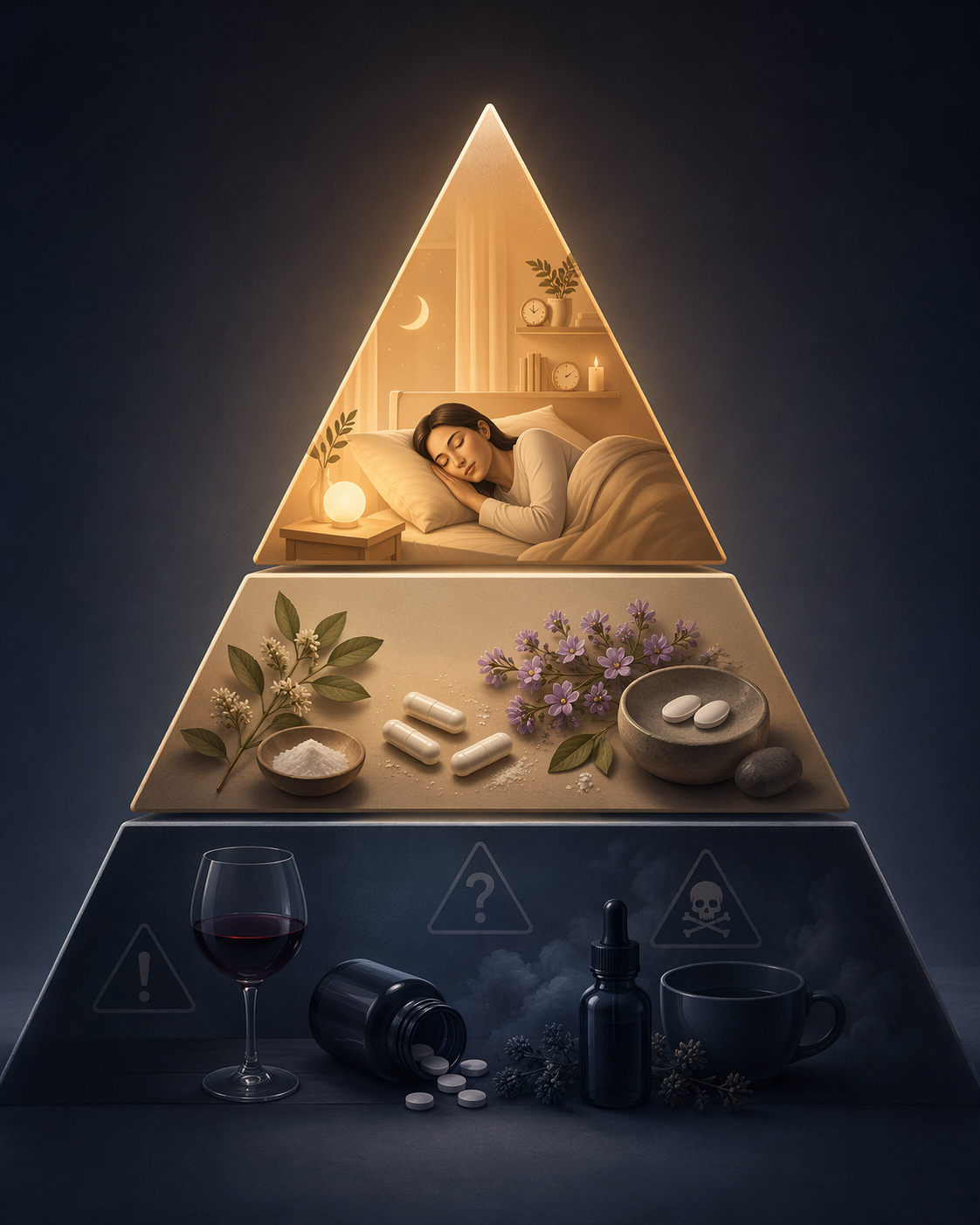
“Home remedies for sleeplessness” sounds like one shelf of solutions. In practice, it is a messy drawer: a behavioral treatment principle sits next to a tea bag, a hormone, an antihistamine, a magnesium capsule, a glass of wine, and a breathing exercise. Those are not the same kind of remedy, and they should not be judged as if they were.
The practical question is not which remedy sounds most natural. It is which one fits the sleep problem, has evidence behind it, is safe for the person taking it, and is unlikely to make sleep more fragile over time. Poor sleep is common enough that many people are already self-treating: a 2024 Canadian population study found that 28.7% of adults reported using natural or over-the-counter sleep aids, although that figure should not be treated as a U.S. prevalence estimate.[1]
| Evidence tier | What belongs here | Best use | Main caution |
|---|---|---|---|
| Best supported | Stimulus control, consistent wake time, CBT-I principles, regular exercise, targeted sleep hygiene | Repeated trouble falling asleep or drifting into irregular sleep patterns | Sleep restriction should not be self-applied in some conditions, including bipolar disorder, seizure disorders, and parasomnias |
| Modest or situation-specific | Melatonin, magnesium, glycine, warm bath or heat routine, relaxation practice | Jet lag, delayed sleep timing, mild sleep-onset difficulty, tension or arousal before bed | Benefits are usually modest and depend on the problem being targeted |
| Traditional but underproven | Chamomile, lavender, valerian, broad “calming” supplement blends | Low-risk rituals for some adults, when expectations stay modest | Evidence is mixed, products vary, and “natural” does not mean risk-free |
| Cautionary or risky | Nightly diphenhydramine or doxylamine, alcohol as a sedative, cannabis used as a sleep crutch | Not a good nightly strategy for sleeplessness | Tolerance, next-day impairment, anticholinergic effects, disrupted sleep architecture, or withdrawal rebound |
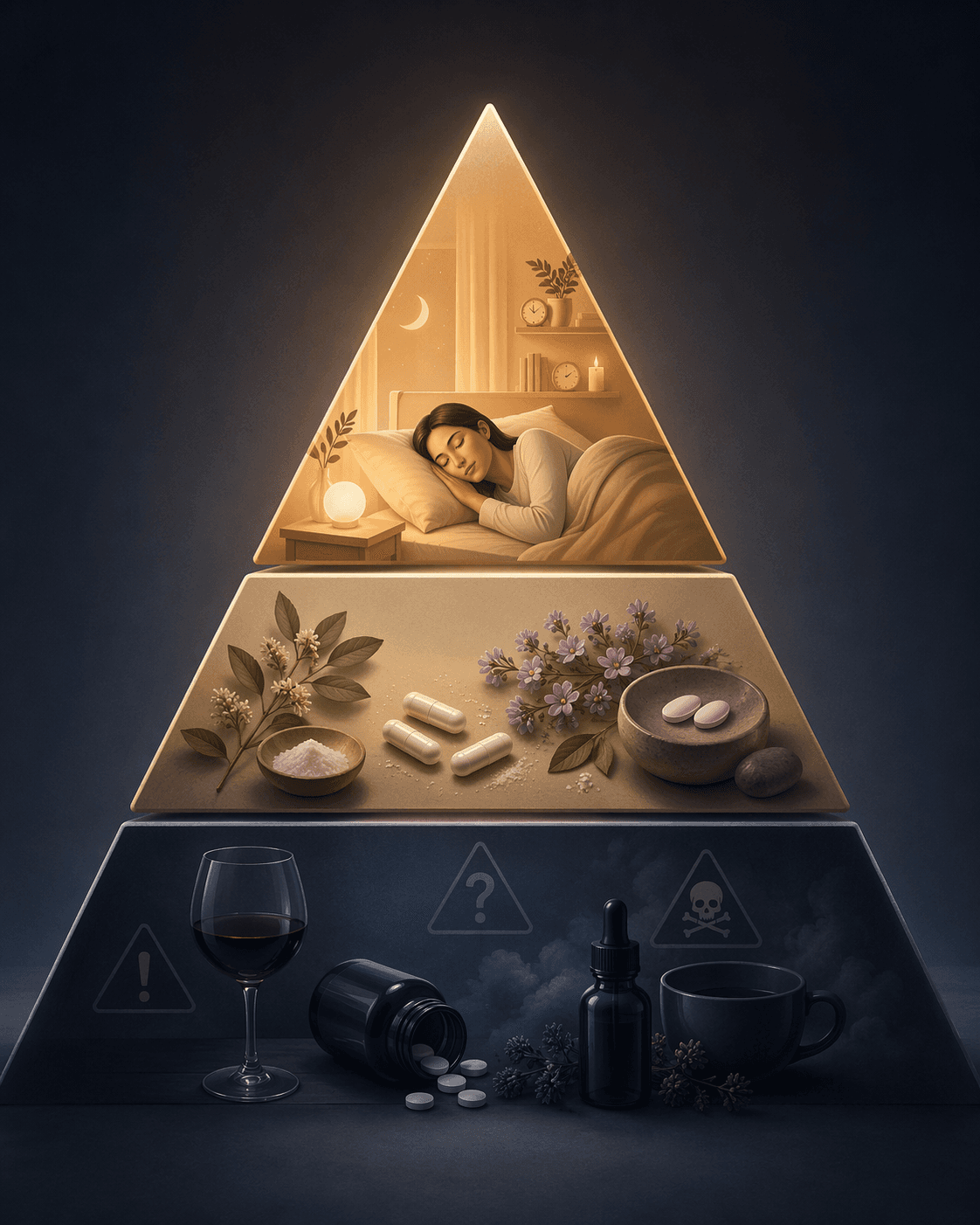
Start with the remedies that change the sleep pattern, not the ones that sedate you
The strongest home-level remedies for sleeplessness are not products. They are behavioral changes that retrain when the brain expects sleep and what the bed means. That sounds less satisfying than buying something, but it is the tier most consistent with how insomnia is treated clinically. Mayo Clinic describes cognitive behavioral therapy for insomnia as usually the first treatment recommended for people with ongoing insomnia, and the NHS similarly emphasizes regular hours, a wind-down routine, and getting help when insomnia persists.[2][3]
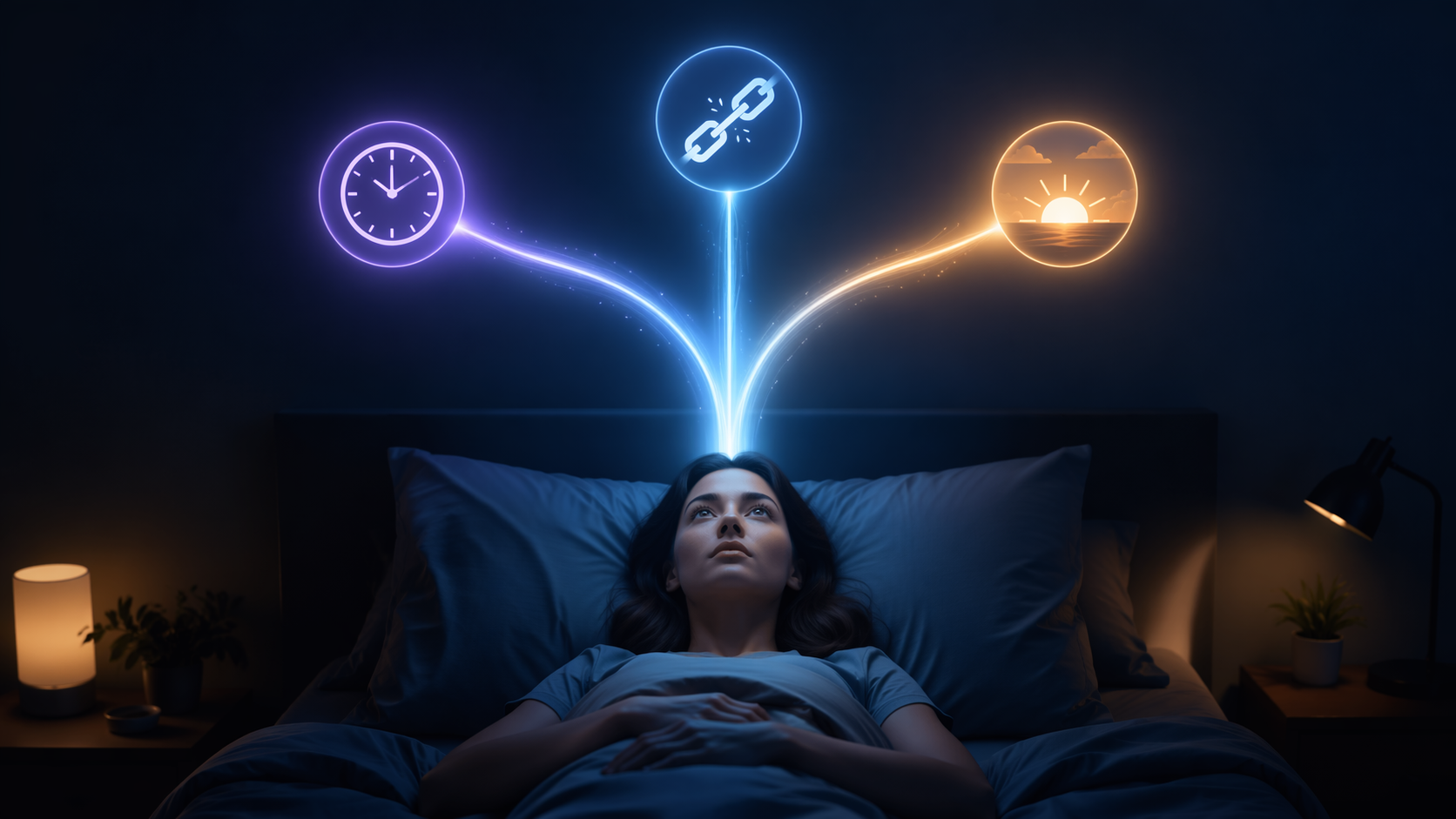
The most important principle is stimulus control. If the bed has become the place where you scroll, calculate tomorrow’s obligations, monitor the clock, or negotiate with yourself about sleep, your body can learn wakefulness there. Stimulus control reverses that association: go to bed only when sleepy, use the bed mainly for sleep and sex, leave the bed if you are unable to sleep, return when sleepy, and keep the wake time consistent. Cleveland Clinic includes stimulus control among the core components used in CBT-I.[4]
This is especially relevant for sleep-onset sleeplessness: lying awake for long stretches at the beginning of the night. The point is not to punish yourself by getting out of bed. The point is to stop giving the brain a nightly practice session in being awake under the covers. If you are awake, alert, and frustrated, moving to a dim, quiet place and doing something boring until sleepiness returns is often more useful than staying in bed to “try harder.”
A consistent wake time is the companion piece. Many people focus on bedtime because that is when the suffering happens. The body clock, however, takes a strong cue from when the day begins. If you sleep in by several hours after a bad night, the immediate relief can be real, but the next night may be harder because sleep pressure and circadian timing have shifted. For someone trying to stabilize sleeplessness at home, wake time is often the anchor worth protecting first.
- If you cannot fall asleep: prioritize stimulus control, a consistent wake time, morning light, and avoiding long awake periods in bed.
- If you wake during the night: look at alcohol, late fluids, pain, room temperature, medications, and whether you are spending too much total time in bed.
- If your schedule is drifting later: consider circadian tools such as fixed wake time, morning light, evening light reduction, and carefully timed melatonin.
- If anxiety or conditioned arousal is the main driver: relaxation may help, but CBT-I-style work is usually more targeted than adding more sedating ingredients.
Basic sleep hygiene still matters, but it is often oversold as a complete treatment. A cool, dark room, reduced evening caffeine, and a predictable wind-down can remove obstacles. They do not always fix conditioned insomnia by themselves. For a deeper distinction, see why sleep hygiene alone isn’t enough and our CBT-I framework for chronic insomnia.
Exercise, light, and heat are useful when they are timed like cues
Exercise is one of the more credible non-pill sleep supports, but it should be treated as a rhythm cue rather than an emergency sedative. Regular physical activity can support sleep quality, while intense exercise too close to bedtime may be activating for some people. The useful experiment is boring and measurable: keep the activity regular for a few weeks, avoid placing the hardest workout right before bed, and watch whether sleep latency or nighttime awakenings change.
Light exposure works the same way. Bright light in the morning helps reinforce daytime; bright light late in the evening can push sleep later. This matters most for the person who is not simply “bad at sleeping” but is biologically drifting into a later schedule. If that is your pattern, a supplement alone is unlikely to do the job unless the light environment also changes.
Warm baths deserve a brief mention because the mechanism is plausible and the downside is low for many adults. The sleep-promoting effect is not that heat itself knocks you out; it is that warming the body and then cooling afterward may support the normal drop in core body temperature that accompanies sleep. Johns Hopkins includes a warm bath among home approaches that may help some people sleep.[5]
Melatonin is a clock signal, not a general insomnia cure
Melatonin is probably the most misunderstood home remedy for sleeplessness. It is not a stronger version of chamomile, and it is not a nightly sleeping pill in vitamin form. It is a hormone involved in circadian timing. That makes it most sensible when the sleep problem is about timing: jet lag, shift-related schedule disruption, or a delayed sleep phase where the body is not ready for sleep until very late.
For chronic insomnia, expectations should be restrained. Meta-analytic estimates put sleep-onset improvement in the range of only about 7 to 12 minutes, which is not nothing at 2:30 a.m., but it is not the transformation implied by many bottle labels. Sleep Foundation also frames melatonin as more useful for circadian rhythm issues than as a broad cure for insomnia.[6]
The quality-control problem is harder to shrug off. Johns Hopkins cites a study finding substantial variability in melatonin supplement contents, including lot-to-lot variation as high as 465%.[5] That does not mean every melatonin product is unreliable, but it does mean a person can be experimenting with a moving target without knowing it.
If melatonin fits your problem, the cleaner experiment is to use it for timing, not sedation: take it at a consistent time appropriate to the schedule shift you are trying to make, avoid escalating the dose reflexively, and pair it with morning light and evening light reduction. For more detail on choosing ingredients by sleep pattern, see how to choose a sleep supplement based on your specific sleep problem.
Magnesium and glycine: plausible, modest, and easy to overstate
Magnesium has a better case than many supplement trends, particularly when there is a plausible reason someone may not be getting enough or when muscle tension, restlessness, or older age are part of the picture. A 2012 randomized trial in older adults used 500 mg per day and reported improvement in insomnia symptoms.[7] That is a narrower claim than “magnesium fixes sleeplessness.” It is also more useful.
Form and tolerance matter. Magnesium can cause gastrointestinal side effects, and people with kidney disease or complex medication regimens should not treat it as automatically benign. If the question is whether magnesium glycinate is a reasonable sleep experiment, the answer may be yes for some adults, but the test should be specific: dose, timing, symptom target, and a stop point if nothing changes. See our magnesium glycinate for sleep guide for a more ingredient-focused review.
Glycine is another supplement with a mechanism-specific rationale rather than a sweeping sleep-aid case. Research commonly discusses 3 grams before bed, with interest in sleep quality and next-day fatigue.[7] The evidence base is not large enough to crown it a first-line remedy, but it is at least aimed at a plausible sleep pathway and is not pretending to be CBT-I in capsule form.
The fairest way to use these supplements is as controlled add-ons after the schedule and stimulus-control basics are in motion. If three variables change at once—new magnesium, later caffeine cutoff, stricter wake time—you may sleep better and still have no idea which change mattered.
Chamomile, lavender, and relaxation rituals are allowed to be pleasant without being powerful
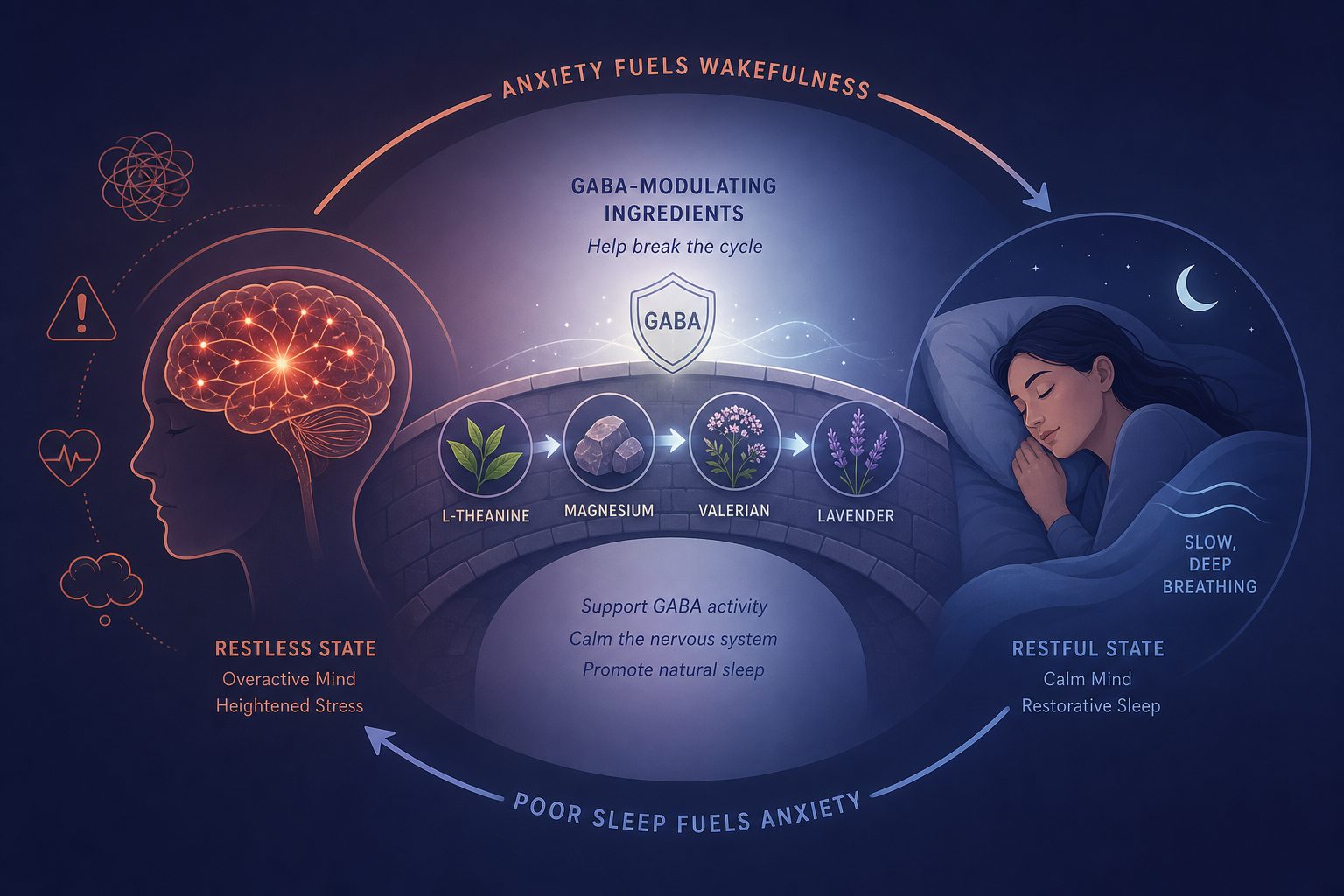
Chamomile tea, lavender scent, quiet music, stretching, breathing exercises, and a familiar bedtime ritual can all be reasonable if they help the evening become less stimulating. The problem is not that these rituals are foolish. The problem is the way they are often presented beside stronger interventions as if all “natural remedies” carry the same evidence weight.
A relaxation ritual is most useful when sleeplessness is being fed by physiological arousal: racing thoughts, muscle tension, shallow breathing, or a bedtime environment that keeps the nervous system on duty. It is less likely to solve a circadian problem, untreated sleep apnea, medication-related insomnia, or a bed that has become a long-standing cue for wakefulness.
So use these rituals honestly. Let tea be tea. Let lavender be a cue. Let breathing practice reduce arousal. Do not keep adding calming layers while leaving the stronger levers untouched.
Valerian has mixed evidence and a safety footnote people skip
Valerian root is one of the more traditional herbal sleep aids, and it is also one of the easiest to oversell. Reviews have found mixed results, and differences in extracts, doses, study designs, and outcome measures make it hard to translate into a confident home recommendation. Sleep Foundation describes valerian as a natural sleep aid with research that is not uniformly conclusive.[6]
The safety discussion should not be skipped just because the word “root” sounds gentle. The research brief notes rare but documented liver toxicity associated with valerian. That does not make valerian broadly dangerous for every adult, but it does make it a poor candidate for casual stacking with alcohol, sedatives, or multiple supplement blends whose ingredients overlap.
If you are already using a product that contains valerian, read the full label. Many “sleep complex” formulas combine valerian with melatonin, magnesium, GABA-like ingredients, antihistamine-like botanicals, or other sedating compounds. A blend can make it harder to identify both benefit and side effects.
OTC antihistamines can work briefly, then become the wrong nightly habit
Diphenhydramine and doxylamine deserve a separate category from supplements. They are over-the-counter medications, not wellness remedies, and their sedating effect comes from antihistamine and anticholinergic activity. Mayo Clinic notes that tolerance to these sleep aids can develop quickly and that they can cause side effects such as daytime drowsiness, dry mouth, constipation, urinary retention, and confusion.[8]
The timeline matters. The research brief flags tolerance in as few as 3 to 4 days of consecutive use. That makes them a poor answer to a problem that is happening most nights. A person may start with one bad week, take a pill nightly, get less benefit, feel groggier, and then assume the sleeplessness itself has worsened.
Adults over 65 need particular caution because anticholinergic effects are more consequential in this group. The Beers Criteria flags these medications as potentially inappropriate for many older adults because of risks such as confusion, cognitive effects, constipation, urinary retention, and falls. If an older adult is using nightly diphenhydramine or doxylamine, that is not a harmless home remedy; it is a medication exposure worth discussing with a clinician.
For an occasional, short-term night, some adults still use these products. The line to watch is reliance. If you need an antihistamine repeatedly to sleep, the next step is not usually a stronger OTC product. It is to identify the sleep pattern and consider CBT-I or medical evaluation. For a medication-focused comparison, see which over-the-counter sleep aid is best for your sleep problem.
Alcohol and cannabis may feel sleep-promoting while making sleep less stable
Alcohol is a particularly convincing false friend because it can shorten the time it takes to fall asleep. The cost often arrives later: suppressed REM sleep, more fragmented sleep in the second half of the night, earlier waking, and poorer next-day recovery. If your pattern is “I fall asleep fine but wake at 3 a.m.,” alcohol is one of the first home remedies to remove, not add.
Cannabis is more complicated because products, THC/CBD ratios, doses, and reasons for use vary widely. Some people report that it helps them fall asleep, especially when pain or anxiety is part of the picture. That is not the same as strong evidence that cannabis improves sleep architecture or works well as a nightly sleeplessness treatment. The research brief also notes the concern of withdrawal rebound, where stopping after regular use can worsen sleep temporarily.
The practical standard is simple: anything that makes sleep more dependent on a sedating substance over time deserves suspicion, even if it works the first few nights.
A cleaner way to choose what to try first
Instead of asking which home remedy is best, start by naming the sleep problem. Sleeplessness is a symptom pattern, not a diagnosis. The best first move for a drifting body clock is not the same as the best first move for conditioned arousal, alcohol-related early waking, pain, hot flashes, restless legs symptoms, medication effects, or untreated sleep apnea.
| Your main pattern | Try first | Be cautious with |
|---|---|---|
| You lie awake at bedtime for a long time | Stimulus control, fixed wake time, reduced evening light, wind-down that lowers arousal | Nightly antihistamines, escalating melatonin, staying in bed for hours trying to force sleep |
| Your sleep schedule keeps moving later | Morning light, consistent wake time, evening light reduction, carefully timed melatonin | Using melatonin as a sedative without changing light exposure |
| You fall asleep but wake in the second half of the night | Alcohol reduction, room temperature review, pain or medication review, appropriate time in bed | Alcohol, cannabis dependence, long naps used to compensate |
| You feel tense, wired, or physically activated | Relaxation practice, exercise routine, CBT-I tools, worry scheduling earlier in the evening | Stacked calming supplements with unclear ingredients |
| Sleeplessness is frequent, impairing, or lasting weeks | CBT-I or clinical evaluation | Adding remedy after remedy without reassessing the cause |
Tracking can help if it stays practical. You do not need to turn sleep into a nightly performance review. A simple two-week note on bedtime, wake time, caffeine, alcohol, naps, exercise, supplement use, and perceived sleep quality can show patterns that memory misses. If you use a wearable, focus less on single-night sleep-stage claims and more on trends such as sleep timing, sleep latency, and sleep efficiency; our guide to interpreting sleep latency and sleep efficiency from a sleep tracking watch goes deeper.
When home remedies are no longer the right frame
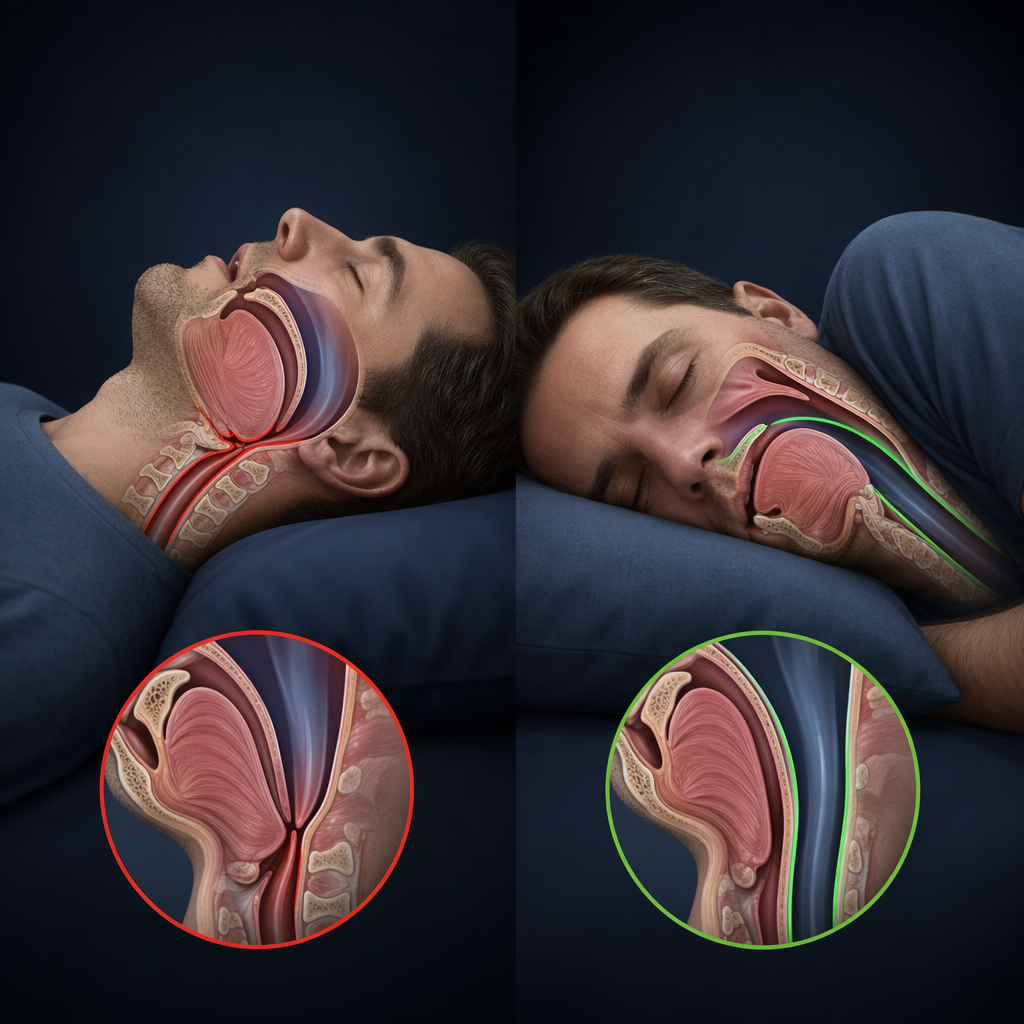
Home remedies make sense for occasional sleeplessness, schedule disruption, mild sleep-onset trouble, or a short period of stress. They are not the right container for every sleep problem. If sleeplessness is frequent, lasts for weeks, causes daytime impairment, or comes with loud snoring, breathing pauses, restless legs, severe mood symptoms, dangerous sleep behaviors, or major medication changes, the remedy list has reached its limit.
Self-applied sleep restriction also deserves a clear warning. Sleep restriction is a structured CBT-I component, but it is not appropriate to improvise for everyone. It can be risky for people with bipolar disorder, seizure disorders, and parasomnias, and it should be clinician-guided when medical or psychiatric risk is present.
The decision rule is not glamorous, but it holds up: start with the behavioral changes that retrain sleep, match any supplement to the specific problem rather than to a generic promise, avoid nightly reliance on antihistamines, alcohol, cannabis, or other sedating substances, and treat persistent or impairing sleeplessness as a reason to look toward CBT-I or clinical evaluation. For a deeper look at clinical insomnia, see our evidence guide in Sleep Conditions.
References
- Prevalence of insomnia and use of sleep aids among adults in Canada, Sleep Medicine, 2024
- Insomnia Diagnosis and Treatment, Mayo Clinic
- Insomnia, NHS
- CBT-I, Cleveland Clinic
- Natural Sleep Aids, Johns Hopkins Medicine
- Natural Sleep Aids, Sleep Foundation
- Best Natural Remedies for Sleep, NCOA
- Sleep Aids, Mayo Clinic
Comments
Join the discussion with an anonymous comment.