
The fire is no longer at the door. You reached a shelter, a hotel, a relative’s couch, or the back seat of a car. Someone may have told you, or you may have told yourself, that now you should finally sleep.
That expectation is understandable. It is also often wrong. Physical safety and sleep-readiness are not the same state. After a fire evacuation, the body may be out of immediate danger while the sleep system is still dealing with noise, light, hard surfaces, smoke irritation, disrupted routines, alarm memories, and a nervous system that has not accepted that the emergency is over.
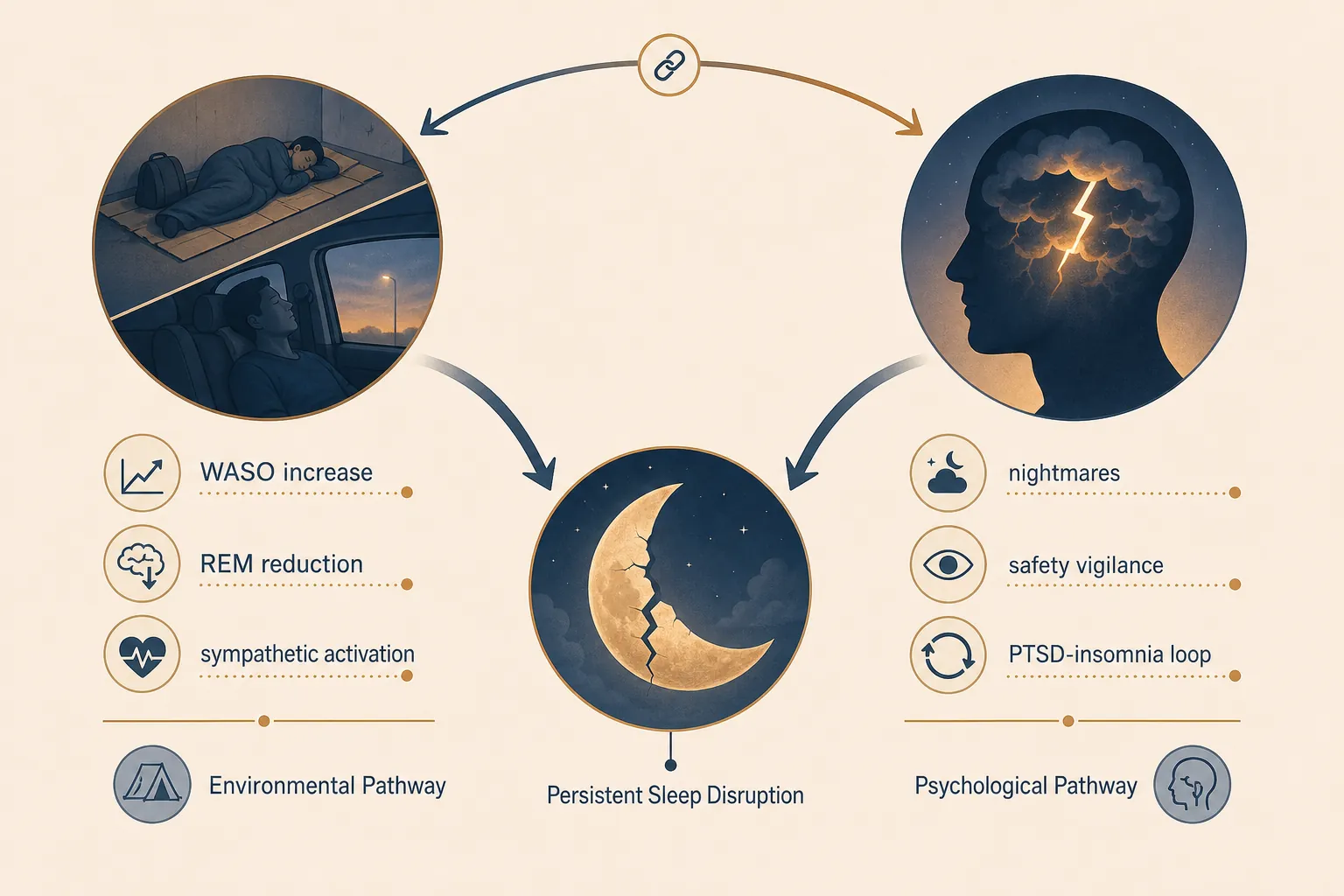
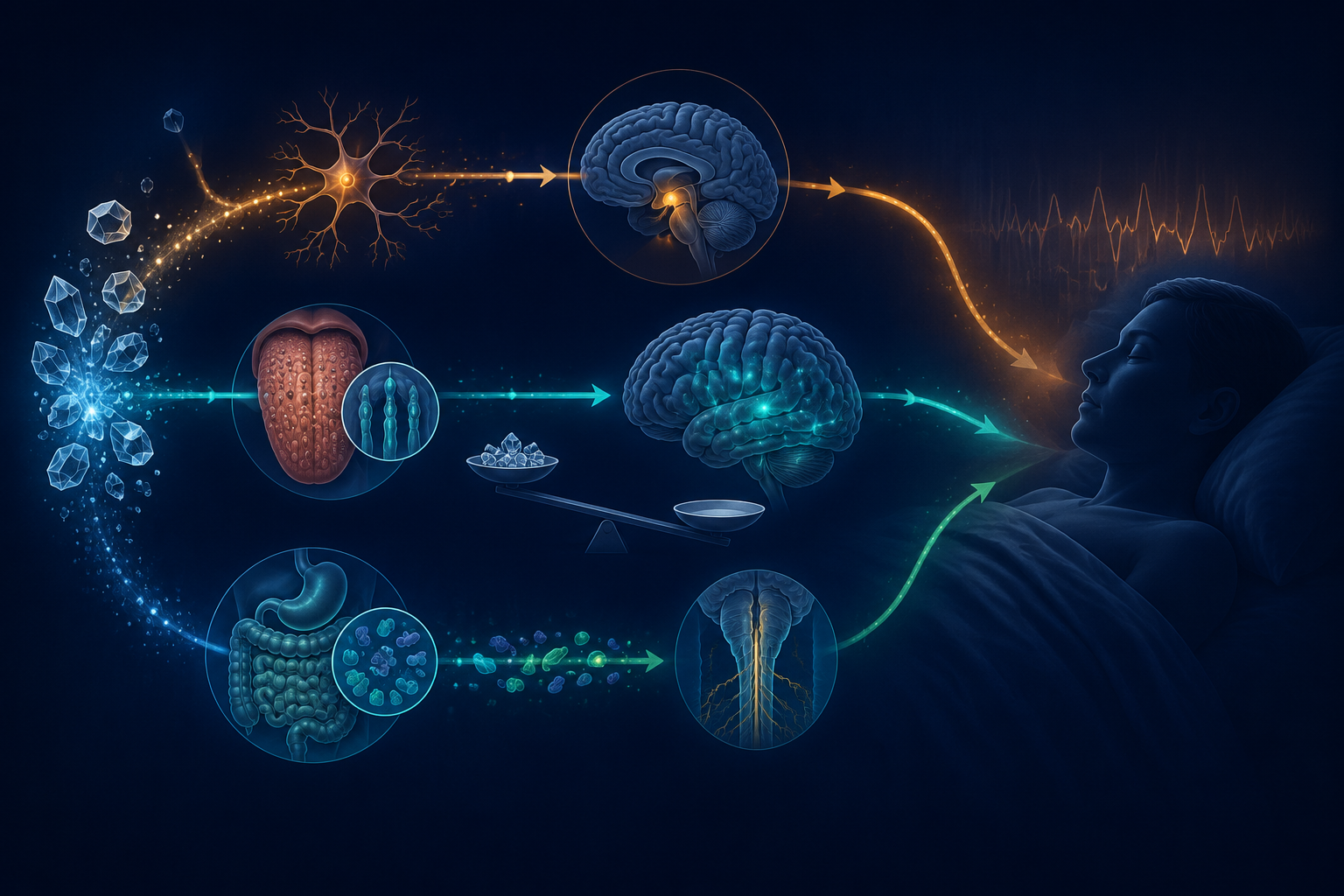
That is the central problem in fire evacuation sleep disruption: sleep can be attacked from two directions at once. One pathway is environmental, because people are trying to sleep in conditions that fragment sleep even without trauma. The other is psychological, because evacuation can leave the brain scanning for threat long after the immediate flight has ended.
Poor sleep after evacuation is common, not a personal failure
The Fort McMurray wildfire data are useful because they name what many evacuees experience privately. Three months after evacuation, 43.6% of participants met criteria for clinical insomnia, 72.5% reported trouble sleeping, and 84% of those with insomnia attributed it directly to the fires [1]. Those numbers do not describe one uncomfortable night. They describe a sleep problem that can persist after the immediate evacuation period has passed.
The study had limits. It used a volunteer sample, which can overrepresent people who are distressed enough to participate. It also cannot prove every pathway from fire exposure to insomnia. Still, the pattern matters: a large share of evacuees reported sleep disruption, and most of those with insomnia connected it to the fire rather than treating it as ordinary bad sleep [1].
That distinction matters for shame. If you are lying awake after an evacuation, the problem may not be that you are failing to relax. It may be that your sleep system has been placed under environmental strain and threat-memory strain at the same time.
The first pathway is the place you are trying to sleep
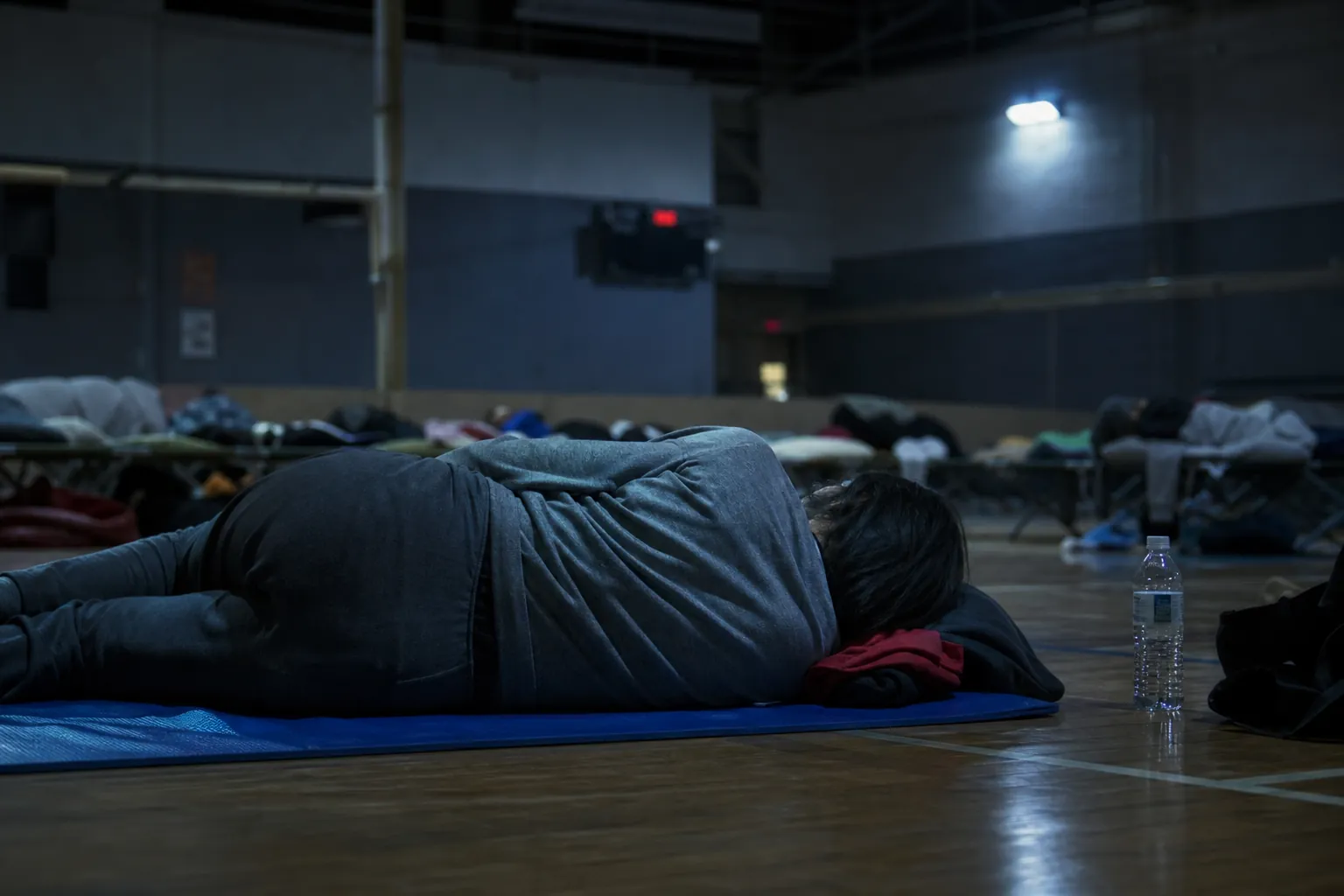
A shelter floor is safer than a burning neighborhood. It is still a poor sleep surface. A car seat may be the only available private space. It is still a device built for transport, not overnight recovery. Evacuation sleep often happens in bright, noisy, crowded, temperature-variable spaces where the body cannot spread out, turn normally, or fully disengage from surrounding movement.
A small laboratory study by Ogata and colleagues helps explain why this is not just a comfort complaint. In healthy young men, simulated evacuation sleeping conditions increased wake after sleep onset by 6.4%, increased sleep stage shifts by 38 events per night, reduced REM sleep, elevated sympathetic activity, and showed signs of glucose dysregulation [2]. In plain terms: the sleepers woke more, shifted between sleep stages more often, lost some REM sleep, and showed more physiological stress.
The caveat should stay attached to the finding. The experiment involved only 8 healthy young Japanese males over short sleep periods, so it should not be stretched into a universal estimate for older adults, women, children, pregnant people, or people with chronic illness [2]. But the direction of the evidence is still important. Even without the emotional shock of a real fire, evacuation-style sleeping arrangements can fragment sleep and raise physiological strain.
| Evacuation condition | What it can do to sleep |
|---|---|
| Hard floor or thin mat | More awakenings, discomfort-related position changes, lighter sleep |
| Car seat | Restricted posture, reduced ability to turn, fragmented sleep |
| Shared shelter space | Noise, light, movement, and social vigilance |
| Uncertain next steps | More checking, listening, and difficulty letting sleep deepen |
This is where ordinary sleep advice can become unfair. A person may be avoiding caffeine, putting their phone away, and trying to keep a routine, yet still be sleeping under fluorescent light beside strangers on a gym floor. Behavior matters, but it is not the whole cause.
The second pathway is a nervous system still on guard
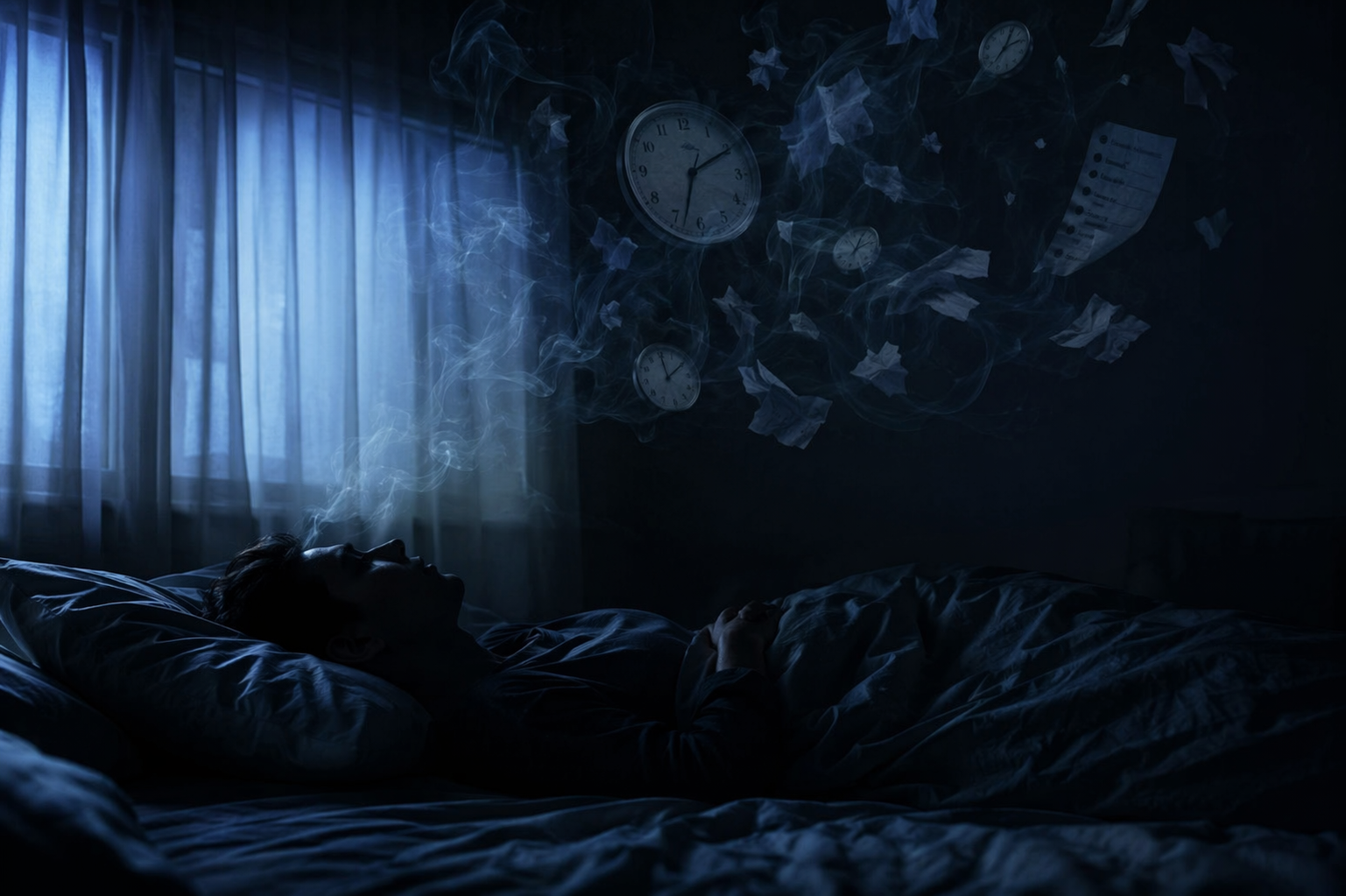
The psychological pathway is different. It can follow you even when the bed improves. After a fire evacuation, sleep may be interrupted by intrusive memories, nightmares, repeated checking, startle responses, or the feeling that you must stay half-awake in case the situation changes again.
Across post-disaster studies, insomnia prevalence has been reported in the 63% to 72.5% range, and nightmares in 33% to 46.5% of survivors. In one comparison, nightmares were reported by 46.5% of survivors with PTSD and 12.3% of those without PTSD [3]. Those figures do not mean every evacuee with poor sleep has PTSD. They do show that sleep disruption and trauma symptoms often travel together.
The relationship can run in both directions. A systematic review found a bidirectional relationship between insomnia and PTSD, with sleep disruption also predicting worsening PTSD symptoms [3]. That matters because insomnia is not merely a leftover symptom sitting at the edge of trauma. When nights are repeatedly broken, the next day can bring more irritability, more threat sensitivity, poorer emotional regulation, and less capacity to process what happened.
Nightmares are one obvious expression of this loop, but they are not the only one. Some people do not remember dreams and still wake with a racing heart. Some sleep lightly because they are listening for sirens, wind, phone alerts, coughing, footsteps, or instructions. Some are exhausted and still cannot cross the threshold into sleep because sleep itself feels like giving up control.
For a deeper look at this feedback pattern, see How the Insomnia-PTSD Cycle Links Wildfire Smoke to Poor Sleep. The important point here is narrower: after evacuation, insomnia can be part of the threat response itself, not just a bad habit that appeared during a stressful week.
Smoke can add another burden, even when evacuation is the main story
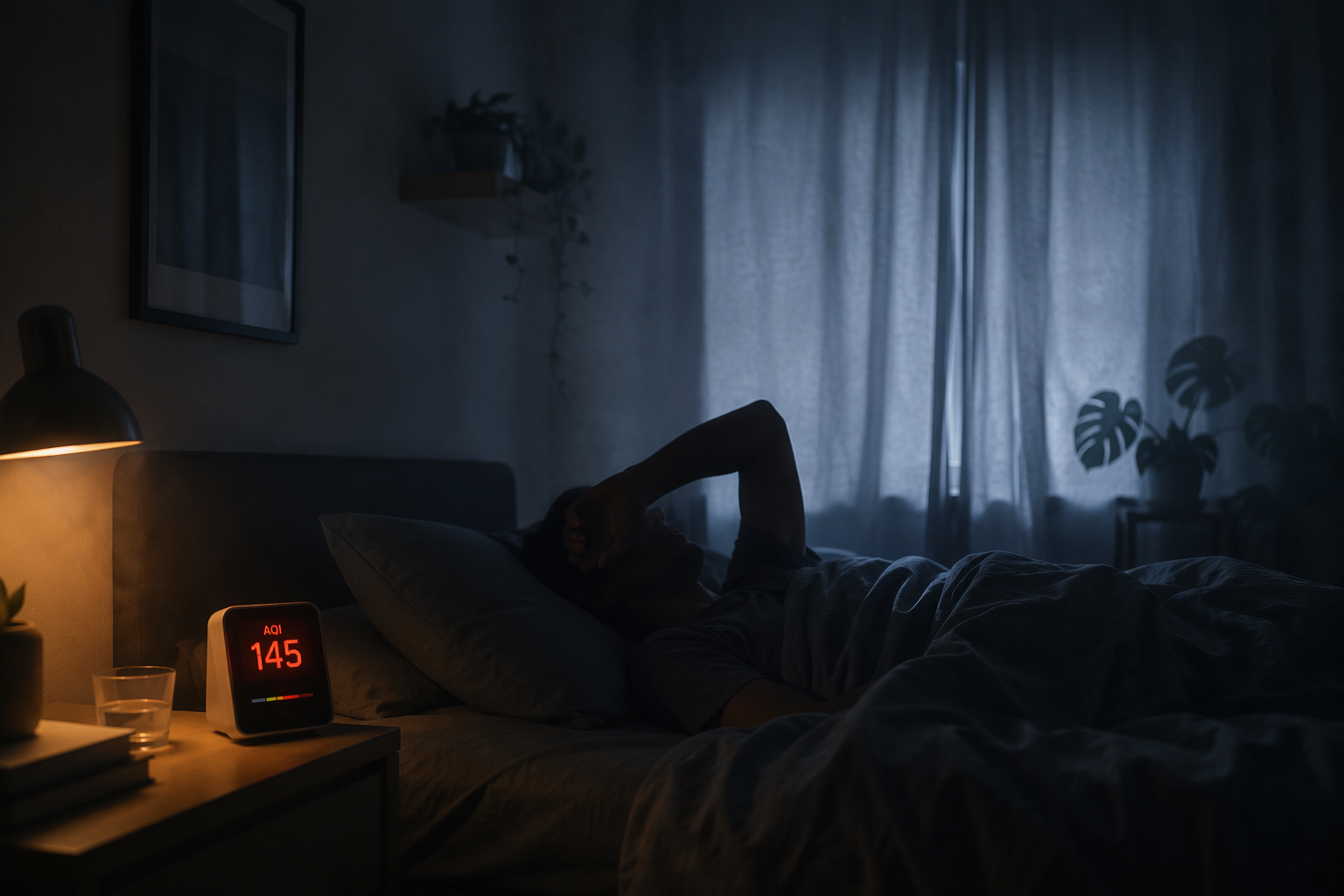
Smoke is not the center of every evacuation sleep problem, but it can complicate both pathways. Wildfire smoke can irritate the airways, worsen breathing comfort, and add a bodily signal that something is still wrong. A scoping review reported that PM2.5 from wildfire smoke can affect the frontal cortex and cerebellum through neuroinflammation and airway constriction pathways [4].
Smoke exposure has also been reported as an independent predictor of insomnia, with β=0.17 after controlling for trauma exposure [4]. That is not the same as saying smoke explains all post-fire insomnia. It means smoke may add sleep burden separately from the psychological trauma of the fire.
This is why two evacuees in the same shelter may have different nights. One may be mainly fighting noise, posture, and crowding. Another may be waking from nightmares. Another may have throat irritation, coughing, and fear reactions tangled together. The surface problem looks the same from outside: “I can’t sleep.” The mechanisms underneath may not be the same.
For a broader smoke-and-trauma framework outside the evacuation setting, see How Wildfires Affect Sleep Quality Through Two Pathways.
The two pathways reinforce each other
The environmental and psychological pathways are easiest to explain separately, but evacuees usually live them together. A hard floor causes more awakenings. Each awakening gives the brain another chance to check for danger. Hyperarousal makes small noises feel more important. Noise then confirms the need to stay alert. A car seat restricts movement. A nightmare wakes the person into a cramped position. The body learns another night of shallow, broken sleep.
This interaction also explains why sleep may not immediately recover on the first night back in a bed. The mattress is better, but the nervous system may still be rehearsing evacuation. The room is quiet, but the person may still wake to check alerts. The smoke has cleared, but coughing or threat memories may remain. Improvement in one pathway helps, but it does not automatically switch off the other.
The available research is not a perfect causal map. Much of the disaster-sleep evidence is cross-sectional, and the strongest shelter-floor physiology study was small and short-term. The evidence also comes largely from high-income settings, so it may not capture the full burden in lower-resource evacuations or long-term displacement. Even with those limits, the combined pattern is consistent enough to be useful: evacuation sleep disruption is not one thing.
When to treat it as more than a rough few nights
Some sleep disruption after evacuation is expected. The question is whether sleep starts to recover as conditions stabilize, or whether the nights remain dominated by insomnia, nightmares, panic on waking, repeated checking, or fear of sleeping.
- Consider condition-level follow-up if insomnia continues after you have access to a reasonably safe sleep space.
- Seek clinician evaluation sooner if nightmares, flashbacks, panic symptoms, or daytime impairment are escalating.
- Mention the evacuation context directly; it helps distinguish ordinary short-term sleep loss from trauma-linked insomnia.
- If smoke exposure, coughing, wheezing, or breathing discomfort are part of the night, include those symptoms in the discussion.
Phase-based sleep preservation strategies can help during disasters, but they are not a substitute for evaluation when symptoms persist. For a practical cross-disaster planning angle, see Hurricane Preparedness Sleep Strategies for Every Phase.
The useful correction is simple but not small: reaching safety does not mean the sleep system has received safety. If your body is still waking, scanning, dreaming, coughing, or bracing, that is not weakness. It is a signal that the evacuation affected both your sleeping conditions and your threat system, and both may need time and support to settle.
References
- Prevalence and predictors of insomnia in a population-based sample of survivors of the 2016 Fort McMurray wildfires, PMC, 2019
- Effect of sleeping in an evacuation shelter and in a car on sleep and physiological stress, PMC, 2020
- Sleep disturbances and posttraumatic stress disorder: a systematic review, PMC
- Wildfire smoke exposure and sleep health: a scoping review, PMC, 2023
Comments
Join the discussion with an anonymous comment.