
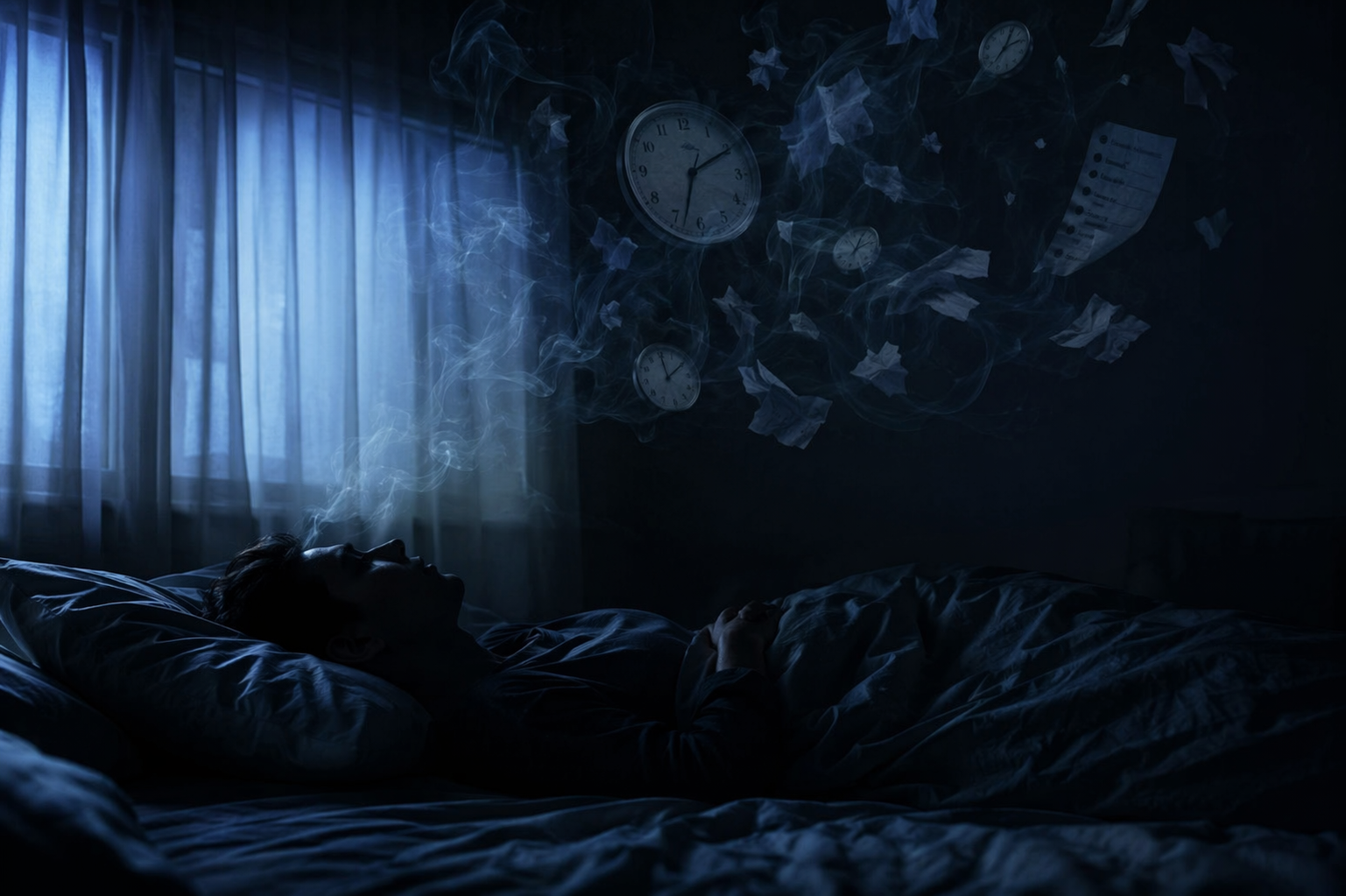
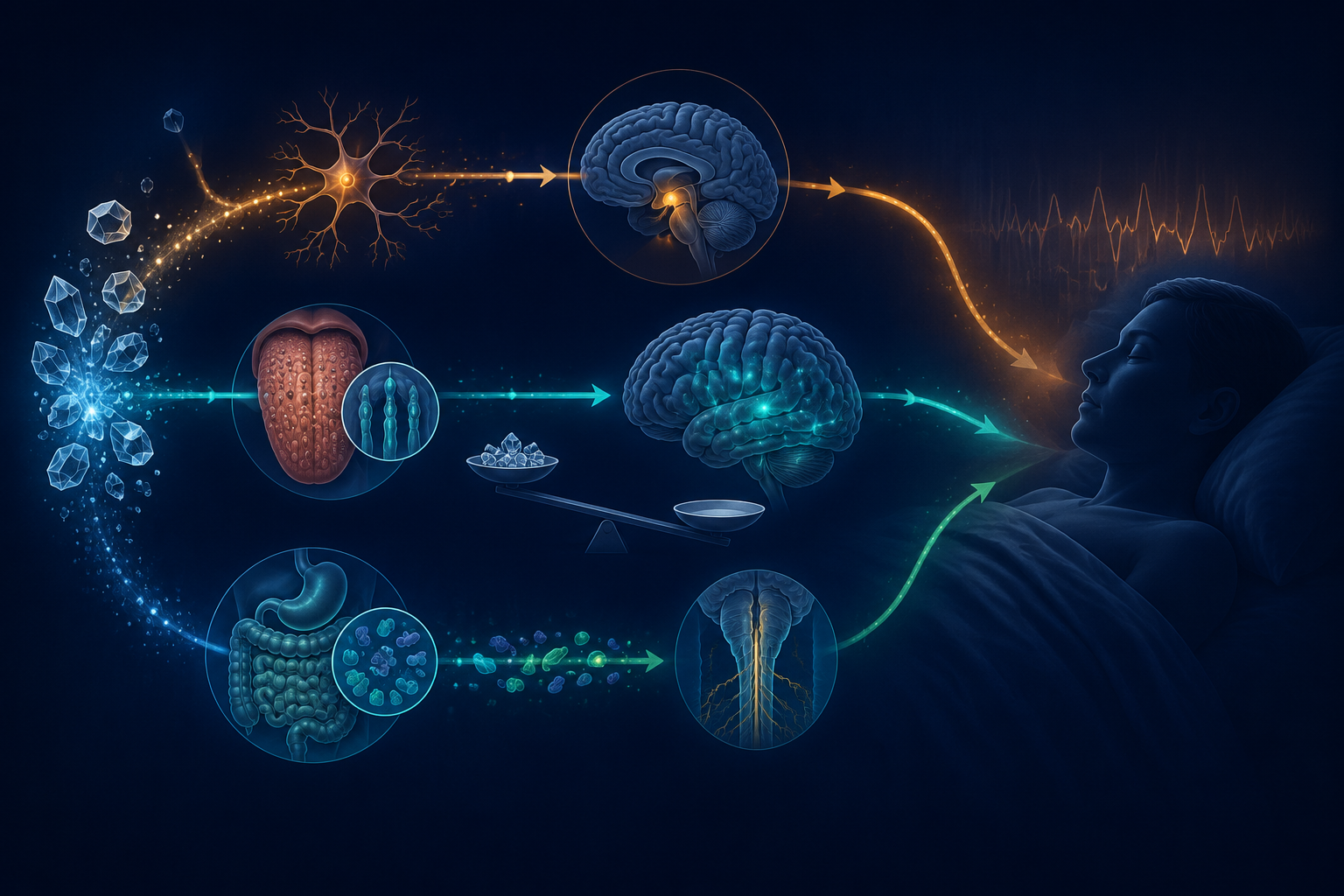
After spinal cord injury paralysis, sleep can fail in layers: the airway may narrow or stop, the body may lose the normal evening melatonin rise, the legs may keep moving, the body may have to stay in one position too long, and pain, spasticity, or bladder care may reset the night. This is how paralysis affects sleep quality after SCI: not through one defect, but through several that keep recurring through the night. In tetraplegia, sleep-disordered breathing is reported in 60% to 80% of patients, compared with about 10% of middle-aged men, and it can appear within 4 weeks of acute injury or persist chronically [1][2].
- Sleep-disordered breathing
- Circadian melatonin disruption
- Periodic leg movements
- Mechanical positioning constraints
- Pain, spasticity, and bladder interruptions
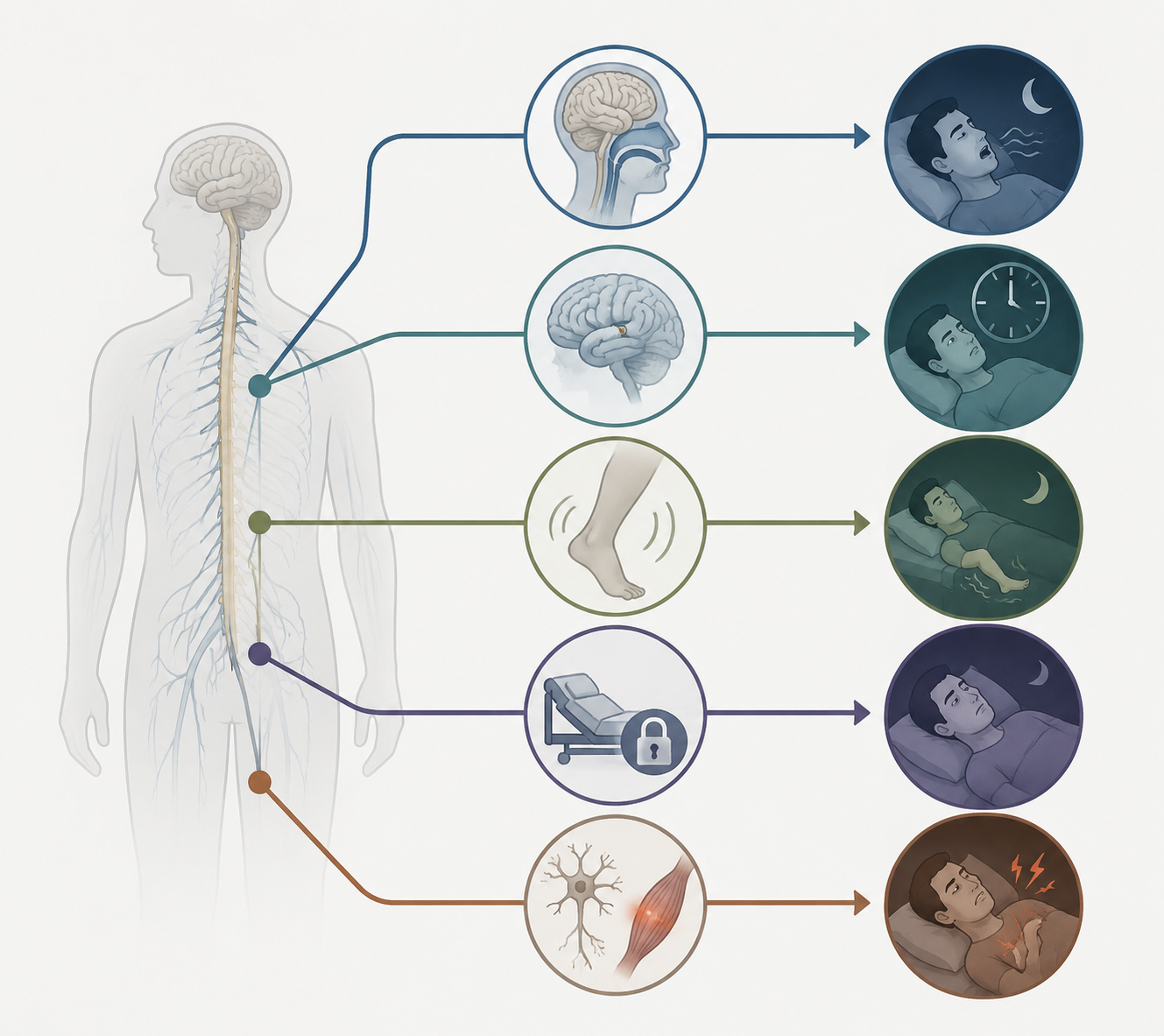
Sleep-disordered breathing is only one pathway
Breathing problems are a major part of the story, but they are not the whole story. In SCI, the question is not just whether someone snores; standard screening can miss atypical presentations, and tetraplegia can also be associated with central sleep apnea [6]. In one acute tetraplegia study, untreated OSA was linked to attention and information-processing deficits equivalent to 31 additional years of aging [2]. That is a very different problem from routine insomnia, and it is one reason a generic sleep-hygiene script does so little.
If breathing is the main concern, a separate guide to sleep apnea is usually the better next step than trying to solve the night with routines alone. For readers trying to tell whether the issue sounds more like snoring, obstruction, or something else, How to Tell the Difference Between Snoring and Sleep Apnea is the right kind of triage question, and untreated apnea matters for more than daytime fatigue.
The circadian clock can go quiet
Cervical SCI can sever the pathway from the suprachiasmatic nucleus to the pineal gland, which abolishes the evening melatonin rise [1][3]. That matters because the person may still feel exhausted, yet the body no longer gets a clean circadian signal that says night has arrived and sleep should consolidate. Once that timing cue is gone, bedtime routines can feel strangely ineffective, not because the person is failing at sleep, but because the clock signal itself is altered.
Periodic leg movements are easy to misread
Periodic leg movements are reported in 50% to 100% of lesions above T10, and one 2018 study found them in 58% of tetraplegia sleep recordings [3]. They are often mistaken for spasticity, which means the movement that is fragmenting sleep never gets recognized as the sleep problem. When the complaint is repeated kicks, jerks, or unexplained arousals, the differential is broader than cramps or restless sleep.
That is one place where symptom labels matter. A person may describe "spasticity" because that is the familiar word, while the sleep study would show a different pattern entirely. If the question is whether the movement is pain-driven, spasticity-driven, or a separate sleep movement disorder, the more useful comparison is not with generic insomnia but with the specific nighttime movement problem.
Positioning can fragment sleep even when the mattress is helping
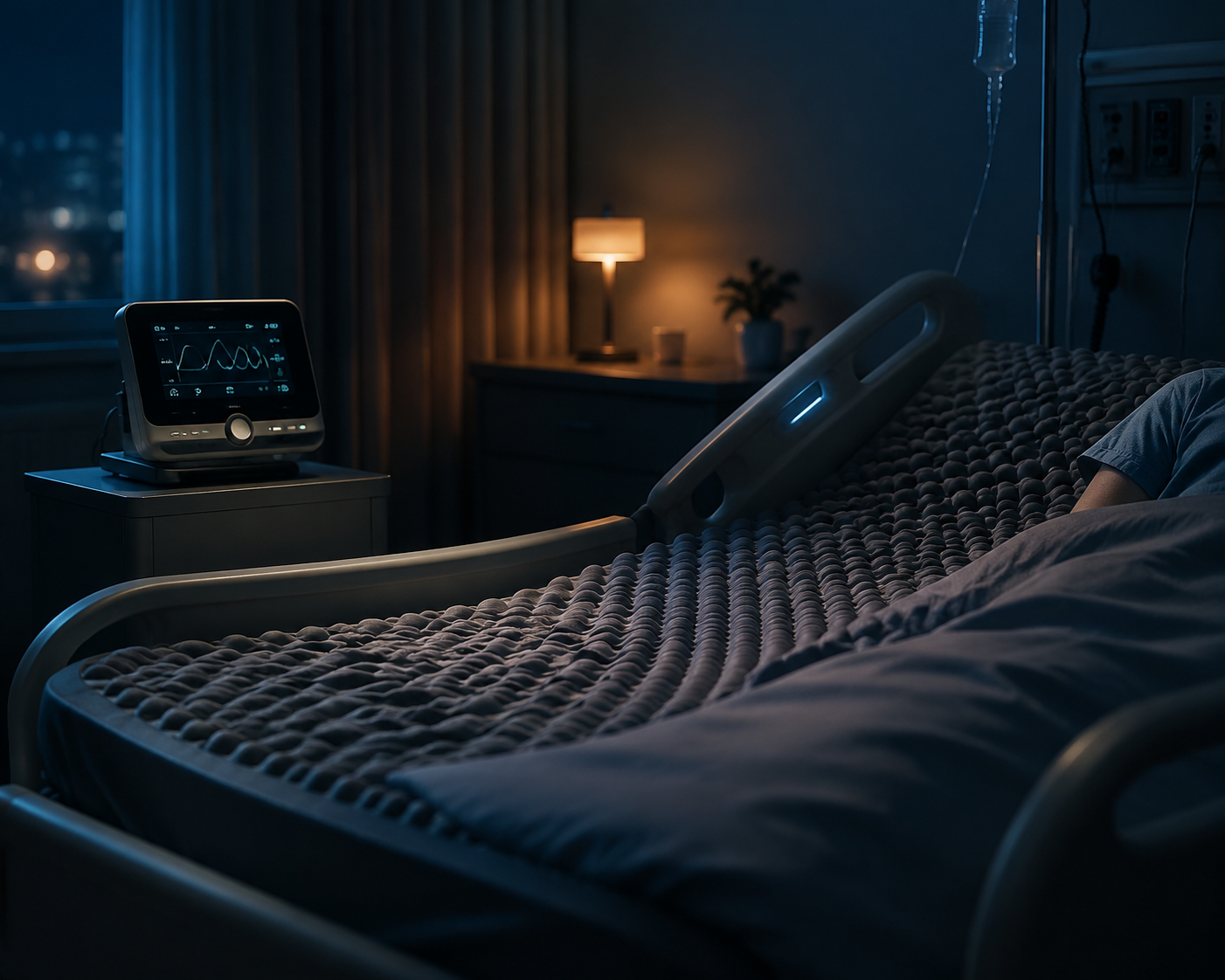
The bed itself becomes part of the problem when a person cannot shift position during sleep. Pressure-relief surfaces, pillows, and turning schedules protect skin, but they can also add awakenings, noise, or a sense of being pinned in place. The tradeoff is built into the night: one adjustment helps pressure, another interrupts sleep. For a bedside discussion of that tradeoff, How Sleep Position Affects Sleep Quality and Health is the more relevant frame than generic advice about comfort.
In a 2017 qualitative study of 40 community-dwelling adults with SCI, 95% had a history of pressure ulcers [4]. That sample probably overrepresents people with serious skin-risk histories, but it captures the nightly calculation many readers know well: stay still and protect the skin, or move and risk waking yourself up. The emotional tone in those interviews was not mystery; it was vigilance, frustration, and the fatigue of never being able to stop monitoring the body.
Pain, spasticity, and bladder interruptions keep resetting the night
Pain and spasticity do not merely coexist with poor sleep; they keep sleep from settling in the first place. Bladder care adds another layer, because awakenings for toileting, catheter management, or leakage concerns can break the night into pieces. Survey studies fit that bedside reality: insomnia symptoms have been reported in 54% to 57% of participants, 51.4% reported sleep problems in the previous month, and 40% rated their sleep fairly bad to very bad [5].
This is also the part of the story that standard sleep advice tends to miss. A person who is waking to manage pain, bladder function, or skin risk is not failing at sleep hygiene; the sleep itself is being repeatedly interrupted by the consequences of paralysis.
Why one-target fixes keep disappointing
This layered model explains why a single intervention so often feels underwhelming. CPAP can help when sleep-disordered breathing is real, but it does not restore melatonin timing, stop periodic leg movements, reduce spasticity, or remove the need to protect skin through the night. Melatonin and CBT-I may help some pieces, but the SCI studies remain small and preliminary, so they should be read as hints rather than final answers. The literature is also still thin, with many studies small, older, and heavily male, which makes broad claims harder to defend than narrow ones.
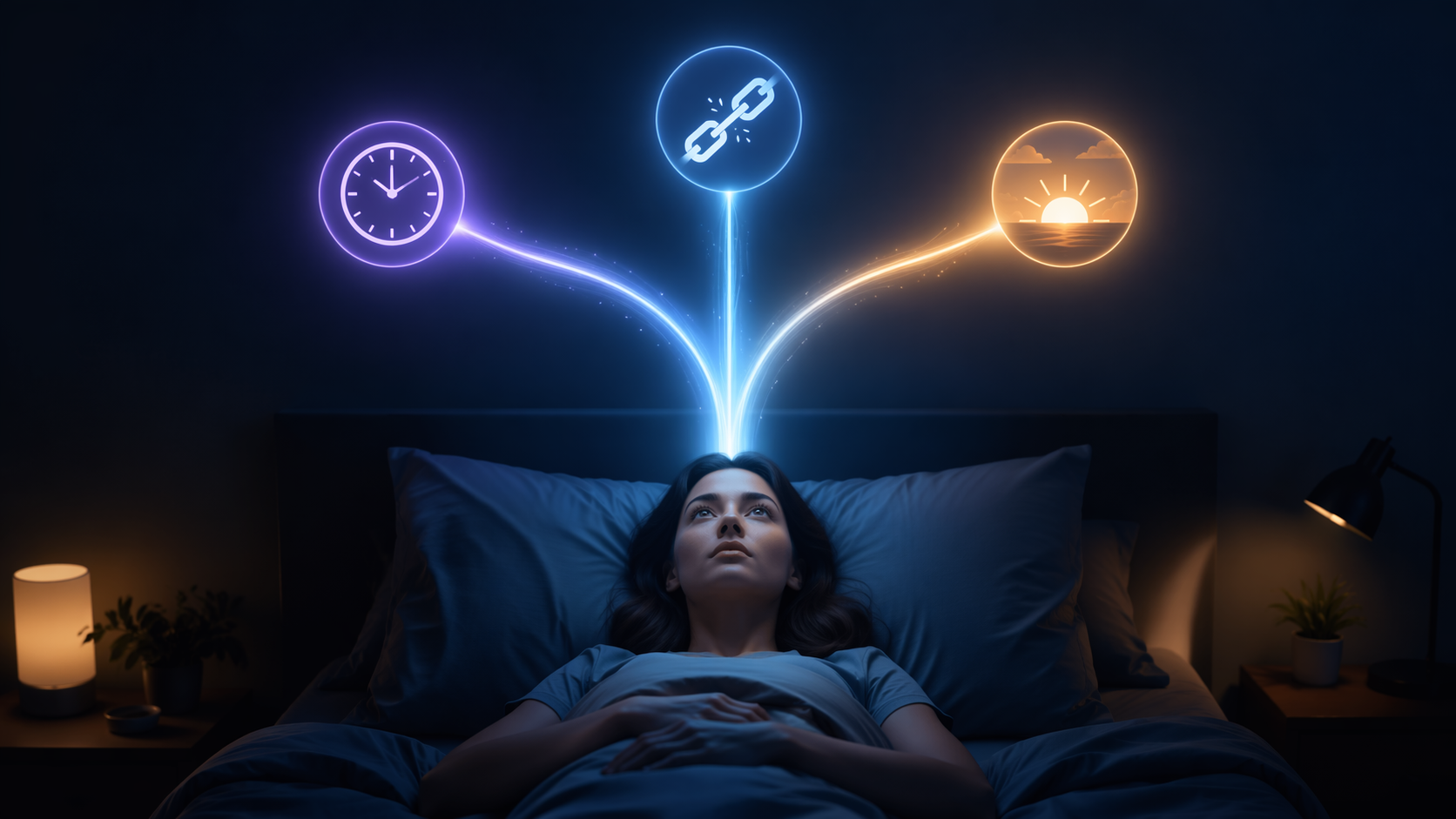
The practical judgment is simpler than the evidence base might sound: before treatment, SCI sleep problems need a multi-mechanism recognition framework. Think in pathways, not in a single symptom. If the next step is sorting which pathway is loudest tonight, can help with the first pass, and related guides on sleep apnea and sleep position can narrow the conversation before anyone reaches for a one-size-fits-all fix.
References
- Impact Of Spinal Cord Injury On Sleep: Current Perspectives — PubMed Central
- Study finds high rate of sleep apnea among people with spinal cord injury — AASM
- A review of sleep research in patients with spinal cord injury — PubMed Central
- Experience of sleep in individuals with spinal cord injury — PubMed Central
- Sleep Problems in Individuals With Spinal Cord Injury: Frequency and Age Effects — PubMed Central
- Tetraplegia is a risk factor for central sleep apnea — PubMed Central

Comments
Join the discussion with an anonymous comment.