
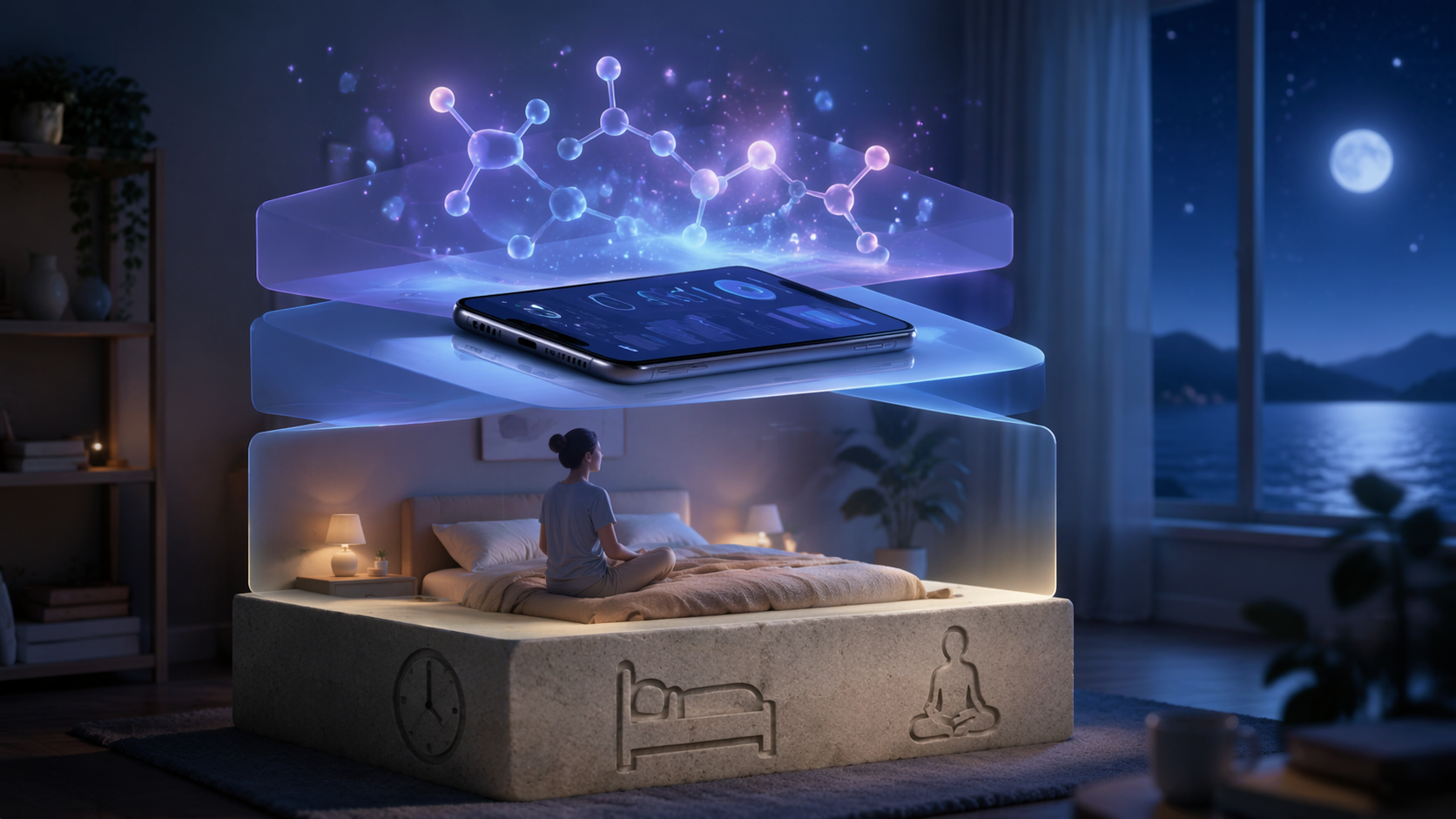
A sleeping problem at night can start as a rough week and quietly become something else. The difference matters: an AASM survey found that 12% of Americans have been diagnosed with chronic insomnia, Cleveland Clinic puts chronic insomnia at about 10%, and Sleep Foundation reports that roughly one in three adults worldwide report insomnia symptoms. Those numbers do not mean the same thing, but together they show why repeated wakefulness is common without being trivial. When the problem has lasted for months, the next question is no longer which bedtime trick to repeat, but which treatment level actually fits. Sleep hygiene fundamentals can still help as a support layer, but it is not the same thing as treatment for chronic insomnia. [1][2][6]
CBT-I is still the benchmark
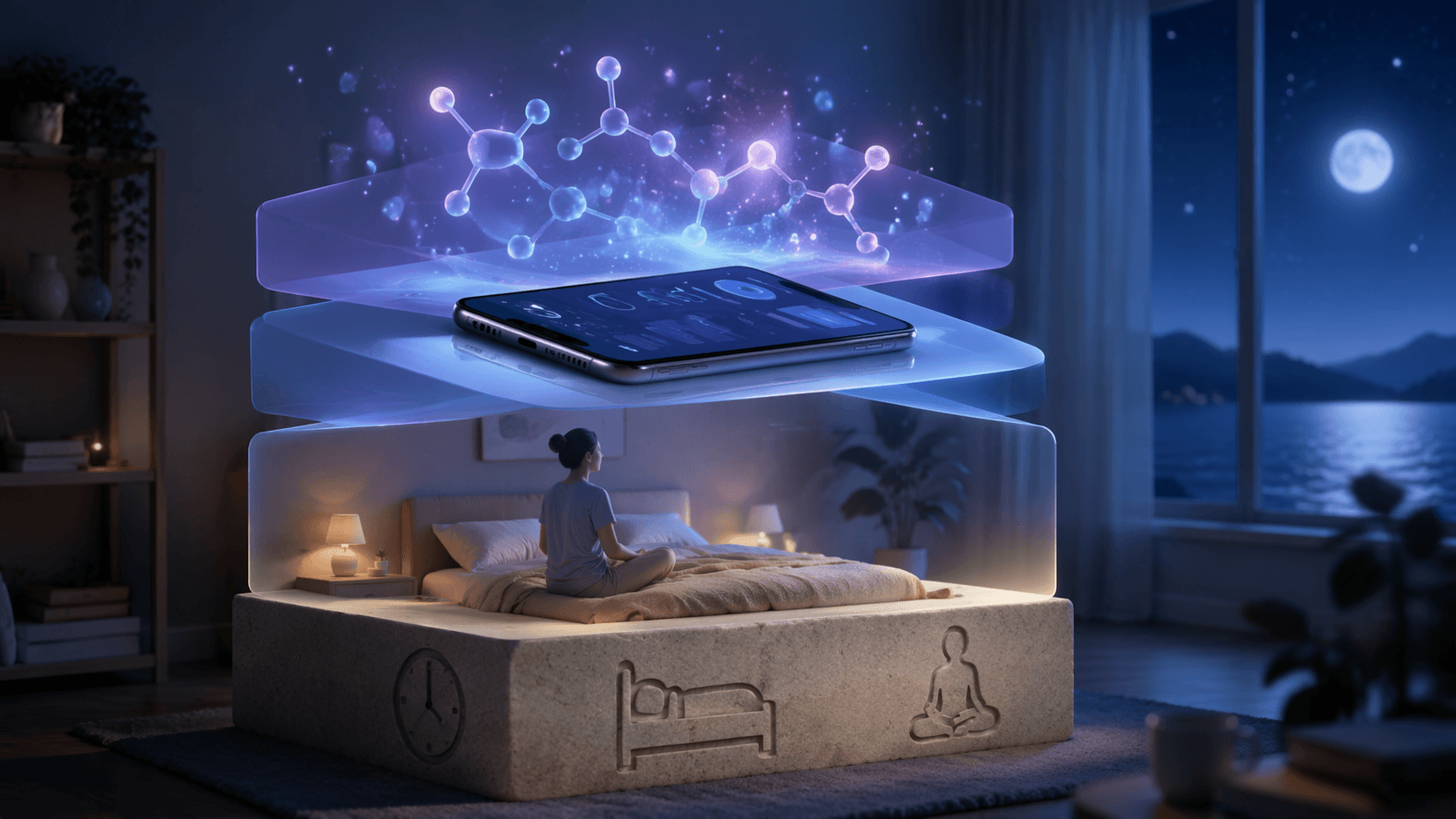
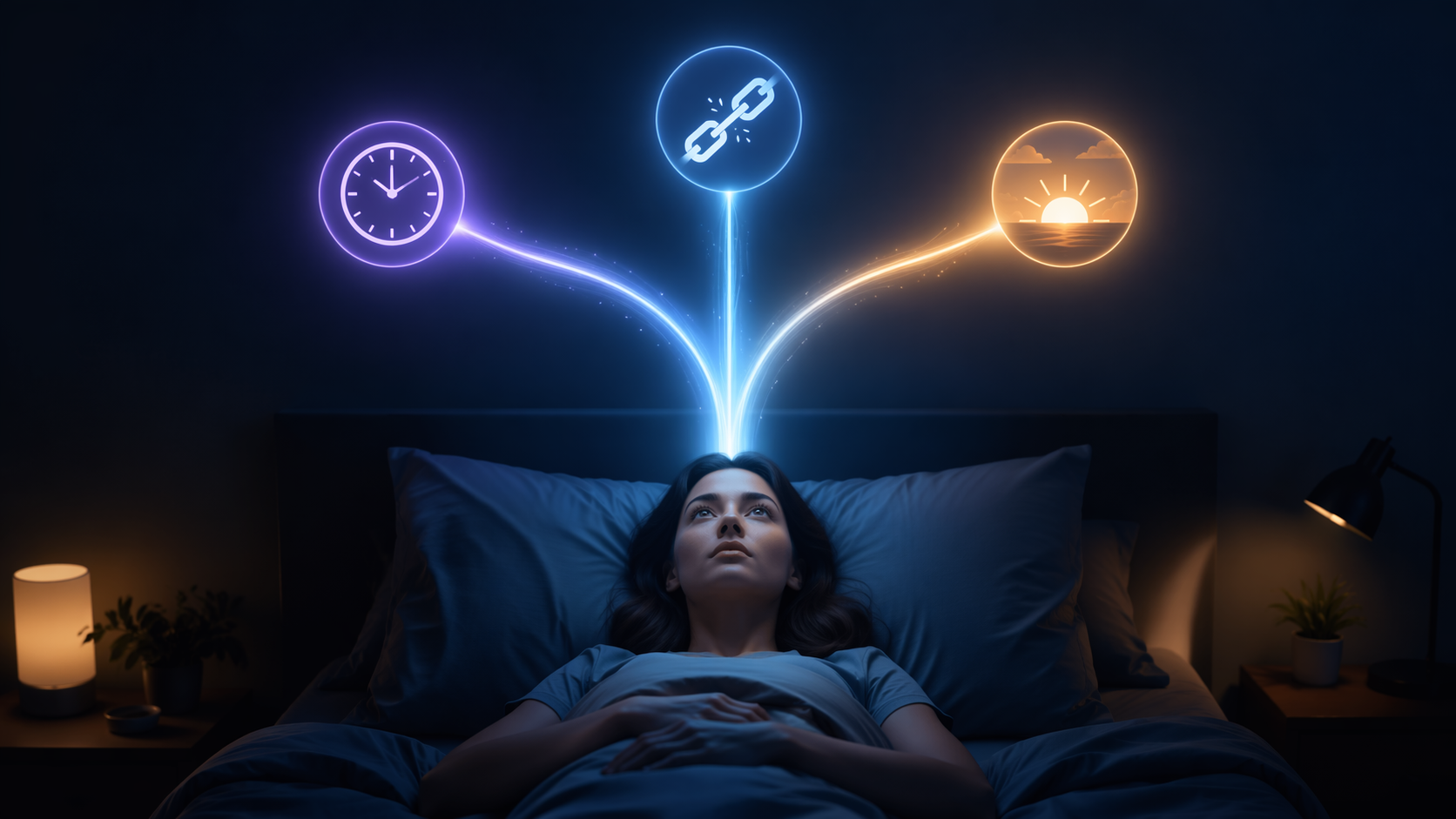
Cognitive behavioral therapy for insomnia, or CBT-I, is the treatment all newer options are still measured against. It usually runs for 6 to 8 sessions and improves sleep for 70% to 80% of people with primary insomnia. The point is not to make sleep prettier; it is to change the conditions that keep wakefulness going. Stimulus control and sleep restriction are core parts of that work, which is why a plain routine fix is not enough for chronic cases. [3]
That distinction is why a patient can follow a dozen tips and still be stuck. The treatment question begins where generic advice stops, which is also why a focused guide like the CBT-I FAQ is more useful here than another reminder about a dark bedroom.
What the April 2026 AASM update actually changed
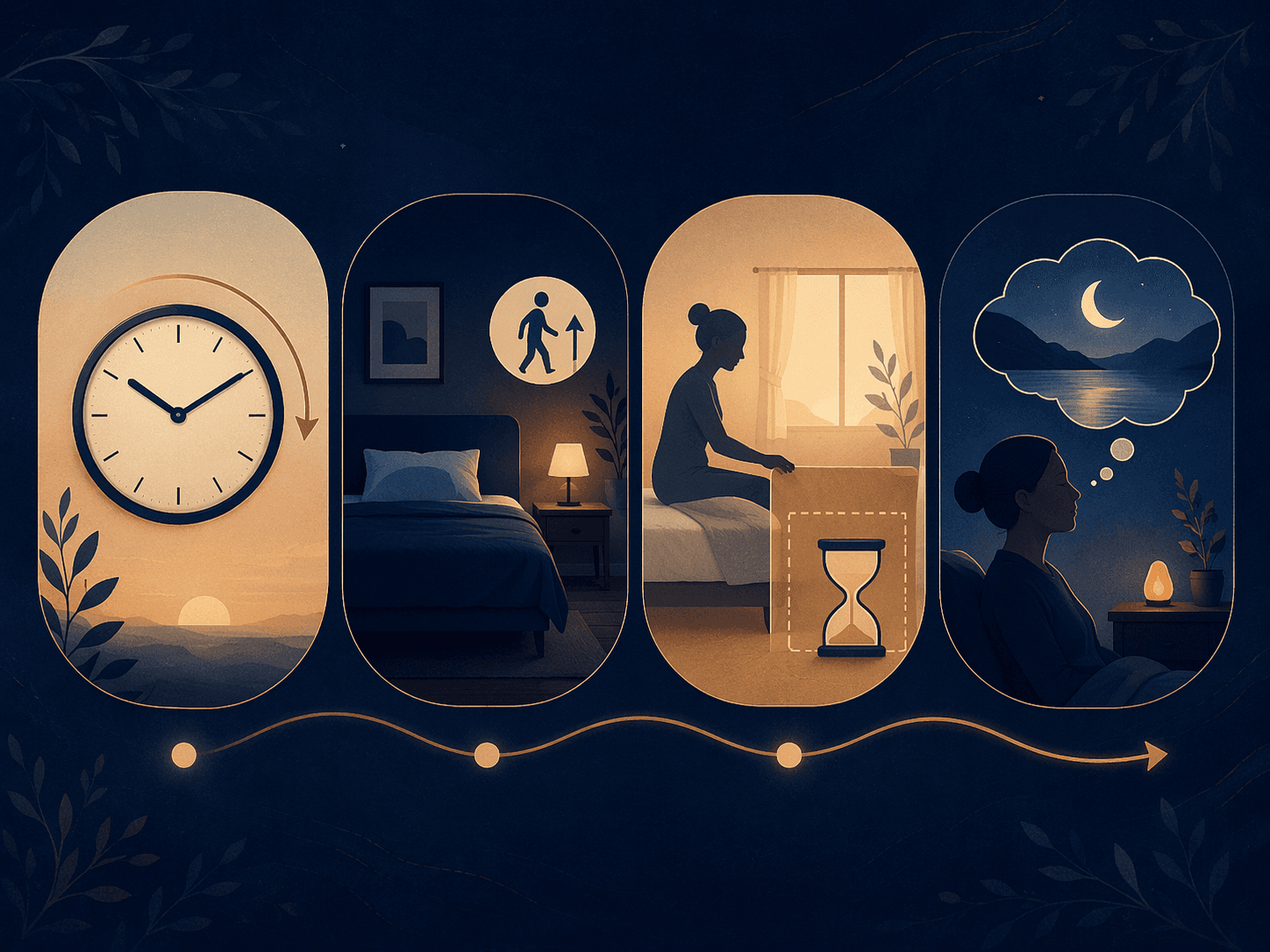
The key change in the April 2026 AASM guideline is narrower than the headlines make it sound. For adults with chronic insomnia disorder, the guideline recommends combination treatment — CBT-I plus insomnia medication — over medication alone, but only conditionally. It does not recommend combination treatment over CBT-I alone, which keeps CBT-I in the lead rather than replacing it. [4]
That conditional language matters. It leaves room for clinician judgment and patient preference, especially when someone has already tried behavioral treatment and is still not sleeping enough to function. It does not turn every sleeping problem at night into a medication problem, and it does not erase the idea that treatment should start from a behavioral base. [4]
Digital CBT-I makes access less dependent on the wait list
For many adults, the barrier is not skepticism; it is access. Trained CBT-I clinicians are limited, and wait lists can stretch the time to care. FDA-cleared digital CBT-I changed that access problem in August 2024 when SleepioRx received clearance, and a 2024 meta-analysis of 15 studies found digital and in-person CBT-I to be equally effective, with digital platforms showing efficacy as high as 76%. [5]
That makes digital treatment a serious bridge, not a novelty app story. It can be especially useful when the main obstacle is availability, but it is not automatically the right fit for everyone. People with more complex psychiatric symptoms, medication questions, or other sleep-disrupting conditions may still need in-person supervision and a broader clinical review.
Where DORAs fit, and why they are different from older sedatives
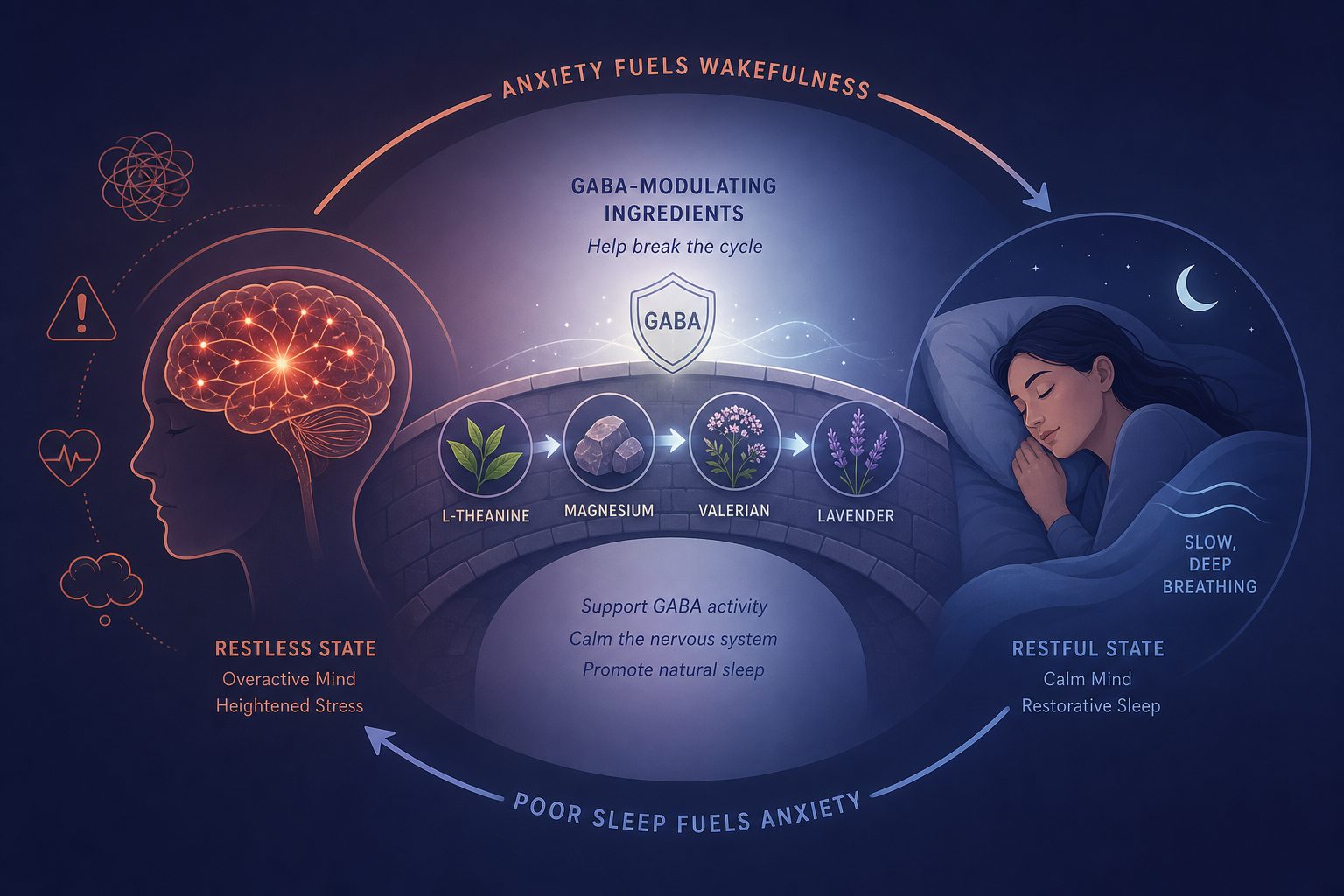
The newer prescription class worth understanding is the DORA group: daridorexant, lemborexant, and suvorexant. Instead of broadly sedating the brain through GABA pathways like benzodiazepines and Z-drugs, DORAs block orexin, the wakefulness signal. That difference is why they are better understood as wake-signal blockers than as simply "stronger sleeping pills." [5]
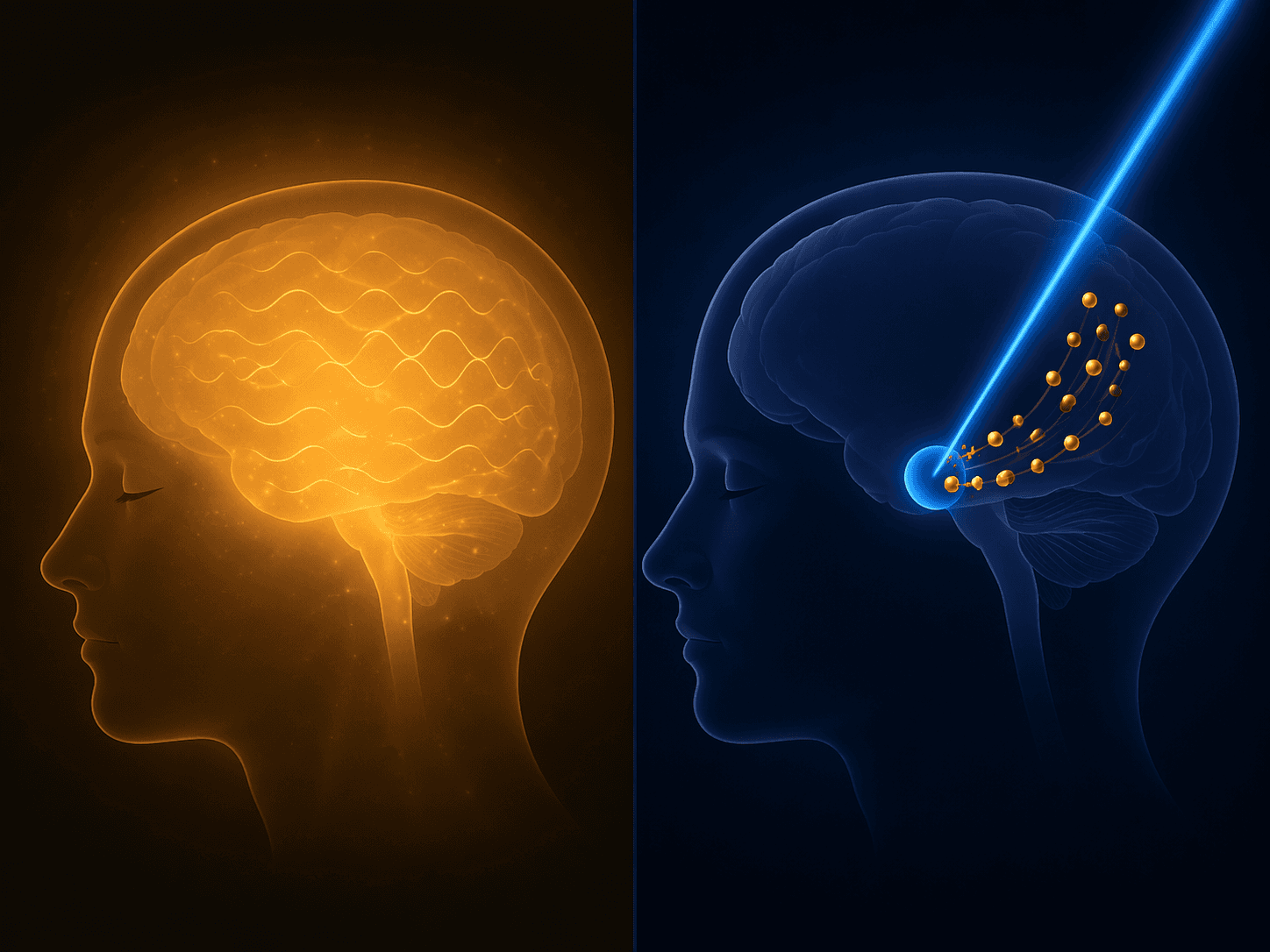
Among the approved DORAs, daridorexant has attracted attention because trial data reported lower fatigue and drowsiness scores and improvement in next-day functioning. That is useful information, but not a reason to self-rank medications. The point is that orexin-blocking drugs give clinicians another way to match treatment to the problem without collapsing every case into the same sedative approach. [5]
For someone who has been awake at 3:40 a.m. for months, the useful frame is simple: confirm whether the pattern meets chronic insomnia criteria, make sure CBT-I has been tried in a structured way, and then decide whether digital CBT-I, medication, or both belong as additions. The 2026 landscape offers more than "try harder" or "take a pill," but it still starts with the CBT-I-centered hierarchy and adds support from there.
References
- Survey shows 12% of Americans have been diagnosed with chronic insomnia — AASM — 2024
- Insomnia: What It Is, Causes, Symptoms & Treatment — Cleveland Clinic — 2026
- Cognitive Behavioral Therapy for Insomnia (CBT-I): How It Works — Sleep Foundation
- New 2026 AASM Chronic Insomnia Disorder Guideline Now Available — Guideline Central — April 2026
- New treatments to put insomnia to bed — Nature — April 2025
- 126 Sleep Statistics: Facts and Data About Sleep 2026 — Sleep Foundation


Comments
Join the discussion with an anonymous comment.