
If you are looking for new Netflix movies to watch before bed, the useful question is not whether a screen is ideal. It usually is not. The more realistic question is whether tonight’s choice is likely to leave your brain softly occupied or still negotiating a plot twist at 12:40 a.m.
For this guide, “safe before bed” means lower arousal potential. It does not mean sleep-promoting, clinically proven to treat insomnia, or harmless for every person. A gentle movie can still delay sleep if it pushes bedtime later, if the tablet is bright, or if the story lands on a personal sore spot. But some viewing choices ask less from the nervous system than others.
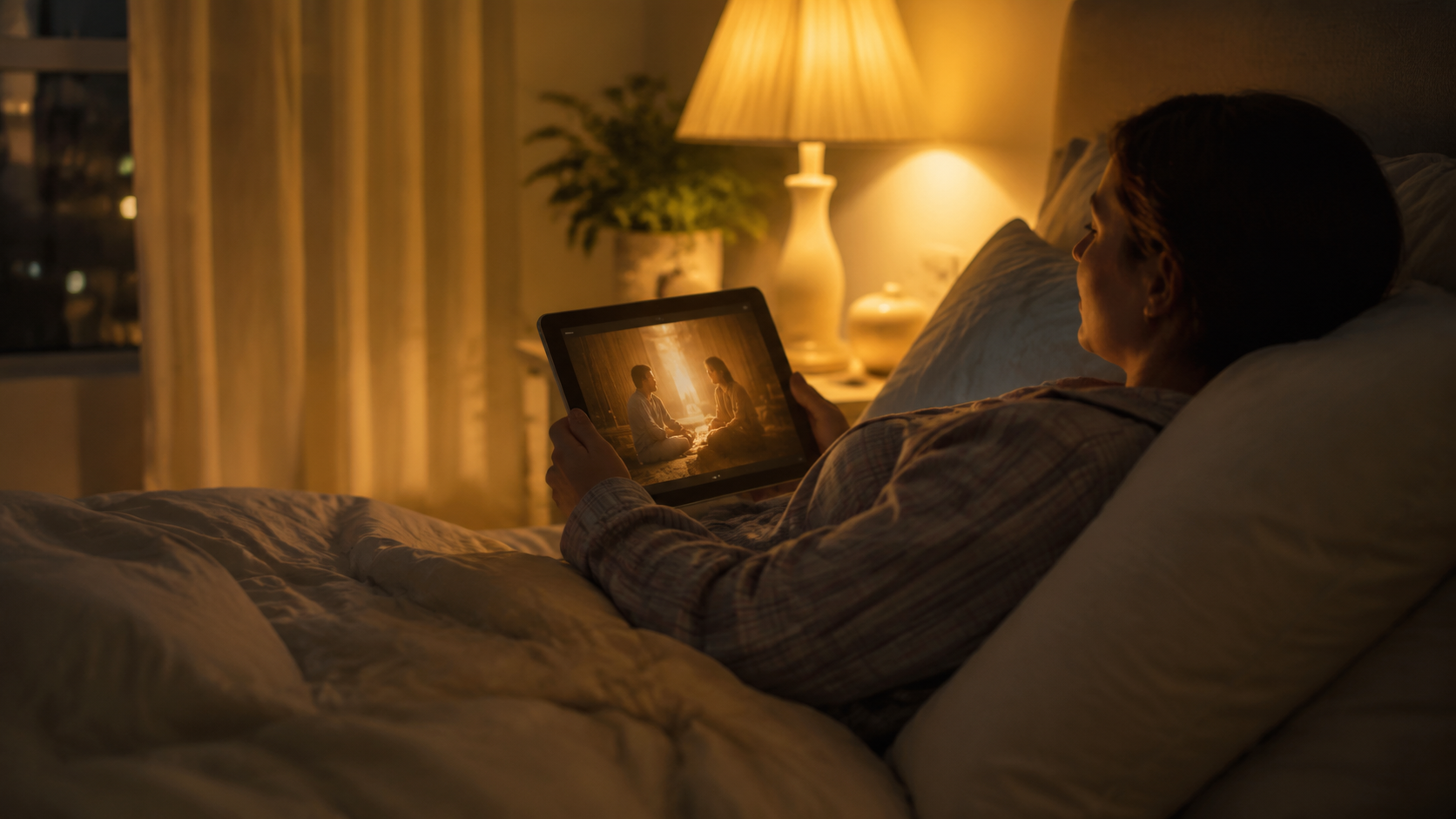
A 2025 Frontiers in Psychiatry study of about 40,000 Norwegian university students found that each additional hour of screen use after going to bed was associated with a 59% higher risk of insomnia, and that the association varied by content category.[1] That is the most important finding here, and also the place to be careful: the study population was young, in Norway, and living in a high-latitude environment with unusual seasonal light patterns. It does not prove that one specific Netflix movie will help or hurt a U.S. adult’s sleep tonight.
Still, it supports a practical point many tired viewers already sense: content is not neutral. A movie that keeps opening loops — danger, suspicion, pursuit, betrayal, unresolved romance, a final-scene hook — gives the brain material to keep processing. A movie that moves through familiar emotional territory, resolves its tensions cleanly, and keeps its sound and lighting steady is less likely to behave like a second cup of coffee for your attention.
The Bedtime Movie Test
The American Academy of Sleep Medicine has reported that 91% of people have stayed up past bedtime binge-watching.[2] That number is not a reason to scold anyone. It is a reminder that bedtime drift is ordinary adult behavior, especially when the day has been lonely, overloaded, or under-rewarding.
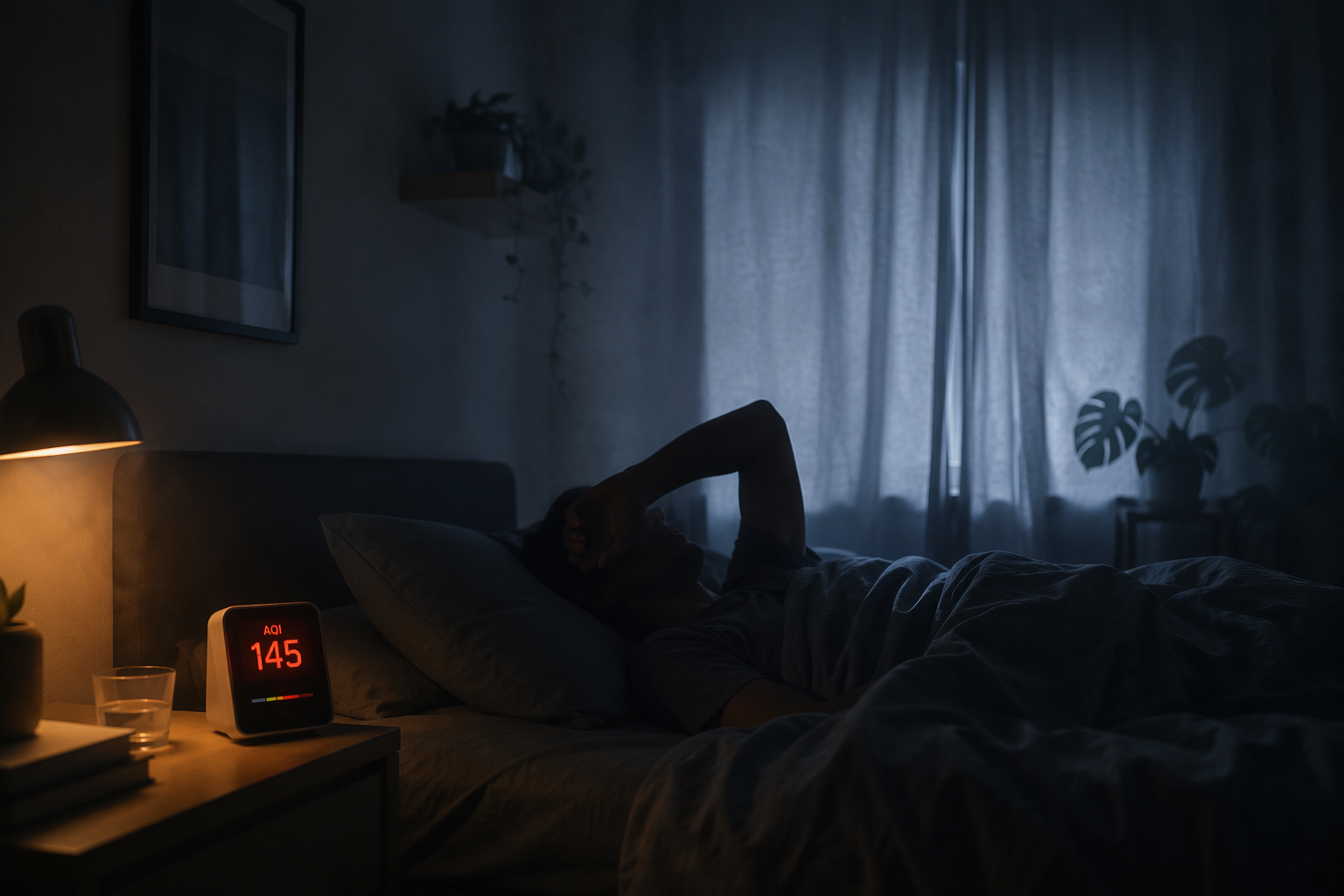
Screen biology still matters. Light from electronic devices can interfere with sleep partly because blue light suppresses melatonin, the hormone that helps signal nighttime to the body.[3] Lowering brightness, using a warmer display setting, and keeping the screen farther from your eyes may reduce some exposure, but content choice does not erase the effect of light or the effect of staying awake longer than planned.
So the test is not “Is this movie good?” It is “Will this movie make me want to solve, brace, decode, or continue?” The best bedtime candidates usually have several of these qualities:
- Consistent audio: fewer sudden volume spikes, screams, explosions, or aggressive musical stings.
- Familiar plot architecture: a story shape you recognize without having to track dense rules or reversals.
- Low narrative stakes: problems matter emotionally, but the movie is not built on threat, survival, or imminent disaster.
- Warm or soft visuals: less harsh contrast, fewer frantic cuts, and a general visual temperature that does not feel like an alarm.
- Limited cliffhanger pressure: a story that closes rather than nudges you toward “just one more.”
- Predictable emotional landing: not necessarily bland, but not designed to leave you unsettled.
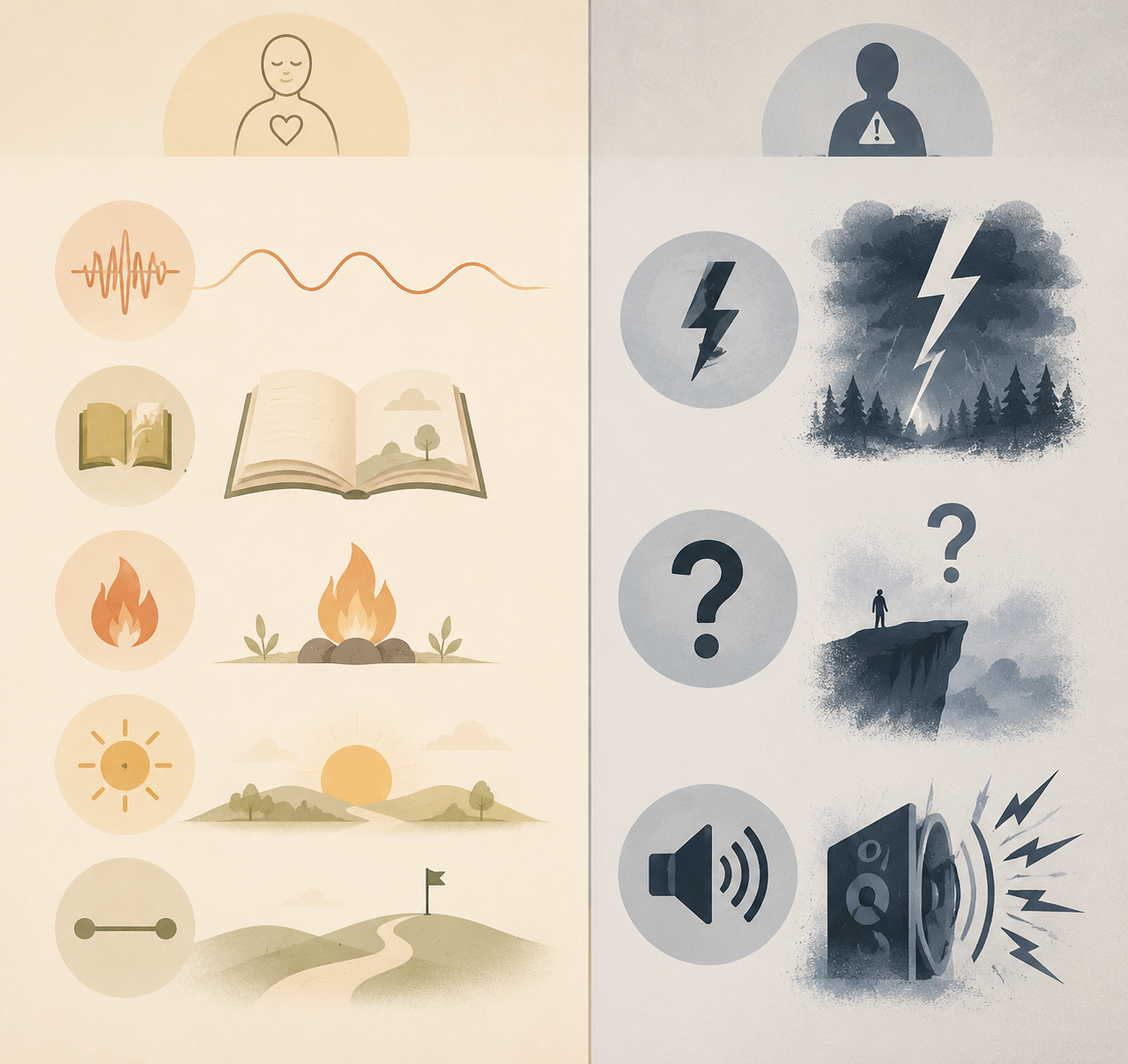
That screening lens is a synthesis from sleep-health evidence, media psychology, and practical viewing behavior. The Frontiers study suggests content category matters, but it did not test the exact Netflix titles below as sleep interventions.[1] Think of these as lower-risk choices, not prescriptions.
New to Netflix Does Not Always Mean Newly Made
A small streaming note matters here. Some of the best bedtime candidates in Netflix’s July 2026 lineup are licensed films arriving on the service, not newly produced Netflix originals. Netflix’s own Tudum listings identify July 2026 additions including A Beautiful Day in the Neighborhood, 80 for Brady, A Dog’s Journey, A Dog’s Purpose, Heartstopper Forever, and Remarkably Bright Creatures; What’s on Netflix also tracks July 2026 arrivals separately from original-release status.[4][5][6]
That distinction is useful because a bedtime viewer may care less about premiere status than emotional texture. A 2019 licensed film that lands softly can be a better pre-sleep choice than a brand-new original built around threat, speed, or unanswered questions.
Best New Netflix Movies to Watch Before Bed
A Beautiful Day in the Neighborhood
A Beautiful Day in the Neighborhood is a licensed 2019 film listed by Netflix as arriving July 1, 2026.[4] It is one of the stronger bedtime candidates because its pace and emotional architecture are unusually compatible with winding down. The movie’s central tension is not whether someone will survive an external threat, but whether a wounded adult can soften around grief, anger, and distrust.
For sleep purposes, that matters. The film gives the viewer a recognizable path: guardedness, contact, resistance, repair. Its dialogue-heavy scenes and warm human focus reduce the need to track complicated plot mechanics. It can still be emotionally moving, and for some viewers family grief may feel too close to bedtime. But compared with suspense or action, it is less likely to leave the brain rehearsing unresolved danger.
80 for Brady
80 for Brady, a licensed 2023 comedy, appears in Netflix’s July 2026 movie listings.[4] It is not quiet in the way a hushed drama is quiet, and sports-event energy may be too lively for someone who needs silence before sleep. Still, its emotional stakes are legible and friendly: companionship, aging, fandom, and a group adventure with a broadly upbeat frame.
The reason it can work before bed is predictability. The movie is not asking the viewer to decode a mystery or brace for cruelty. It offers comic momentum without the kind of threat loop that keeps attention on alert. If loud comedy tends to wake you up, keep the volume low and skip this one on fragile nights. If cheerful ensemble stories help you come down from the day, it is a reasonable low-stakes pick.
A Dog’s Purpose and A Dog’s Journey
Netflix’s July 2026 listings include licensed dog-centered films A Dog’s Purpose and A Dog’s Journey.[4][6] On paper, they fit several bedtime criteria: familiar structure, warm sentiment, clear emotional arcs, and little need to track a complex plot. They are the kind of movies many people choose when they want company more than stimulation.
They also need the strongest individual-tolerance warning. A dog movie may be cozy for one viewer and devastating for another, especially if pet loss is recent or tender. Low arousal does not mean low emotion. If animal stories make you cry hard, save them for earlier in the evening. If they usually comfort you, their predictable tenderness may be gentler than a thriller that keeps your threat-detection system engaged.
Heartstopper Forever
Heartstopper Forever is listed among Netflix’s 2026 movie releases, with Netflix Tudum and Netflix-original release tracking distinguishing it from older licensed arrivals.[5][7] As a bedtime candidate, its appeal is tonal. The Heartstopper world is associated with young love, emotional sincerity, and soft visual design rather than menace or violent escalation.
The main sleep-friendly feature is emotional legibility. A viewer is not being asked to parse a puzzle box or withstand a string of shocks. The caution is that romantic and identity-centered stories can feel very personal, and personal resonance is arousing in its own way. If it makes you reflective but settled, it may work. If it sends you into memory, comparison, or worry, it belongs earlier in the night.
Remarkably Bright Creatures
Remarkably Bright Creatures appears in Netflix’s 2026 movie-release coverage.[5] Its bedtime promise depends on execution, because a title’s premise alone cannot guarantee a calm viewing experience. Based on the selection lens, it is the kind of candidate to approach by checking tone first: warm lighting, measured pacing, clear emotional stakes, and a story that feels more companionable than urgent.
This is where a trailer can be more useful than a synopsis. Before choosing it at 10 p.m., sample a minute or two earlier in the day. Listen for sharp sound design, watch the cutting rhythm, and notice whether the story seems to invite curiosity or pressure. Curiosity is fine before bed when it has a gentle container. Pressure is the thing that tends to keep the mind open for business.
Movies to Avoid When Sleep Is Already Fragile
The point is not to ban whole genres forever. It is to stop choosing them at the exact hour when your brain needs fewer open loops. If you are already dealing with insomnia, these categories deserve extra caution close to bed.
| Category | Why it can backfire before bed |
|---|---|
| Horror | Threat, startle, dread, and bodily fear are built into the experience. |
| High-arousal action | Fast cutting, loud peaks, pursuit, and danger keep attention mobilized. |
| Suspense | The brain keeps simulating possible outcomes after the screen is off. |
| Cliffhanger-heavy thrillers | Unresolved questions encourage one more scene, then one more episode or title. |
| Very loud comedies | Even without threat, shouting, chaos, and sudden audio spikes can be activating. |
A helpful rule: if the movie’s pleasure depends on your body bracing, guessing, or waiting for impact, it is probably not the bedtime version of pleasure.
How to Watch Without Letting the Movie Take the Night
The gentlest movie can still become a sleep problem if it starts too late or turns into a second feature. Set the container before you press play: decide whether you are watching the full movie, the first half, or a familiar rewatch segment. If you are already in bed, a movie with a clear endpoint is safer than browsing.
- Choose before you get into bed so the algorithm is not making decisions for your tired brain.
- Lower brightness and use warmer display settings; content choice does not cancel blue-light exposure.
- Keep volume modest and avoid headphones if they make the movie feel more immersive than relaxing.
- Stop at a natural scene break rather than waiting for exhaustion.
- If a title becomes emotionally sticky, move it to weekend daytime rather than treating your reaction as a failure.
For some people, a low-arousal movie pairs well with a non-screen cue that tells the body the day is closing. A warm bath is one option; if you like that kind of routine, see A Warm Bath Before Bed Speeds Sleep Onset by 36% for a separate look at timing and temperature.
The Modest Answer
The best new Netflix movies to watch before bed are not necessarily the newest, the most acclaimed, or the most talked-about. They are the ones that let attention settle: steady sound, familiar shape, warm tone, low threat, and a clean emotional landing.
A Beautiful Day in the Neighborhood is the strongest fit here. 80 for Brady may work if upbeat comedy relaxes you rather than revs you up. A Dog’s Purpose and A Dog’s Journey are good only if animal stories comfort you. Heartstopper Forever looks promising for viewers soothed by gentle romance and emotional clarity. Remarkably Bright Creatures is worth screening for tone before making it a late-night choice.
If insomnia is persistent, though, movie selection is not enough. For a deeper treatment path, start with What Actually Cures Insomnia? CBT-I Explained. For the broader foundation around timing, light, caffeine, and routine, use Sleep Hygiene Fundamentals and an Evidence-Based Bedtime Routine. A calmer Netflix choice can be part of a reasonable wind-down compromise. It should not have to carry the whole job of sleep.
References
- Screen use after bedtime and insomnia in Norwegian university students, Frontiers in Psychiatry, 2025.
- Screen Time and Sleep: What New Studies Reveal, Sleep Education, American Academy of Sleep Medicine.
- How Electronics Affect Sleep, Sleep Foundation.
- New on Netflix, Netflix Tudum.
- New Movies on Netflix in 2026, Netflix Tudum.
- What’s Coming to Netflix in July 2026, What’s on Netflix.
- List of Netflix original films (since 2026), Wikipedia.

Comments
Join the discussion with an anonymous comment.