
On a smoke night, sleep can go wrong before the obvious coughing starts. The window is closed, the purifier may be running, the fire may be far away, and still the body behaves as if the room has become less safe: the throat feels raw, breathing takes more attention, the heart does not quite settle, and the mind keeps checking for danger. That is the central problem behind wildfire smoke sleep effects. Smoke does not disturb sleep through one clean pathway. It pushes on the sleeping body from several directions at once.
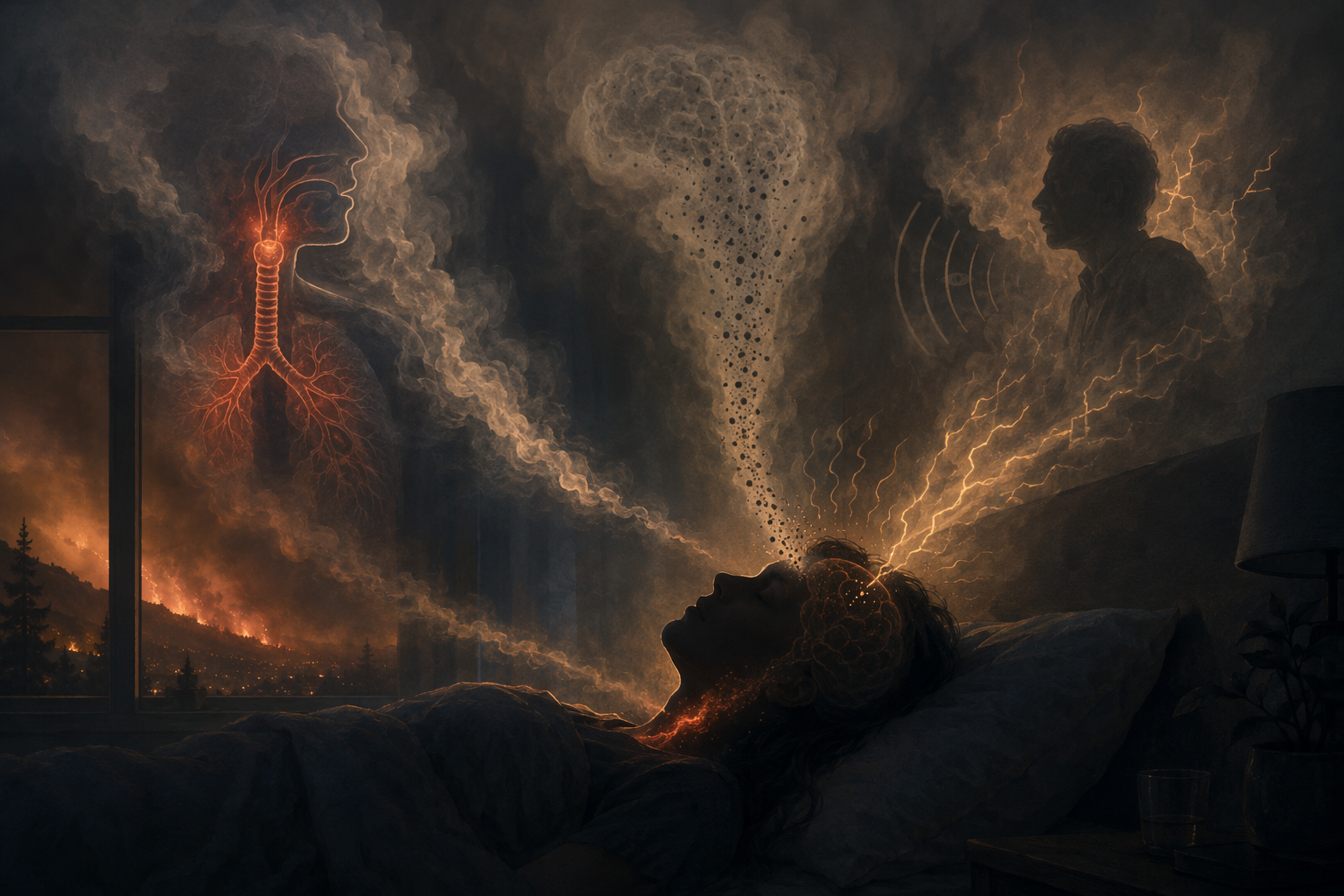
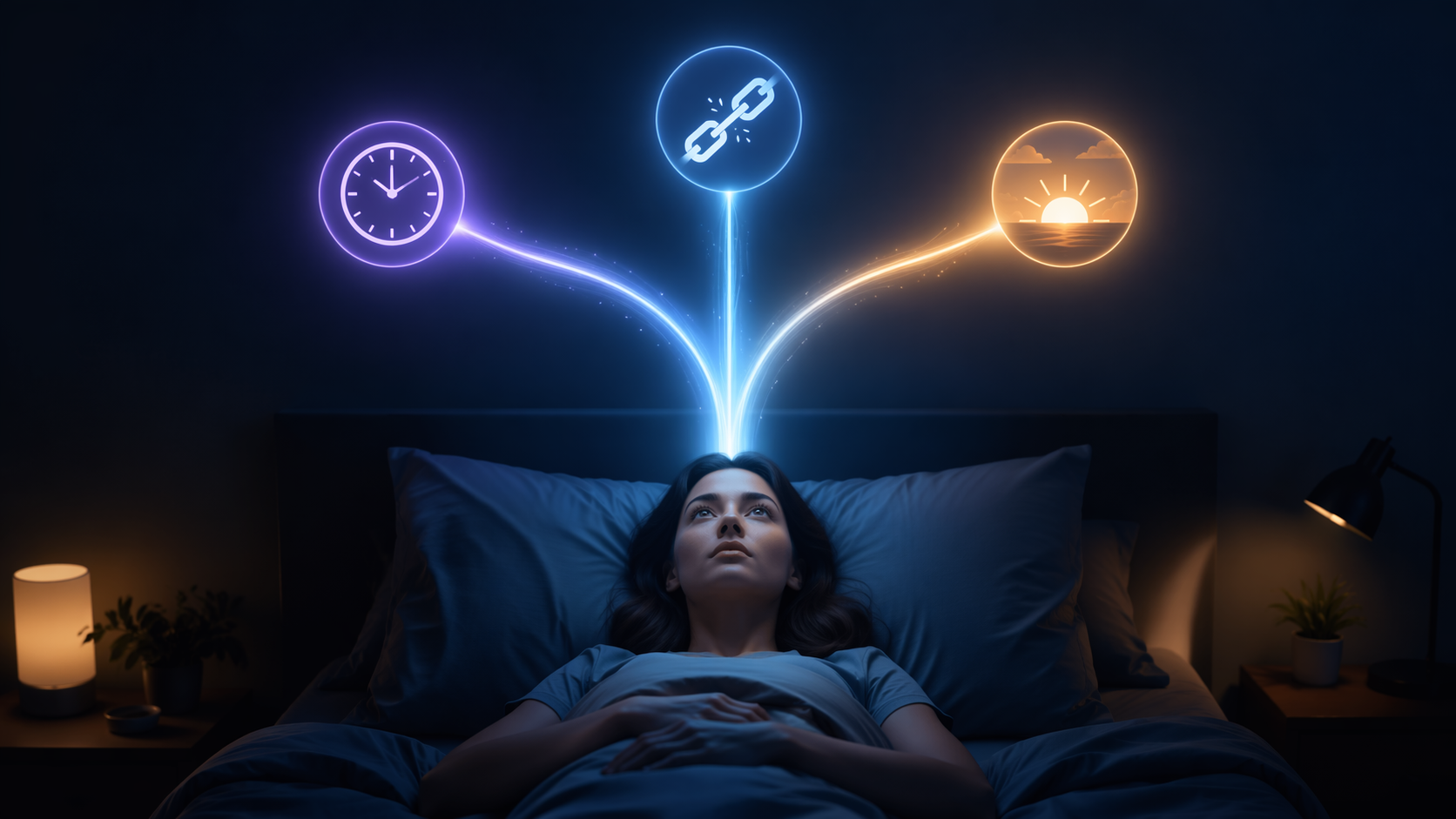
The most useful way to understand the problem is as convergence: irritated airways make sleep more fragile; fine particles may affect inflammatory signaling in and around the brain; and the wildfire context itself can keep the nervous system in a threat-monitoring state. None of those pathways needs to be dramatic on its own to ruin a night. A slightly inflamed airway, a slightly elevated stress response, and a brain that is not getting the usual cues for stable sleep can add up to repeated awakenings, lighter sleep, and the sour exhaustion that follows.
That also explains why “just rest” can feel almost insulting during a smoke event. Rest is not only a decision. It is a physiological state the body has to be able to enter.
The First Hit Is Usually the Airway
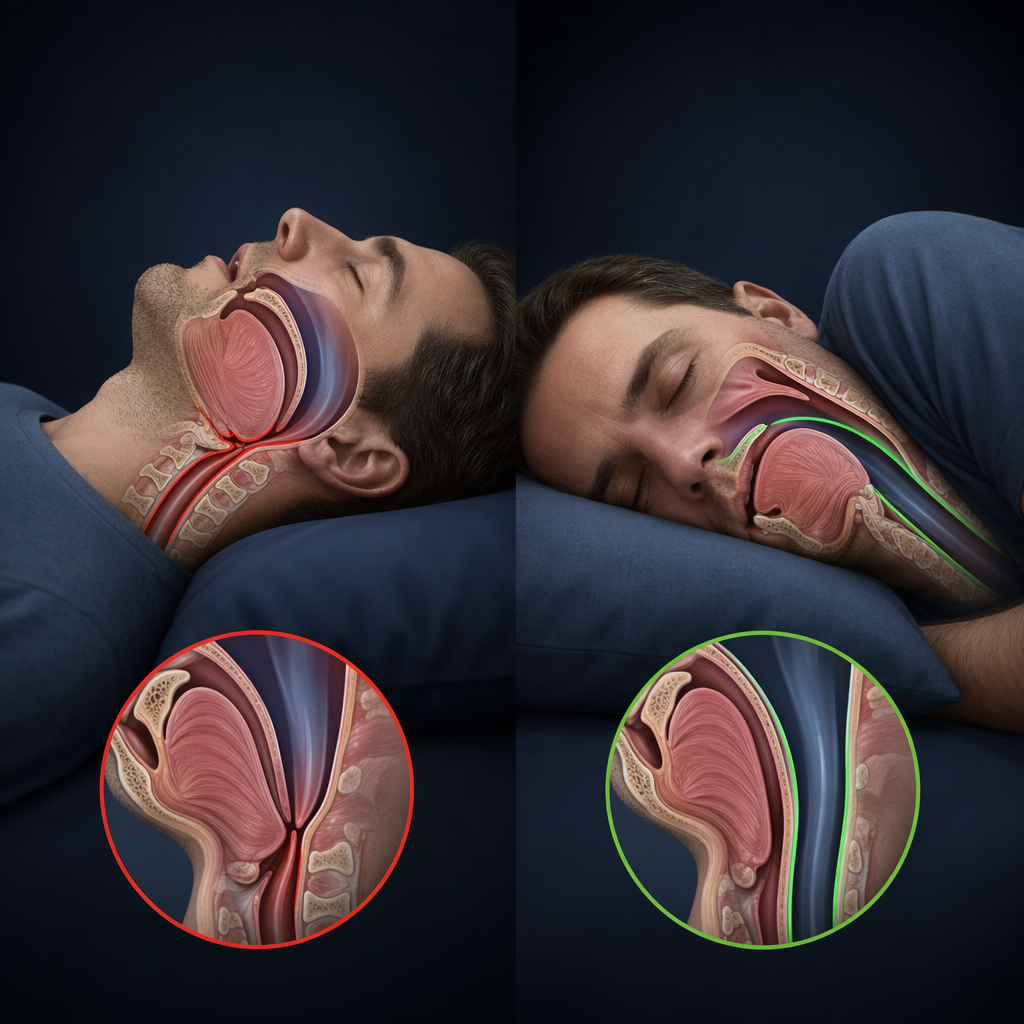
The respiratory pathway is the easiest one to feel. Wildfire smoke carries a mixture of gases and particles that can irritate the nose, throat, bronchi, and deeper airways. During sleep, even small changes in airway comfort matter. A dry throat can trigger swallowing or coughing. Nasal irritation can push a person toward mouth breathing. Inflamed airways can make breathing feel more effortful, especially for people with asthma, chronic obstructive pulmonary disease, allergies, recent respiratory infections, or sleep apnea.
Sleep is built on repetition: breathing stays regular, arousal thresholds stay high enough, and the brain does not have to keep waking the body to make corrections. Smoke interferes with that quiet repetition. The sleeper may not fully wake each time the airway complains, but the night can still fragment. A person may remember only one or two awakenings and still feel as if sleep never became deep.
This companion piece on how wildfire smoke disrupts sleep quality goes deeper into the immediate airway cascade, including irritant-sensing pathways. Here, the important point is narrower: respiratory irritation does not need to cause a medical crisis to degrade sleep. It only has to make the sleeping body work harder.
Fine Particles May Also Pull the Brain Into the Event
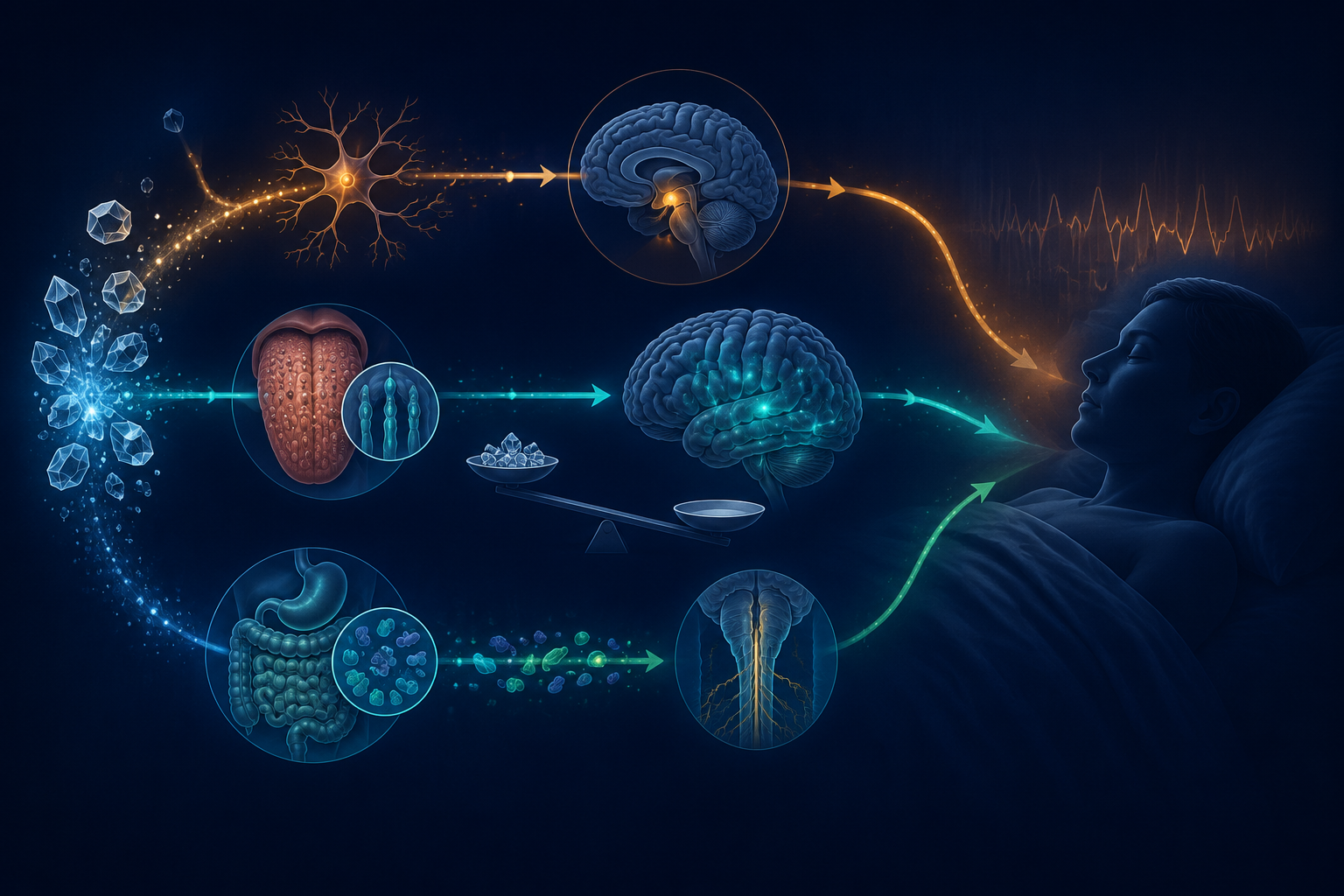
The less obvious pathway starts with PM2.5, the fine particulate matter small enough to penetrate deeply into the lungs. Air quality conversations often stop there, as if the lung were the end of the story. It probably is not. Summaries of the wildfire and sleep literature describe evidence that PM2.5 can infiltrate or affect the central nervous system through routes that include the olfactory pathway and the bloodstream, with potential injury or inflammation in brain regions involved in sleep regulation, including the frontal cortex and cerebellum.[1]
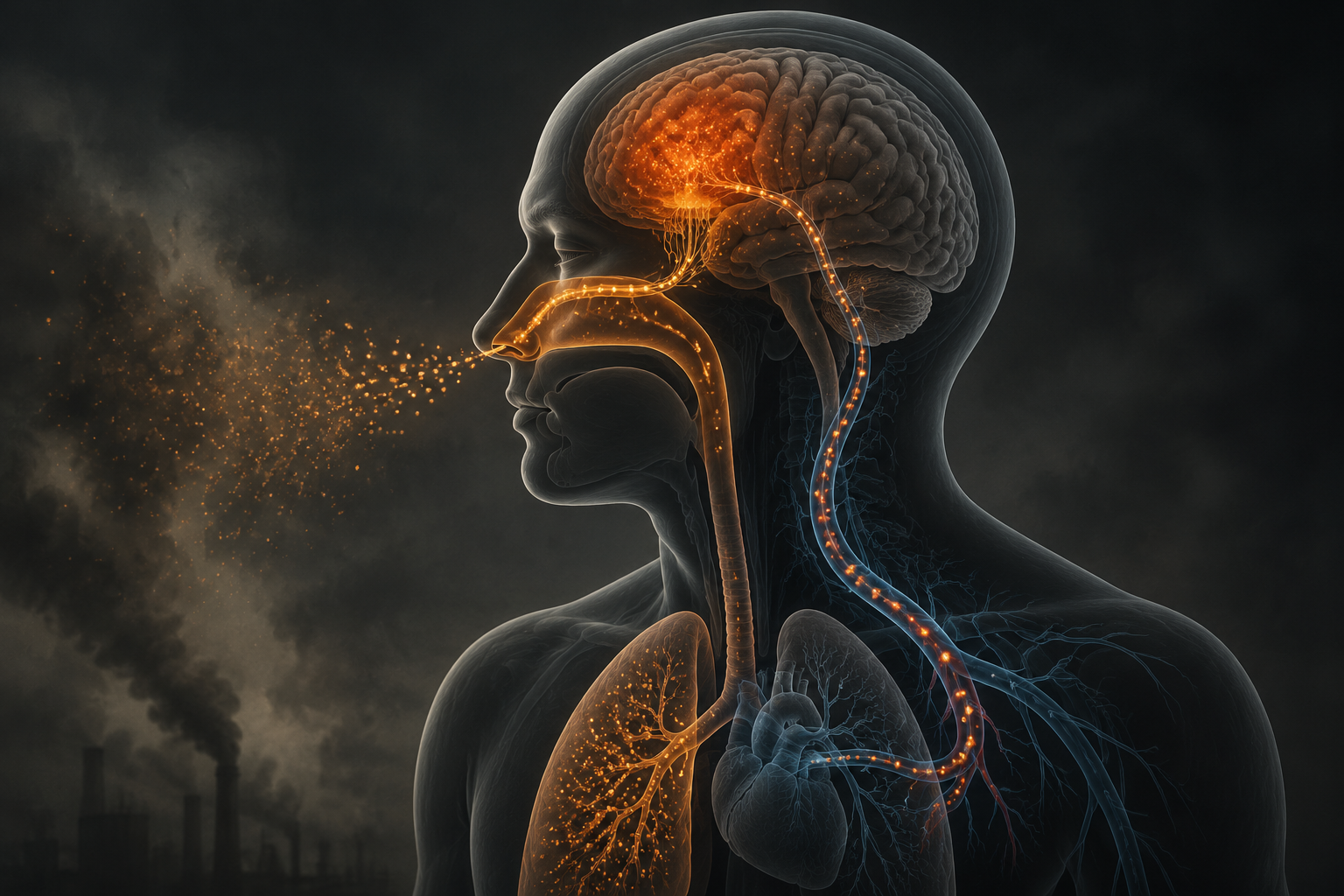
That needs careful wording. This does not mean that every bad smoke night causes measurable brain injury. It means the brain is biologically connected to smoke exposure in more than one plausible way. Particles or particle-triggered inflammatory signals may reach the nervous system through the nasal cavity’s olfactory route, where sensory structures sit unusually close to the brain. Inflammatory mediators generated in the lungs may also circulate through the blood and affect the brain indirectly.
The connection matters because sleep is not simply unconsciousness. It is actively regulated by brain networks, immune signals, hormones, temperature rhythms, and circadian timing. Neuroinflammation is a broad term for immune activation in the nervous system. In the sleep context, it matters because inflammatory signaling can alter how easily the brain transitions into sleep, how stable sleep remains, and how restorative sleep feels afterward.
Circadian biology adds another layer. The brain and peripheral tissues use clock-gene activity to coordinate daily rhythms. If smoke-related inflammatory stress changes that signaling, the effect may not feel like simple irritation. It may feel like being tired but unable to drop into normal sleep, or waking at the wrong time with the body already braced for the day. That is a plausible mechanism, not a settled diagnosis for every exposed sleeper.
General air pollution research points in the same direction: poor air quality can affect sleep through respiratory inflammation, oxidative stress, and nervous-system pathways. For readers who want that broader frame beyond wildfire episodes, the relationship between air quality index and sleep problems is the useful background. Wildfire smoke, however, has an extra burden: it arrives with visible environmental threat.
The Mind May Stay on Alert After the Air Improves
A smoke night is not only a pollution exposure. It is often a warning sign. The orange sky, evacuation alerts, packed bags, news feeds, maps, and smell under the door all tell the nervous system that something is not normal. Even when a person is physically safe, the body may not treat the night as safe enough for deep sleep.
The strongest sleep-disturbance numbers come from wildfire survivors, and they should be read with that context. In a systematic review that found only five qualifying studies, insomnia among wildfire survivors ranged from 63% to 72.5% by self-report, while clinical diagnosis found insomnia in 43.6%; the review contrasted those figures with an approximately 30% general-population rate.[2] Those numbers give scale to what people report after fires, but they do not isolate smoke inhalation from evacuation, fear, loss, displacement, or trauma.
Nightmares make the same point from a different angle. In wildfire-survivor research, nightmares were reported as the second most prevalent sleep disturbance, with rates from 33.3% to 46.5%; one study found nightmares in 46.5% of survivors with PTSD compared with 12.3% of those without PTSD.[3] That is not just “bad sleep” as a side effect of poor air. It is sleep carrying threat memory.
One detail is especially important: “fear of imminent death” during the wildfire predicted insomnia independently of PTSD in the Psarros study.[3] That finding keeps the psychological pathway from being flattened into a single label. A person does not have to meet criteria for PTSD for the body to remember a night when danger felt close.
Emergency-department data point in a similar direction, though from a different kind of evidence. A 2025 JAMA Network Open study of 86,588 mental health emergency visits during California’s 2020 wildfire season found that each 10 μg/m³ increase in wildfire-specific PM2.5 was associated with more anxiety and depression-related visits, with effects persisting up to 7 days after exposure.[4] That does not prove a sleep mechanism, and it comes from one season in one state. It does support the idea that wildfire smoke can leave a psychological strain after the visible fire event has moved on.
This is where wildfire sleep problems differ from many ordinary bad-sleep triggers. A noisy room may wake you. A hot room may keep you restless. Smoke can do those things while also meaning something: fire exists somewhere, the air has changed, and the boundary between outside danger and inside safety feels thinner. The broader science of climate change and sleep loss sits in that uncomfortable overlap between environmental exposure and nervous-system vigilance.
These Pathways Reinforce Each Other
It is tempting to sort wildfire smoke sleep effects into tidy buckets: lungs, brain, mind. Real nights are messier. Airway irritation can cause micro-awakenings. Micro-awakenings make the mind more available for worry. Worry raises sympathetic tone, which can make breathing and heart rate feel more noticeable. Poor sleep then lowers tolerance for the next night’s irritation.
The order can vary. Someone with asthma may start with chest tightness. Someone who has evacuated before may start with a body-level alarm response as soon as the smoke smell appears. Someone far downwind may have no conscious fear but still wake with a dry throat and a restless, unrefreshing sleep pattern. The mechanisms are not competing explanations. They are overlapping routes into the same fragile sleep system.
| Pathway | What It Can Do To Sleep | Important Boundary |
|---|---|---|
| Respiratory irritation | Makes breathing less comfortable, increases coughing or throat clearing, and can fragment sleep | Most intuitive pathway, but not the only one |
| PM2.5 and inflammatory signaling | May affect sleep-wake regulation, neuroinflammation, and circadian signaling | Mechanistically suggestive; not proof of brain injury in every exposed person |
| Psychological hyperarousal | Keeps the nervous system threat-ready, increases insomnia and nightmare risk after wildfire exposure | Survivor studies include trauma, evacuation, loss, and fear, not smoke alone |
This is why the same AQI number may not produce the same night in two people. The particle exposure matters, but so do baseline airway disease, bedroom filtration, previous wildfire experience, current evacuation risk, medications, sleep apnea, caregiving responsibilities, and whether the person has spent the last few hours refreshing maps at 3 a.m. A precise personal prediction is not yet possible from the evidence. The convergence model is the better fit.
Why the Morning After May Matter Cardiovascularly
The final concern is not only that smoke makes people feel poorly rested. Sleep disruption changes cardiovascular regulation, and smoke exposure does too. The more interesting question is whether the combination produces effects that neither stressor fully explains by itself.
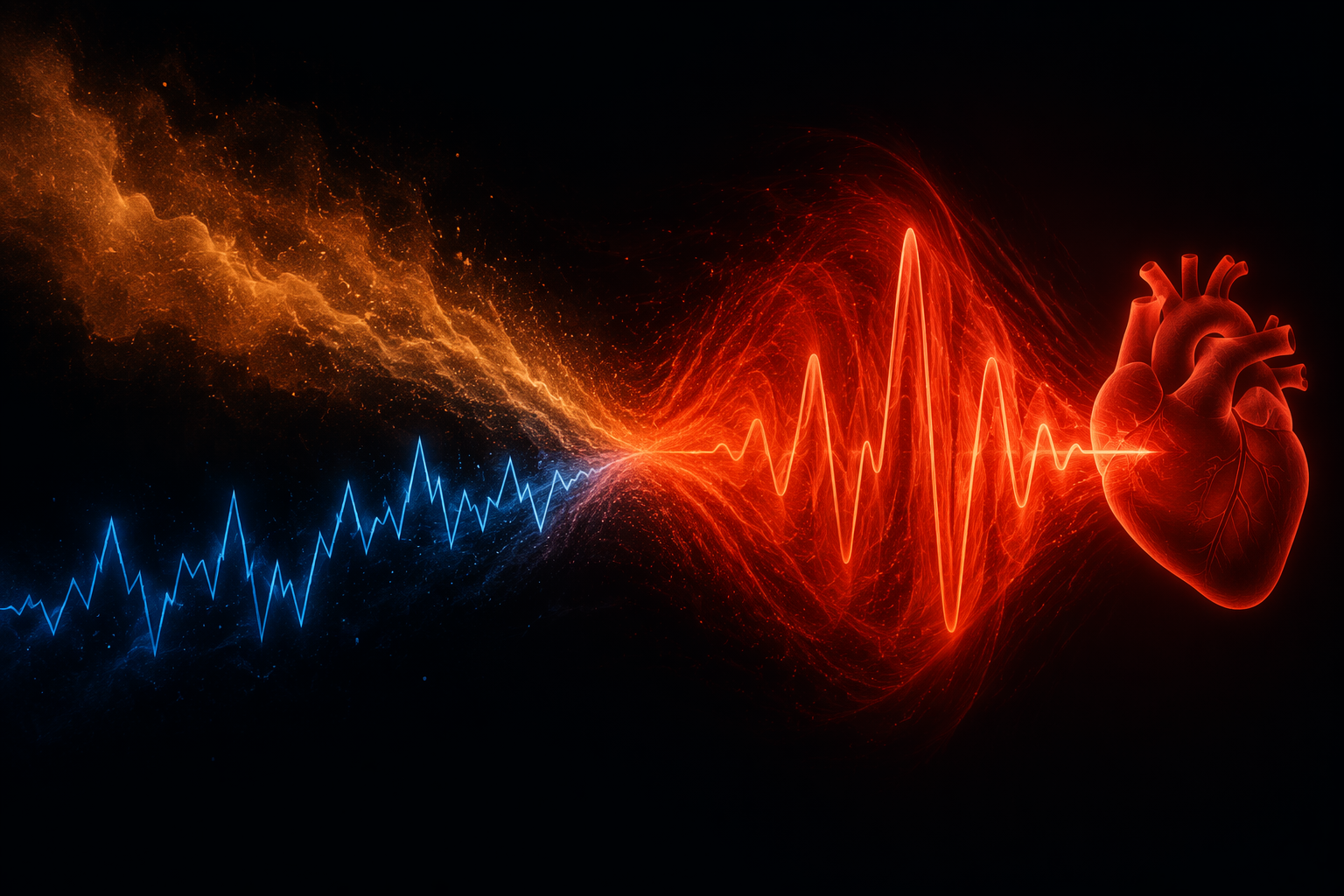
A 2023 U.S. EPA animal study tested that idea in male rats exposed to eucalyptus smoke inhalation, sleep disruption, both stressors, or control conditions. The combined smoke-and-sleep-disruption condition produced synergistic cardiovascular effects, including increased heart rate and blood pressure during the wake-transition period, reduced heart rate variability, and changes in cardiac gene expression related to adrenergic function and vasoconstriction.[5]
The wake-transition finding is worth lingering over. In humans, the morning transition out of sleep is already a cardiovascular stress point: heart rate, blood pressure, vascular tone, and stress hormones shift as the body becomes active. The rat study does not prove that a smoky, sleepless night causes human cardiovascular events. It does suggest that smoke exposure and sleep disruption may interact precisely when the cardiovascular system is changing gears.
The gene-expression findings push the same concern deeper into mechanism. In the study, a single night of sleep disruption alone altered hypothalamic circadian gene Per2 and stress-hormone receptor genes Crhr2 and Nr3c2, while co-exposure with smoke triggered unique renin-angiotensin pathway gene expression.[5] Those are not bedside symptoms. They are laboratory signals that sleep timing, stress regulation, vascular tone, and smoke exposure may intersect more tightly than a simple “bad air causes bad sleep” model allows.
The limits are just as important as the signal. This was a controlled study in male rats, using eucalyptus smoke, under lab conditions. It is mechanistically suggestive, not direct evidence that the same pattern occurs in all humans during wildfire season. It does not tell a reader their personal cardiovascular risk after one bad night. It does, however, make it harder to dismiss smoke-related sleep loss as mere discomfort.
A Calibrated Way To Read a Bad Smoke Night
Wildfire smoke is not just an unpleasant smell that happens to arrive at bedtime. It can irritate the airway, plausibly engage inflammatory pathways connected to the brain, and carry a threat signal that keeps the nervous system from fully standing down. Those pathways can overlap in one body on one night.
That does not mean every restless smoke-season night is dangerous, or that every symptom has a single wildfire explanation. The evidence is still uneven: survivor studies mix smoke with trauma and evacuation; central-nervous-system mechanisms are still being clarified; animal cardiovascular findings need human follow-up. But the most credible reading is convergence. Poor sleep during wildfire smoke is not simply anxiety, and it is not simply throat irritation. It is the sleep system trying to operate while the lungs, brain, stress response, and cardiovascular regulation are all receiving signals that the night is not normal.
References
- How Wildfire Smoke Impacts Your Sleep, Sleep Foundation.
- Climate change and sleep: A systematic review of the literature and conceptual framework, PMC, 2021.
- Sleep disturbances in wildfire survivors with and without post-traumatic stress disorder, PubMed, 2017.
- Wildfire Smoke Exposure and Emergency Department Visits for Mental Health Conditions, Harvard T.H. Chan School of Public Health, 2025.
- Cardiovascular effects of wood smoke and sleep deprivation in rats, Frontiers in Environmental Health, 2023.

Comments
Join the discussion with an anonymous comment.