
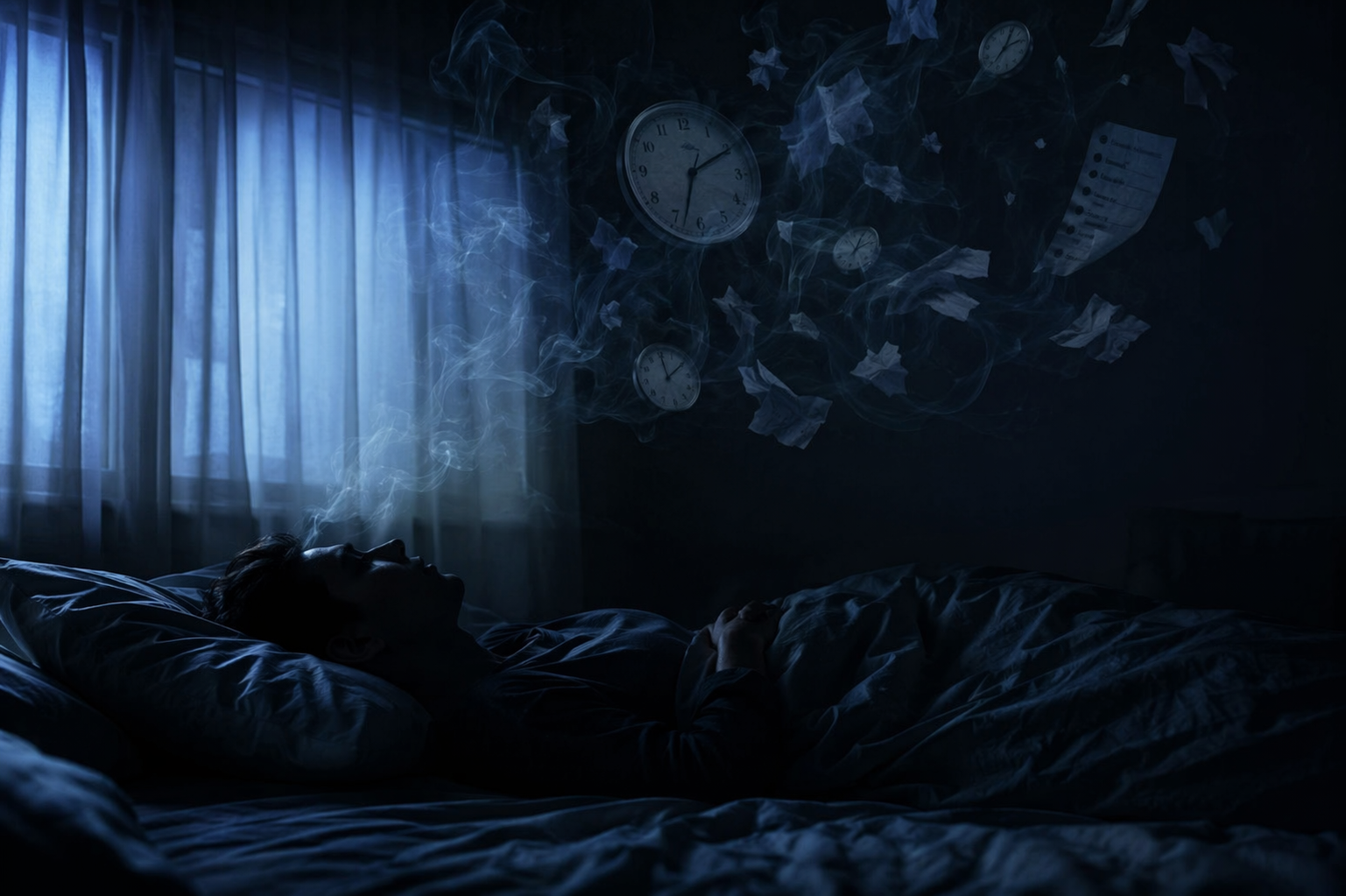
Yes: wine at a nursing home can affect sleep, and the usual direction is worse sleep, not better sleep. A resident may look calmer after a glass of wine. She may fall asleep faster. That visible drowsiness is the misleading part. Alcohol can shorten sleep onset while suppressing REM sleep, increasing sleep fragmentation later in the night, and worsening the second half of sleep, especially when it is taken within a few hours of bedtime.[1]
In a nursing home, that difference matters because the consequences do not end when the resident closes her eyes. They show up when she wakes at 1 a.m., gets confused on the way to the bathroom, breathes poorly, or needs staff help after everyone hoped the evening had settled down.
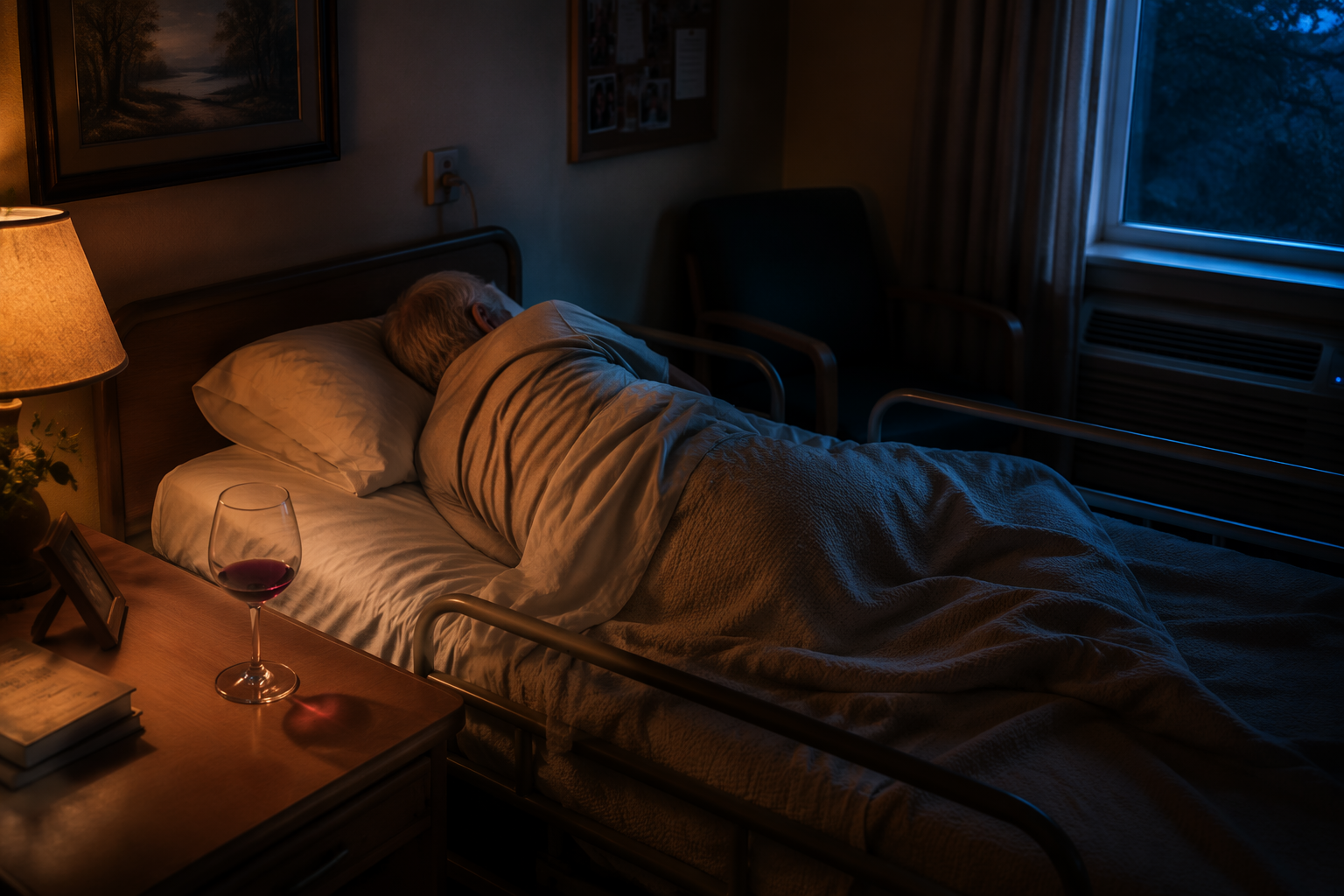
The Problem Is Sedation Being Mistaken for Sleep
Families often describe the same pattern kindly: “They gave Mom wine at night because she sleeps better after it.” What they usually mean is that Mom gets sleepy sooner. That is not the same as getting a better night’s sleep.
Alcohol acts as a sedative early in the night. It can make the first stretch of sleep look easier. But as the body metabolizes it, sleep becomes lighter and more broken. REM sleep is reduced, awakenings become more likely, and the later part of the night can become the messy part: call bells, bathroom trips, wandering, or a resident who is technically “in bed” but not truly resting.[1]
That is why the timing matters so much. Guidance summarized in the sleep literature commonly recommends avoiding alcohol within 3–4 hours of bedtime because the sedating effect does not protect the rest of the night.[1] Wine with a meal at 5 p.m. is not the same sleep risk as wine handed over as a nightcap.
If you want the sleep-stage mechanics, the useful concept is sleep architecture: the cycling between NREM and REM sleep across the night. Wine may help a resident enter sleep, but it can disturb the architecture that makes sleep restorative.
Older Bodies Do Not Handle the Same Glass the Same Way
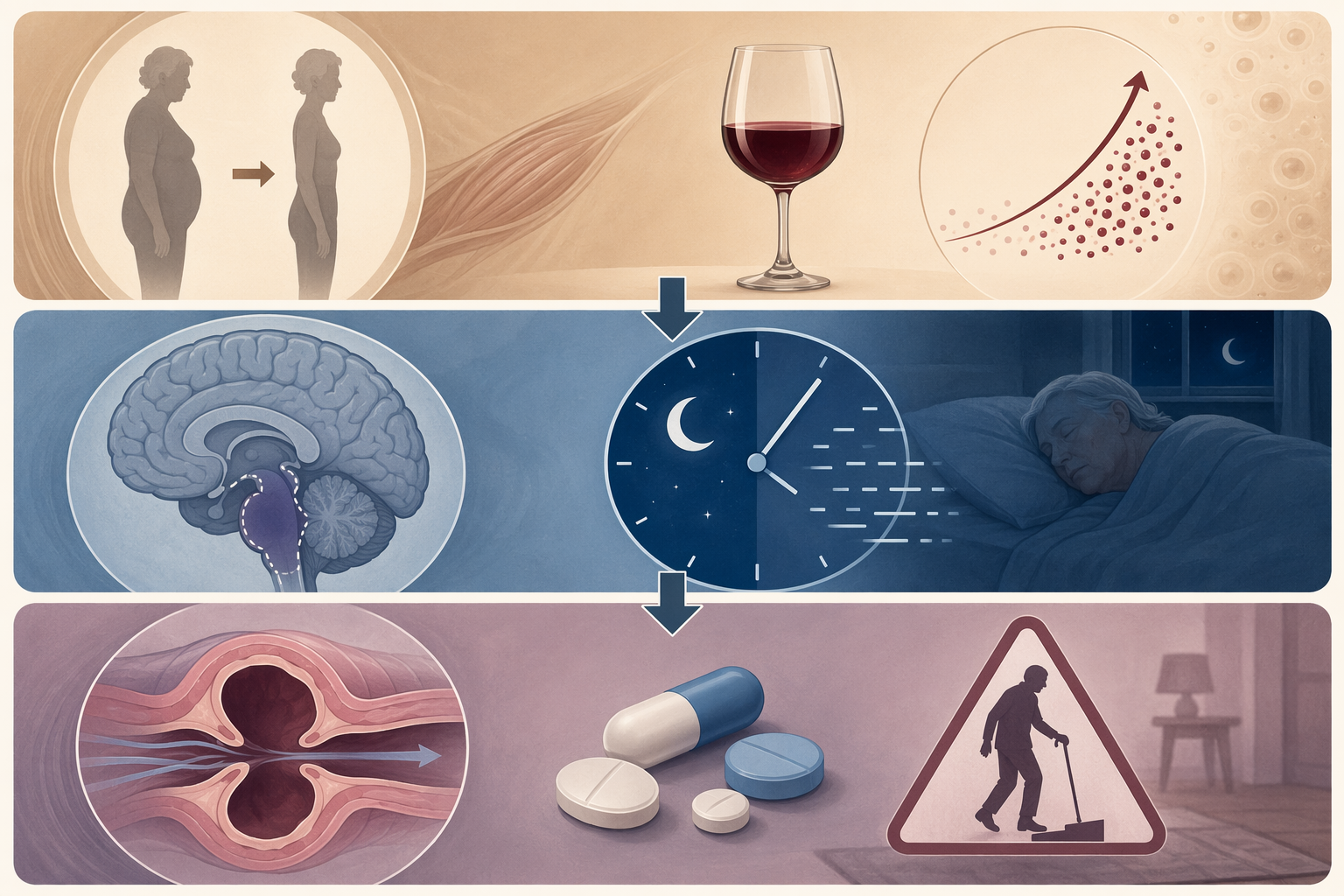
A nursing home is not simply an ordinary adult household with more handrails. Aging changes how alcohol is distributed in the body. The National Institute on Alcohol Abuse and Alcoholism explains that older adults generally have less muscle mass and less body water, so the same amount of alcohol can produce a higher blood alcohol concentration than it would in a younger adult.[2]
That is the quiet reason a “small glass” can behave like a stronger dose. A resident who has lost weight, eats lightly at dinner, uses multiple medications, or has reduced mobility may experience more sedation, more imbalance, and more next-day grogginess than the family expects from the pour size alone.
This does not mean every sip causes a crisis. Dose, timing, food intake, metabolism, diagnoses, and medications all matter. But it does mean the casual adult rule of thumb—one glass is harmless—does not transfer cleanly to frail older adults.
What Happens Later in the Night
The first hour after wine can look like success. The resident seems relaxed. The dining room is quieter. Staff may finally have a chance to finish evening care. But alcohol’s sleep effects are not limited to the first hour.
| Evening observation | What may be happening physiologically | Why it matters in a nursing home |
|---|---|---|
| The resident falls asleep faster | Alcohol’s sedative effect is active early | Sleep onset can be mistaken for sleep quality |
| Sleep becomes restless later | REM sleep is suppressed and sleep is fragmented | More awakenings can mean more call bells, confusion, or attempts to stand |
| Snoring or breathing pauses worsen | Alcohol can worsen sleep-disordered breathing | Low oxygen and repeated arousals can make the night less safe |
| The resident wakes groggy or unsteady | Alcohol effects can combine with age-related vulnerability and medications | Falls, bathroom trips, and next-day sedation become more concerning |
That middle row is often where families miss the connection. If a resident gets wine after dinner and then wakes repeatedly after midnight, the wine may not be remembered as part of the problem because it seemed to “work” at 8 p.m.
Breathing Risk Is Not a Side Issue
The sleep concern is not only whether the resident wakes up. It is also how she breathes while asleep.
A meta-analysis by Simou and colleagues found alcohol consumption was associated with a 25% higher risk of obstructive sleep apnea, and alcohol before sleep significantly increased the apnea-hypopnea index, a measure of breathing interruptions during sleep.[3] Another meta-analysis by Kolla and colleagues found that alcohol within 3–4 hours of bedtime worsened sleep-disordered breathing and lowered oxygen saturation.[4]
That evidence is not wine-specific and it is not a nursing-home-only study. Still, it is highly relevant to nursing-home residents because many older adults have known or undiagnosed sleep apnea, heart or lung disease, sedating prescriptions, or limited ability to reposition themselves easily at night. A bedtime drink can turn a “sleep aid” into one more factor making breathing shallower and sleep more interrupted.
This is also where a family’s observation can be especially useful. Loud snoring, witnessed pauses in breathing, morning headaches, new nighttime agitation, or unusual daytime sleepiness after evenings with alcohol are not small details. They are reasons to ask the care team to reassess the bedtime routine.
Medication Lists Change the Meaning of a Glass of Wine
The average nursing-home resident is not choosing wine in isolation. The glass sits beside a medication administration record: sleep medications, anxiety medications, antidepressants, pain medications, antihistamines, muscle relaxants, blood pressure medications, or drugs that already increase dizziness and confusion.
A case study by Resnick and colleagues described an 80-year-old assisted living resident taking zolpidem 10 mg who also consumed bourbon and wine in the evenings. She woke around 1 a.m. and was falling about twice per week.[5] It is only one case, so it should not be treated as a prevalence estimate. Its value is more practical: it shows the chain that caregivers worry about most—alcohol, sedative medication, nighttime waking, standing up, and falls.
That chain is why “just replace the wine with an over-the-counter sleep aid” is not automatically safer. Many OTC sleep aids have anticholinergic or sedating effects that can be risky for older adults, especially when layered onto prescription medications. If sleep is the problem, the safer conversation is not which sedative to swap in; it is what is waking the resident and which interventions reduce risk. A medication review belongs in that conversation, including before adding an OTC sleep aid.
Why Residents and Families Believe It Helps
The belief that alcohol helps sleep is not rare or foolish. The National Council on Aging reports that 67% of people with insomnia who use alcohol say it helps, even though objective sleep measures show the opposite pattern.[6] That gap between feeling helped and sleeping better explains much of the confusion.
A resident may experience the pleasant part honestly: warmth, ritual, appetite, sociability, relief from the loneliness of the evening. Families may see a calmer transition to bed. Staff may see fewer immediate complaints. None of those observations are fake. They are just incomplete if no one checks what happens from midnight to morning.
That is why this should not be framed as taking away pleasure because pleasure is suspicious. The narrower and fairer point is that wine is a poor sleep tool. If wine is allowed at all, it should not be used as a bedtime medication in a prettier glass.
Red Wine’s Trace Compounds Do Not Cancel Out the Alcohol
The usual objection is red wine: antioxidants, polyphenols, maybe even melatonin. Those compounds exist, but they do not change the sleep judgment. Marhuenda and colleagues found that the melatonin and polyphenol content in wine is far below therapeutic levels and does not offset ethanol’s sleep-disrupting effects.[7]
That matters because “natural” sleep language can blur the issue. A trace sleep-related compound in wine is not the same as a clinically appropriate sleep treatment. Even melatonin supplements need care in older adults, especially because products may vary and because the right use depends on the sleep problem. If melatonin is being considered, it belongs in a care-plan discussion, not as a casual substitute for wine or another sedative. For more on that distinction, see what to know about melatonin gummies.
What Longer-Term Drinking Patterns Add
Most family questions are about tonight’s glass, not a long drinking history. Still, long-term patterns can shape sleep complaints. In the Whitehall II study, older men who drank more than 21 units per week had 30% higher odds of waking several times nightly, with an odds ratio of 1.30 and a confidence interval of 1.02–1.66.[8]
That study was conducted in civil servants, not nursing-home residents, and the findings for women were less clear.[8] It should not be stretched into a direct nursing-home statistic. Its usefulness is narrower: heavier alcohol patterns can track with repeated nighttime waking, and that fits the short-term physiology already seen with bedtime alcohol.
A Better Care Conversation Than “Is Wine Allowed?”
The most useful question for a family is not only whether the nursing home permits wine. It is whether wine is being used like a sleep aid and whether anyone is tracking the consequences after bedtime.
- Ask whether alcohol is offered within 3–4 hours of bedtime, especially if the resident has insomnia, falls, confusion, snoring, or nighttime bathroom trips.
- If alcohol is permitted and appropriate, discuss moving it earlier with dinner and food rather than serving it as a nightcap.
- Request a medication review for sedatives, pain medicines, anxiety medicines, antihistamines, and other drugs that can increase dizziness, breathing problems, or confusion.
- Ask whether sleep apnea or other breathing problems should be evaluated, particularly if there is loud snoring, witnessed pauses, low oxygen readings, or morning headaches.
- Track what happens after midnight: awakenings, call bells, toileting attempts, wandering, falls, and next-day sleepiness.
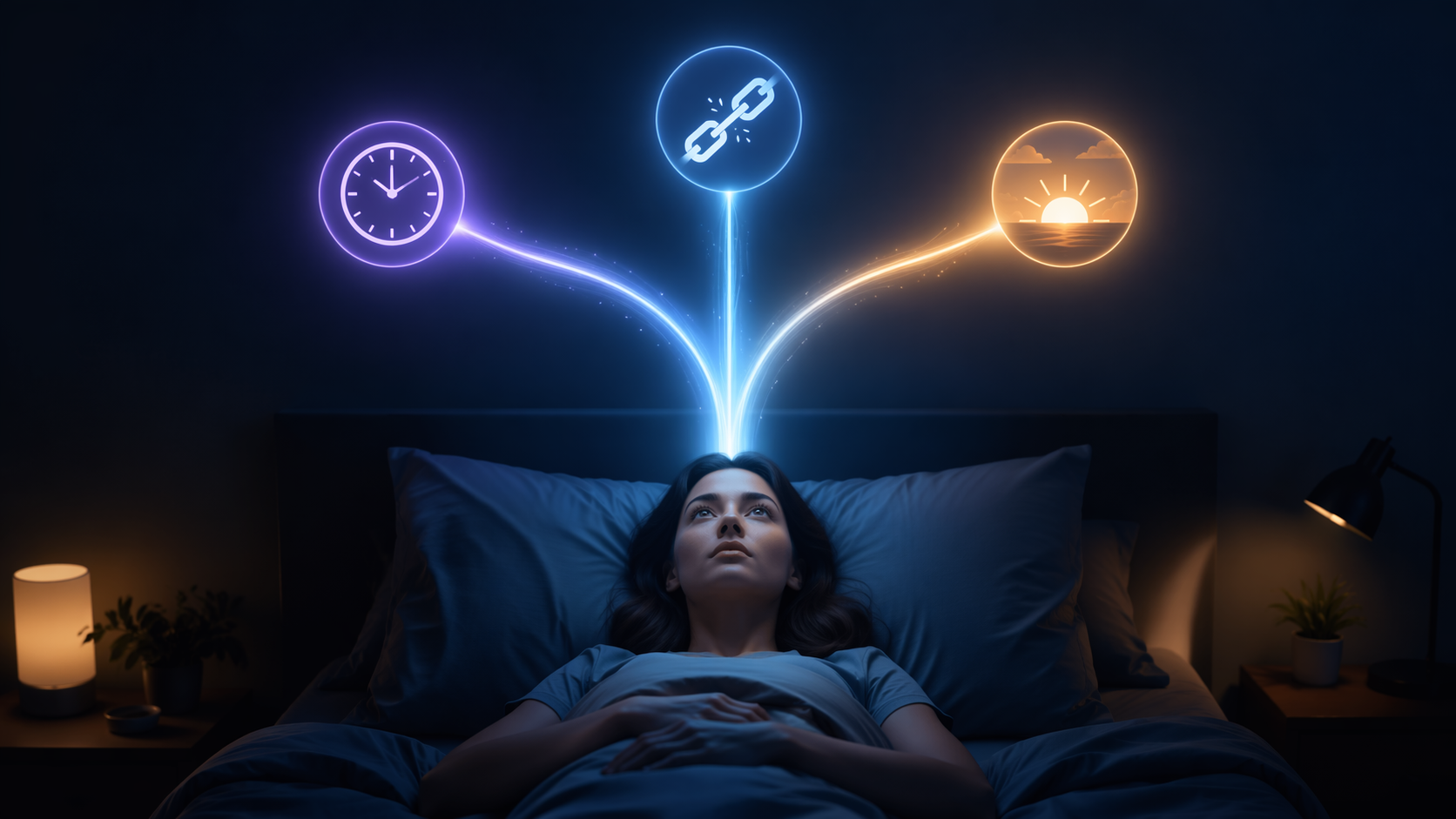
- Use non-alcohol sleep supports first: consistent light exposure, daytime activity, pain control, toileting before bed, quieter nighttime routines, and individualized sleep hygiene rather than another casual sedative.
Some residents have long-standing alcohol routines, and abrupt elimination may not be realistic or humane without medical guidance. Harm reduction may be the better first step: less alcohol, earlier timing, food with the drink, closer monitoring, and a clear stop if falls, breathing problems, confusion, or fragmented sleep worsen.
The practical answer is firm but not punitive. Wine is not sinful, and an older adult’s small pleasures should not be dismissed. But wine near bedtime is a bad sleep aid for nursing-home residents because the aging body magnifies the dose, alcohol disrupts the second half of sleep, breathing can worsen, and the medication list can turn drowsiness into danger.
References
- Alcohol and Sleep: Effects on Sleep Health and Circadian Rhythm, Nutrients, 2026
- Older Adults and Alcohol, National Institute on Alcohol Abuse and Alcoholism
- Alcohol and the Risk of Sleep Apnoea: A Systematic Review and Meta-Analysis, Sleep Medicine, 2018
- The Impact of Alcohol on Breathing Parameters During Sleep: A Systematic Review and Meta-Analysis, 2018
- Alcohol Use in Older Adults: A Case Study, Caring for the Ages, 2019
- Alcohol and Sleep, National Council on Aging
- Melatonin, Polyphenols, and Antioxidant Activity in Wine, 2021
- The Association Between Alcohol Consumption and Sleep Disorders Among Older People in the General Population, Scientific Reports, 2020

Comments
Join the discussion with an anonymous comment.