
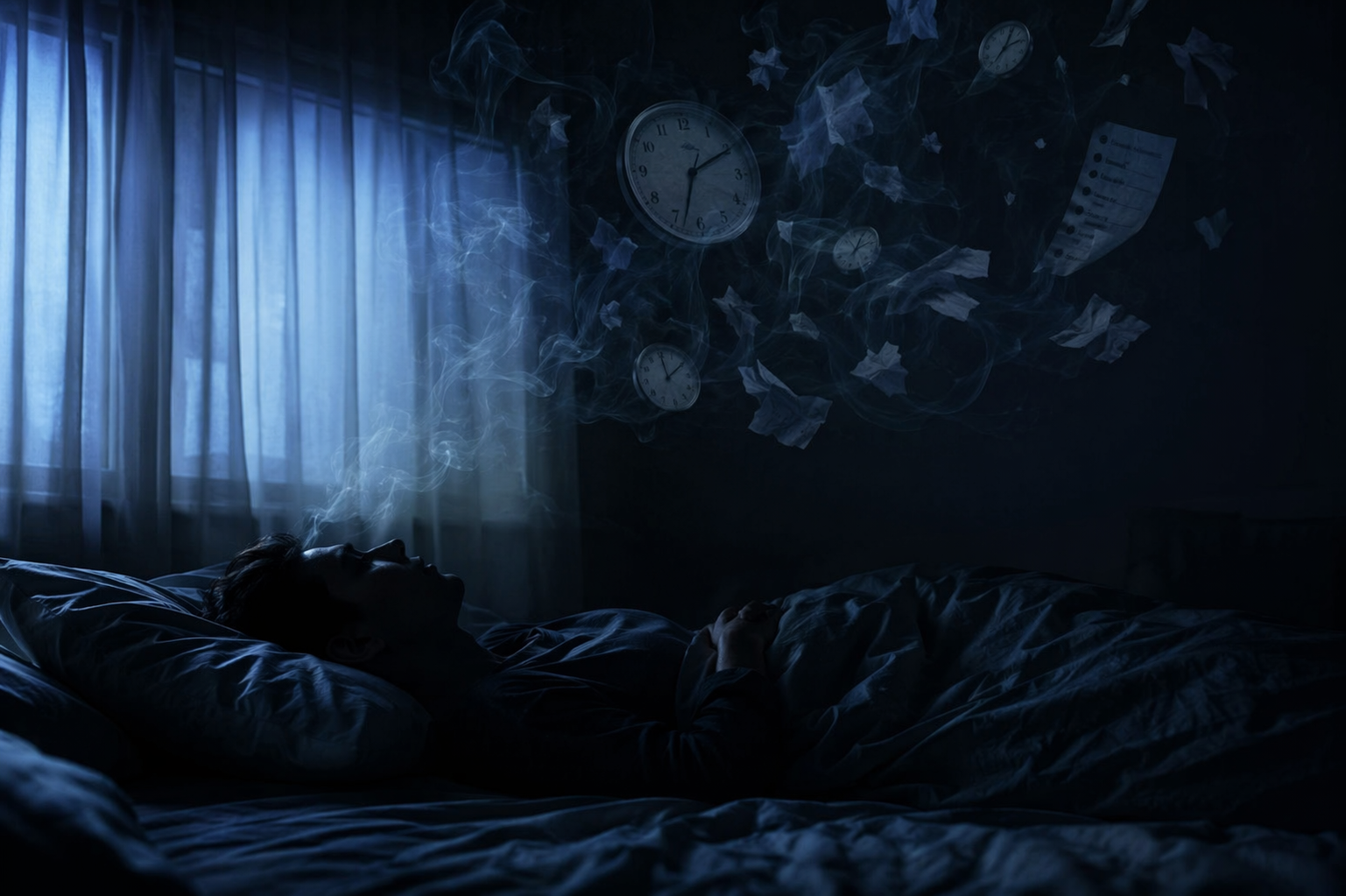
One poor night of sleep is not a cancer warning sign. It is not a diagnosis, and it should not send anyone into a spiral of self-blame. But it can do something measurable: suppress the cytotoxic immune cells that help recognize and attack cancer cells, according to a 2025 report from Washington State University’s Elson S. Floyd College of Medicine.[1] That finding is a useful place to begin because it keeps the question of early cancer detection and sleep benefits where it belongs: inside the body’s ordinary immune surveillance system, not in the realm of vague wellness promises.
The immune system is not waiting for cancer to announce itself as a tumor. Cells acquire abnormal features all the time. Some are repaired, some die, and some are noticed by immune cells that are built to inspect, challenge, and remove threats. Quality sleep appears to help maintain the conditions under which that patrol works. Chronic poor sleep appears to make the patrol less effective. That is a serious distinction, but also a limited one: sleep supports early immune detection; it does not replace screening, medical evaluation, genetic risk assessment, or symptom follow-up.
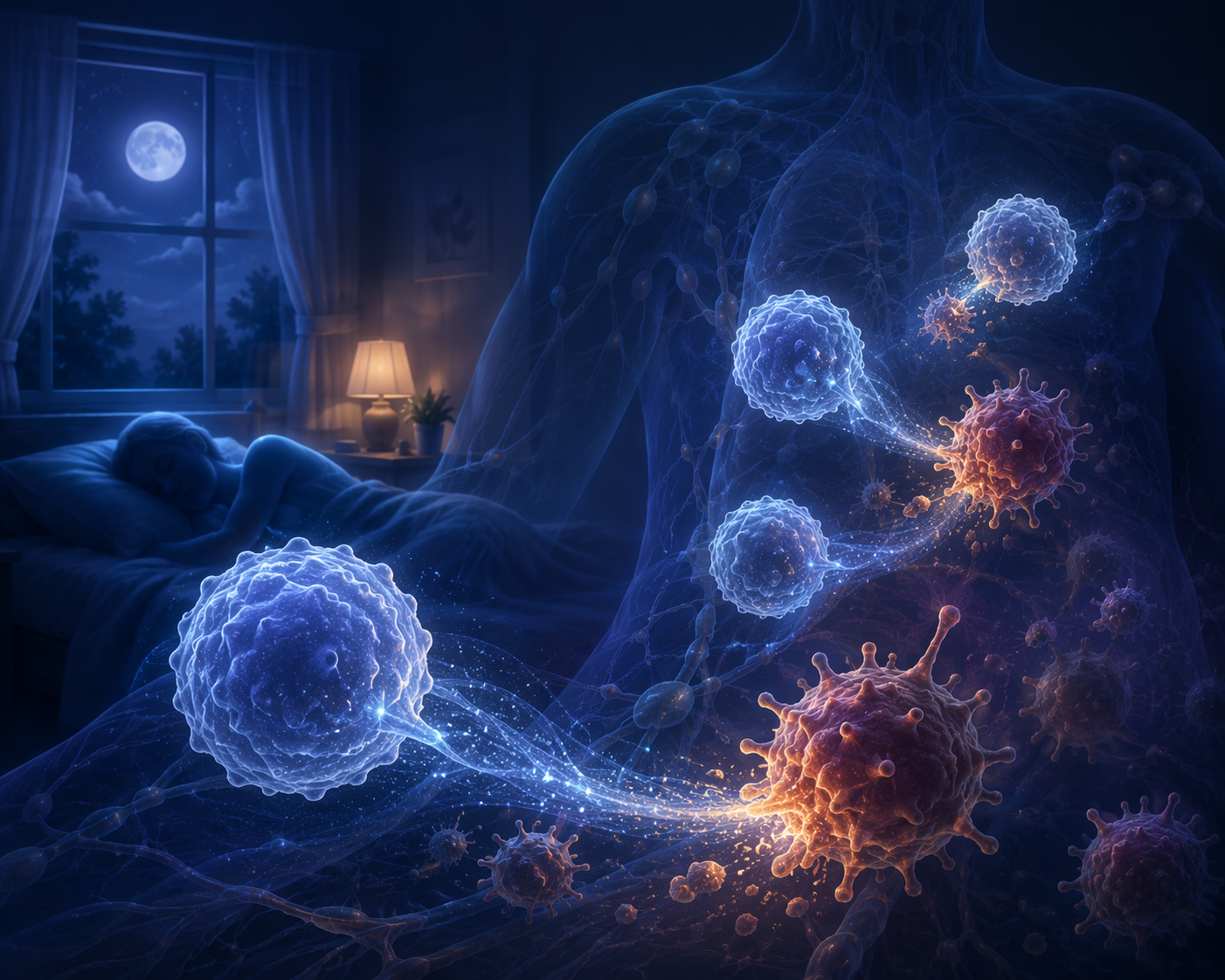
The Body’s Cancer Patrol Is Active at Night
Cancer surveillance depends heavily on immune cells that can detect cells behaving abnormally before those cells become established tumors. Natural killer cells are part of this first-line defense. They do not need the same prior training that some other immune cells require; they look for signs that a cell is stressed, infected, or no longer displaying the normal molecular identity expected of healthy tissue. When they recognize a target, they can release toxic granules that push the abnormal cell toward death.
Cytotoxic T lymphocytes work differently but toward a similar end. They recognize specific abnormal antigens presented by cells and can destroy those targets with precision. In cancer biology, both natural killer cells and cytotoxic T cells matter because early malignant or pre-malignant cells are not just “bad cells”; they are moving targets. Some are visible to immune attack, some evade it, and some survive long enough to reshape the tissue environment around them.
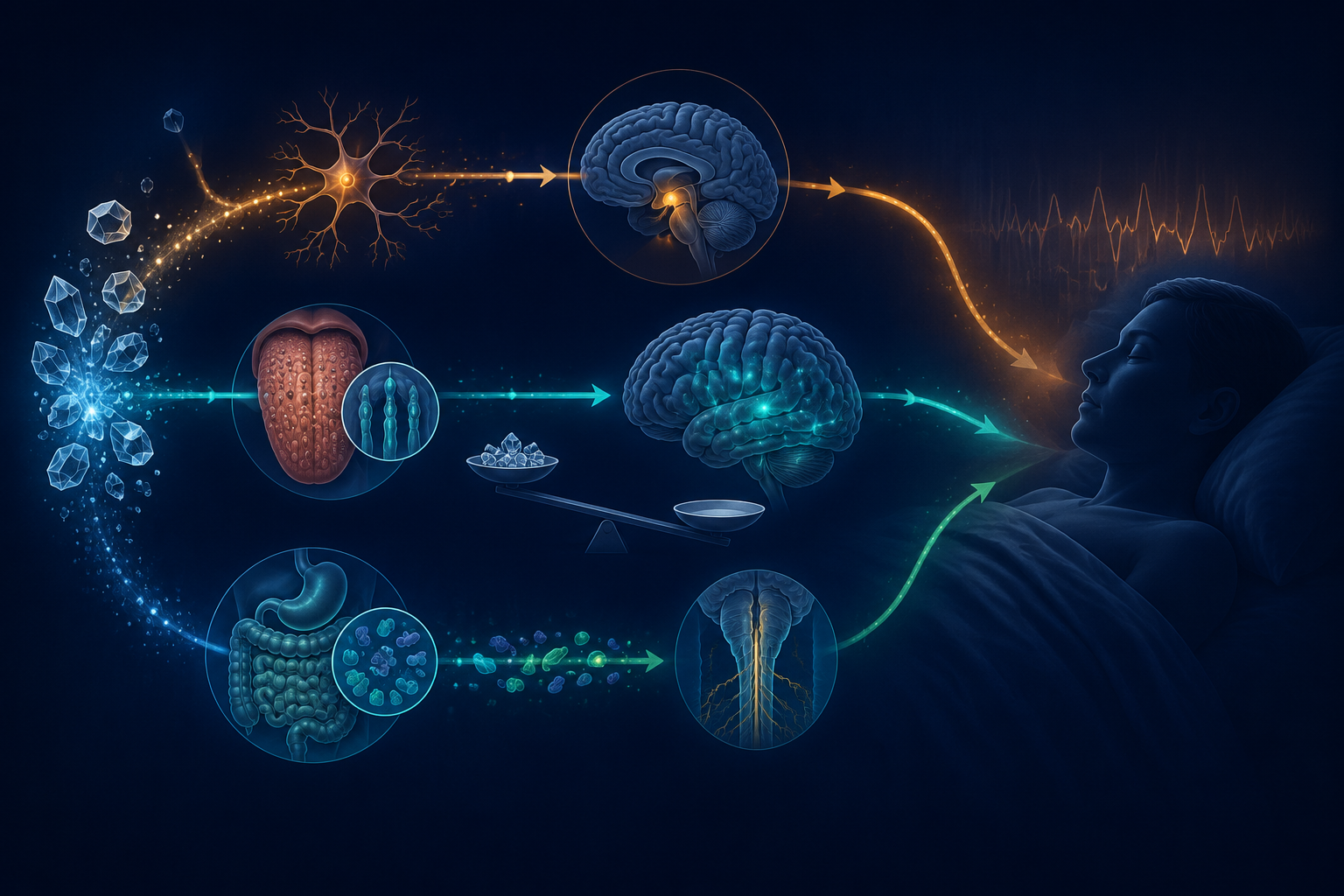
Sleep enters this picture because immune surveillance is not only a matter of having the right cells. Those cells need coordination signals, hormone rhythms, energy balance, and inflammatory timing. A 2024 review on the sleep-immunity-cancer connection describes sleep as an active period for immune regulation, including changes in cytokines that help immune cells communicate.[2] That is the part often flattened in casual advice. Sleep is not just “recovery” in the abstract; it is a biological state in which immune messages are tuned.
Slow-Wave Sleep Helps Coordinate Immune Signals
The deepest portion of non-REM sleep, often called slow-wave sleep, is especially relevant because it is associated with immune signaling rather than simple inactivity. During slow-wave sleep, production of the cytokines IL-1 and TNF increases, according to the 2024 sleep-immunity-cancer framework.[2] These molecules are not cancer detectors by themselves. They are part of the communication network that tells immune cells when to activate, where inflammation needs restraint, and how strongly the body should respond.
That matters for early cancer control because immune surveillance is a sequence, not a single switch. An abnormal cell has to be noticed. Its danger signals have to be interpreted. Other immune cells may need to be recruited. The target has to be eliminated without creating uncontrolled inflammation that damages healthy tissue. Sleep helps preserve the timing and balance of that sequence.
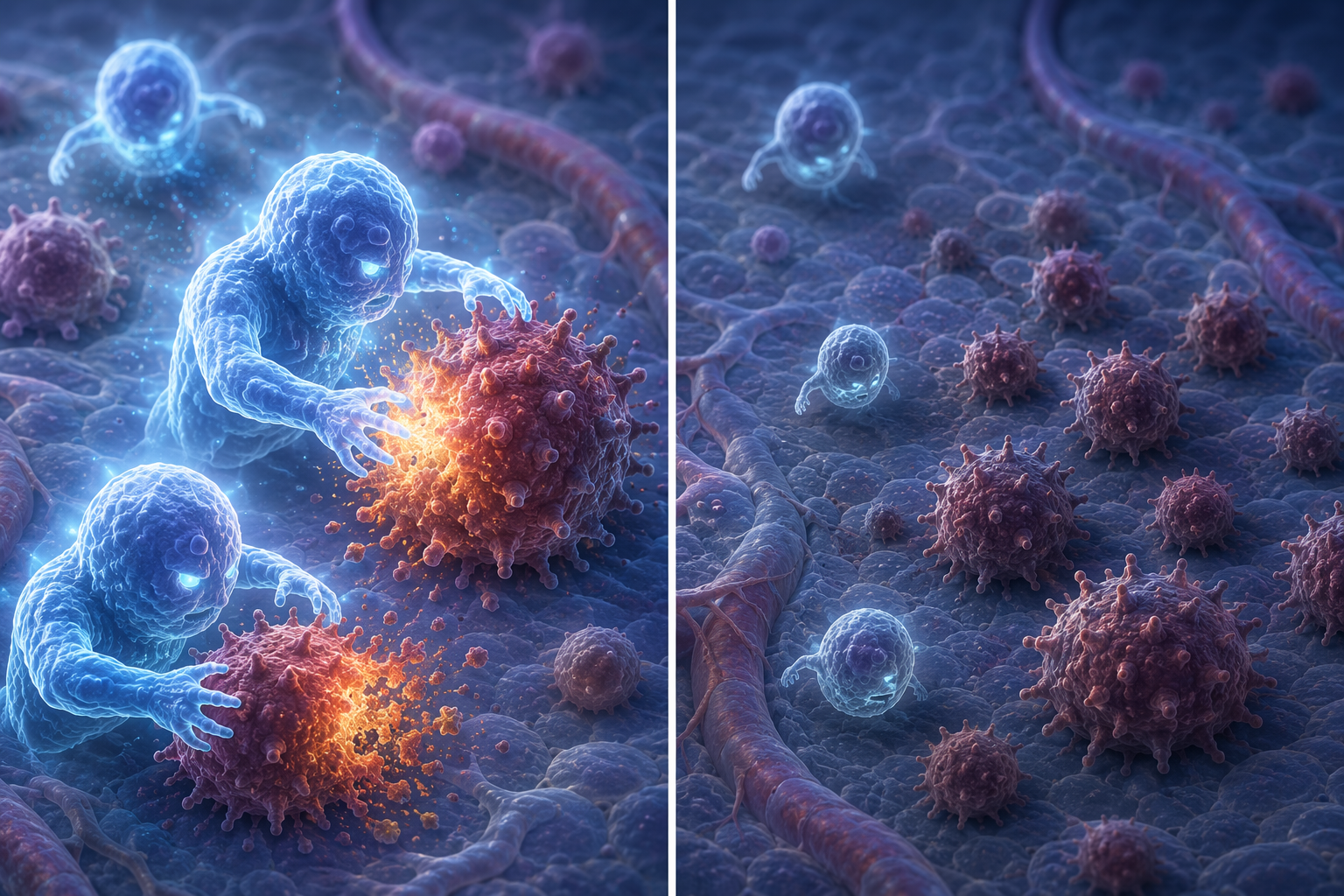
This is also why one bad night is biologically interesting but personally easy to overinterpret. A transient dip in immune activity is not the same thing as cancer developing. The more relevant concern is repeated disruption: short sleep, fragmented sleep, untreated sleep apnea, rotating shift work, chronic insomnia, caregiving interruptions, or treatment-related sleep disturbance that keeps the immune system operating under strain.
What Sleep Deprivation Interrupts
When sleep is cut short or repeatedly fragmented, the immune system does not simply become “weaker” in one uniform way. Some inflammatory signals may rise, while some targeted anti-tumor functions may fall. That mixed pattern is one reason sleep-cancer research is difficult to summarize responsibly. The problem is not that the immune system turns off. The problem is that surveillance becomes less well coordinated.
The WSU finding makes that disruption concrete: even a single night of sleep deprivation measurably suppressed cytotoxic immune cells that target cancer cells.[1] In practical terms, the cells that should help inspect and eliminate abnormal targets were less capable after acute sleep loss. That does not mean a single sleepless night causes cancer. It means sleep loss can quickly alter one of the systems the body uses to keep abnormal cells from gaining ground.
Chronic poor sleep adds another layer. Repeatedly losing slow-wave sleep can interfere with cytokine timing. Sleep fragmentation can disturb hormone rhythms. Long-term insufficient sleep can push the body toward a more inflammatory baseline while reducing the precision of immune responses. For early cancer detection, that combination is plausibly unfavorable: more background noise, less clean signaling, and less efficient cytotoxic patrol.
This is the strongest useful claim: quality sleep helps maintain immune conditions that make early abnormal cells more likely to be detected and cleared. It is not the same as saying sleep alone prevents cancer. Cancer risk is shaped by age, inherited variants, infections, tobacco exposure, alcohol, metabolic health, ultraviolet radiation, occupational exposures, screening access, and plain biological chance. Sleep belongs in that larger prevention-support picture, not above it.
Melatonin Is Part of the Biology, Not a Shortcut
Nighttime sleep also supports melatonin rhythm. Melatonin is best known as a sleep-timing hormone, but laboratory and mechanistic literature has also described antioxidant activity and anti-angiogenic effects, meaning effects that may help oppose the formation of new blood vessels tumors need for growth.[2] That makes melatonin relevant to sleep-cancer biology, especially because its natural rise is tied to darkness and circadian timing.
That point should not be converted into a supplement claim. A capsule, gummy, or liquid melatonin product is not the same thing as a healthy nighttime circadian rhythm, and melatonin supplements should not be framed as a cancer-prevention strategy. Readers considering supplements need a different set of questions: dose, timing, interactions, next-day effects, and label reliability. For that, it is more appropriate to read about melatonin gummy safety, melatonin label accuracy, and matching melatonin to the right sleep problem.
Population Studies Echo the Mechanism, With Limits
Once the immune mechanism is visible, the epidemiology becomes easier to interpret. A cohort analysis using English Longitudinal Study of Ageing data found that poor sleep quality was associated with a 59% higher overall cancer risk, with a hazard ratio of 1.59 and a 95% confidence interval of 1.15 to 2.19.[3] That is not proof that poor sleep caused those cancers. It is a population-level echo of the biological story: people reporting worse sleep had higher subsequent cancer risk.
The American Cancer Society’s caution belongs close to that number, not buried after it. The organization notes that there is not yet enough research to clearly link sleep with cancer risk.[4] That does not make the mechanism irrelevant. It means the evidence is converging rather than settled, and that confident personal blame is not justified.
Sleep studies often depend on self-reported sleep quality or usual sleep duration. People do not always estimate their sleep accurately. Poor sleep can also be a marker for other health burdens, including pain, depression, financial stress, caregiving, medications, alcohol use, or undiagnosed sleep apnea. Researchers can adjust for some confounders, but adjustment is not magic. It reduces uncertainty; it does not erase it.
Short-sleep findings still deserve attention, especially when they appear across different populations and sit alongside plausible immune mechanisms. But the practical reading is conservative: repeatedly sleeping too little may be one modifiable pressure on cancer risk biology. It is not a standalone risk calculator. For readers trying to decide whether their own sleep is truly short, the basic starting point is adult sleep duration, not a cancer statistic; see how many hours of sleep adults need.
Insomnia, Sleep Apnea, and Cancer Risk Are Not One Story
Sleep quality is not a single exposure. Insomnia, sleep apnea, circadian disruption, short sleep, and fragmented sleep may affect cancer biology through overlapping but different routes. Insomnia can reduce sleep duration and alter stress physiology. Sleep apnea repeatedly lowers oxygen levels and fragments sleep. Shift work can misalign circadian signals even when total sleep time looks adequate. These categories should not be collapsed into one generic “bad sleep” bucket.
Conference data reported in 2026 added another reason for caution and interest: under-50 adults diagnosed with insomnia were reported to be three times more likely to develop cancer within five years.[5] That finding was presented at ASCO and reported by The Guardian; it should be treated as conference data, not as a fully peer-reviewed published paper. The age group makes it notable, but the status of the evidence limits how much weight it should carry.
Cancer-type specificity also matters. Some sleep-related risks may be stronger for particular cancers than for overall cancer incidence, and mechanisms may differ by tissue. For example, sleep apnea has a plausible route through intermittent hypoxia, while insomnia may act more through fragmentation, stress physiology, and reduced restorative sleep. When studies report different cancer-site patterns, that is not automatically contradiction. It may mean the word “sleep” is covering several exposures.
Poor Sleep Can Also Be a Consequence of Cancer
The relationship cannot be read in only one direction. Cancer can disturb sleep before diagnosis, during treatment, and long after treatment ends. MD Anderson notes that about 80% of cancer patients report disturbed sleep.[6] Pain, hot flashes, anxiety, steroids, hospital schedules, neuropathy, nausea, and fear of recurrence can all make sleep worse. In that setting, telling people to “just sleep better” is not health advice; it is an added burden.
Reverse causation is one of the central interpretive problems in sleep-cancer studies. If someone sleeps poorly and is diagnosed with cancer later, poor sleep might have contributed to risk biology. It might also have been an early effect of an undetected illness, a symptom burden, or a shared underlying condition. Both can be true in different people.
That is why sleep should be treated as a meaningful health lever without turning it into a diagnostic tool. New, persistent sleep disruption deserves attention when it comes with other symptoms, but sleep disruption by itself does not indicate cancer. Screening decisions should still follow age, risk factors, family history, and clinician guidance.
What to Take From the Evidence
The practical goal is not perfect sleep. Perfect sleep is not available to shift workers, new parents, caregivers, people with chronic pain, many menopausal adults, and many people living with or recovering from cancer treatment. The goal is to reduce avoidable immune disruption where possible and to treat sleep disorders as real medical issues rather than personality flaws.
- If sleep is short by habit, start with duration and consistency before adding products or devices.
- If sleep is long enough but unrefreshing, consider fragmentation, snoring, breathing pauses, pain, medications, alcohol, or circadian mismatch.
- If insomnia is chronic, evidence-based treatment such as cognitive behavioral therapy for insomnia is more relevant than chasing one perfect bedtime routine.
- If cancer treatment or survivorship is disrupting sleep, the sleep problem deserves clinical care rather than generic wellness advice.
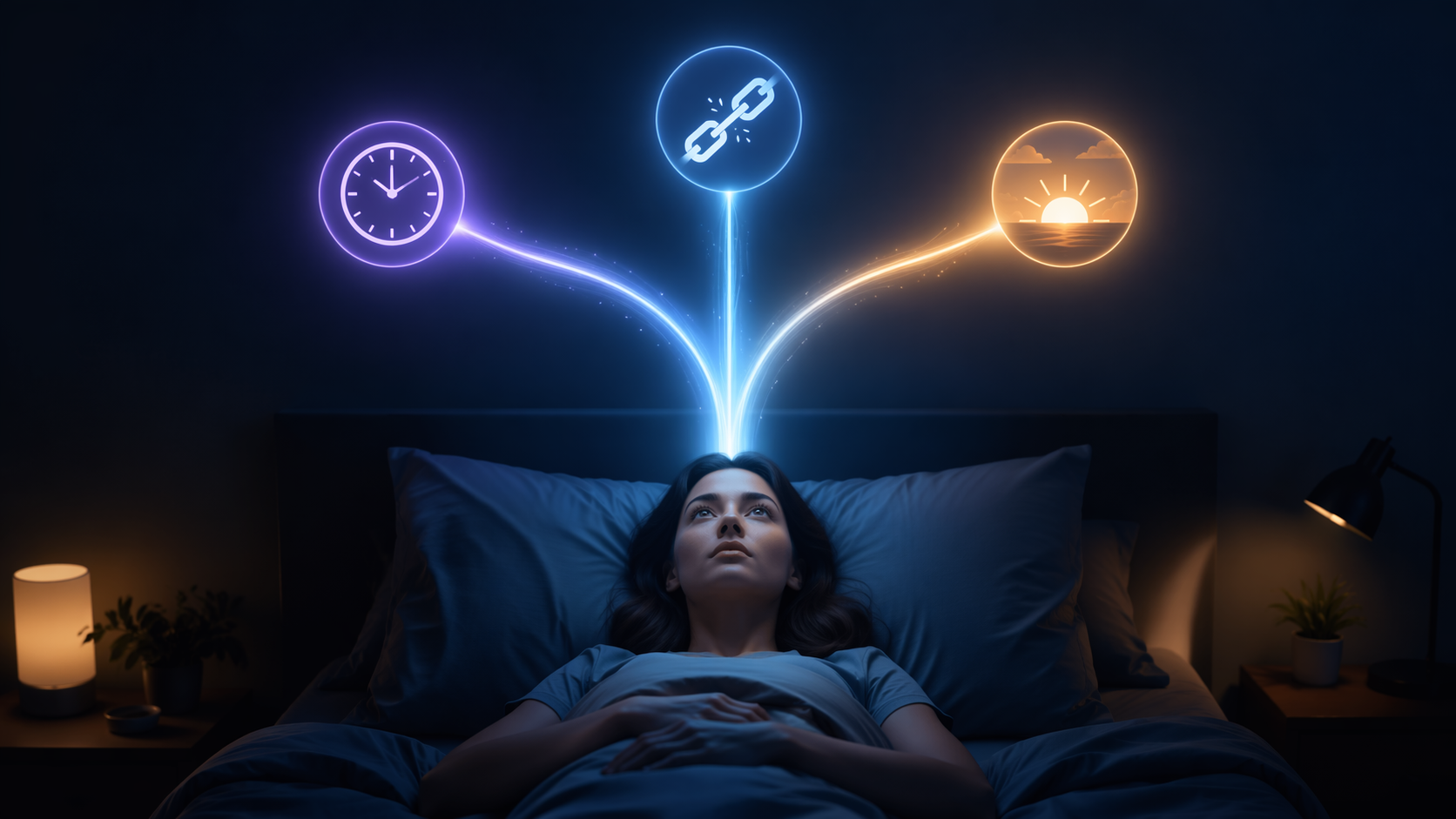
A simple routine still has value because the immune system responds to repeated conditions. Regular timing, morning light, a wind-down period, temperature control, and limiting late alcohol can all make sleep less fragmented for some people. For routine-building, use a practical sleep preparation guide rather than treating every night as a test of willpower.
Tracking can help if it clarifies patterns, but it can backfire if it turns sleep into another source of anxiety. A tracker is most useful when it shows repeated timing, duration, awakenings, or recovery patterns that can guide a conversation with a clinician. It is less useful when a single bad score changes how safe someone feels in their body. Readers who want objective pattern monitoring can start with sleep tracking basics.
The careful conclusion is also the useful one. Quality sleep helps maintain the immune conditions under which early abnormal cells are more likely to be detected and cleared. Chronic poor sleep appears to impair that surveillance, including cytotoxic immune activity, cytokine coordination, and circadian hormone rhythms. The evidence is strong enough to make sleep a serious prevention-support habit. It is not strong enough to make sleep a standalone cancer prevention strategy, and it is certainly not an early detection test.
References
- Sleep and cancer prevention, WSU Elson S. Floyd College of Medicine, February 17, 2025.
- The Triad of Sleep, Immunity, and Cancer, PMC, 2024.
- Sleep duration, sleep quality, and cancer risk: a prospective cohort study, Sleep, 2020.
- Sleep and Cancer Risk, American Cancer Society.
- Poor sleep linked to rising cancer risk in under-50s, The Guardian, May 30, 2026.
- Sleep, cancer and cancer treatment: Understanding the link, MD Anderson Cancer Center.
Comments
Join the discussion with an anonymous comment.